Features
You will find below other works by me that were published in other websites. Feel free to share them!
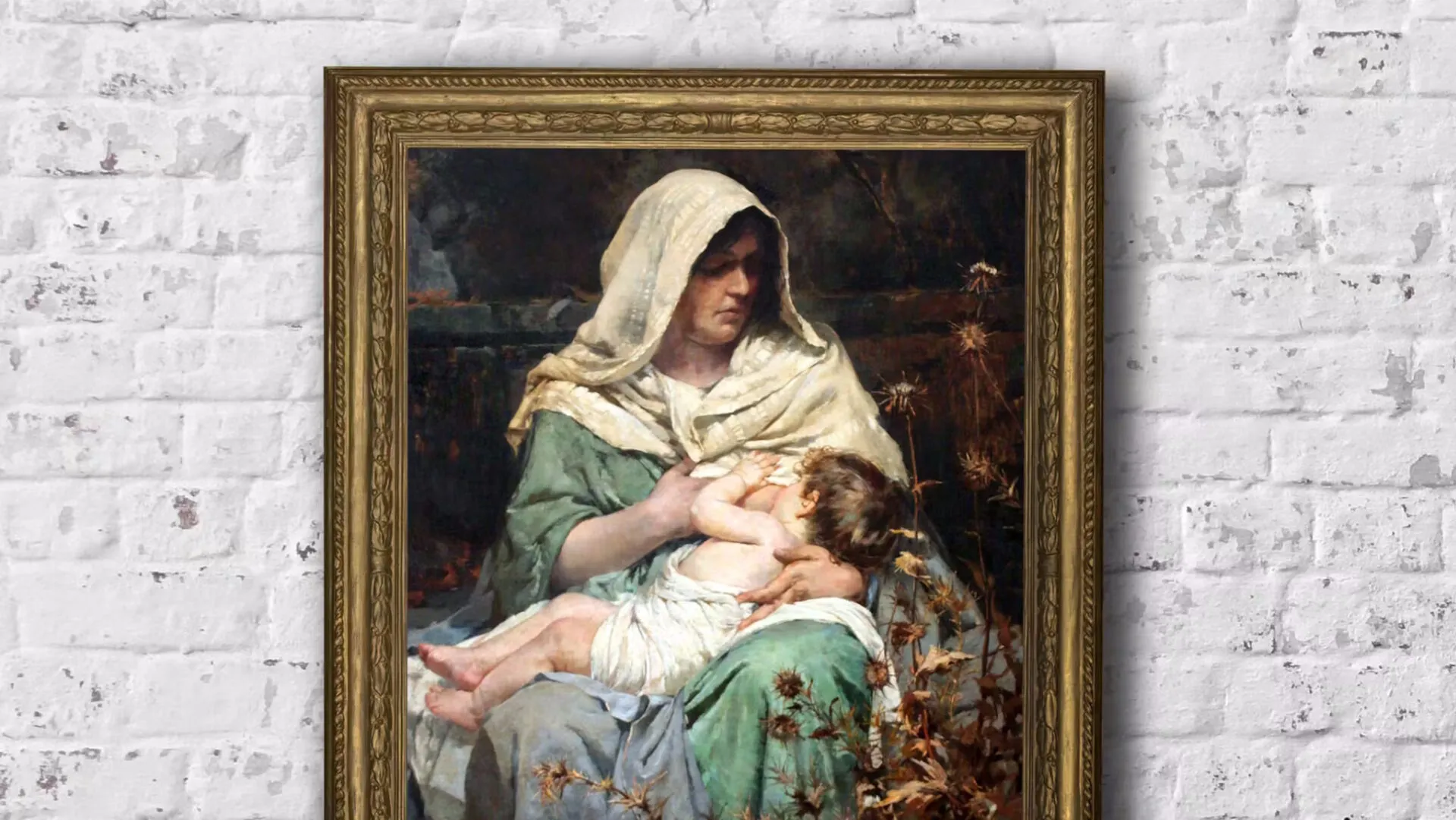
Are you still nursing?
While breastfeeding for more than a few months is unusual in the UK, extended nursing has a solid historical and cultural precedent. Julia Martins, who was brought up in a country where longer breastfeeding is widespread, explores history along with her own expectations, the reality of nursing her child, and the sisterhood of women who breastfeed.
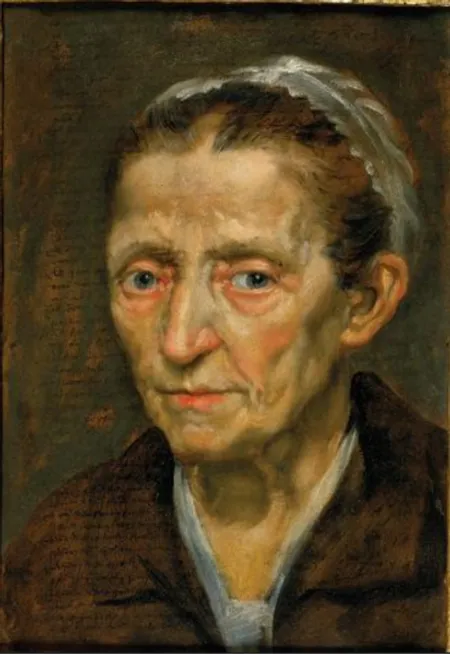
The Mother of All Things: Reshaping Medical Knowledge in Translation
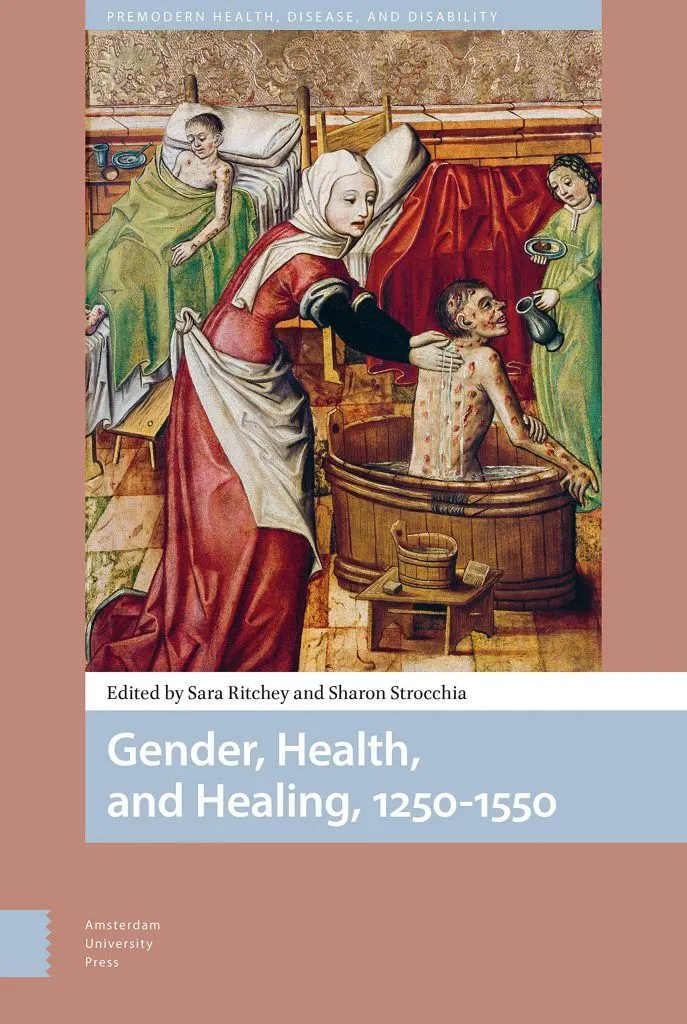
If you lived in the sixteenth century and you fell ill, who would you call to treat you? Maybe an expensive university-trained physician, if you had the means to pay them, or a reliable surgeon if you were less wealthy? How would you feel about calling your local herb woman, who was probably illiterate? Perhaps surprisingly, that's exactly what the Bolognese surgeon Leonardo Fioravanti (1517-1588) would advise. Yet when his texts were translated, these women were written out of the books, illustrating the erasure of women from the historical record.

Happy to Be Here Podcast - Bringing History into Today
Season 4, Episode 11: Bringing History into Today with Julia Martins
OESLF Podcast - Julia Martins, Historienne
Episode 4: Julia Martins, Historienne
History Podcast - Talks about the Renaissance
Episode 29: Talks with Julia Martins about the Renaissance
Talking Tudors - Reproduction and the Female Body
Episode 161: Reproduction and the Female Body with Julia Martins
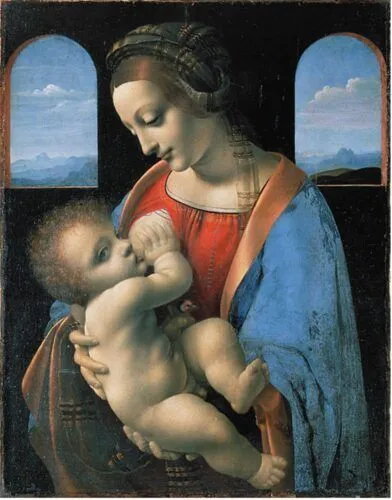
A Few Drops of Milk Will Do: Breast Milk as Medicine
A few weeks after my baby was born, I noticed her tear ducts were blocked. Echoing Galen, the midwife suggested a few drops of breast milk to help treat and open the ducts. A few days later, the problem was solved, much to my astonishment…
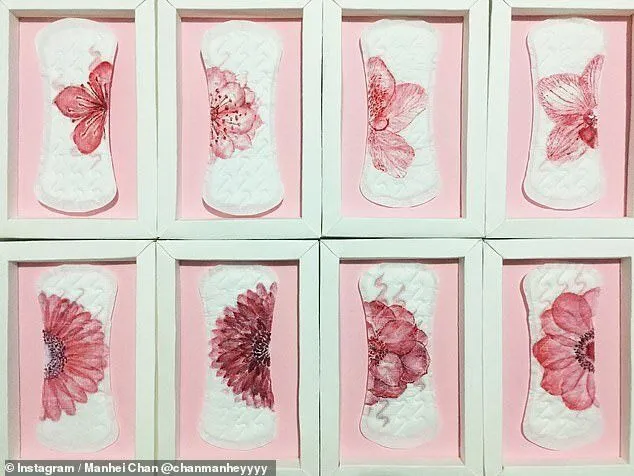
Flowers
Flowers conjure up spring and rebirth, youth, beauty, freshness, and the fecundity of the natural world. In the early modern period, these associations could also apply to the female body. In printed recipe books, a best-selling genre of domestic guides, readers could find many recipes about flowers.
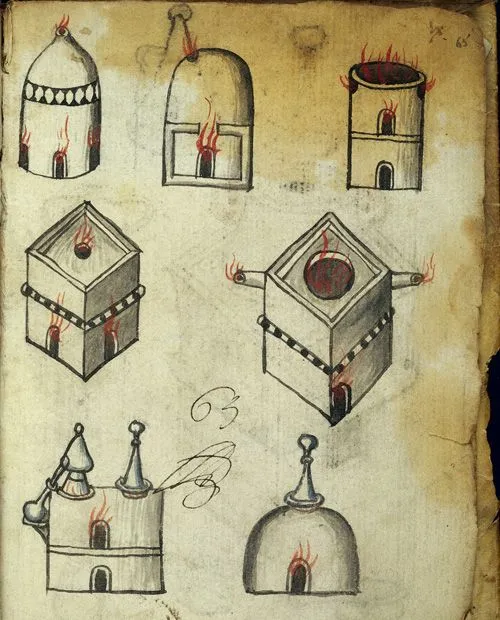
Kitchen Alchemy in the 16th Century
Since late antiquity, alchemical texts have had a reputation for being difficult to read. Besides often being written in Latin, which automatically limited the readership, these treatises employed a hermetic language, following the tradition of the secrecy of esoteric knowledge.
From Dificio di ricette to Bâtiment des recettes
In 1525 a book called Opera nuova intitolata dificio di ricette was published in Venice. The book promised to reveal all kinds of secrets to the reader, from cosmetic to medical recipes.