
Dr Julia Martins is a historian of the body, an activist, and an unapologetic bookworm (she is the host of My Body, My Book Club — an online feminist book club). She is also a participant in the London Library Emerging Writers Programme 2026–27 and an Activism Outreach Supporter with The Vavengers.
Read more about Julia →Latest Articles
View all →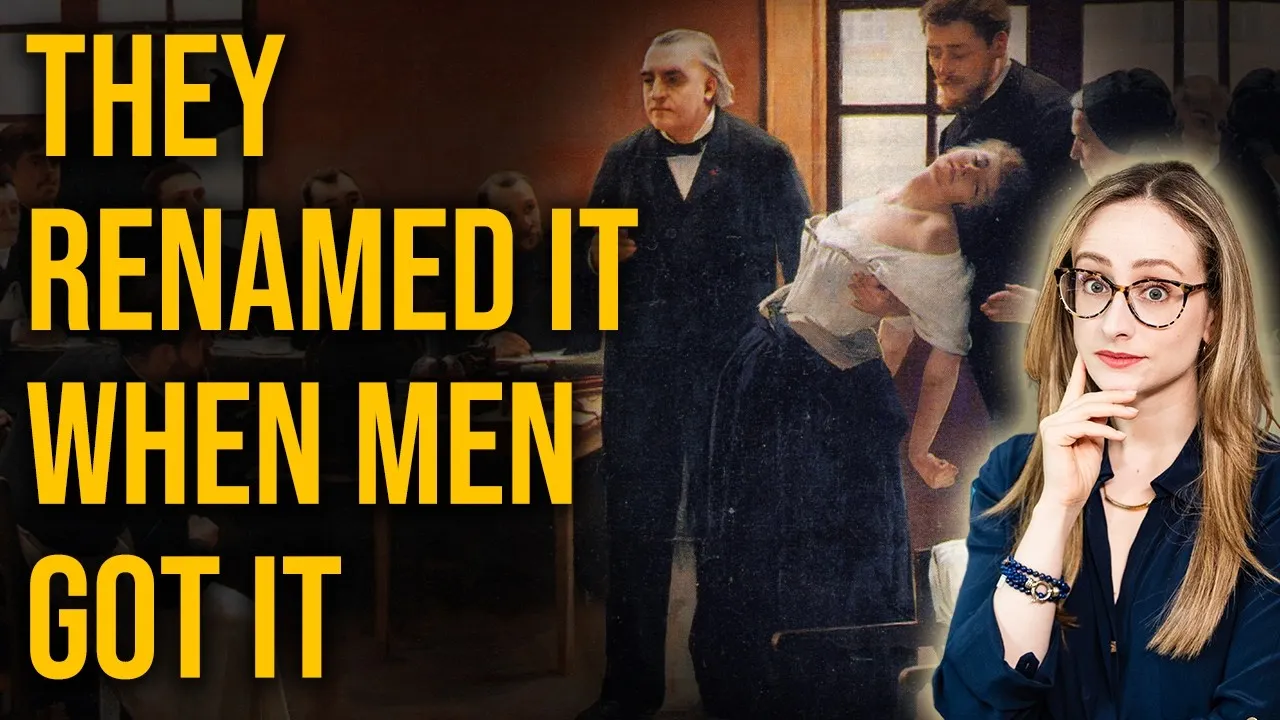
The History of Hysteria: Medical Misogyny in a Nutshell
From wandering wombs to shell shock: how medicine kept finding new words for what it could not explain about women.
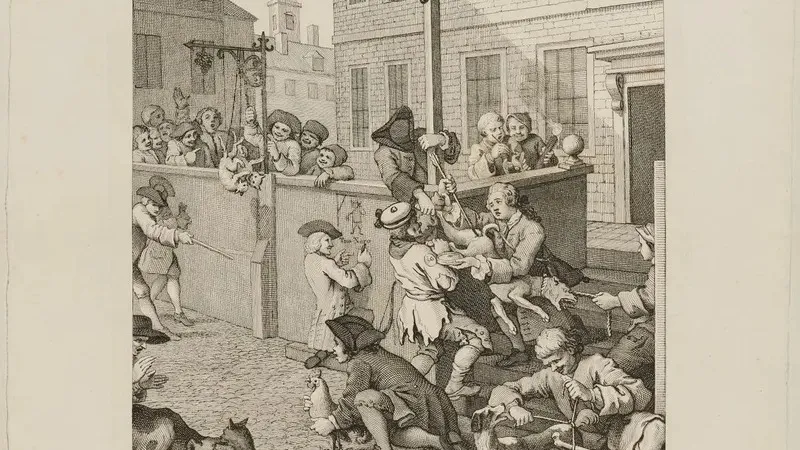
The Great Cat Massacre: A Guide to Cultural History
What can the massacre of cats by eighteenth-century Parisian printing apprentices tell us about how cultural history works? From Robert Darnton to Saidiya Hartman, this is a guide to the field.

Prince Rupert's Dog: The 400-Year-Old Propaganda Hoax That Fooled Everyone
The story of Prince Rupert's poodle 'Boy' being feared as a devil by Parliamentarians is a myth — created by Royalist propagandists as a joke that spectacularly backfired.

The Tiffany Problem: 10 'Modern' Things That Are Way Older Than You Think
From ancient Roman fast food to medieval almond milk—ten things that feel modern but have been around for centuries.
The History of Hysteria: Medical Misogyny in a Nutshell
From wandering wombs to shell shock: how medicine kept finding new words for what it could not explain about women.
The Great Cat Massacre: A Guide to Cultural History
What can the massacre of cats by eighteenth-century Parisian printing apprentices tell us about how cultural history works? From Robert Darnton to Saidiya Hartman, this is a guide to the field.
Prince Rupert's Dog: The 400-Year-Old Propaganda Hoax That Fooled Everyone
The story of Prince Rupert's poodle 'Boy' being feared as a devil by Parliamentarians is a myth — created by Royalist propagandists as a joke that spectacularly backfired.
The Tiffany Problem: 10 'Modern' Things That Are Way Older Than You Think
From ancient Roman fast food to medieval almond milk—ten things that feel modern but have been around for centuries.
Key Concepts
View all →The History of Hysteria: Medical Misogyny in a Nutshell
From wandering wombs to shell shock: how medicine kept finding new words for what it could not explain about women.
The Great Cat Massacre: A Guide to Cultural History
What can the massacre of cats by eighteenth-century Parisian printing apprentices tell us about how cultural history works? From Robert Darnton to Saidiya Hartman, this is a guide to the field.
What were the "Non-Naturals"?
Learn about the six non-naturals—air, food, sleep, exercise, evacuation, and emotions—that shaped preventive medicine for centuries.
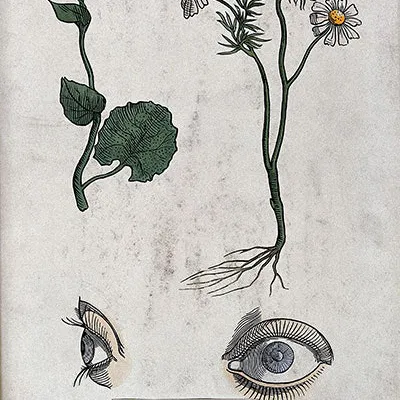
What is the 'Doctrine of Signatures'?
Discover how Renaissance physicians believed plants revealed their healing powers through shape, color, and resemblance to body parts.
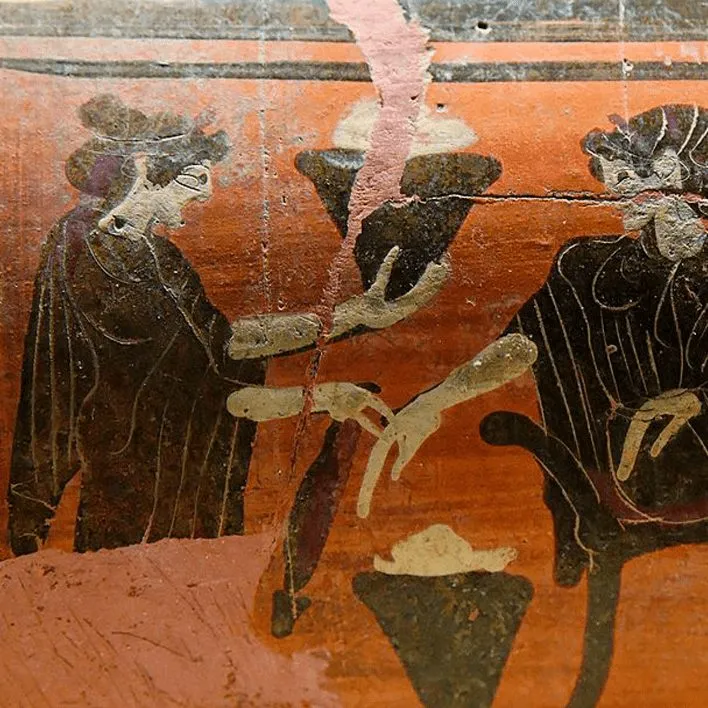
What is the ‘Wandering Womb’?
Discover the ancient Greek theory of the 'wandering womb'—an animal inside an animal, moving through the body in search of moisture.
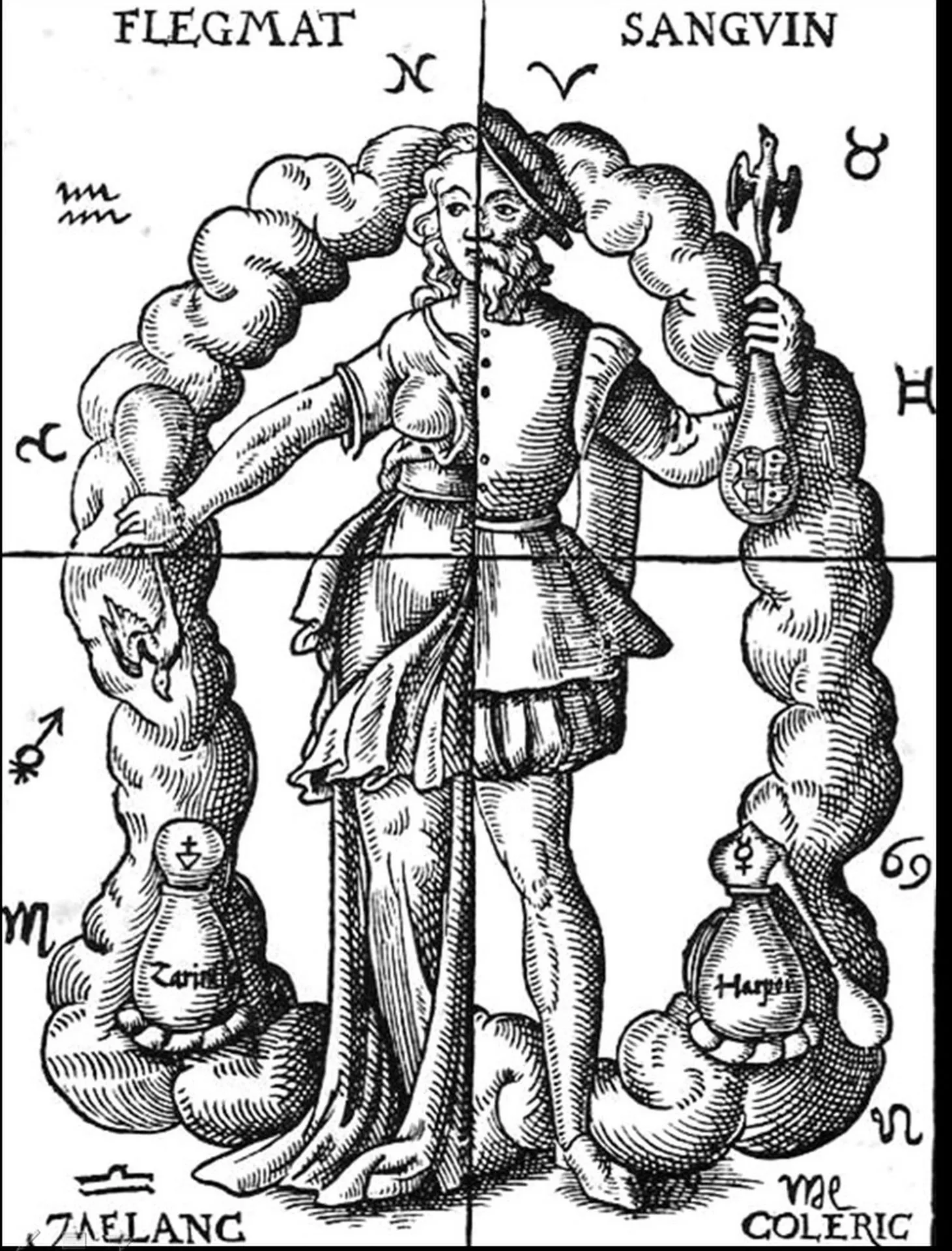
Humoral Theory: How the Four Humours Shaped Medicine for 2,000 Years
Blood, phlegm, yellow bile, and black bile — the four humours formed the foundation of Western medicine from ancient Greece to the 18th century.
Book Recommendations
View all →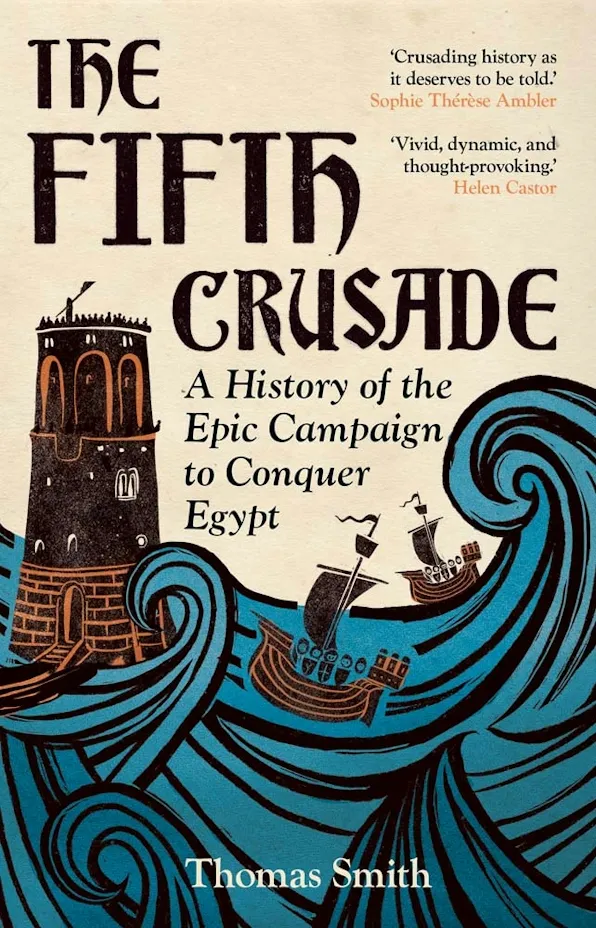
Greek Fire, St Francis of Assisi, and Female Crusaders: The Messy and Surprising Fifth Crusade
The Fifth Crusade: A History of the Epic Campaign to Conquer Egypt
Thomas Smith
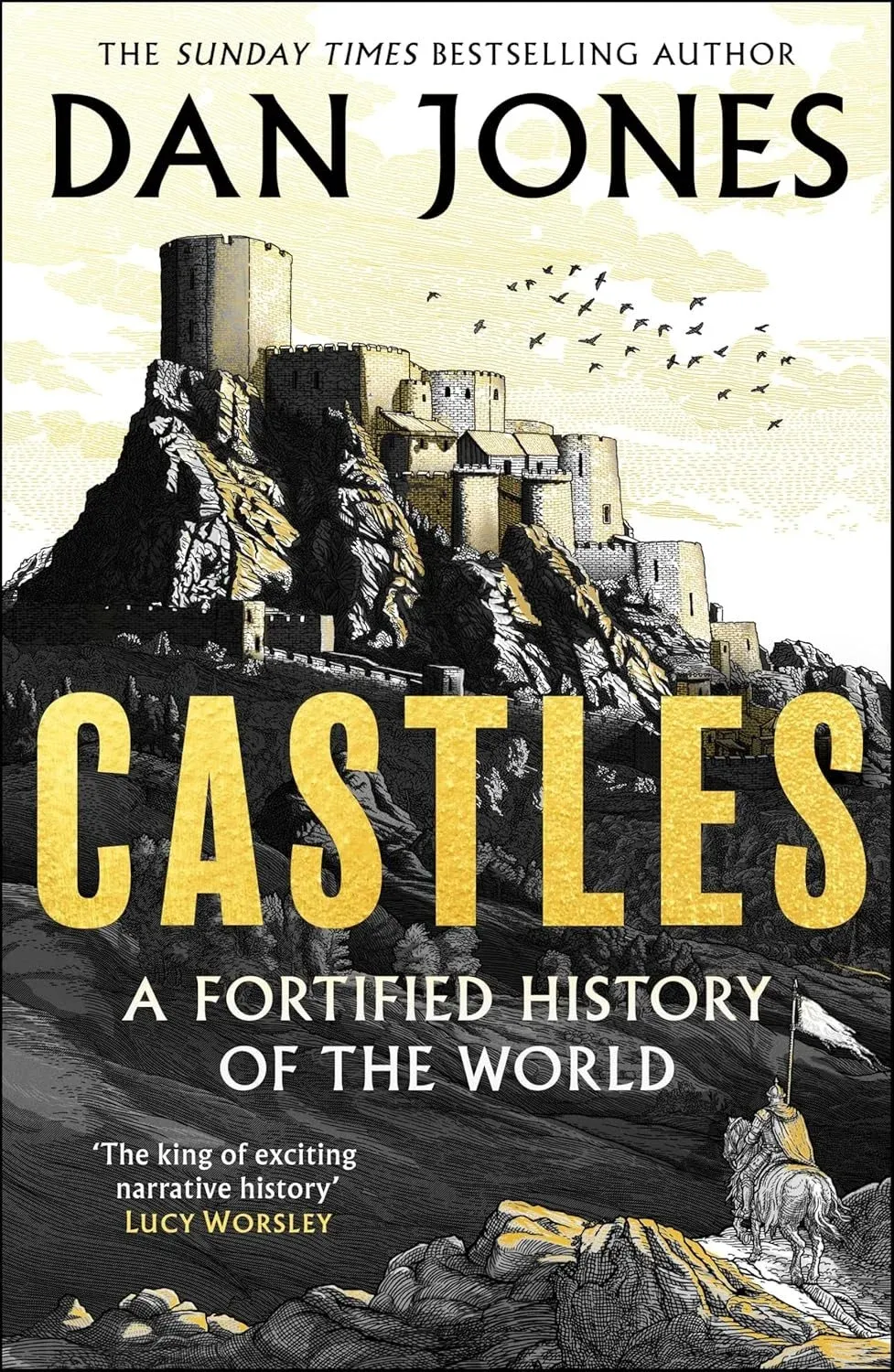
Let's Talk about Castles, from the Great Wall of China to Disney
Castles: A Fortified History of the World
Dan Jones
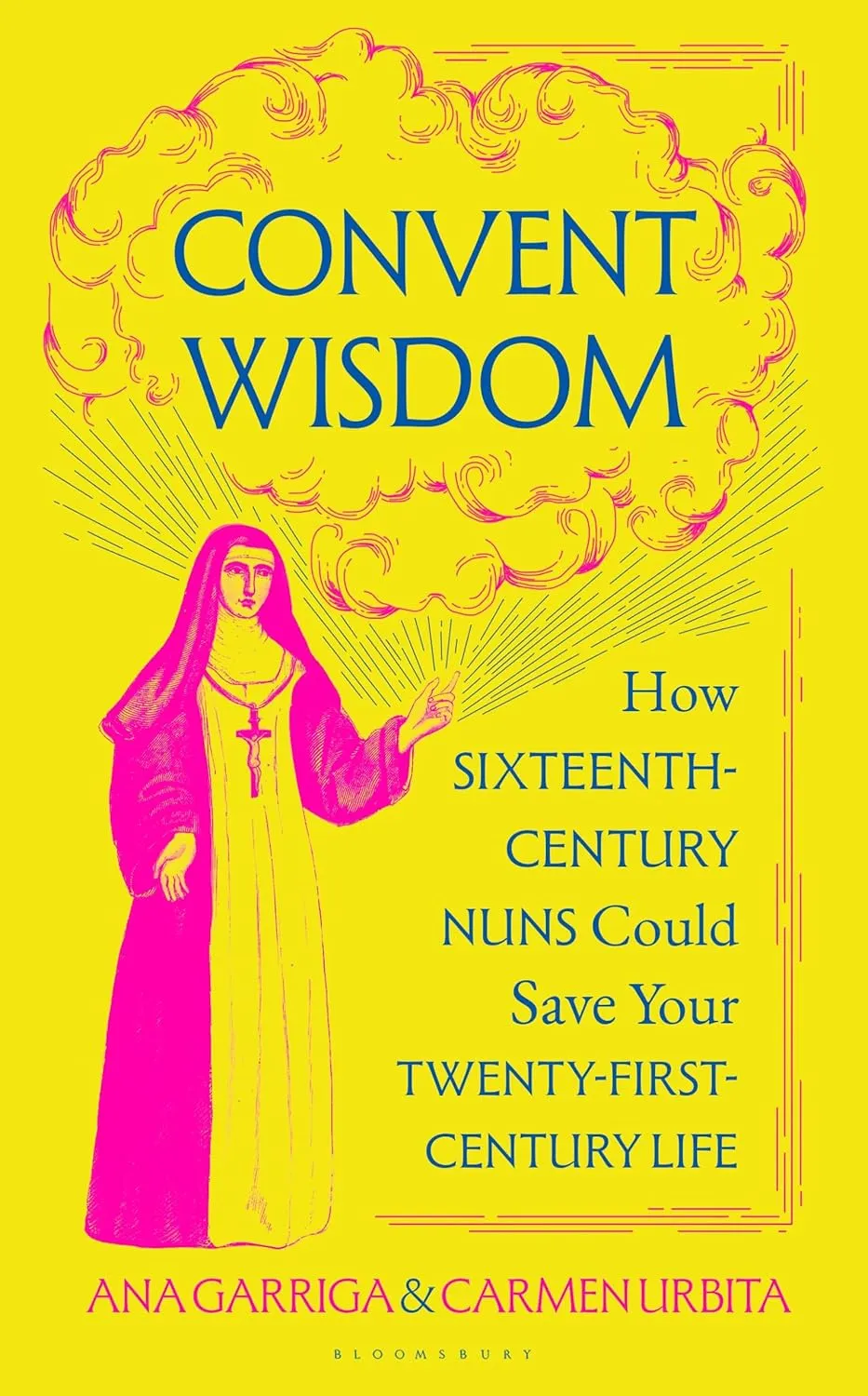
Early Modern Nuns: My Favourite Kind of Self-Help
Convent Wisdom: How Sixteenth-Century Nuns Could Save your Twenty-First-Century Life
Ana Garriga and Carmen Urbita
Stay in the Loop
Get new articles and videos before they appear on the website, plus book recommendations, film picks, and online courses.
Support My Work
Good history shouldn't live behind a paywall. If you value free, independent, and well-researched content, your support makes a real difference.
Support on
Prefer a one-time gift? You can also buy me a coffee.