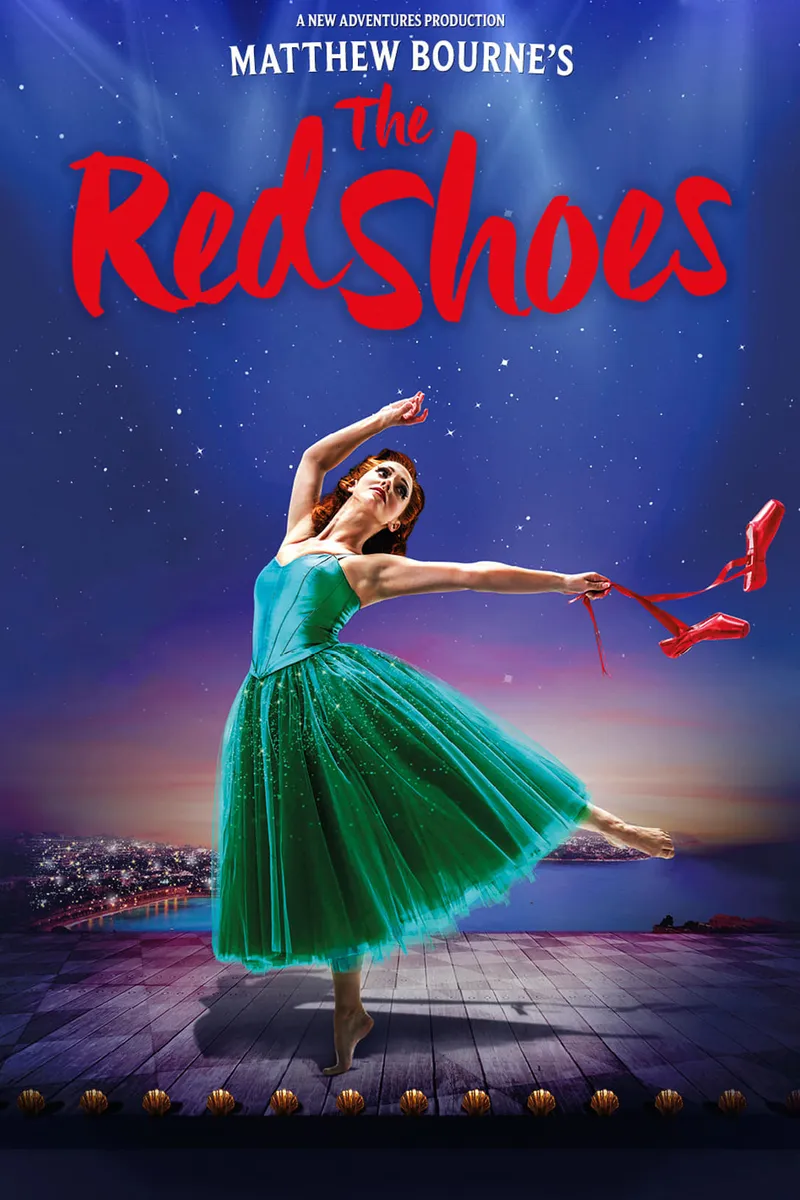
Have you read Hans Christian Andersen’s story “The Red Shoes”? I recently watched the ballet version by Matthew Bourne, and it was great, but it had little in common with the original fairy tale I remembered from childhood. So I decided to revisit it.
“The Red Shoes” was published in 1845, and it’s deeply rooted in Andersen’s own biography, specifically his childhood, social anxieties, and the strict Lutheran religious environment of 19th-century Denmark.
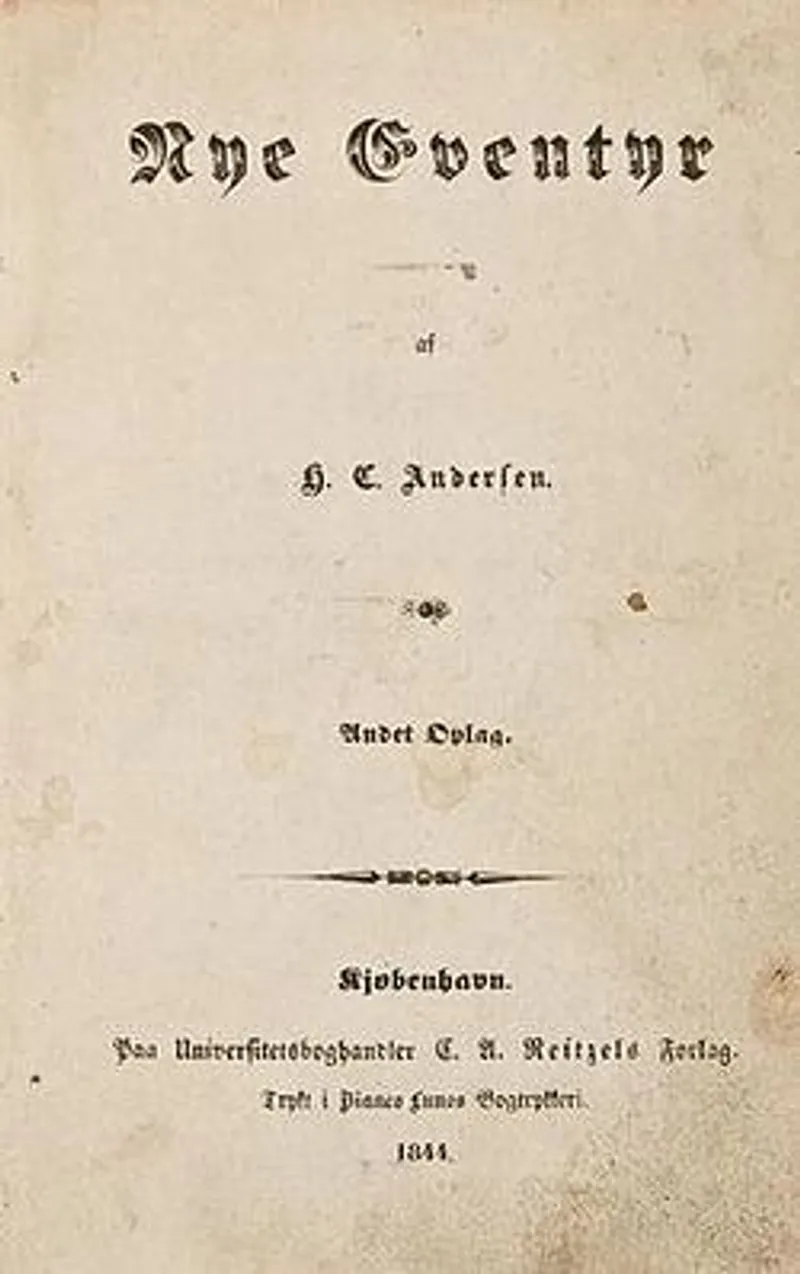
Matthew Bourne’s contemporary ballet reinterprets the story’s themes of obsession and the price of artistic ambition. (Image credit: Matthew Bourne’s New Adventures)“The Red Shoes” was first published in the 1845 collection Nye Eventyr (New Fairy Tales).
The story is about a young girl, Karen, who becomes obsessed with a pair of red shoes she sees, but, because she is very poor, she can only buy a roughly-made version of them. Her mum dies, and Karen is adopted by a rich lady. Karen becomes spoiled, and is given a beautiful pair of red shoes — a luxurious version of the previous pair. Karen wears them to church, which isn’t appropriate, and she gets told off by an old lady. During the ceremony, she’s thinking of the shoes, not God. A mysterious soldier taps her shoes, complimenting them, and says “never come off when you dance”. Eventually, her adoptive mother dies, too. Instead of going to the funeral, Karen goes dancing: it’s like the shoes are controlling her.
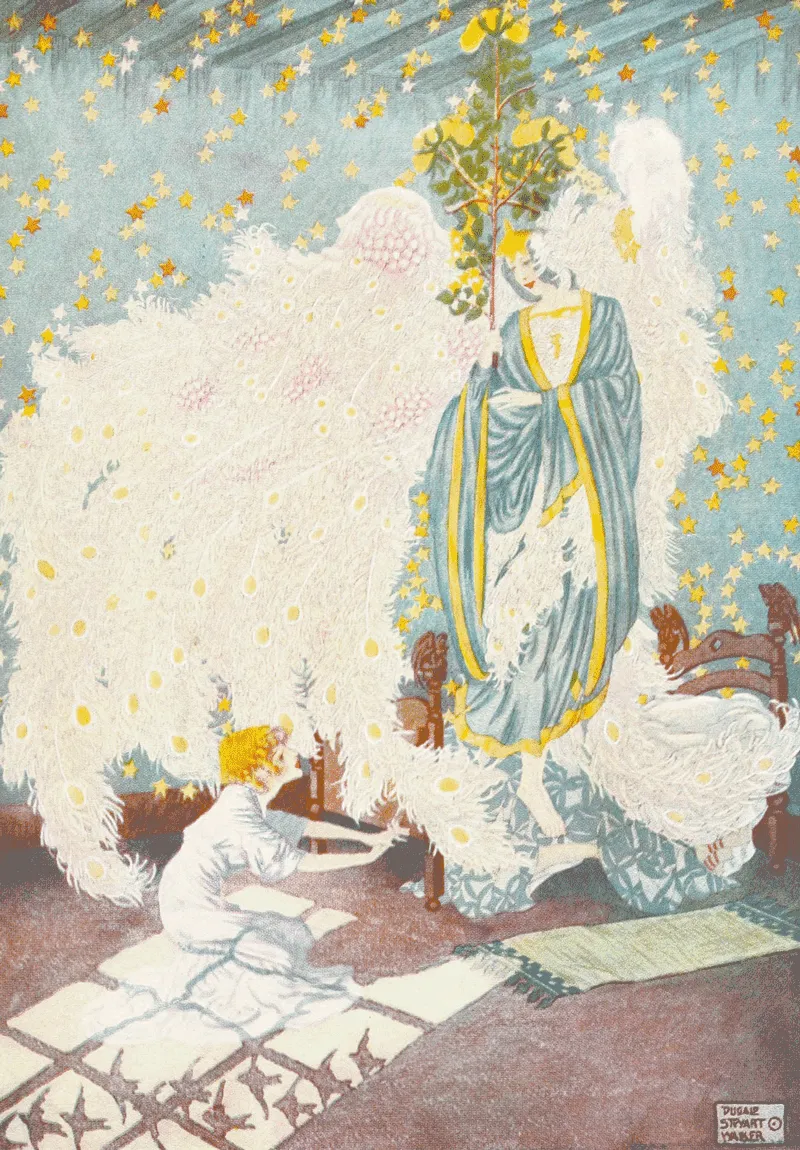
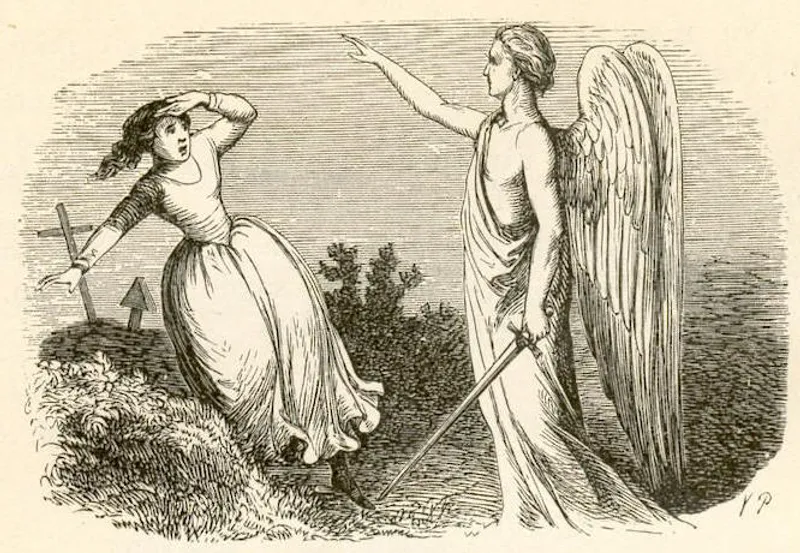
An angel appears, holding a sword, and tells her to never stop dancing; that she’ll dance until she dies. She’s being punished for her vanity and frivolity. The girl can’t stop dancing, she’s going mad. She finds an executioner and asks him to chop off her feet — which he does. The shoes go on dancing with the amputated feet, but Karen is relieved. She tries going to church on Sunday — presumably to show everyone that she has learnt her lesson — but the dancing shoes won’t let her in. She stays home, praying. The angel comes back, holding roses this time, and turns her room into the church so she can attend. Karen is so happy and her heart is so full of light that it bursts. She dies, and her soul goes to heaven — where no one mentions the red shoes. She’s at peace.
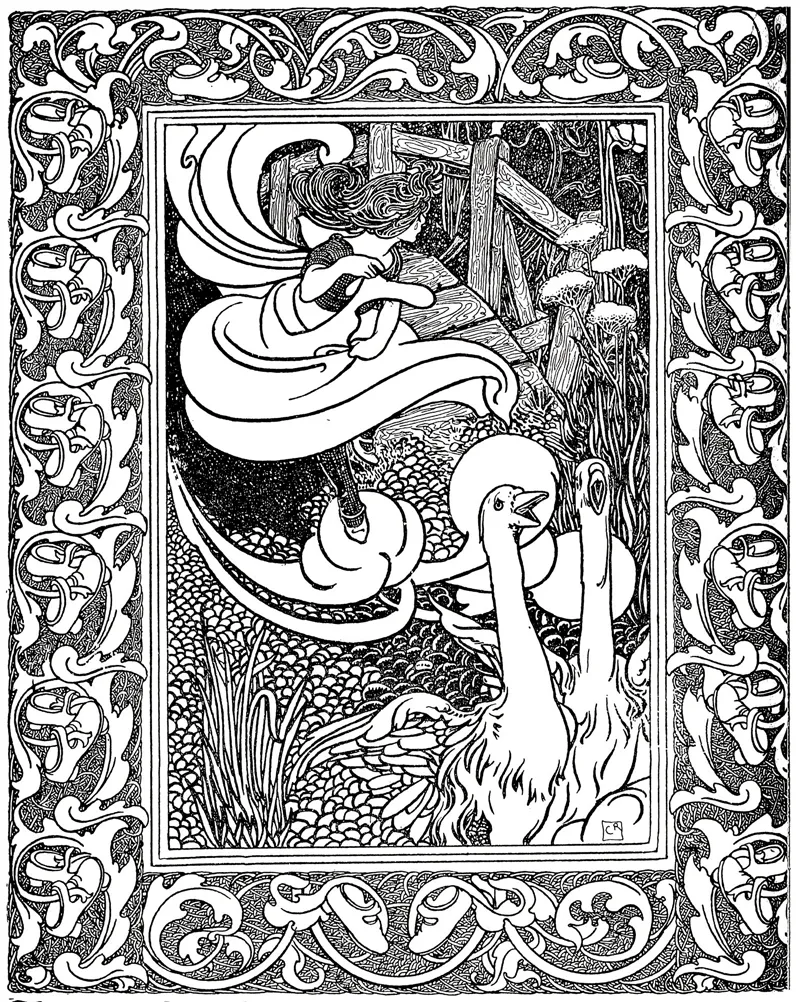
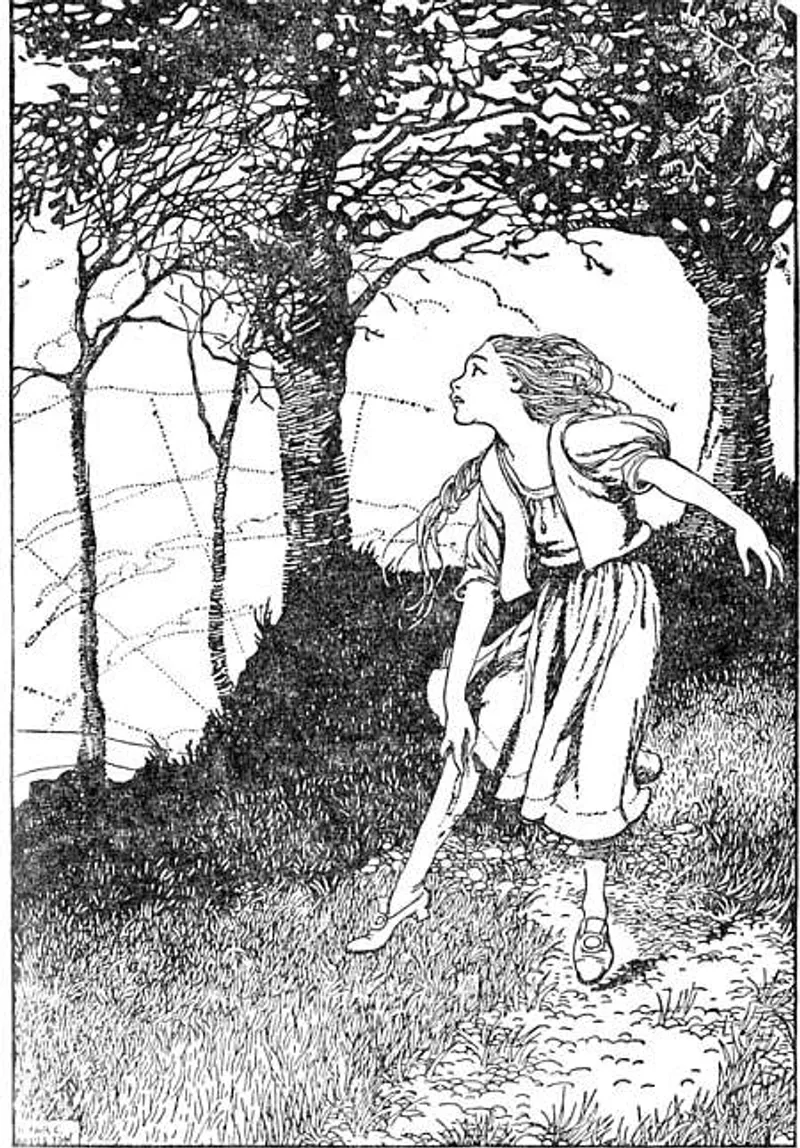
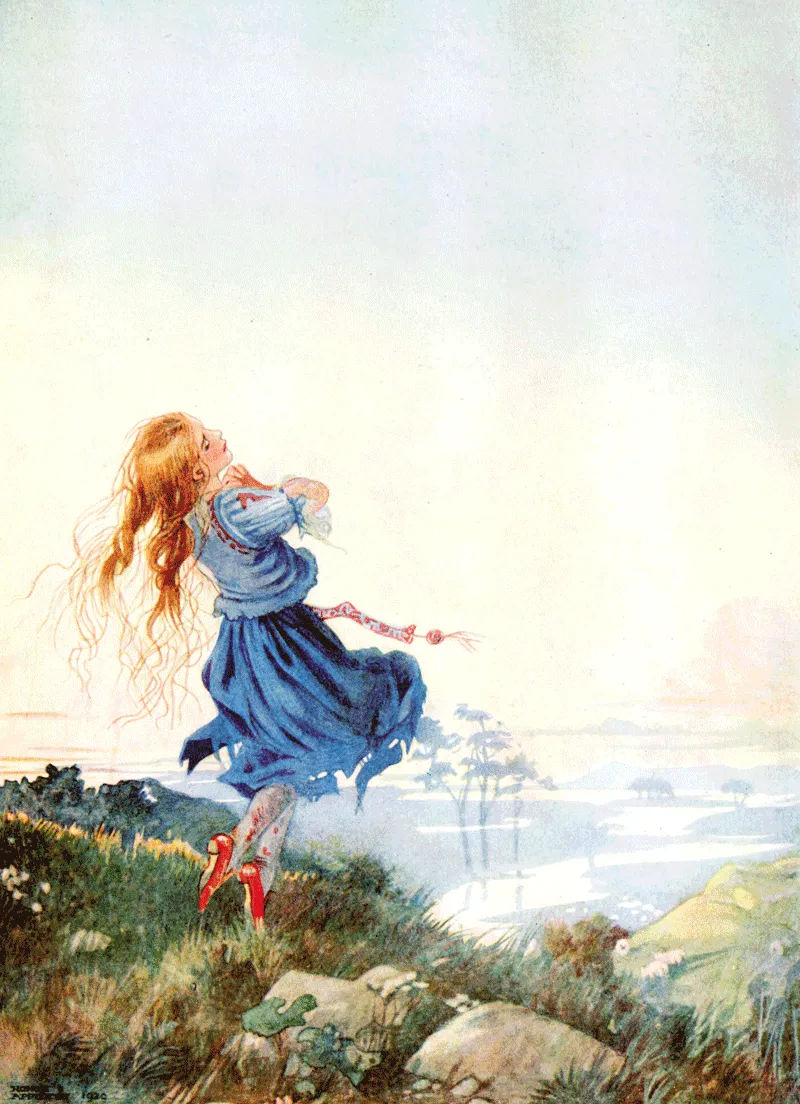
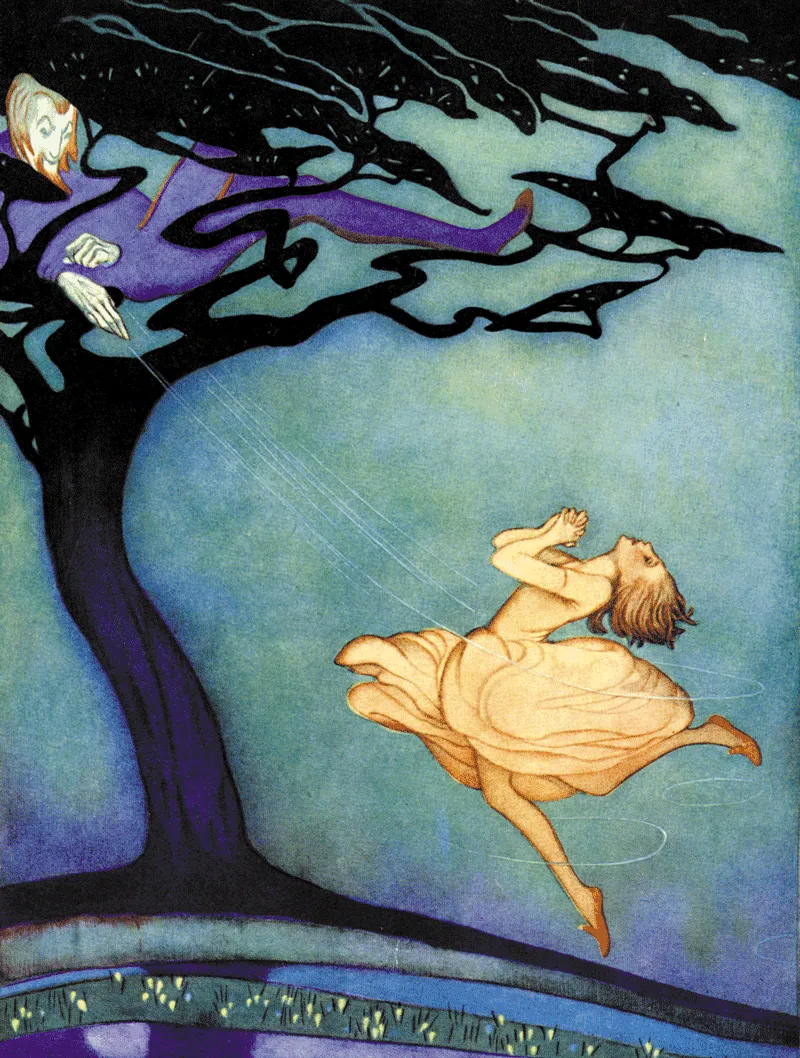
Karen’s vanity separates her from the church and her community. (Image credit: Charles Robinson)An angel with a flaming sword appears to Karen, condemning her to dance until she withers.Karen dances uncontrollably through the woods. (Image credit: Honor C. Appleton)Karen dances endlessly across a rugged hillside, her stockings torn and stained from the curse of the red shoes. (Image credit: Honor C. Appleton, 1920)
Andersen’s Red Shoes
This is a story about vanity and social class, and Andersen’s own family. Andersen’s father was a shoemaker, and there’s a story of him receiving a commission to make silk red shoes for dancing by a wealthy lady who wasn’t impressed by the result. His father was furious and cut up the shoes in front of her. This class conflict — the humiliation of the artisan by the wealthy — is inverted in the story, where the poor girl Karen aspires to the red shoes (a symbol of wealth) and is destroyed by them.
Andersen also had a half-sister called Karen, who he didn’t like. While he ascended the social ranks, she remained a washerwoman. In his diaries and autobiography, Andersen wrote about how, for his confirmation at church when he was a boy, his parents had bought him his first pair of boots. He was so proud of them that he tucked his trousers inside, so everyone could admire them. During the service, he was thinking about people admiring his boots rather than God, which made him guilty afterwards.
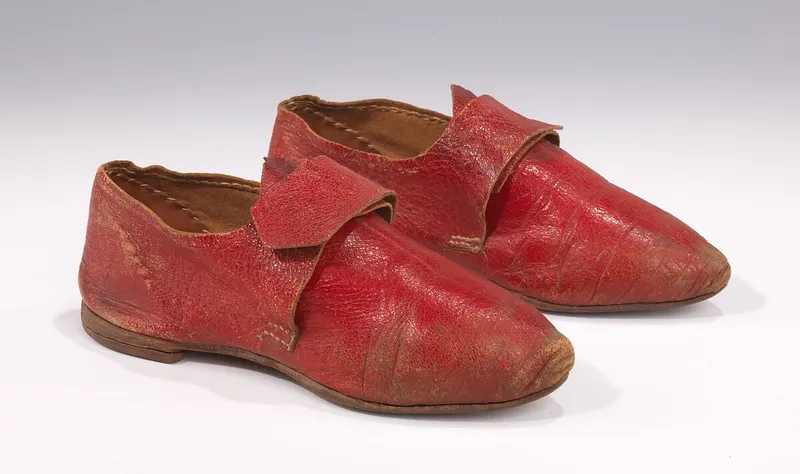
A fashion plate from the 1840s illustrating the style of red shoes that inspired Andersen’s tale of vanity and class aspiration.Andersen’s personal anxieties and religious upbringing deeply influenced the moral structure of “The Red Shoes”. (Image credit: Georg E. Hansen)Jackie Wullschläger’s definitive biography explores the psychological dimensions of Andersen’s fairy tales.
Biographers like Jackie Wullschläger suggest that the “Karen” in the story represents a dark double for Andersen: the part of his family and past he wished to cut off, just as Karen’s feet are amputated in the story. I don’t know if he intended this as a cruel caricature or if it was an expression of guilt, perhaps over his faltering faith or over leaving Karen behind.
Vanity, Punishment, and the Dancing Shoes
Andersen’s 19th-century Denmark, with its strict form of Lutheran Christianity, emphasised humility. Vanity was a spiritual danger, not just a character flaw. Karen’s sin is wanting to rise above her station. She’s breaking social norms. When the executioner cuts off her feet, he is cutting off the source of her vanity, and saving her soul. Karen needs to be punished — and punishment is a big theme for Andersen, just think of The Little Mermaid.
But we could also read the shoes as a symbol of female sexuality or puberty (there are parallels to be made with Little Red Riding Hood here). Karen loses control of her body once she’s wearing them. She can’t stop dancing. Maybe this reflects 19th-century anxieties about female independence? Is female sexuality something dangerous, that needs to be “cut off”, controlled by patriarchal authority, symbolised by the angel and the executioner?
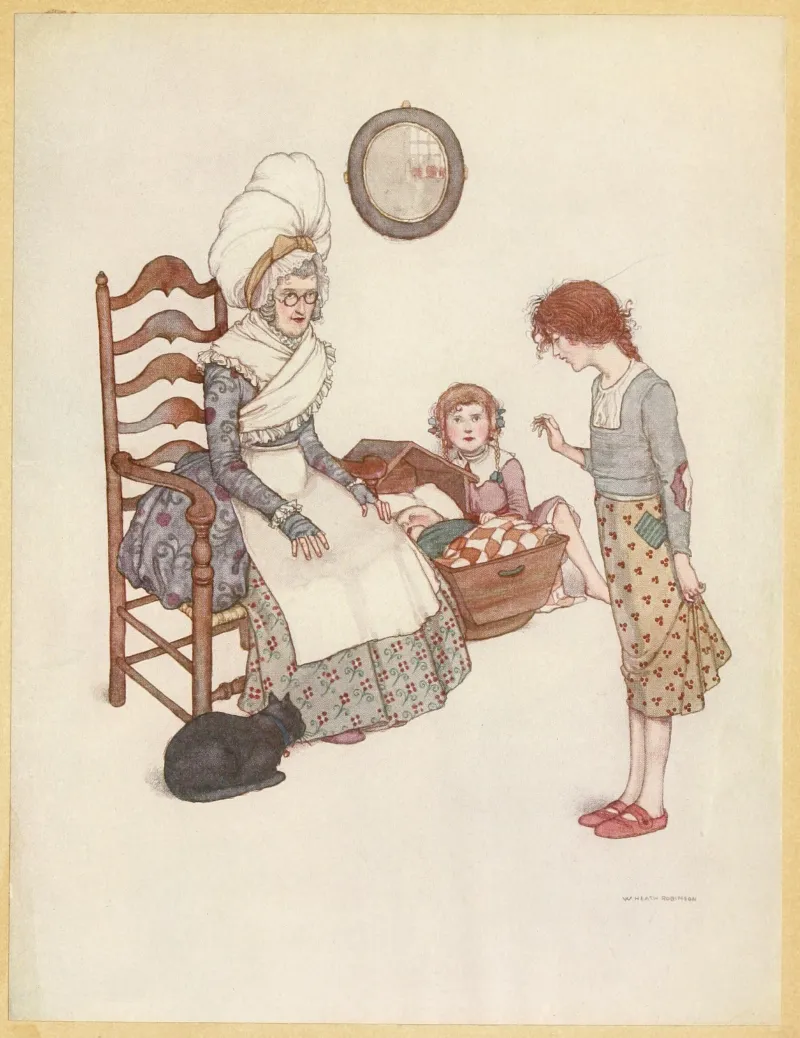
Karen’s vanity overtakes her sense of social propriety. (Image credit: William Heath Robinson, 1913)The dangerous allure of material beauty in Jennie Harbour’s elegant, Art Deco-influenced illustration. (Image credit: Jennie Harbour)Karen’s obsession with her red shoes leads to public humiliation and divine punishment, c. 1879. (Image credit: MeisterDrucke)Karen’s exhaustion as the shoes force her to dance through thorns and over graves. (Image credit: Dugald Stewart Walker)
Although Karen is punished in the story, we can imagine that Andersen must have related to her. He enjoyed fame and attention, and he was climbing the social ladder. Could the story be an externalisation of this fear that his artistic ambition — represented by the dancing — was sinful, and that his vanity would lead to his damnation? Is this a story about the conflict between artistic, worldly vanity (the shoes) versus pious humility (the church), resolved through violent self-abnegation?
I’m not sure, but I think this story, like all good fairy tales, leaves a lot of room for interesting discussions. As for Matthew Bourne’s ballet… It’s good, but it’s a different story altogether. And I prefer Andersen’s tale.
References
Andersen, Hans Christian. The Fairy Tale of My Life (Danske: Mit Livs Eventyr), 1855.
Andersen, Hans Christian. The Diaries of Hans Christian Andersen. Selected and translated by Patricia L. Conroy and Sven H. Rossel, University of Washington Press, 1990.
Further Reading
Wullschläger, Jackie. Hans Christian Andersen: The Life of a Storyteller. Allen Lane, 2000.
Bredsdorff, Elias. Hans Christian Andersen: The Story of his Life and Work 1805–75. Phaidon, 1975.
Zipes, Jack. Hans Christian Andersen: The Misunderstood Storyteller. Routledge, 2005.
Mylius, Johan de. The Voice of Nature in Hans Christian Andersen’s Fairy Tales. Odense University Press, 1989.
Lederer, Wolfgang. The Kiss of the Snow Queen: Hans Christian Andersen and Man’s Redemption by Woman. University of California Press, 1986.

 Dr Julia Martins
.DqvgvUgZ_Z1A0QGr.webp)

.DGxzOI5T_Z2nR1z5.webp)