 Dr Julia Martins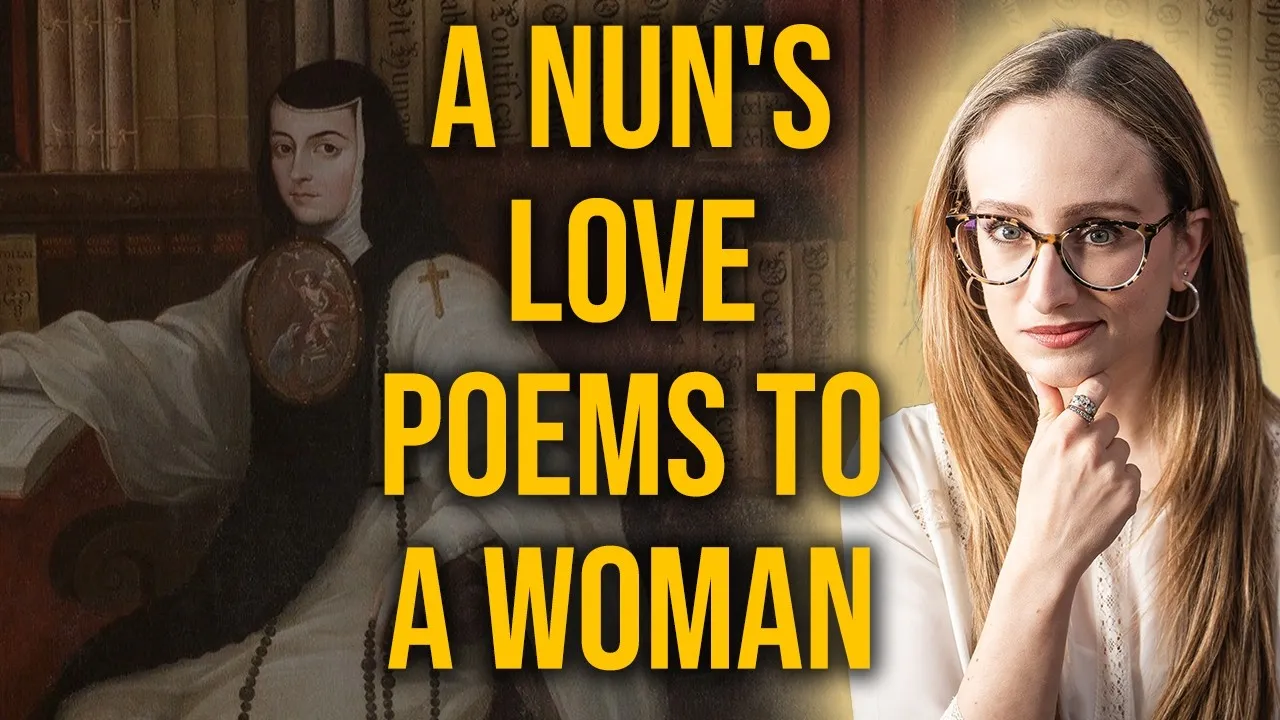
Was
The Nun and the Vicereine
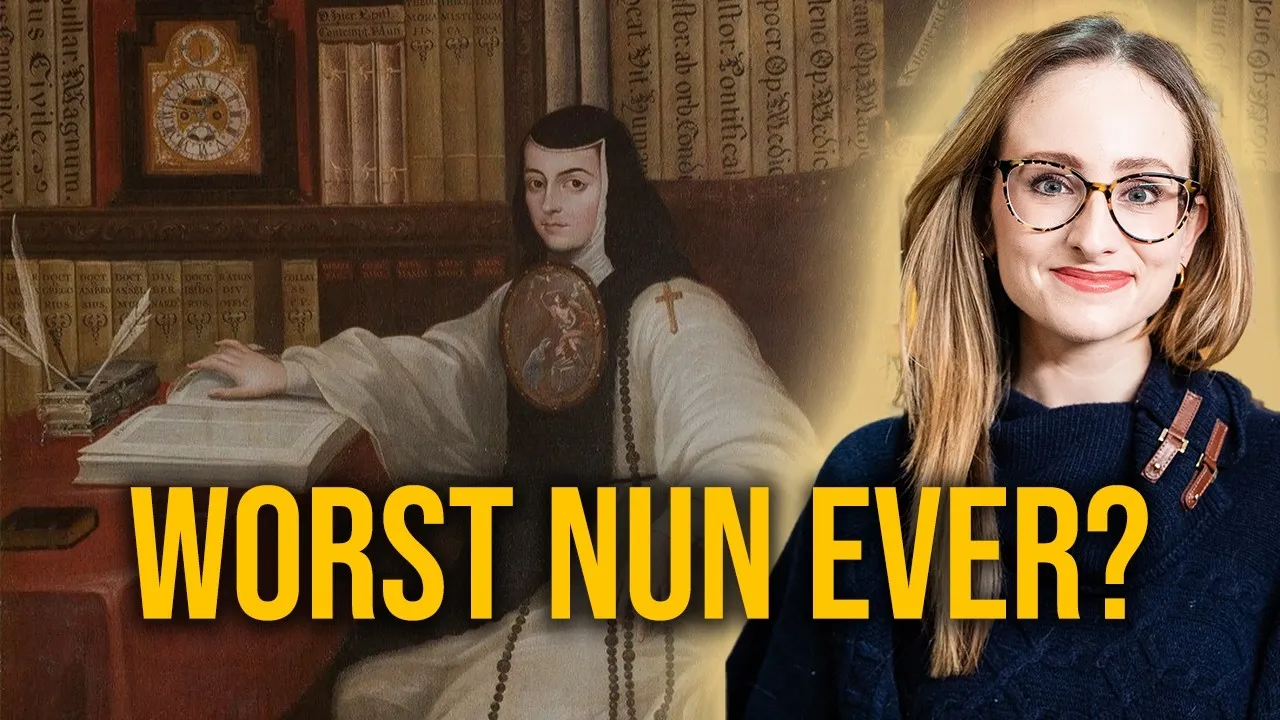
Sor Juana’s life in the Convent of San Jerónimo in Mexico City was defined by her relationship with the viceregal court. She was not a recluse in the desert; she was a celebrity. That was why she had left the Carmelite convent she had originally joined — it prevented her from being a part of society outside of the convent. Her new convent was a salon, visited by intellectuals, poets, and nobility.
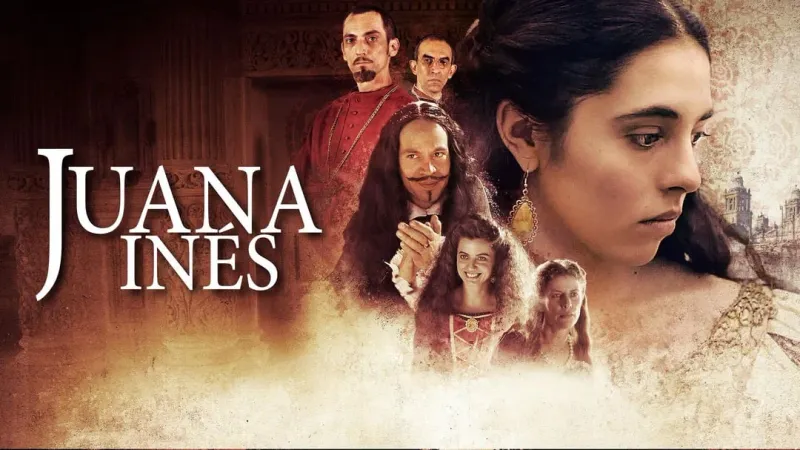
Among these visitors, two women stand out: the Vicereines. The first, Leonor Carreto, arrived in New Spain with her husband, the Viceroy, in 1664, and the couple stayed there until 1673. Leonor is usually depicted as a mother figure to the young Juana (though the 2016 Netflix series Juana Inés suggests there was more to it, with the Vicereine developing homoerotic feelings towards Juana). Juana had served the Vicereine and was beloved by her before embracing religious life. Leonor protected her and supported her, and Sor Juana dedicated poems to her, as it was common for writers to do with their patrons, calling her “Laura” in these poems. So far, nothing too unusual.
The second Vicereine,
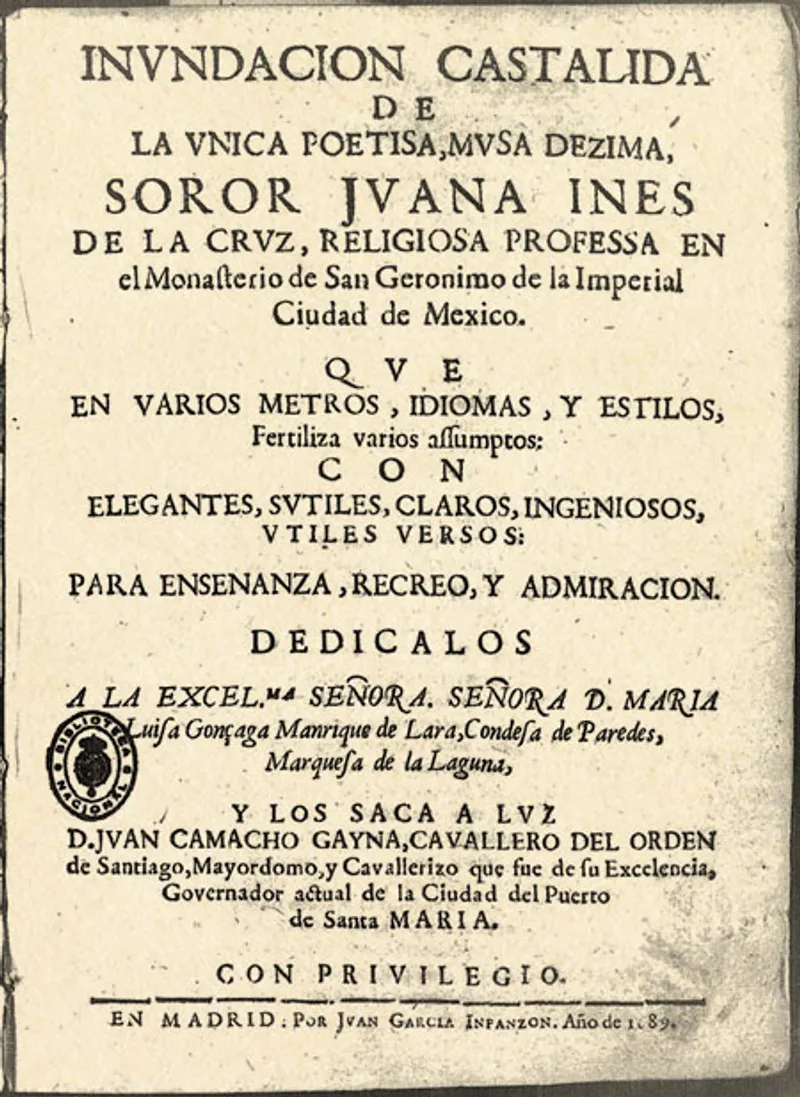
This patronage is historically very well documented. The emotional texture of their relationship, however, lives in the poetry. Sor Juana wrote dozens of poems for
The Poetry
Thinking about Sor Juana’s poems to Lisi, these are not formal verses to a superior as you might expect. These poems are alive; they’re desperate, and they occasionally hint at what feels like genuine physical longing. And yet, not everyone agrees.
If we look at the primary sources, the ambiguity that some scholars claim exists often seems to evaporate. The language is unequivocally the language of love. Just listen to this sonnet:
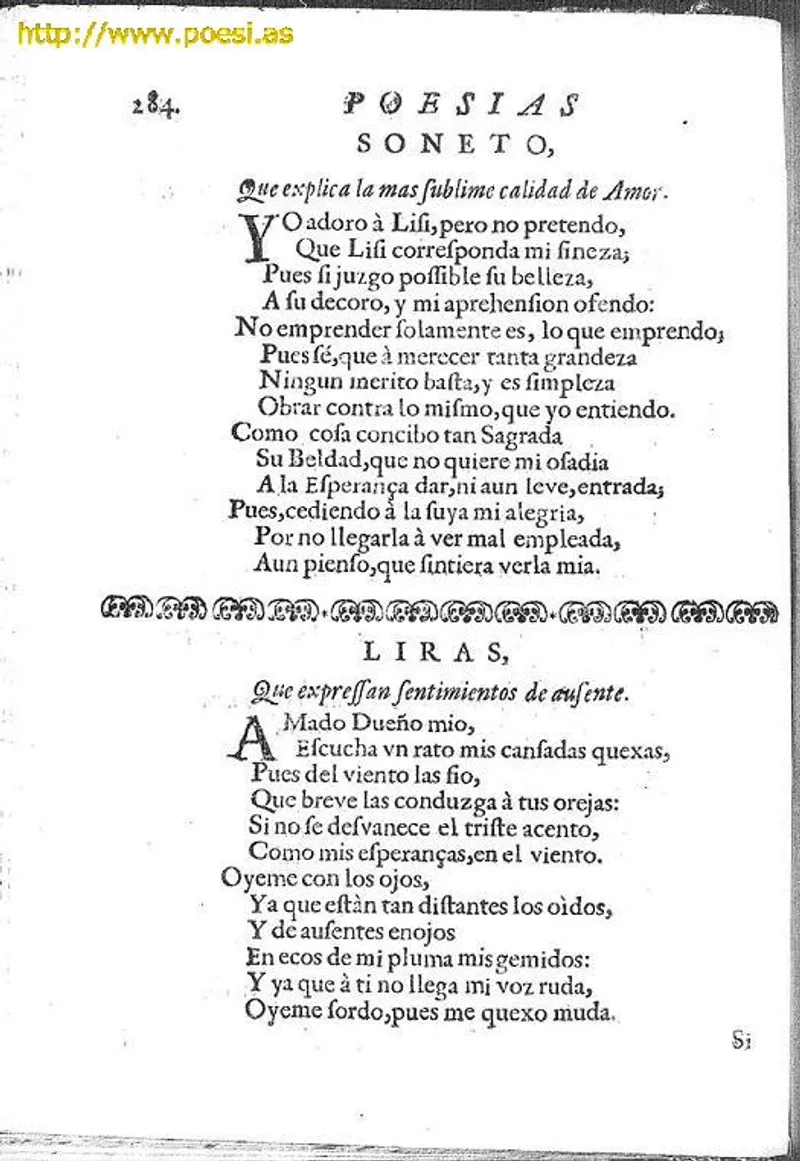
Yo adoro a Lisi, pero no pretendo / que Lisi corresponda mi fineza; / pues si juzgo posible su belleza, / a su decoro y mi aprehensión ofendo.
I adore Lisi, but I do not intend / for Lisi to reciprocate my finesse; / for if I judge her beauty as attainable, / I offend both her decorum and my apprehension.
— Sor Juana Inés de la Cruz, translated by Edith Grossman
Here, Sor Juana establishes a boundary. She adores Lisi, but she frames this love as impossible. She mentions “decorum” — social rules — as a barrier. This reads as a poem about adoration, about loving someone you can’t have.
Even more striking is the sonnet “Esta tarde, mi bien, cuando te hablaba” (This afternoon, my love, when I spoke to you). This poem is about a lovers’ quarrel, a moment of tears and misunderstanding:
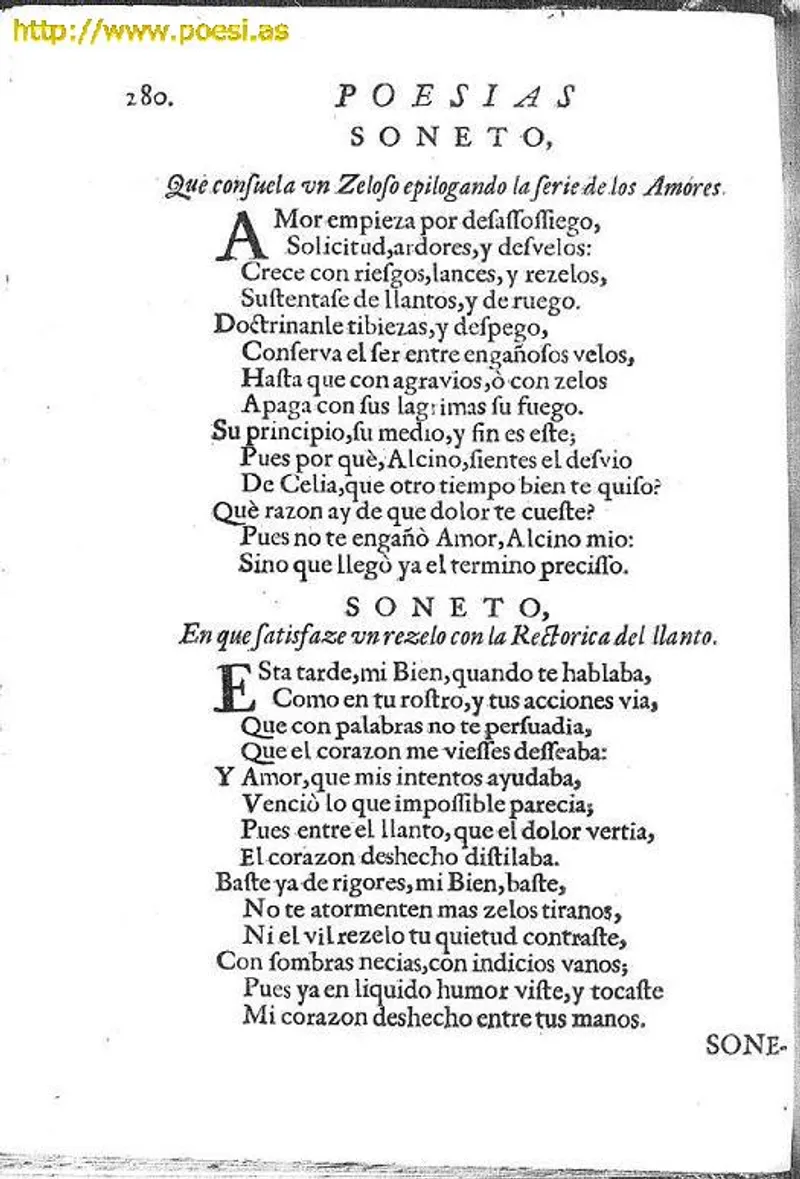
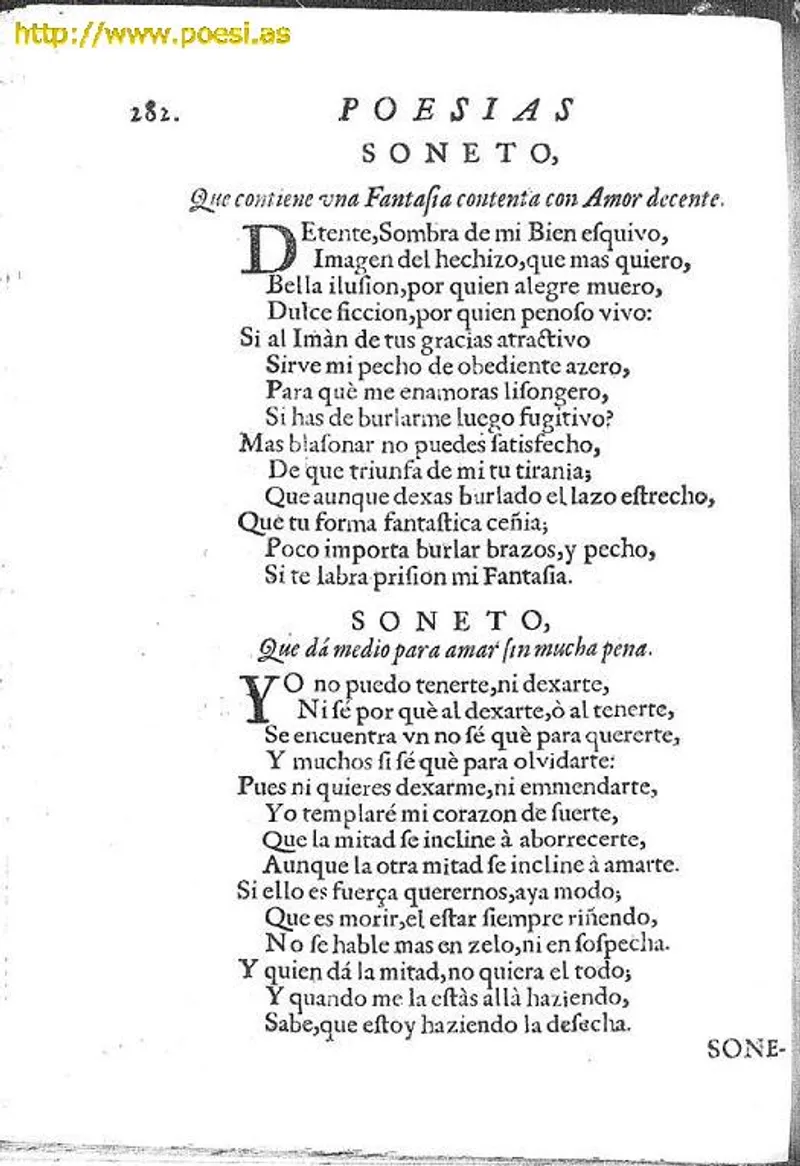
Pues ya en líquido humor viste y tocaste / mi corazón deshecho entre tus manos.
For in liquid humour [tears] you saw and touched / my heart undone between your hands.
Lisi isn’t explicitly mentioned here, but the poem is widely considered to be part of the Lisi cycle. In any case, this is a powerful image. The “liquid humour” probably refers to tears, and the tactile description — Lisi holding the poet’s “undone heart” in her hands — feels incredibly intimate. It implies a physical proximity and an emotional vulnerability that transcends the standard flattery of a courtier to a vicereine. It sounds like a woman speaking to a lover who has just seen her cry. (And the Netflix series embraces this interpretation of the two of them having a love affair.)
Yet some people have argued that just because Sor Juana is writing this, that doesn’t mean that this poetic persona is herself; she could be following the tradition of courtly love, and creating characters.
In her Romances (ballads), Sor Juana goes further, cataloguing and praising Lisi’s body — her eyes, her lips, her neck. In one poem, she playfully regrets that she is a woman because it prevents her from courting Lisi as a man would. She writes that she can only offer the “pure love” of the soul, yet she spends stanza after stanza detailing the physical form she supposedly ignores. You can see where the polemic comes from.
The Debate: Soul vs Body
You might be thinking: how is there a debate here? Clearly she’s in love with the Vicereine. I’m not an expert on Sor Juana, just someone who recently fell in love with her writing. So, let me tell you about the debate happening between scholars, which can be summed up as “soul vs body”, or a debate between the “Neoplatonists” and the “Revisionists”.
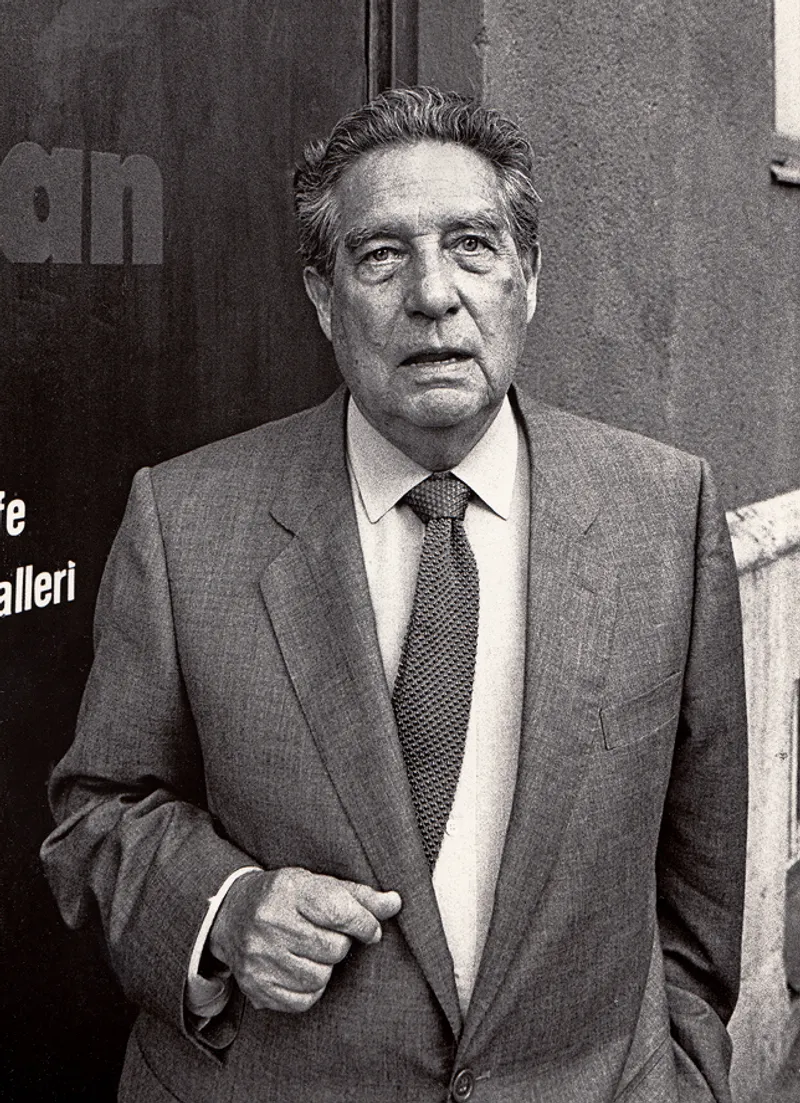
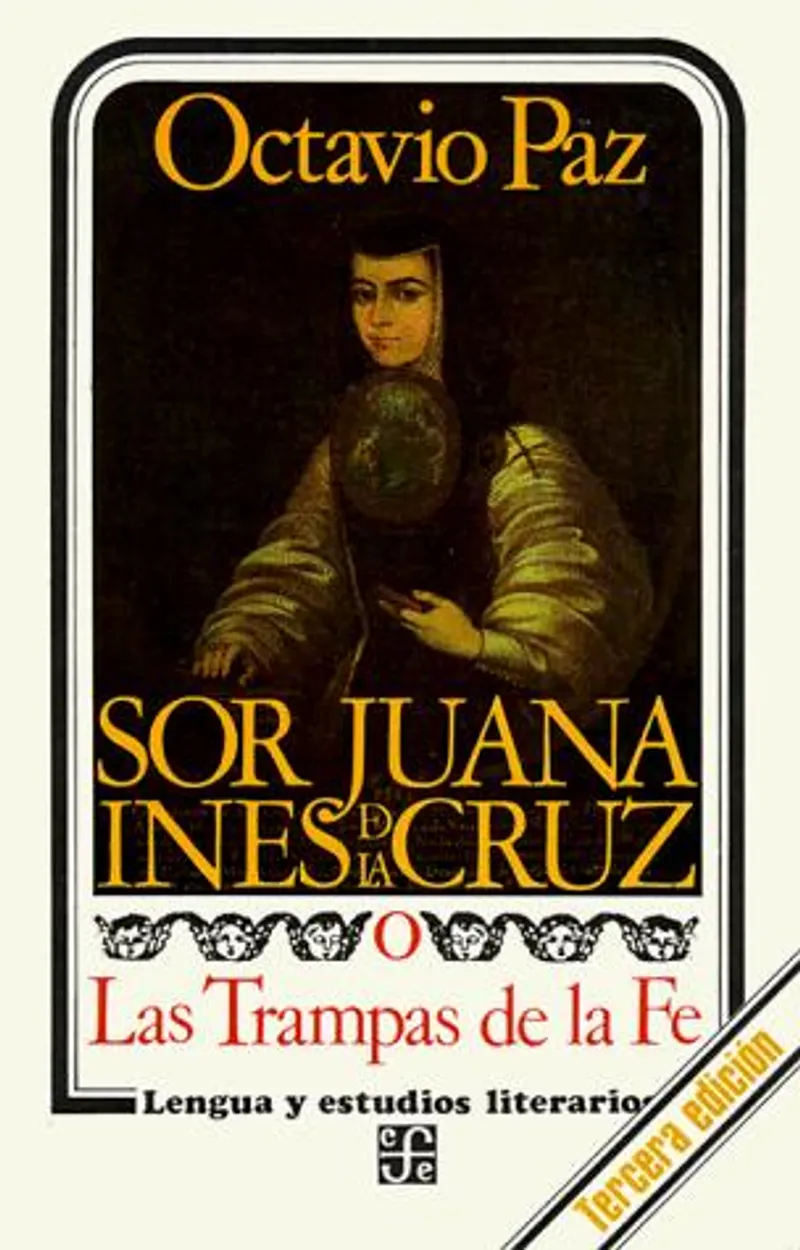
The titan of Sor Juana scholarship,
But here is the other camp, that allows for sapphic readings. Modern feminist scholars, such as Electa Arenal and Amanda Powell, challenge Paz’s dismissal. In their critical edition of The Answer/La Respuesta, they argue that dismissing the eroticism as “just a game” erases the reality of Sor Juana’s experience.
They point out that the convent was a homosocial space. Women lived, worked, slept, and prayed exclusively with other women. In such an environment, women were the primary source of emotional sustenance. To say that Sor Juana “didn’t really mean it” or was only thinking about the spiritual world when she wrote about her love for Lisi implies that women’s expressions of affection are inherently less real than men’s.
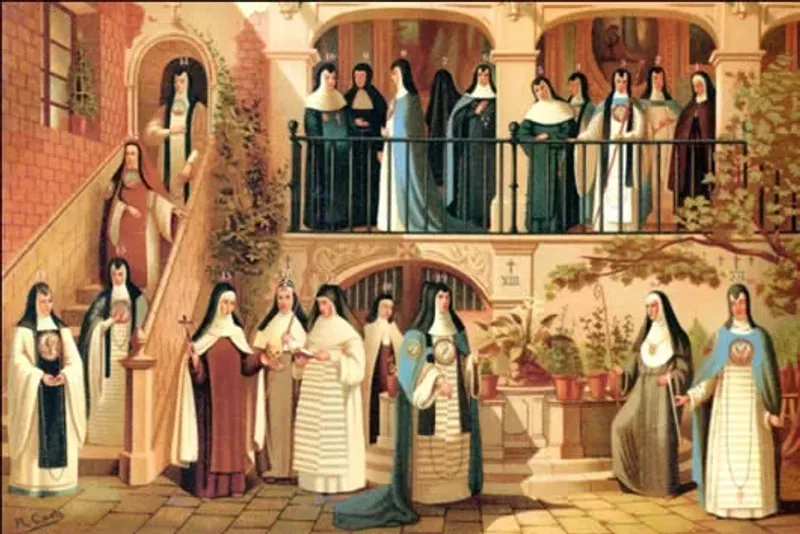
Plus, the “Neoplatonic” defence often relies on the idea that because the nuns (theoretically) could not have sex — due to grilles, guards, and status — the desire did not exist. This is a logical fallacy, I think. Even if a nun wasn’t having sex, desire exists independently of action. And this desire can be expressed through poetry. Also, some nuns did have sex.
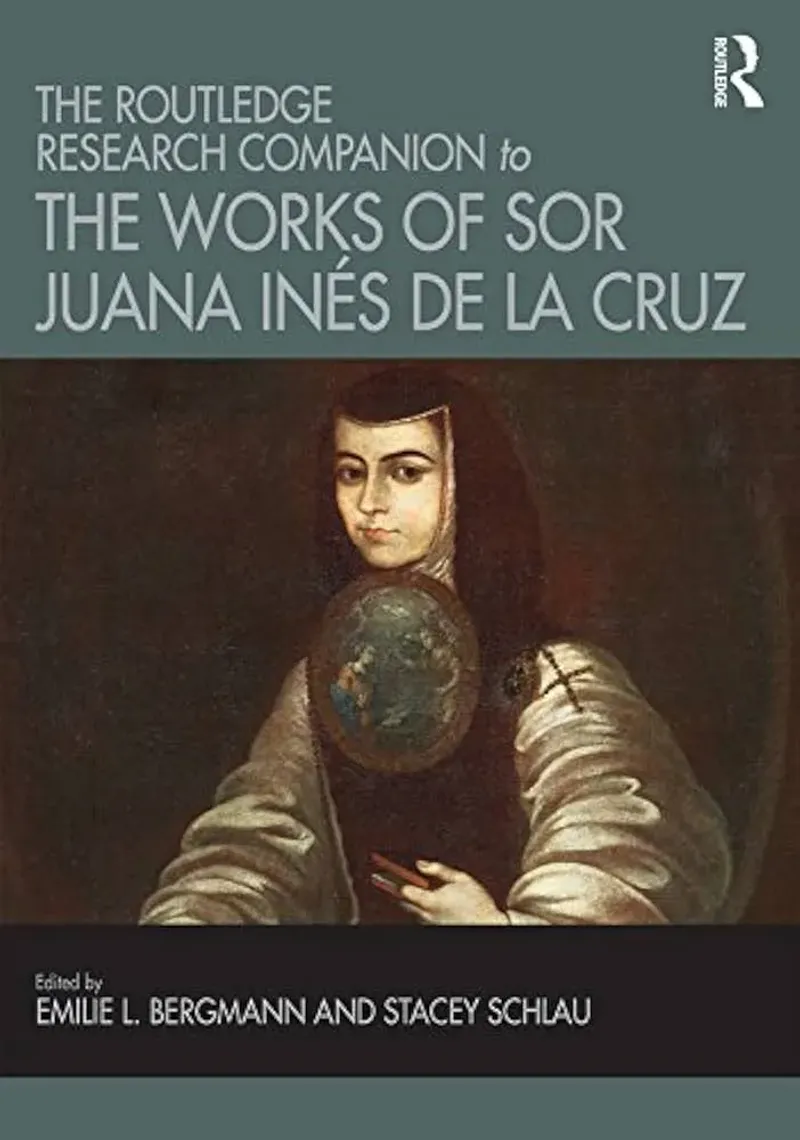
Scholar Emilie L. Bergmann also notes that Sor Juana constantly navigated the tension between the “masculine” voice of the poet and her own female identity. She rarely completely hides that she is a woman writing to a woman. She plays with the gender roles, sometimes calling herself a man in verse, other times explicitly lamenting her female state. This playfulness (which can also be seen in the plays she wrote) suggests she was fully aware of the transgressive nature of her words.
What Can We Make of It?
Historians can only interpret the sources available, and complement them with what we know about the context of the time. I think there are two traps that we need to avoid here. The first is the modern projection — assuming that Sor Juana would identify as a “lesbian” in the 21st-century sense. The way people understood their bodies, sexualities, and identities was very different in the past, and we have to keep that in mind. Sor Juana would have viewed her world through theology and hierarchy, not sexual orientation the way we would.
The second trap is the historical erasure — assuming that just because she was a nun, her expressions of love were purely metaphorical. Historians working with queer history have to navigate these issues, and things can be particularly tricky with female homosexuality, which tended to be ignored or trivialised by male authorities, provided it did not involve “usurpation of the phallus” (using tools to simulate heterosexual sex).
Some scholars argue that this invisibility paradoxically created a space of safety, in which Sor Juana could write these things to
Reading these poems, they give me the impression of a very intense passion. Whether that passion was ever physically consummated is probably impossible to know, and it’s almost beside the point. When we read the “Lisi” poems today, I think we are witnessing a woman carving out emotional freedom within a cage. Sor Juana chose the convent to escape the servitude of marriage and to have the time and space to read and learn. She rejected the idea that she existed to serve a husband. In
The 1990 film about Sor Juana, I, the Worst of All (Yo, la peor de todas), directed by María Luisa Bemberg, focuses a lot on that aspect of their relationship, by the way.
To call these poems “sapphic” is not an insult, nor is it necessarily an anachronism if we use the term to mean “woman-centred eroticism”. I think that, as 21st-century historians, we have to be very careful with how we interpret someone like Sor Juana. She was an incredibly interesting character and author, and I’ve only scratched the surface in these two articles. Personally, what I love about reading her works the most is how she reminds us of how complex humans can be, how brave, and how bold.
References
Sor Juana Inés de la Cruz, Obras completas, ed. by Alfonso Méndez Plancarte (1951).
Sor Juana Inés de la Cruz, Poems, Protest, and a Dream: Selected Writings, translated by Margaret Sayers Peden (1997).
Electa Arenal and Amanda Powell (eds.), The Answer/La Respuesta: Including a Selection of Poems (1994).
Emilie L. Bergmann, “Sor Juana Inés de la Cruz: Dreaming in a Double Voice”, Women, Culture, and Politics in Latin America (1992).
Yolanda Martínez-San Miguel, Saberes americanos: subalternidad y epistemología en los escritos de Sor Juana (1999).
Stephanie Merrim, Early Modern Women’s Writing and Sor Juana Inés de la Cruz (1999).
Octavio Paz, Sor Juana: Or, The Traps of Faith, translated by Margaret Sayers Peden (1988).
Nina M. Scott, “‘If you are not pleased to favor me, put me out of your mind…’: Gender and Authority in Sor Juana Inés de la Cruz”, Women’s Studies International Forum 11, no. 5 (1988): 429-438.