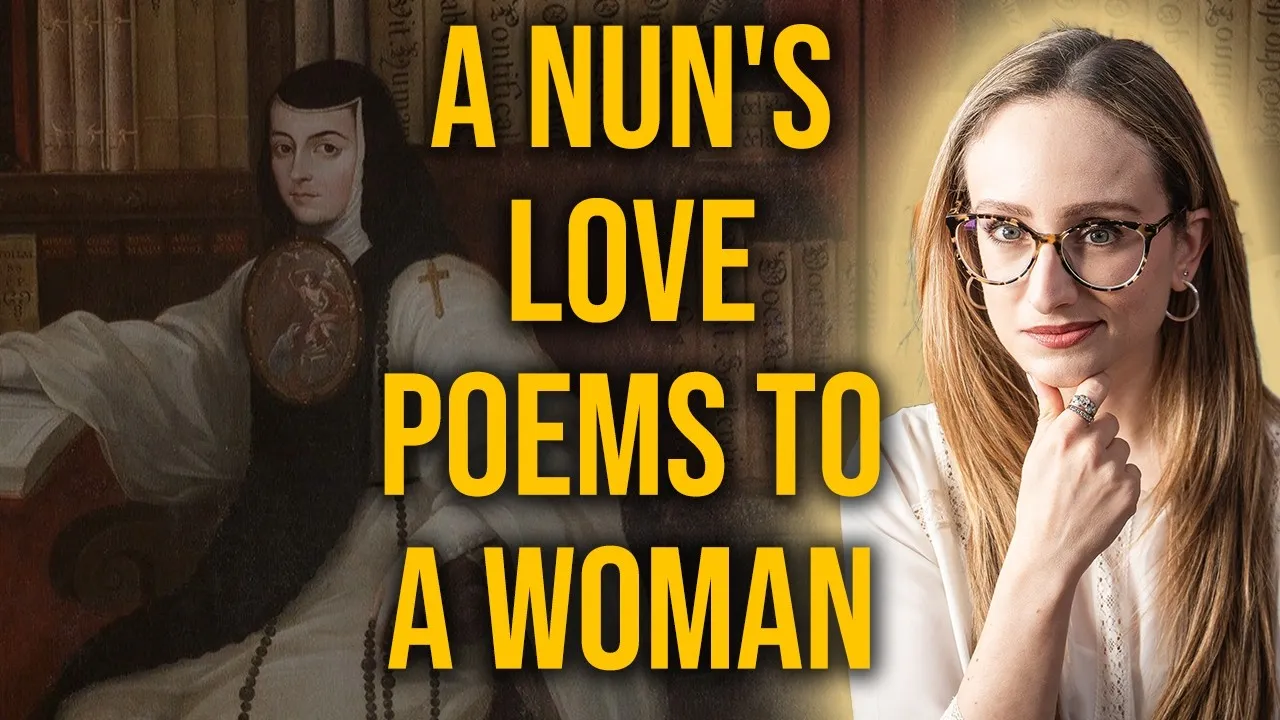
Was the "Worst Nun in History" in Love with a Woman?
Sor Juana's love poems to the Vicereine of New Spain are intense, intimate, and still debated by scholars centuries later.

Why The Secret Agent is the Most Important Brazilian Film Right Now
Two Brazilian historians explore Kleber Mendonça Filho's The Secret Agent and Brazil's unfinished reckoning with its military dictatorship.
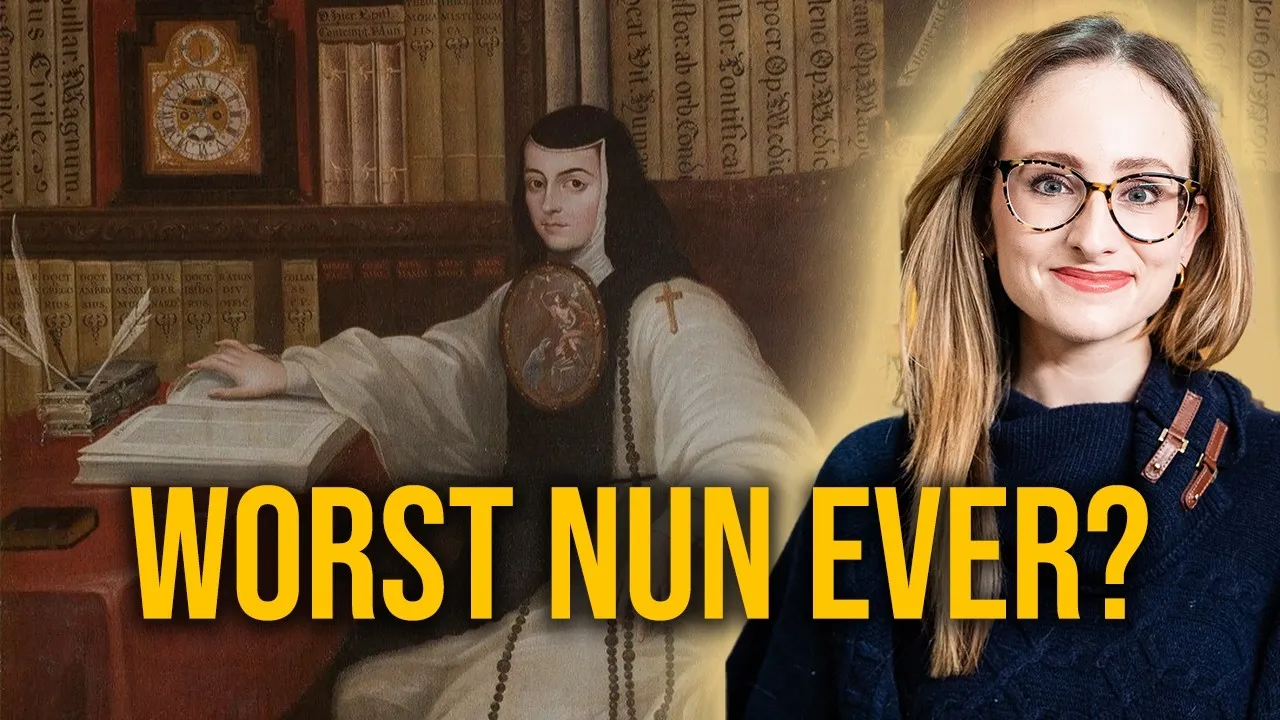
She Became a Nun Just to Avoid Marriage (and Read Books)
Meet Sor Juana Inés de la Cruz, the 'worst nun in history'—who chose the convent over marriage to build a library and defend women's right to learn.
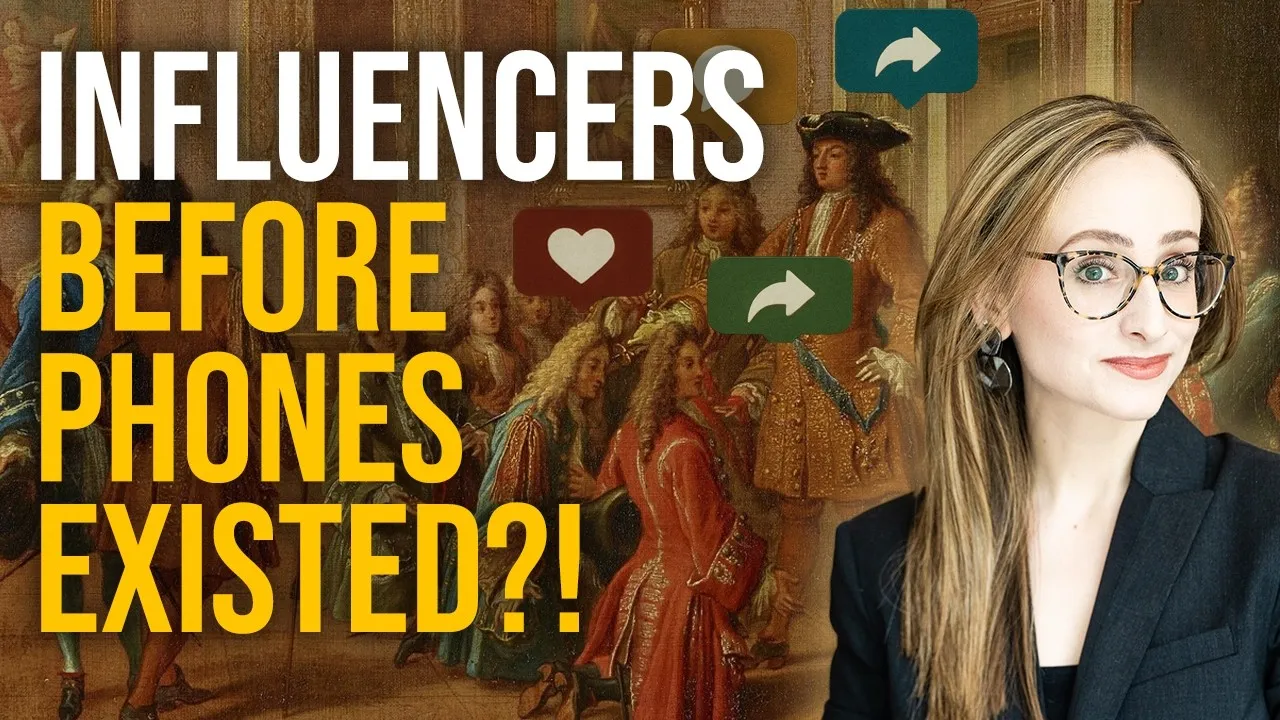
Before TikTok: History's ORIGINAL Influencers
From Versailles courtiers to Black dandies and salonnières—discover how history's original influencers shaped culture through self-fashioning.

How Latin America Shaped Germ Theory
Discover how Latin American scientists pioneered mosquito transmission theory and disease eradication—decades before European recognition.
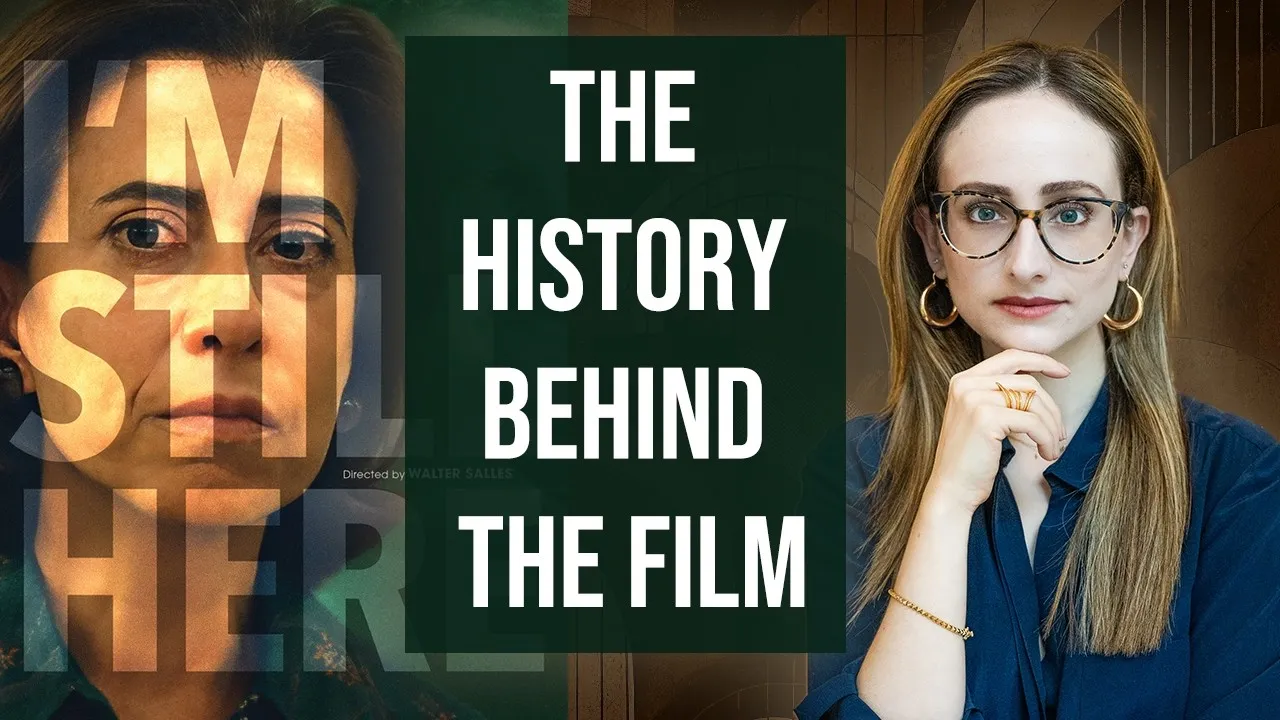
I'm Still Here: The History You Need to Know
Explore Brazil's military dictatorship (1964-1985), the story of Eunice Paiva, and the cultural resistance that shaped the film I'm Still Here.
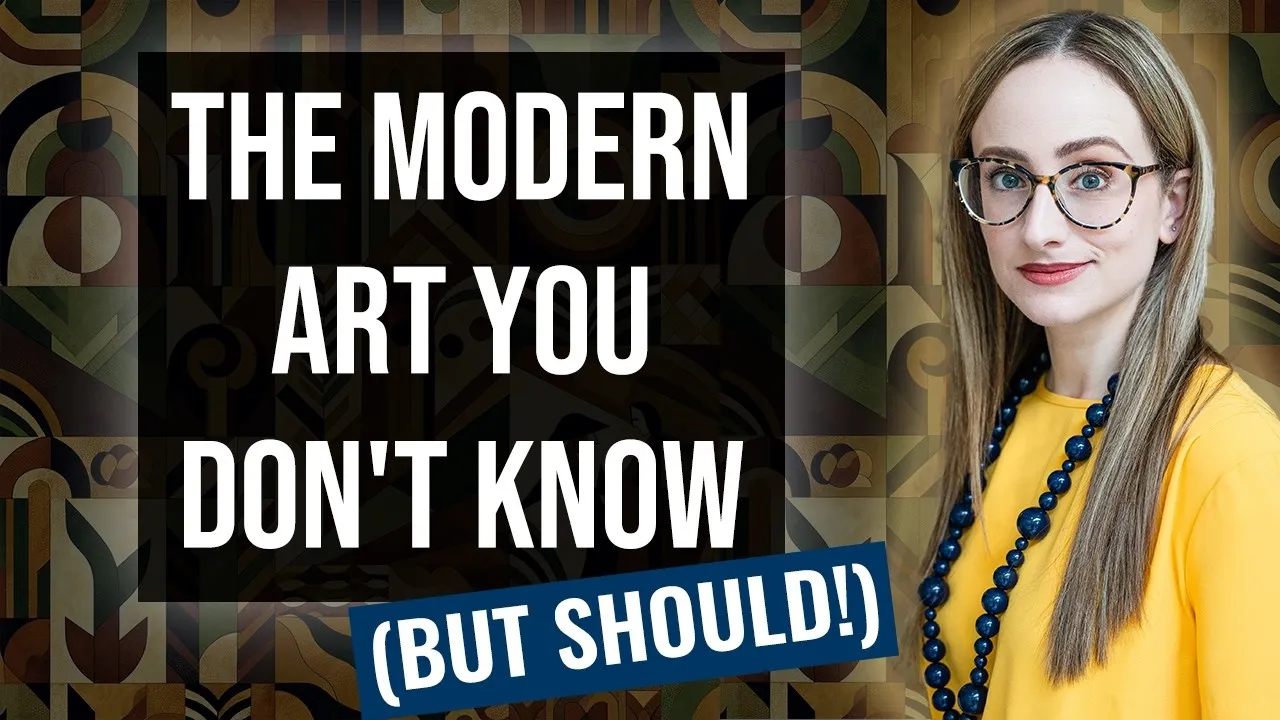
Abaporu and the Anthropophagic Movement: How Brazil Redefined Modern Art
Tarsila do Amaral's Abaporu became Brazil's most iconic painting. The story of the Anthropophagic Movement that 'devoured' European art and made it Brazilian.
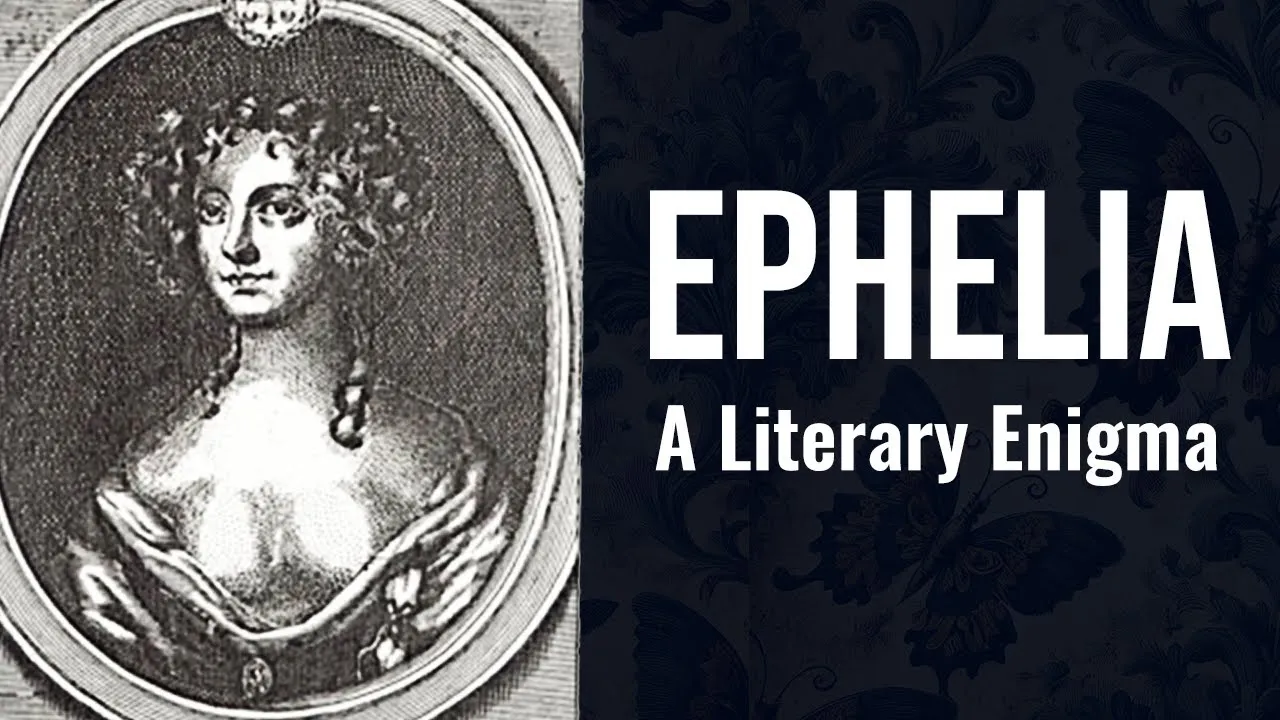
Ephelia: Unmasking a Seventeenth-Century Feminist Voice
Uncover Ephelia, the mysterious 17th-century poet who challenged gender norms with bold, erotic verse—was she Joan Philips or someone else entirely?
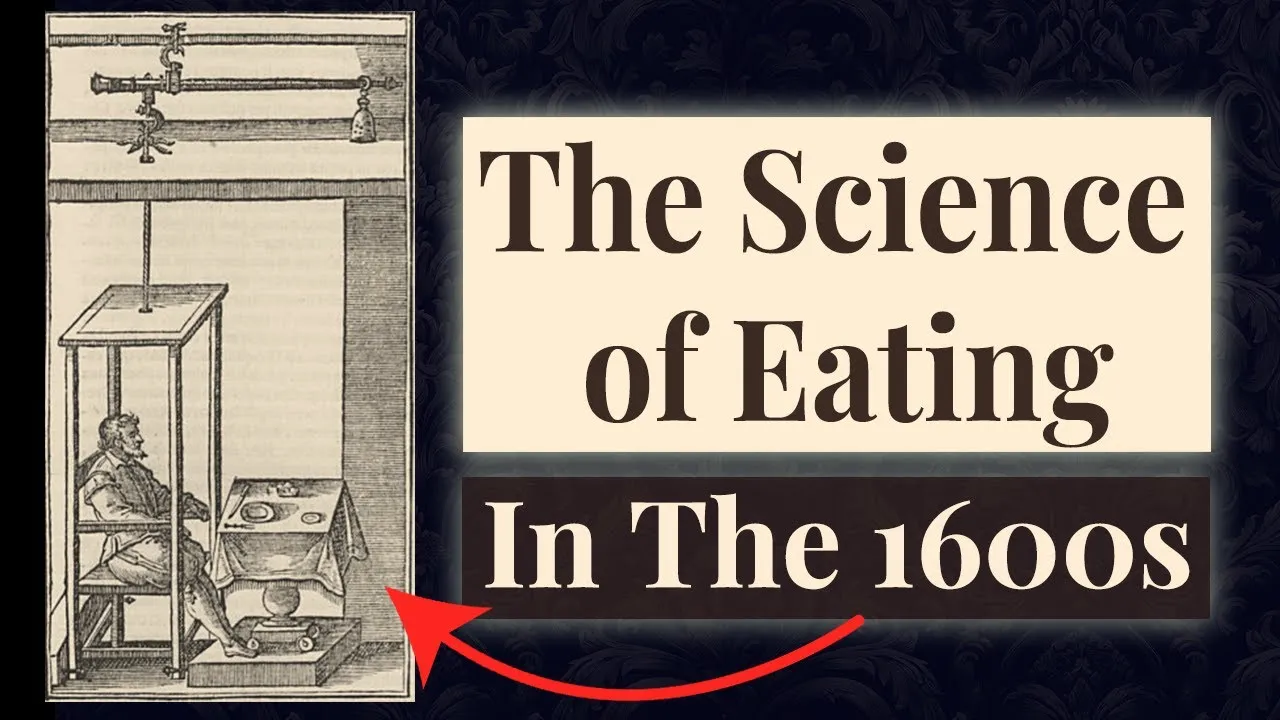
17th Century "Intuitive Eating": Paracelsus and Digestion
Discover how Paracelsian medicine revolutionized 17th-century diet advice, empowering people to trust their bodies over doctors' rules.
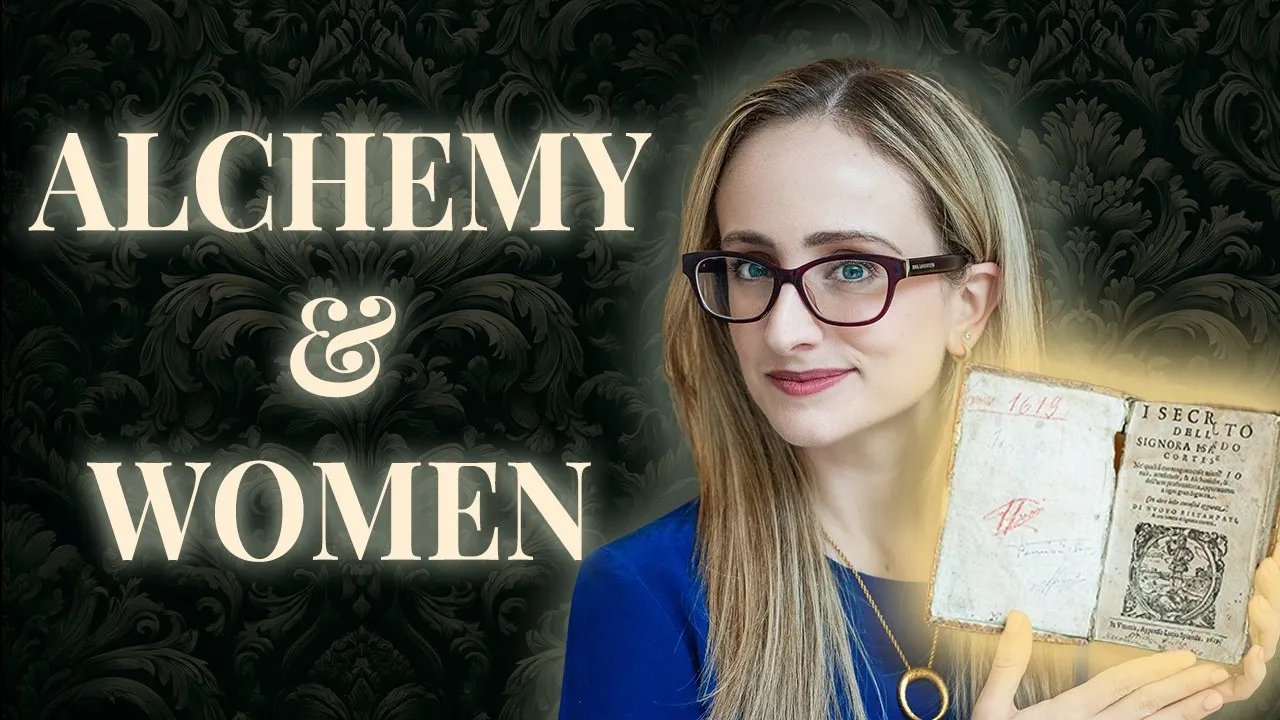
Alchemy in the Renaissance: The Mysterious Isabella Cortese
Uncover Isabella Cortese, the enigmatic 16th-century alchemist whose bestselling book challenged tradition and championed women's knowledge.
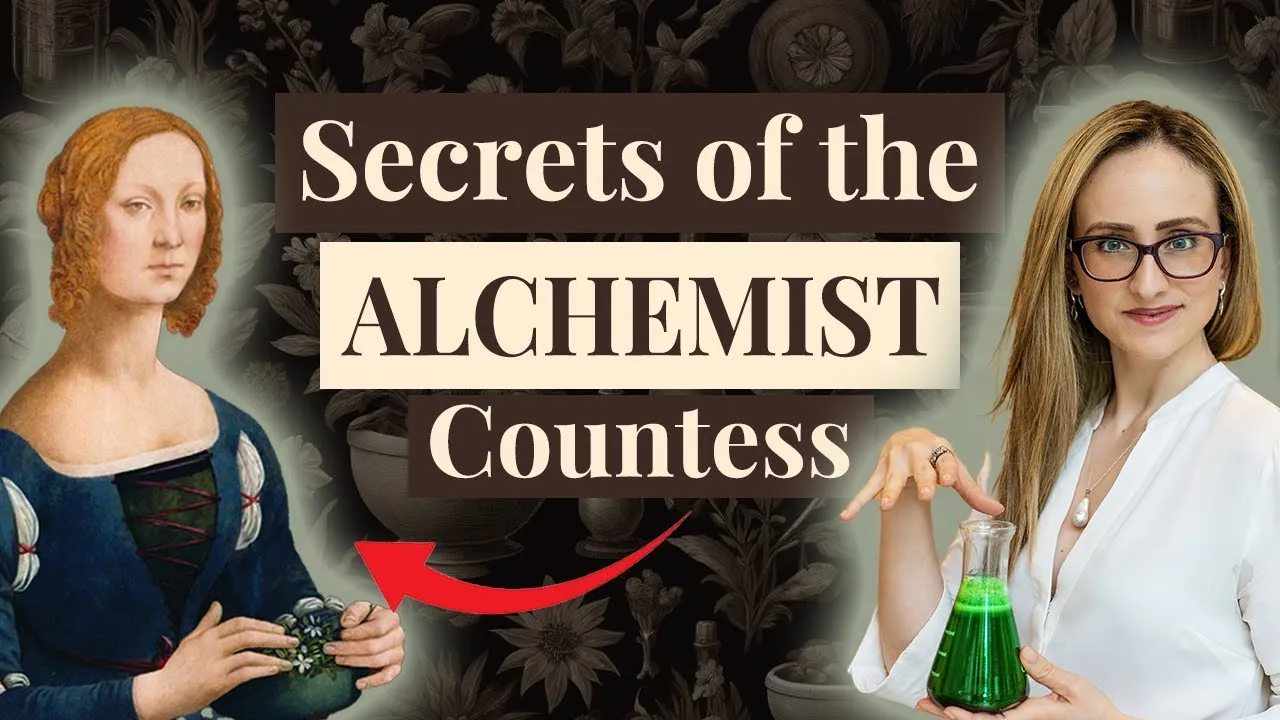
Caterina Sforza's Experiments: Alchemy, Medicine, and Power in Renaissance Italy
Caterina Sforza left behind over 450 recipes for medicines, cosmetics, and poisons. What her alchemical notebook reveals about Renaissance women and power.
5 More Brazilian Women Who Changed History
Meet Anita Garibaldi, Clarice Lispector, and three more remarkable Brazilian women who shaped history but remain largely unknown outside Brazil.
5 Brazilian Women Who Changed History
From a 17th-century warrior to a modernist painter — five Brazilian women whose contributions were overlooked for centuries.
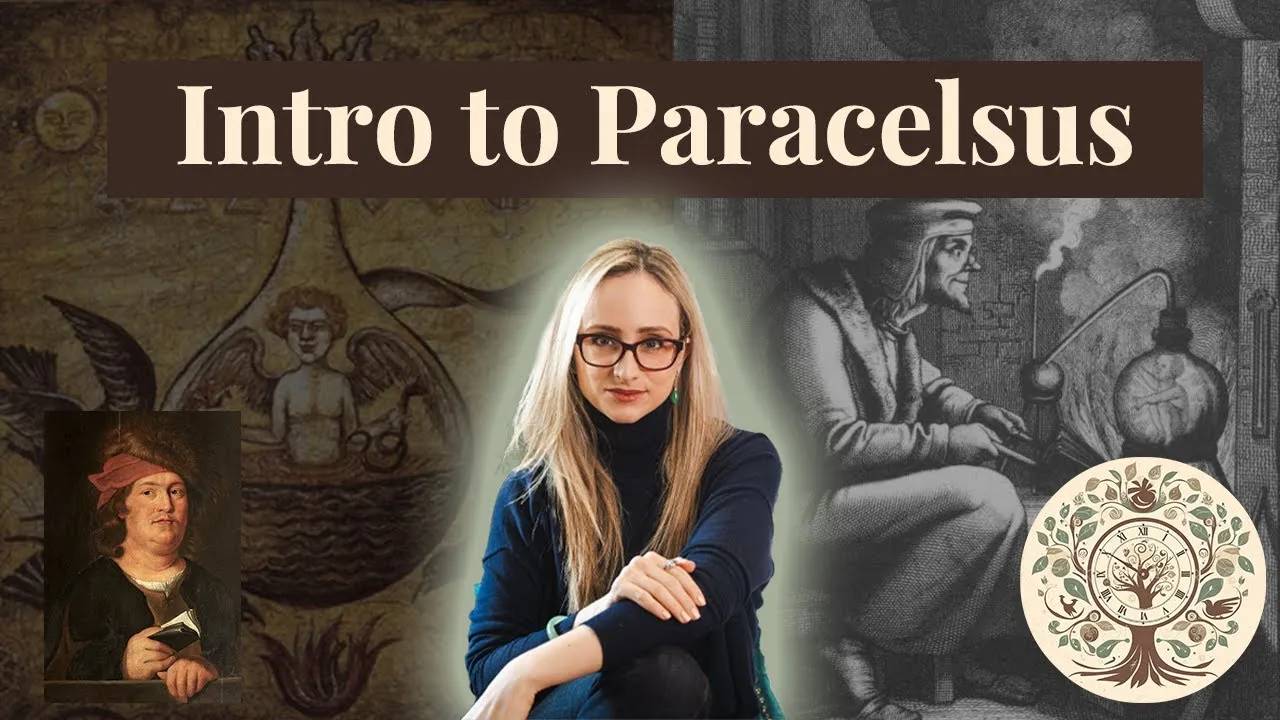
Paracelsus: The Renaissance Physician Who Set Fire to Medical Tradition
He publicly burned Galen, dosed patients with mercury, and got exiled from Basel. The life and legacy of early modern medicine's most controversial figure.
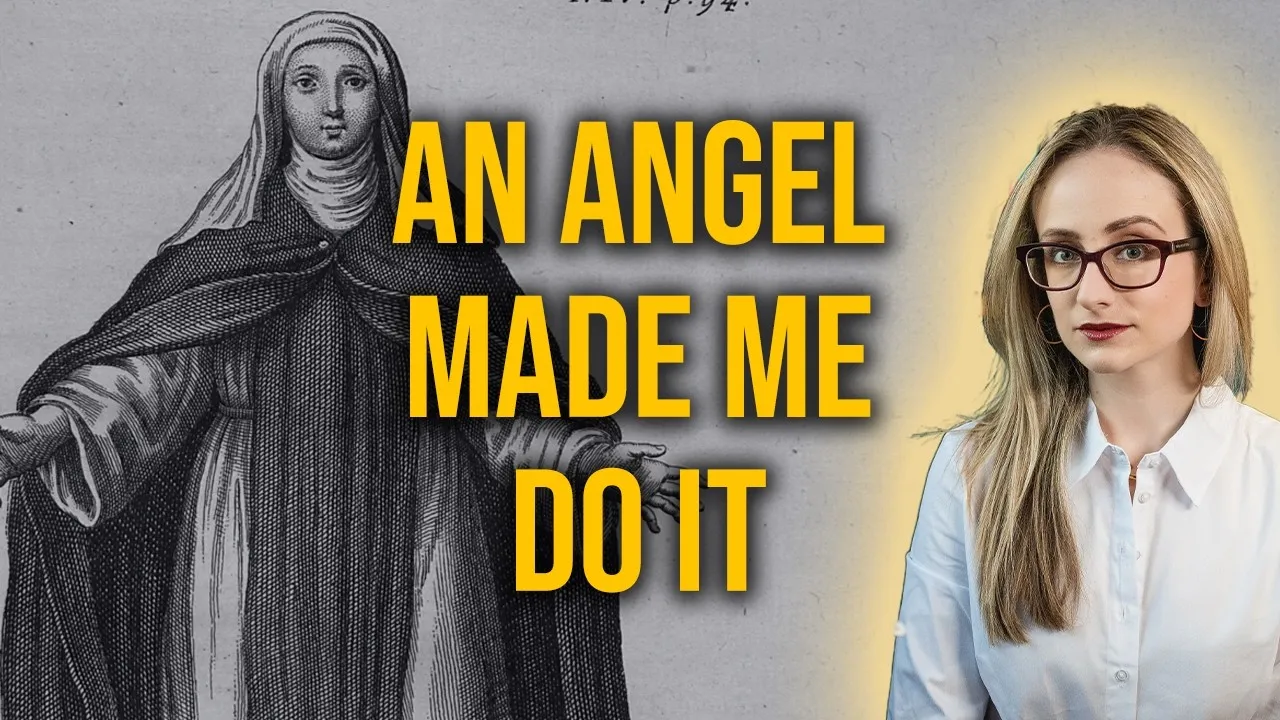
Benedetta Carlini: Scandal, Mysticism, and Sex in a Renaissance Convent
Benedetta Carlini claimed visions, performed miracles, and married Christ in a ceremony. Then investigators uncovered her sexual relationship with another nun.
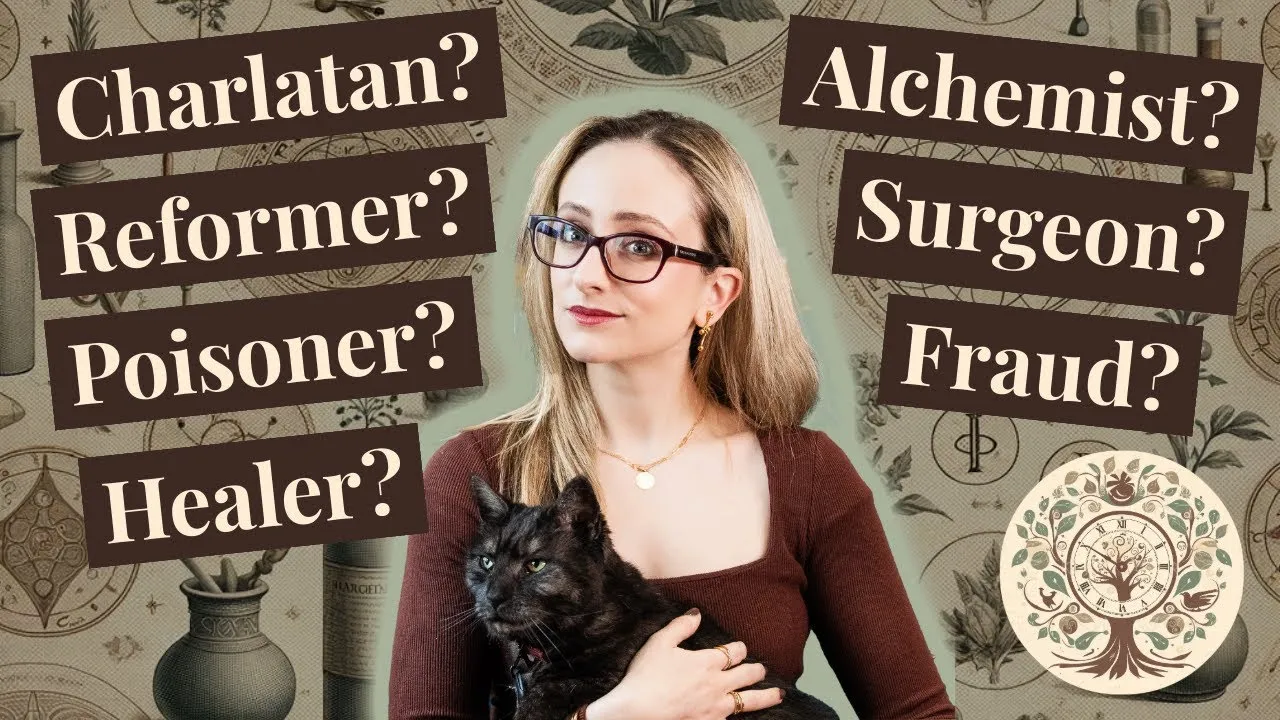
Fioravanti: Pioneering Surgeon-Alchemist of the Renaissance
Leonardo Fioravanti was called a Charlatan, a Poisoner, a Reformer, a Prophet, a Miracle-Worker, a Saviour, an Alchemist, and a Fraud.
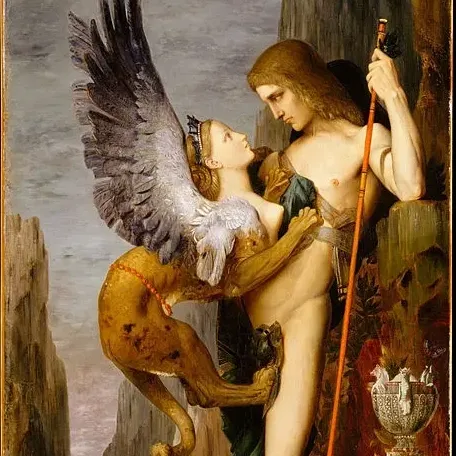
The Surprising Connection Between Freud and Greek Mythology
Discover how Freud used Greek myths like Oedipus to unlock the unconscious—and why ancient stories became the foundation of psychoanalysis.
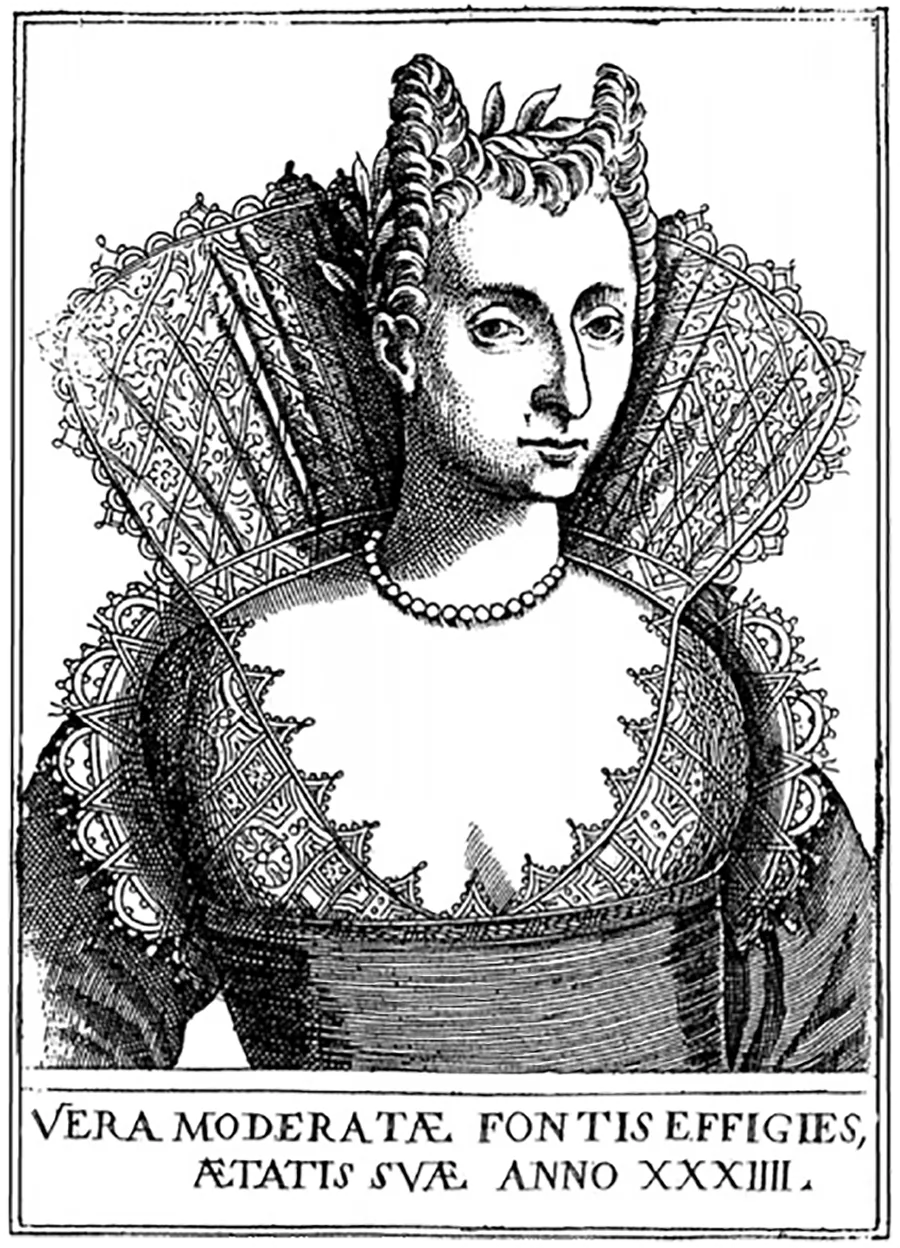
Moderata Fonte and ‘The Woman Question’
In 1600 Venice, Moderata Fonte imagined seven women debating 'the woman question'—why do inferior men dominate women, and can it change?
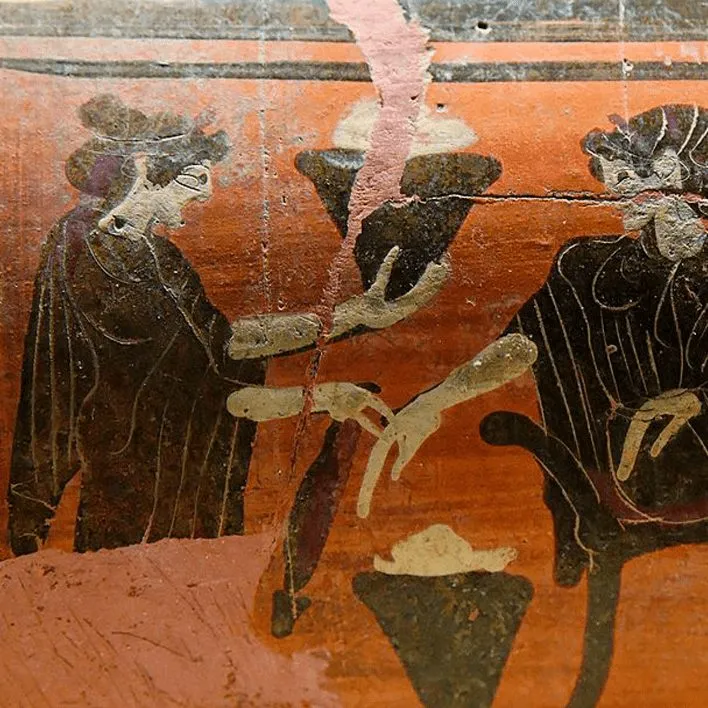
What is the ‘Wandering Womb’?
Discover the ancient Greek theory of the 'wandering womb'—an animal inside an animal, moving through the body in search of moisture.

Elizabeth I and Ageing: Lead Makeup, Wigs, and the Politics of Appearance
Elizabeth I's white lead makeup and red wigs weren't vanity — they were political tools. How the ageing queen managed her image in an era that feared decay.
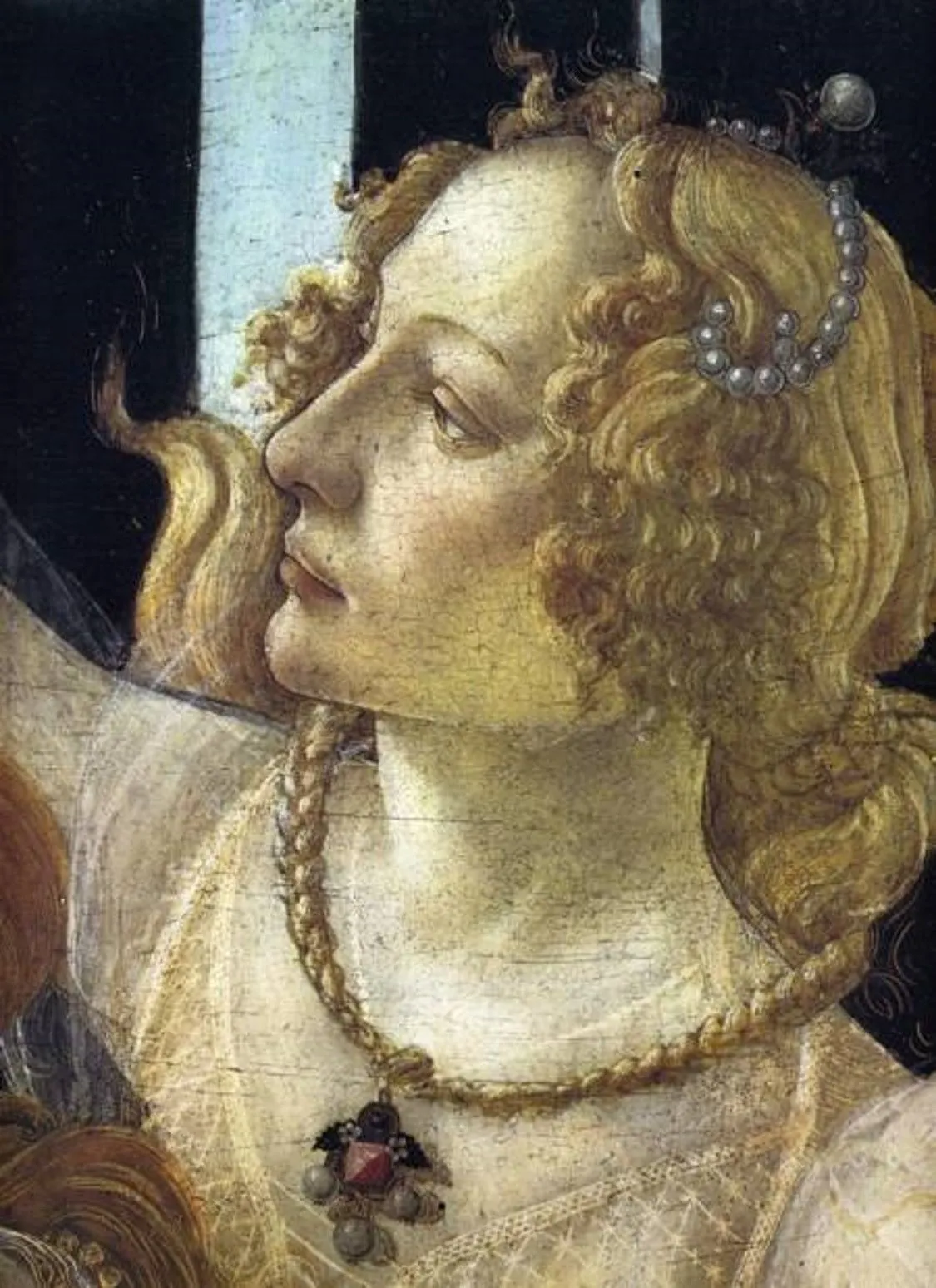
Caterina Sforza: Defiance, Assassination, and Survival in Renaissance Italy
After her husband's murder, Caterina Sforza seized a fortress and confronted the conspirators alone. The story of her political survival against the odds.
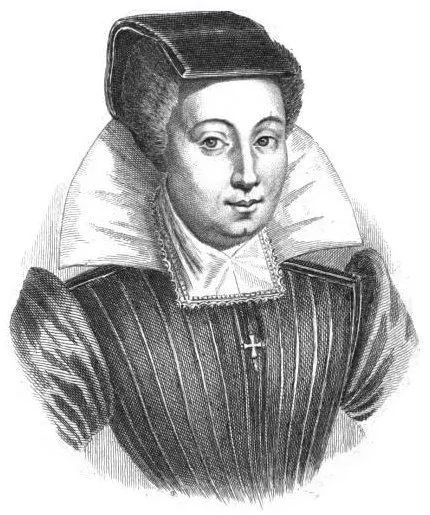
‘Let Nature Take its Course’: In Defence of ‘Gentle’ Midwifery
Meet Louise Bourgeois, the 16th-century French royal midwife who championed calm, gentle childbirth—centuries before modern birthing philosophy.
Was the "Worst Nun in History" in Love with a Woman?
Sor Juana's love poems to the Vicereine of New Spain are intense, intimate, and still debated by scholars centuries later.
Why The Secret Agent is the Most Important Brazilian Film Right Now
Two Brazilian historians explore Kleber Mendonça Filho's The Secret Agent and Brazil's unfinished reckoning with its military dictatorship.
She Became a Nun Just to Avoid Marriage (and Read Books)
Meet Sor Juana Inés de la Cruz, the 'worst nun in history'—who chose the convent over marriage to build a library and defend women's right to learn.
Before TikTok: History's ORIGINAL Influencers
From Versailles courtiers to Black dandies and salonnières—discover how history's original influencers shaped culture through self-fashioning.
How Latin America Shaped Germ Theory
Discover how Latin American scientists pioneered mosquito transmission theory and disease eradication—decades before European recognition.
I'm Still Here: The History You Need to Know
Explore Brazil's military dictatorship (1964-1985), the story of Eunice Paiva, and the cultural resistance that shaped the film I'm Still Here.
Abaporu and the Anthropophagic Movement: How Brazil Redefined Modern Art
Tarsila do Amaral's Abaporu became Brazil's most iconic painting. The story of the Anthropophagic Movement that 'devoured' European art and made it Brazilian.
Ephelia: Unmasking a Seventeenth-Century Feminist Voice
Uncover Ephelia, the mysterious 17th-century poet who challenged gender norms with bold, erotic verse—was she Joan Philips or someone else entirely?
17th Century "Intuitive Eating": Paracelsus and Digestion
Discover how Paracelsian medicine revolutionized 17th-century diet advice, empowering people to trust their bodies over doctors' rules.
Alchemy in the Renaissance: The Mysterious Isabella Cortese
Uncover Isabella Cortese, the enigmatic 16th-century alchemist whose bestselling book challenged tradition and championed women's knowledge.
Caterina Sforza's Experiments: Alchemy, Medicine, and Power in Renaissance Italy
Caterina Sforza left behind over 450 recipes for medicines, cosmetics, and poisons. What her alchemical notebook reveals about Renaissance women and power.
5 More Brazilian Women Who Changed History
Meet Anita Garibaldi, Clarice Lispector, and three more remarkable Brazilian women who shaped history but remain largely unknown outside Brazil.
5 Brazilian Women Who Changed History
From a 17th-century warrior to a modernist painter — five Brazilian women whose contributions were overlooked for centuries.
Paracelsus: The Renaissance Physician Who Set Fire to Medical Tradition
He publicly burned Galen, dosed patients with mercury, and got exiled from Basel. The life and legacy of early modern medicine's most controversial figure.
Benedetta Carlini: Scandal, Mysticism, and Sex in a Renaissance Convent
Benedetta Carlini claimed visions, performed miracles, and married Christ in a ceremony. Then investigators uncovered her sexual relationship with another nun.
Fioravanti: Pioneering Surgeon-Alchemist of the Renaissance
Leonardo Fioravanti was called a Charlatan, a Poisoner, a Reformer, a Prophet, a Miracle-Worker, a Saviour, an Alchemist, and a Fraud.
The Surprising Connection Between Freud and Greek Mythology
Discover how Freud used Greek myths like Oedipus to unlock the unconscious—and why ancient stories became the foundation of psychoanalysis.
Moderata Fonte and ‘The Woman Question’
In 1600 Venice, Moderata Fonte imagined seven women debating 'the woman question'—why do inferior men dominate women, and can it change?
What is the ‘Wandering Womb’?
Discover the ancient Greek theory of the 'wandering womb'—an animal inside an animal, moving through the body in search of moisture.
Elizabeth I and Ageing: Lead Makeup, Wigs, and the Politics of Appearance
Elizabeth I's white lead makeup and red wigs weren't vanity — they were political tools. How the ageing queen managed her image in an era that feared decay.
Caterina Sforza: Defiance, Assassination, and Survival in Renaissance Italy
After her husband's murder, Caterina Sforza seized a fortress and confronted the conspirators alone. The story of her political survival against the odds.
‘Let Nature Take its Course’: In Defence of ‘Gentle’ Midwifery
Meet Louise Bourgeois, the 16th-century French royal midwife who championed calm, gentle childbirth—centuries before modern birthing philosophy.