 Dr Julia Martins
Have you ever heard of
Hello, lovely history fans! I’m Dr Julia Martins, back with another exciting journey into Brazilian history. As a historian of gender and medicine who was born and raised in Brazil, I have a special connection to these stories. Given the incredible response to my first text, it’s clear you do too! Today, we’re uncovering the tales of more extraordinary Brazilian women, whose achievements are barely whispered about, even back home.Your support means the world to me, and if you’d like to help keep these stories coming, consider joining my Patreon. Now, let’s meet five more incredible women from Brazilian history.
Chica/Xica da Silva (1732-1796) – From Slavery to Riches
Starting off strong with a controversial one… I can already hear you typing how problematic she was in the comments! But hear me out; keep in mind that we’re talking about people who made history, not role models. So, meet
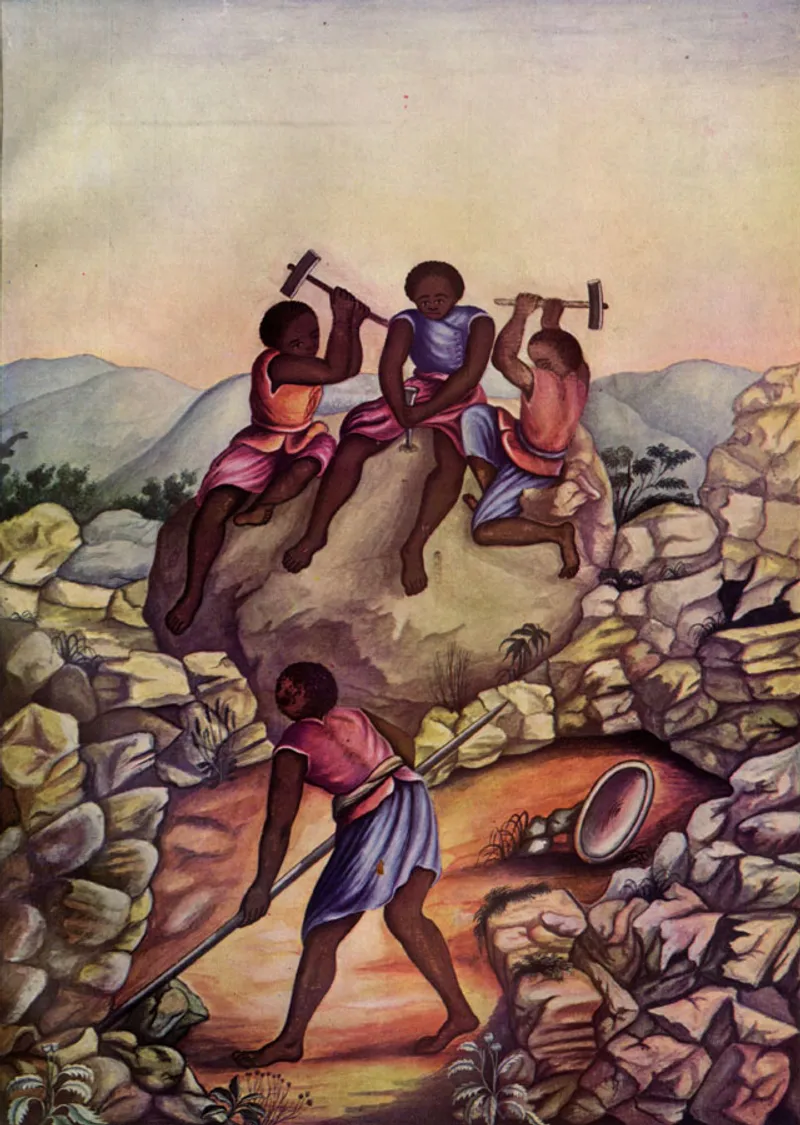
The 15-year-long relationship between Chica and João Fernandes was not just a personal alliance but a strategic move that dramatically changed her life. Fernandes freed Chica from slavery, and together they had several children, 13 of them, I think, whom he fully recognized, breaking the conventional social mores of the time. This union provided Chica with a unique position in society, which she leveraged to secure a future for herself and her descendants, even after João returned to Portugal. Chica’s influence extended beyond her immediate family. She became a key figure in the local society of Vila do Príncipe, hosting extravagant parties that were the talk of the town. These gatherings were not just social events but also a demonstration of her influence and acceptance among the local elite. Yet, this acceptance was always conditional and fraught with the underlying tensions of race and class that pervaded colonial society.
Moreover, Chica used her position to engage in philanthropy, particularly focusing on the arts and religious institutions, which further cemented her status in the community. If you’ve never heard of her before, you might be thinking… well, she sounds great, why did I say she was a controversial character? Well, Chica’s life was marked by stark contradictions. Despite her origins, she owned enslaved people, and it’s believed that she freed only one of them during her lifetime. Her fortune was made by renting out these people to work in the mines. This part of her story highlights the difficult choices she faced and the complex strategies she employed to navigate the societal restrictions of
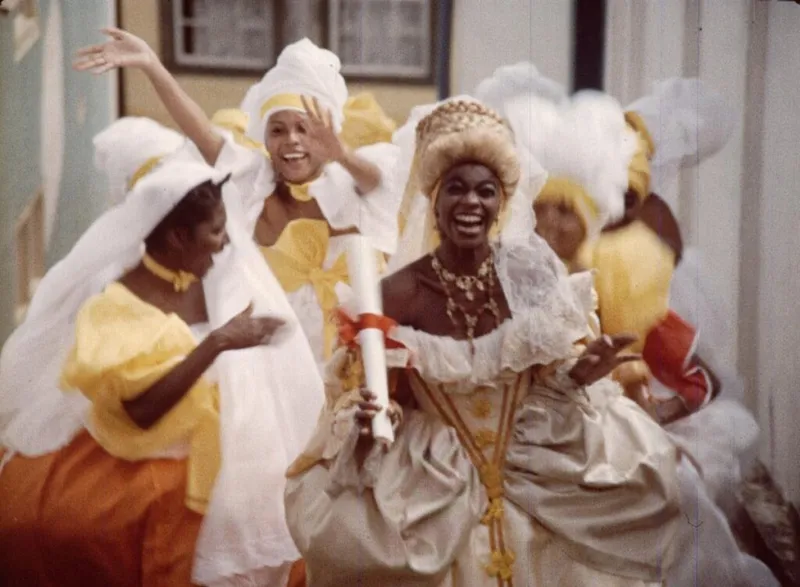
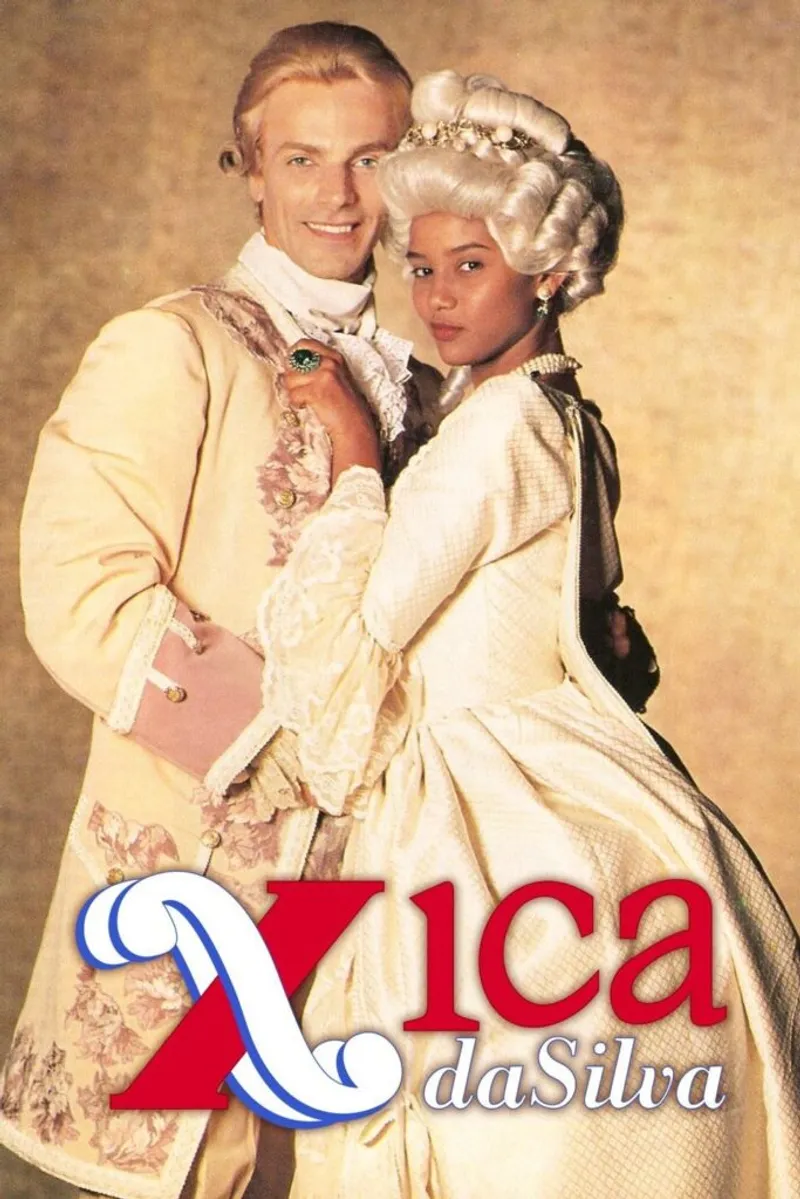
To make things more complicated, her story was mythologised in plays, novels, films, and even a very Brazilian telenovela, which made her a household name in Brazil. However, many historians have criticised these depictions, which fell on familiar tropes of sexualising women of colour and foregoing historical accuracy and complexity for the sake of a compelling narrative. To be fair, though, the same can be said of many historical dramas… I’m looking at you, The Tudors.
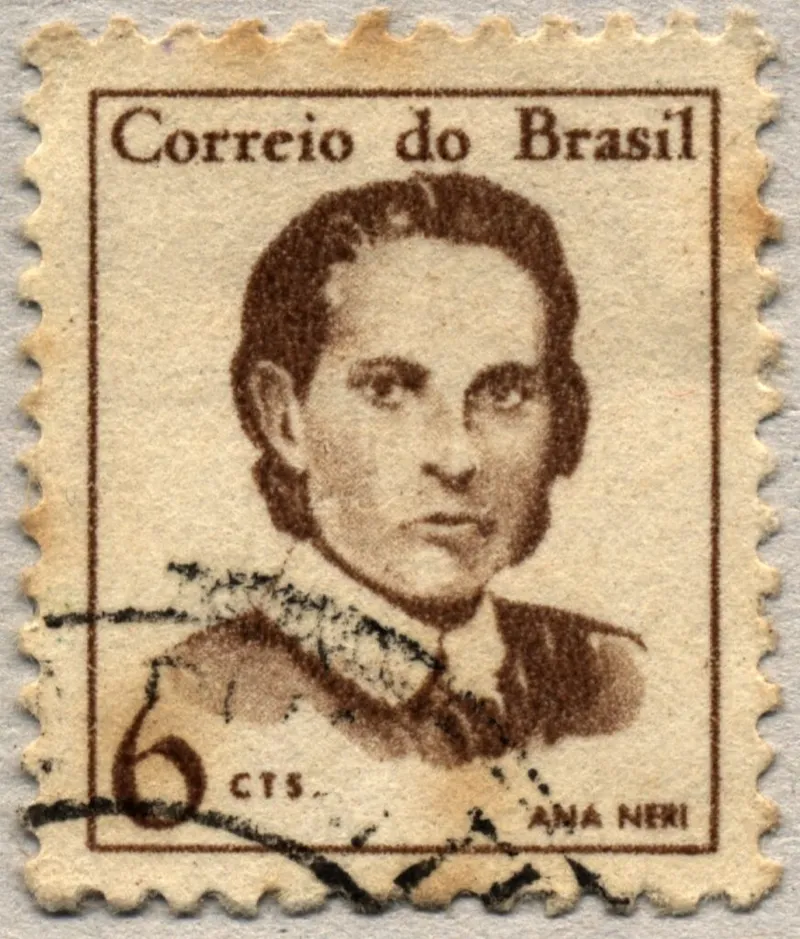
Ana Néri (1814 – 1880) – Mother of Brazilian Nursing
Next, we turn to
When the
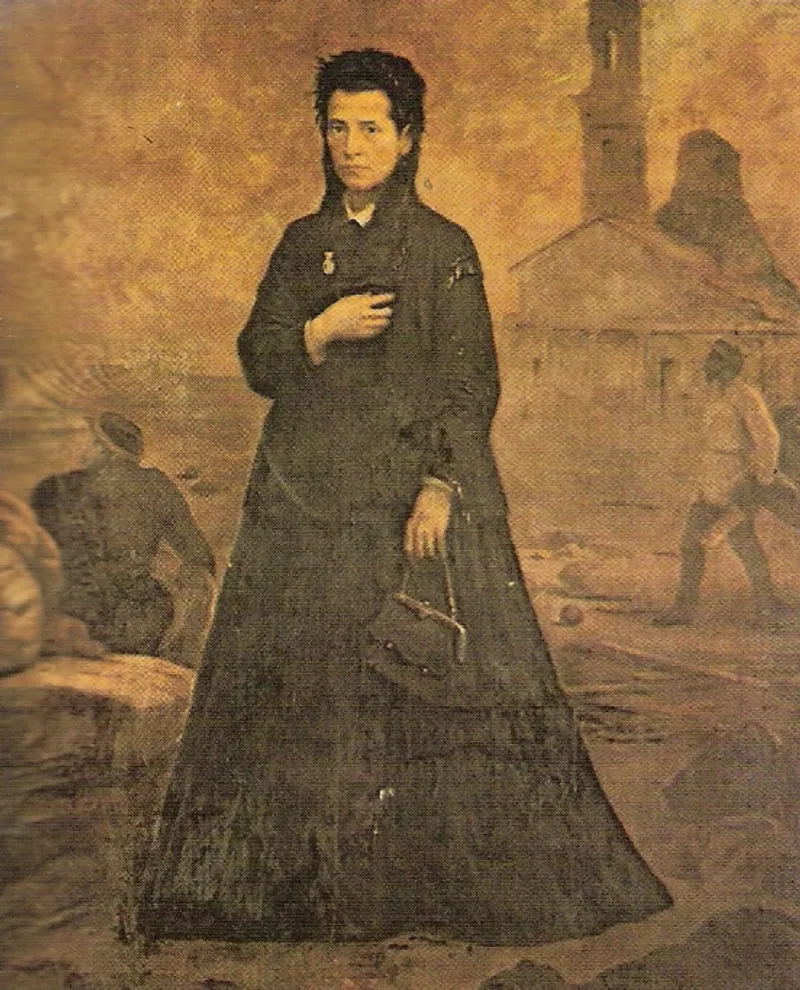
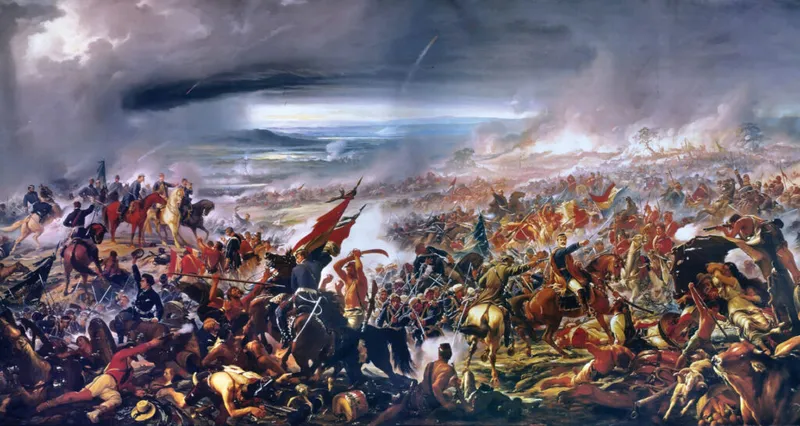
Once there, Ana set up and managed hospitals under harrowing war conditions, caring for the wounded soldiers with such unwavering dedication and skill that she transformed the field of military nursing in Brazil. Her hands-on approach in the chaotic environment of war hospitals brought innovations in care procedures and hygiene practices, setting new standards for military medical care at the time.
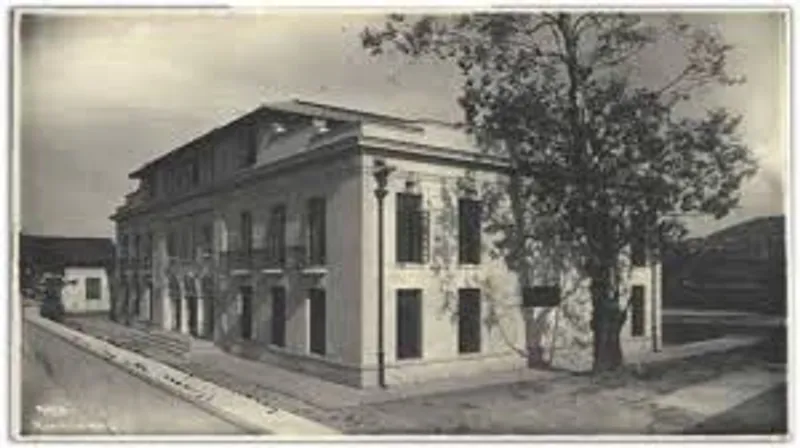
Her impact was so profound that, after the war, the Brazilian government granted her a pension in recognition of her service. Further honoring her contributions, her legacy was immortalized when the first nursing school in Brazil was named after her, the
Anita Garibaldi (1821-1849) – Brazilian Freedom Fighter
Here we get to the ‘heroine of two worlds’ that I mentioned at the beginning! Let’s meet
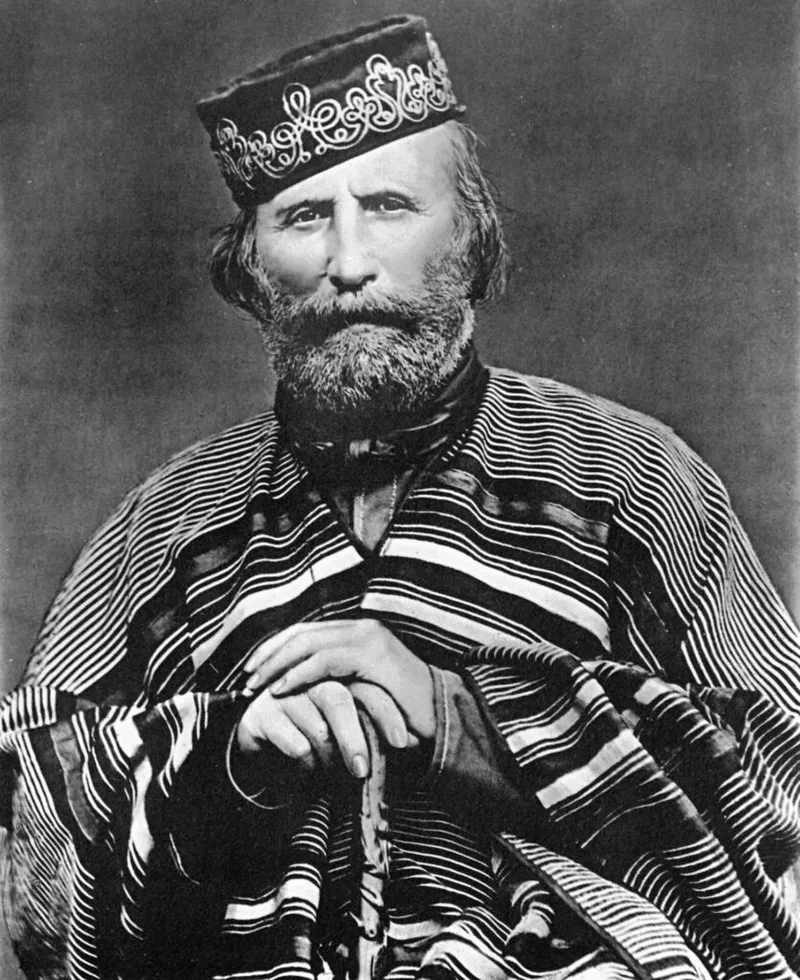
Her life changed forever when she met Giuseppe Garibaldi in 1839 during his involvement in the
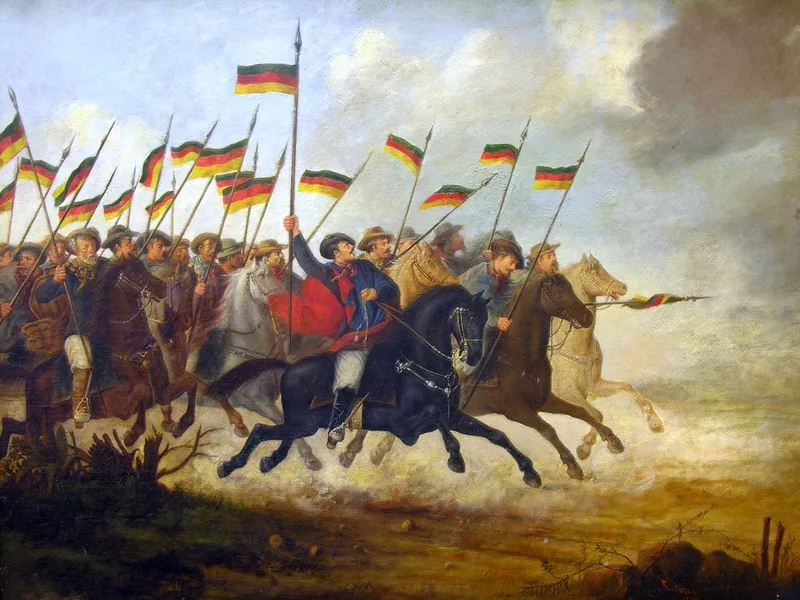
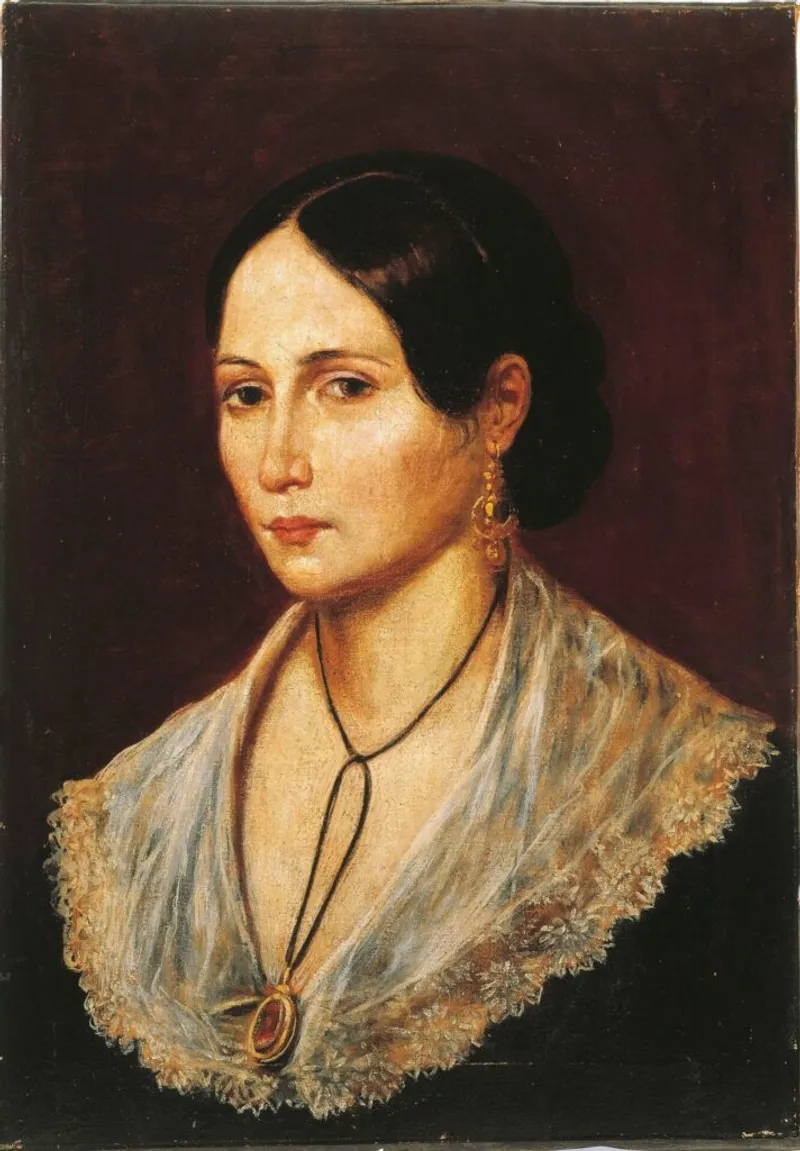
In any case, Anita was captured in 1840, but she managed to persuade her captor to let her look for her husband’s body on the battlefields, as Garibaldi was presumed dead. Once freed, she found a horse and ran away, rejoining Garibaldi after an arduous journey, which included crossing a river with her horse. After their child was born, the Brazilian army surrounded the house where Anita was, but she managed to escape carrying her newborn. She waited for Garibaldi for days in the forest with her baby until he found them.
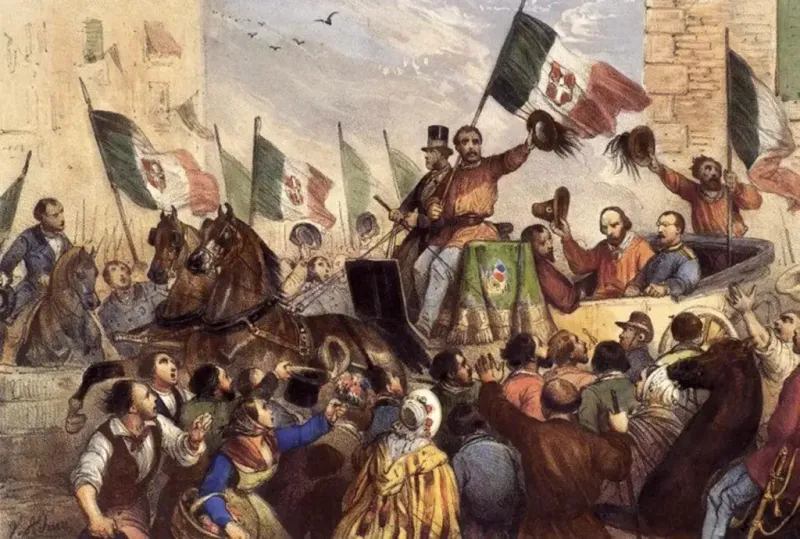
But Anita’s role as a revolutionary did not end in Brazil. Following the war, she accompanied Garibaldi to Uruguay, where he was in charge of the naval fleet during the conflict with Argentina, and later the couple went to Italy, where they became central figures in the struggle for Italian unification. There, she participated in critical battles, including the defense of Rome in 1849, where her bravery under fire further solidified her reputation as a formidable warrior.
Maria Firmina dos Reis (1822-1917) – Pioneer Afro-Brazilian Author
Now, let’s turn our attention to
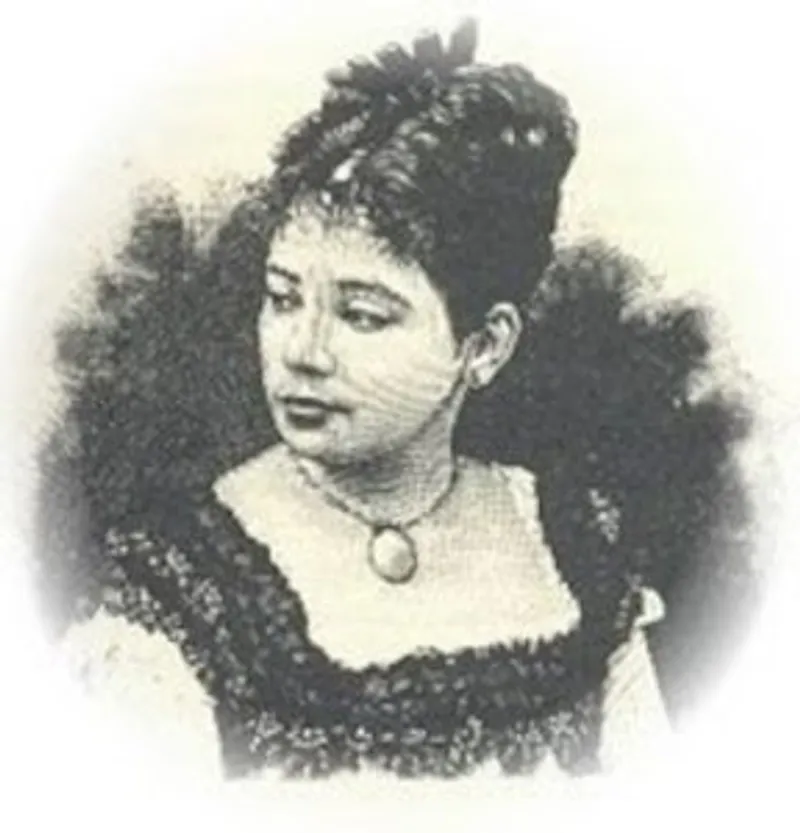
Maria Firmina’s seminal work,
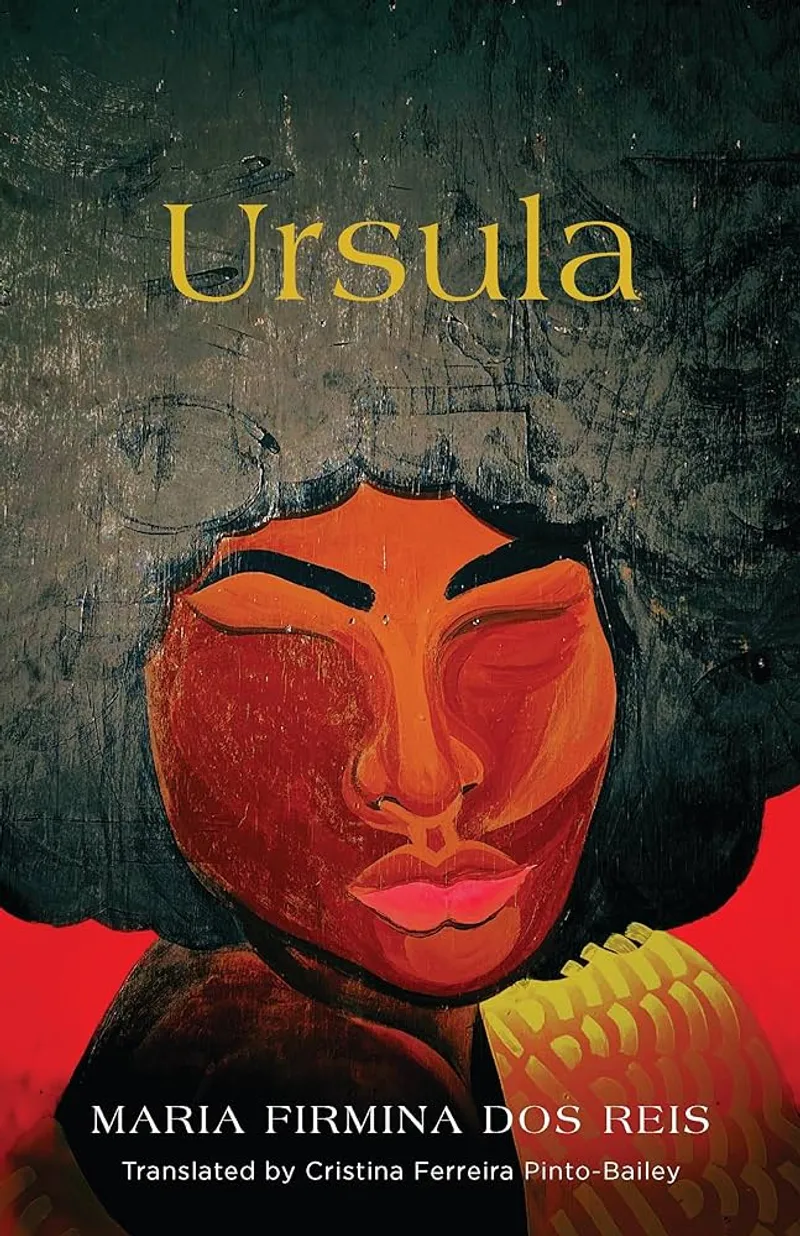
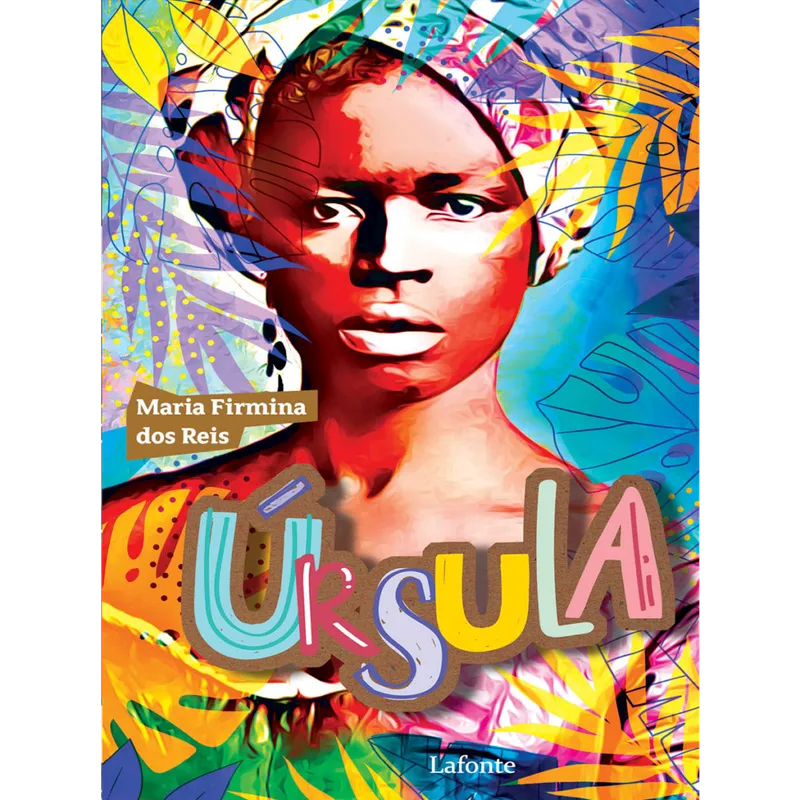
Beyond her contributions to literature, Maria Firmina was a visionary in the field of education. She was a teacher, and she was among the first to advocate for and implement free public education in Brazil, a radical idea long before it became a national standard. Her dedication to educational reform led her to establish a school in Maranhão in 1855, which was remarkable for its inclusive policy of admitting students regardless of their race or social standing. Plus, she was against corporal punishments for students, which were prevalent at the time. She believed advising and talking to children to be better, which, at the time, many people thought to be a radical idea.
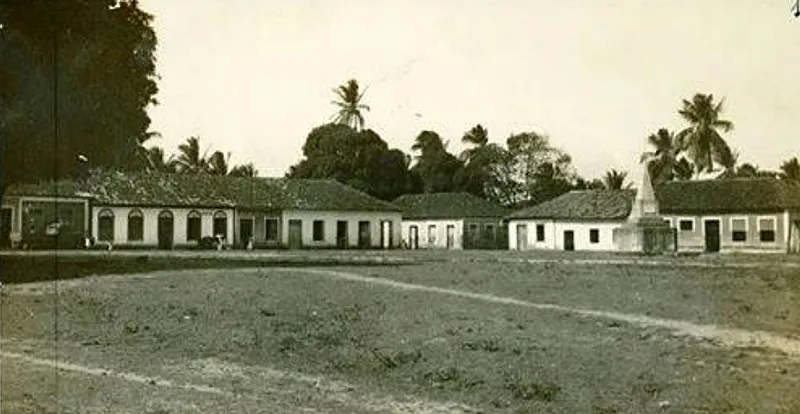
Maria Firmina’s efforts extended into music and poetry, further showcasing her versatile talents and commitment to cultural development. Her songs and poems, often imbued with themes of freedom and equality, resonated with her advocacy for abolition and social justice. She even composed an abolicionist hymn!
Clarice Lispector (1920–1977) – Modernist Literary Icon
Ok, we got to my favourite one. Possibly, I don’t know! And, if you’ve never read
Born in 1920 in Ukraine in a Jewish family but raised in Brazil from a young age since her family fled religious persecution, Clarice revolutionised Brazilian literature with her unique style and deep psychological insights. Clarice’s novels, such as ‘The Hour of the Star’, the very kafkaesque ‘The Passion According to G.H.’, and ‘Near to the Wild Heart’, are celebrated for their intense introspection and innovative narrative techniques. She had a distinctive way of exploring the human condition, using stream-of-consciousness and a prose style that broke away from traditional forms. Her writing tackles themes of identity, loneliness, and existential questions, especially from the perspective of women, pushing readers to rethink their own views of reality.
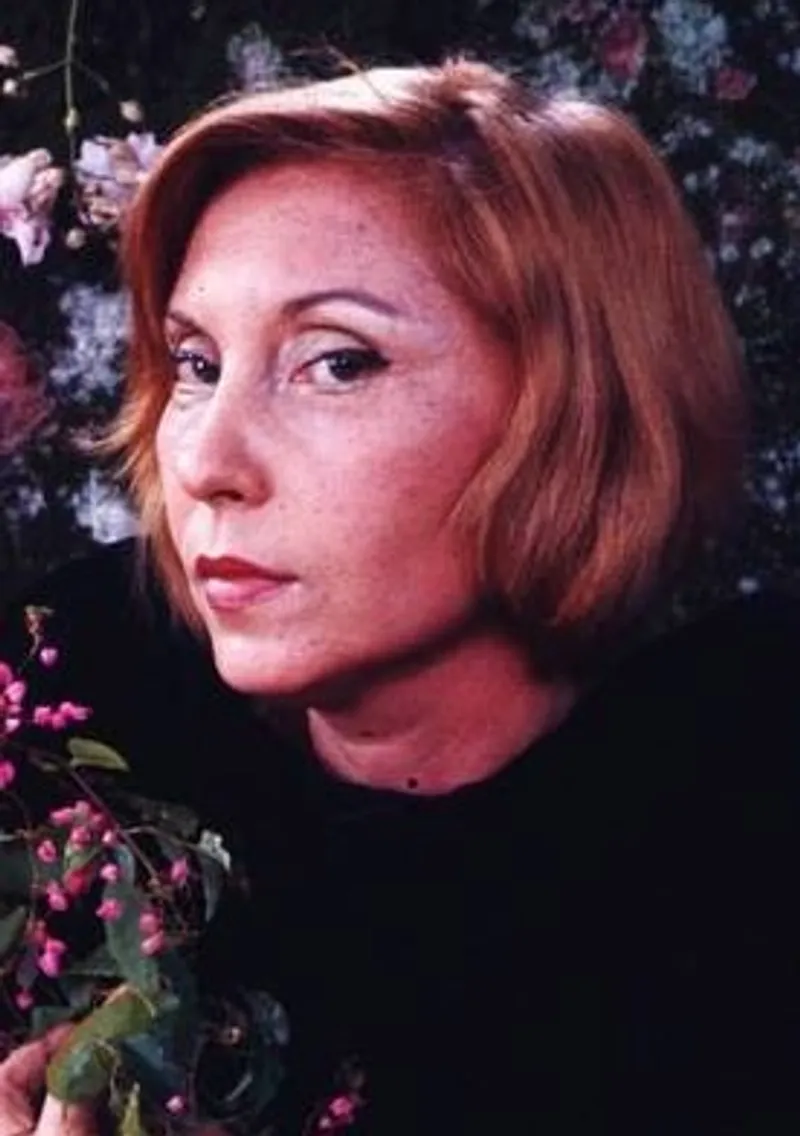
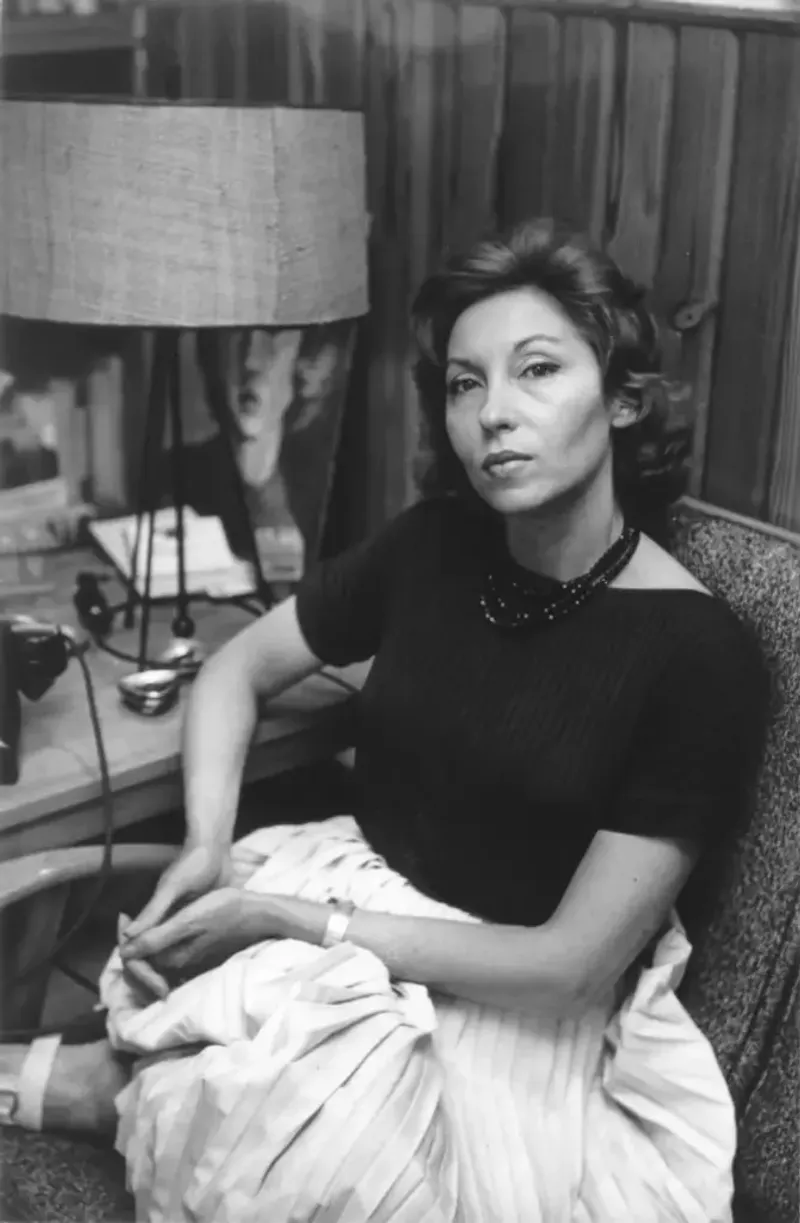
Besides her novels, Clarice was also a skilled journalist and translator, showcasing her broad intellectual abilities. She even studied law, where she met her husband, who later became a diplomat. While the couple were living in Naples, after the Second World War had ended, she volunteered daily at the American hospital, writing and reading letters for the wounded soldiers and helping the nurses. She eventually separated from her husband, since she was required to accompany him on his travels, and that prevented her writing career from progressing the way she would like. Also, the couple had a son who needed special care, and she felt it would be detrimental for him to frequently move. In terms of her writing, Clarice’s personal reflections with sharp observations on daily life and culture, demonstrating her acute awareness of the human condition. Like many women I mentioned here,
Her influence reaches far beyond Brazil, affecting writers and thinkers globally. Critics often compare her to literary giants like
Final Thoughts
I just love uncovering the often-overlooked contributions of such remarkable women, some of whom may not be widely recognized even in Brazil. I’m eager to hear which of these figures intrigued you the most—please share your thoughts in the comments. If you have any questions or want more information, just let me know! And who do you think I should include on part 3? I have a few candidates already, but I’d love to hear from you.
I hope this text has given you new insights into Brazilian history. We’ve shared a range of stories today, from a pioneering nurse to a revolutionary literary figure. There are countless more tales of incredible individuals waiting to be told, and I’m excited about the possibility of exploring these in the future. Your support is invaluable, and if you’re interested in helping further, consider joining my Patreon to enable the creation of more history texts and videos. Thanks so much, and I look forward to our next historical adventure!
Further Reading:
https://www.penguin.co.uk/articles/2023/11/where-to-start-reading-clarice-lispector
Eduardo de Assis Duarte, ‘Literatura e Afrodescendência no Brasil: Antologia Crítica’, Volume 2: ‘O Século XIX’ (2011).
Sueli Carneiro, ‘Mulheres em Movimento’ (2003)
Lucciani M. Furtado, ‘Memorial de Maria Firmina dos Reis. Prosa Completa & Poesia’ (Uirapuru, 2019).
Earl Fitz, ‘Clarice Lispector Revisited’ (1998).
Júnia Ferreira Furtado, ‘Chica da Silva: A Brazilian Slave of the Eighteenth Century’ (Cambridge, 2009).
Júnia Ferreira Furtado, ‘Chica da Silva e o Contratador de Diamantes – O Outro Lado do Mito’ (2009)
Robert Levine, ‘The History of Brazil’ (2003)
Benjamin Moser, ‘Why This World: A Biography of Clarice Lispector’ (2009).
Mary del Priore, ‘História das Mulheres no Brasil’ (2004)
Kátia M. de Queirós Mattoso, ‘To Be a Slave in Brazil, 1550-1888’ (1986)
Eduardo Silva, ‘Chica da Silva: A Brazilian Slave of the Eighteenth Century’ (2009).
Thomas E. Skidmore, ‘Brazil: Five Centuries of Change’ (1999)
Rachel Soihet, ‘Condição Feminina e Formas de Violência: Mulheres Pobres e Ordem Urbana, 1890-1920’ (1989)
Anthony Valerio, ‘Anita Garibaldi: A Biography’ (2000).
Sheila S. Walker, ‘African Roots/American Cultures: Africa in the Creation of the Americas’ (2001)