 Dr Julia Martins
Imagine that it’s 1554, and you’re the father of a young girl who is unwell. You write to a friend of yours, who is a physician, describing her symptoms, which include her being ‘pale, as if bloodless’. And this is the reply you get:
You complain bitterly to me […] that your firstborn daughter Anna, who is now of marriageable age, is desired in marriage by many suitors of unblemished virtue […]. Yet, because of the infirmity of your daughter, you are forced to refuse them. But this is less worrying for you than the fact that, until now, not one of the doctors has been able to explain the internal cause and essence of the disease, or indeed to prescribe treatment. […] I am quite astounded that your family doctors did not recognise the cause and nature of the disease. […] This disease does not have its own name, but as it is peculiar to virgins it may be designated ‘the disease of virgins’ […]. This disease often attacks virgins when, already ripe for a man, they have left behind their youth. […] Finally, as to whether your daughter who is sick with this disease ought to marry, and what the treatment for it should be…
The doctor continues, writing that the ancient Greek physician
virgins suffering from this disease [should] live with men as soon as possible, and have intercourse. If they conceive, they recover. […] I have never been mistaken in treatment, or been disappointed in my hopes. So, therefore, take courage, betroth your daughter. I myself will gladly be present at the wedding. Farewell.
— Johannes Lange, Medicinalium epistolarum miscellanea (1554), pp. 74-77.
So… the solution for this condition is sex, within a heterosexual marriage and, ideally, motherhood. Huh. Let’s talk about green sickness, or the ‘disease of virgins’.
I first came across recipes to treat green sickness years ago, and I always found it to be one of the most intriguing ‘diseases’ in the history of medicine. It tells us much about attitudes toward girls and women in the past, about how diseases can be created and shaped by culture, about how the body was imagined to work, and about how patriarchal values can be intertwined with medicine. So, stick with me; this might be a longer and kind of weird – there’s everything from Sappho to Shakespeare and Freud, but, in my defence, green sickness has a weird – and fascinating – history.
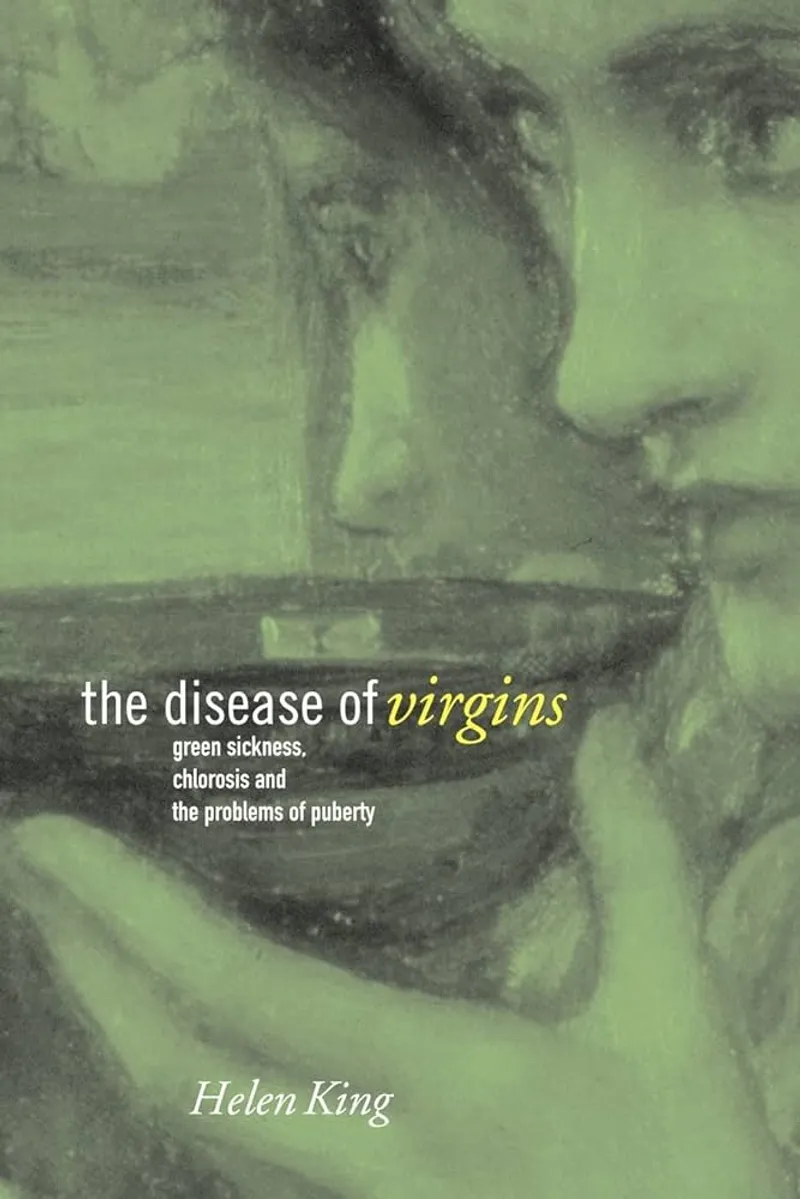
(This text owes much to Helen King’s book “The Disease of Virgins: Green Sickness, Chlorosis and the Problems of Puberty”, which I highly recommend you check out – full reference below.)
Diagnosing the Past…?
As you might have gathered from the letter that the doctor sent to the young girl’s worried father I mentioned, in the
- a bad colour of the face, and whole body
- a swelling of the face, eyelids and ankles
- heaviness of the whole body
- a tension and lassitude of the legs and feet
- difficult respiration
- palpitation of the heart
- pain in the head
- feverish pulse
- drowsiness
- an unnatural longing for such things as are noxious, and unfit for food and,
- a suppression of the menstrual discharge
This last symptom, lack of menstruation, or
- dyspepsia
- organic mitral disease
- ulceration of the stomach
- ulcerative endocarditis
- tuberculosis
- pernicious anaemia
- lead poisoning
- Bright’s disease
- anorexia (nervosa)
- myalgic encephalitis
- irritable bowel syndrome
- unsuspected pregnancy
This last one would explain tiredness and lack of menstruation, not to mention
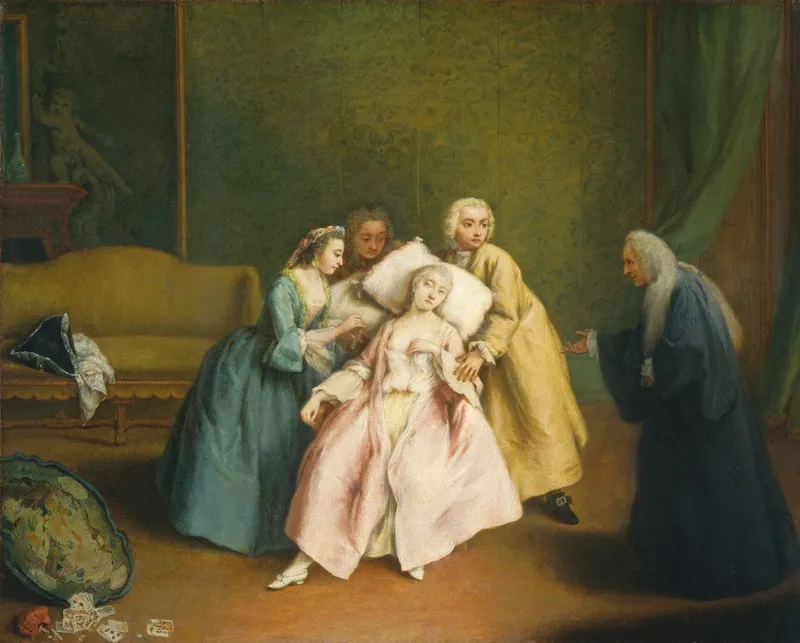
Well, and I’m sorry to disappoint you, but thinking like this just doesn’t work for a condition like green sickness. There are just too many issues. Firstly, were the girls diagnosed with the ‘disease of virgins’ even ill? If so, were they all suffering from the same condition? And was a 16th-century diagnosis of green sickness similar to a 19th-century case? Lastly, could we match these symptoms with a single condition today? And which one would it be? Even if we could ‘diagnose’ individual cases using contemporary categories, I don’t think we could ever do that with green sickness as a whole. Just like
Something often discussed by historians of medicine is the problem with retrospective diagnosis, especially when you don’t have human remains to test in a lab, or when a condition seems to be of the mind rather than of the body. It might be misleading to try to reconcile conflicting sources for the sake of supporting the hypothesis of a single disease. Green sickness wasn’t like tuberculosis in the sense that there wasn’t a defining moment in the lab when scientists ‘discovered’ the cause of the disease. And, although this condition had ancient precedent – remember Dr Lange mentioned
Well, different societies interpreted physiological bodily processes differently throughout history, and they have understood symptoms and defined ‘disease’ in different ways, too. Plus, in the
So, what was ‘Green Sickness’?
Although you may have never heard of green sickness before, it’s probably fair to assume that, if you were living in 16th-century London, that wouldn’t be the case, even if you weren’t a doctor. If you went to the theatre to watch a play by Shakespeare who, as we know, was writing for a broad audience at the time, you might hear this line about effeminate boys:
There’s never none of these demure boys come to any proof; for thin drink doth so over-cool their blood, and making many fish-meals, that they fall into a kind of male green-sickness; and then, when they marry, they get wenches. They are generally fools and cowards.
— (Henry IV, Part 2, first performed around 1597)
There’s a lot going on here, but you can see how masculinity is pictured, in opposition to femininity. The allusion to eating fish for instance, which was usually considered a ‘cooling’ food, might make men closer to women, whose bodies were believed to be colder. (And if you’re interested in food in this period, I have a video about it, which I suggest you check out.) These boys are weak, feminine, and cowardly; green sickness is used to highlight all of this. The main reason for that is that, from the beginning, green sickness was a gendered disease; it was a disease of young girls at around the age of
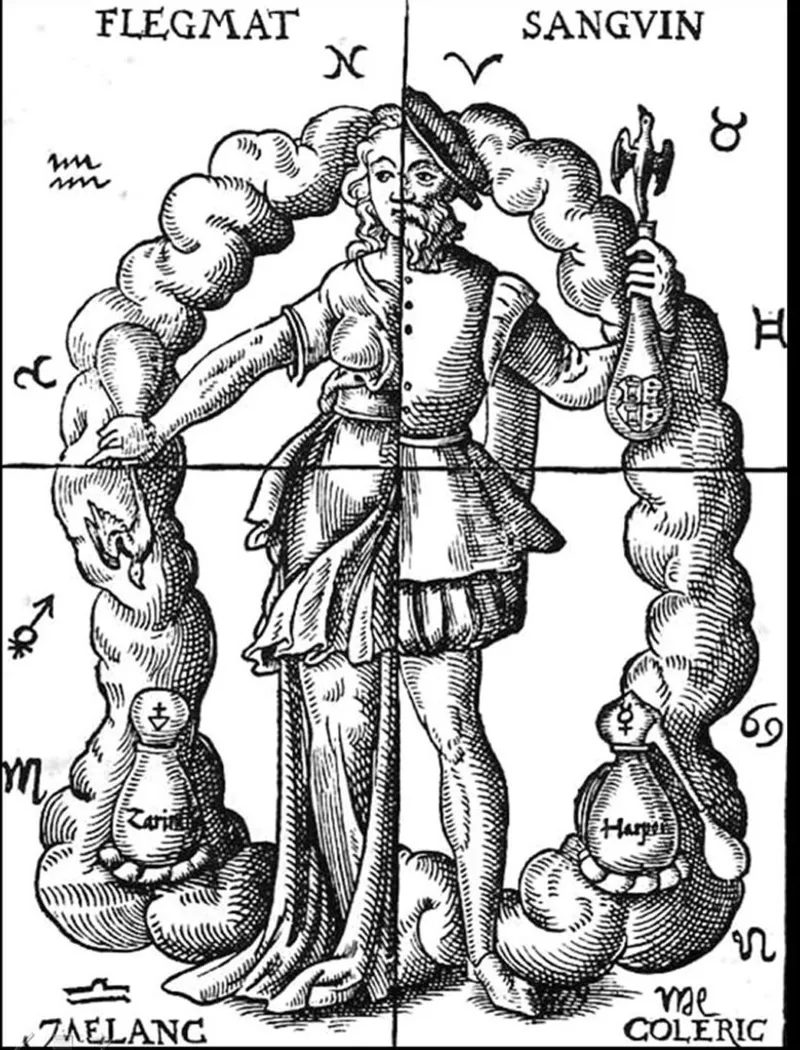
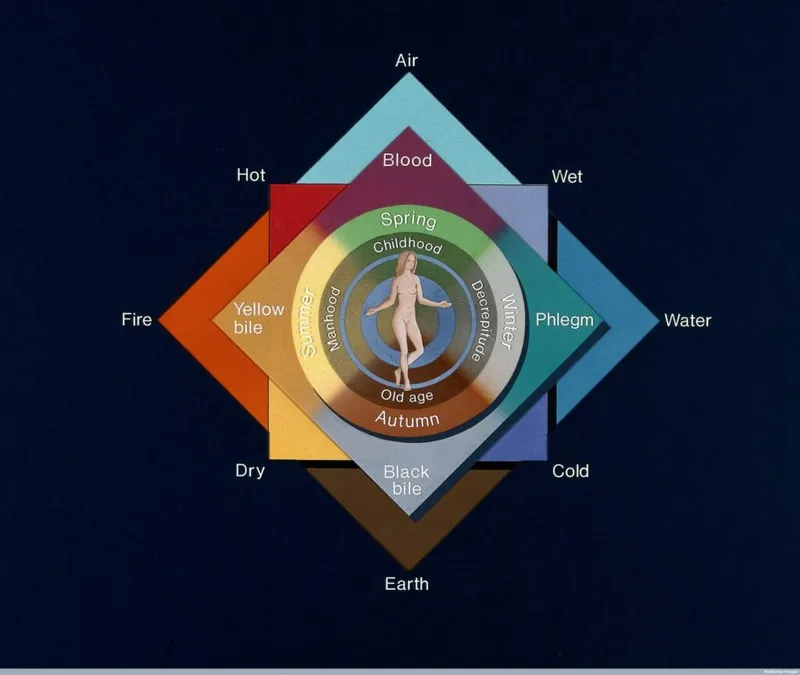
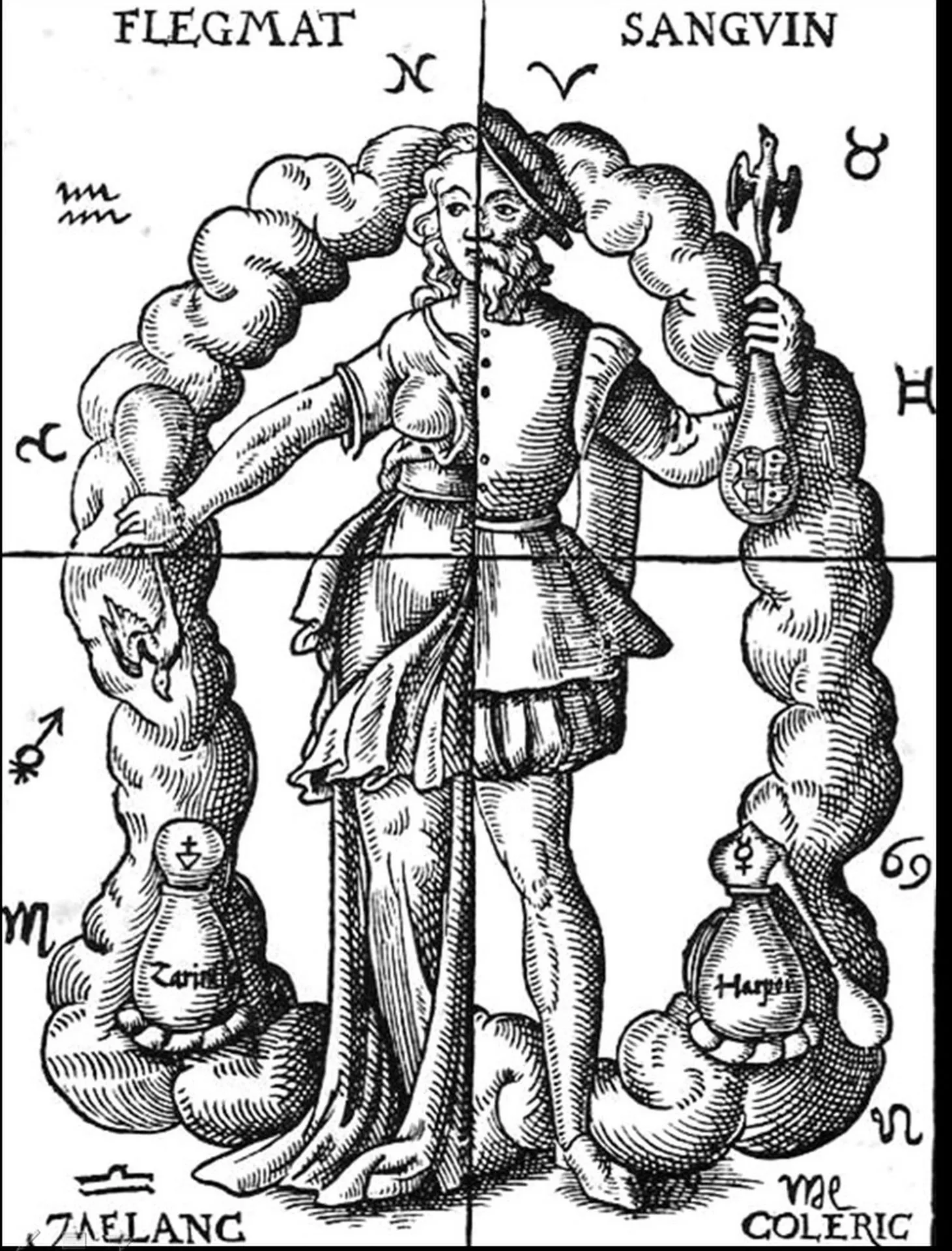
Green sickness was understood within the context of the humoral theory – and I know, I mention this all the time, but it’s impossible not to! Ok so, and I know I’ve said this before, but just to recap, there were four
Also, with all this circulation happening inside the body, if there was a blockage,
Other writers believed that the issue could be caused by the stomach, the womb itself, or the liver. And this is where it gets tricky to define green sickness. It’s possible that people first understood it as a form of jaundice, green jaundice, and so as a blood condition. But doctors weren’t sure whether the lack of menstruation was what caused green sickness or if having green sickness made your periods stop. To make things even more complicated, there was much overlap with digestive problems too. Still, the main problem was
The 17th-century midwife
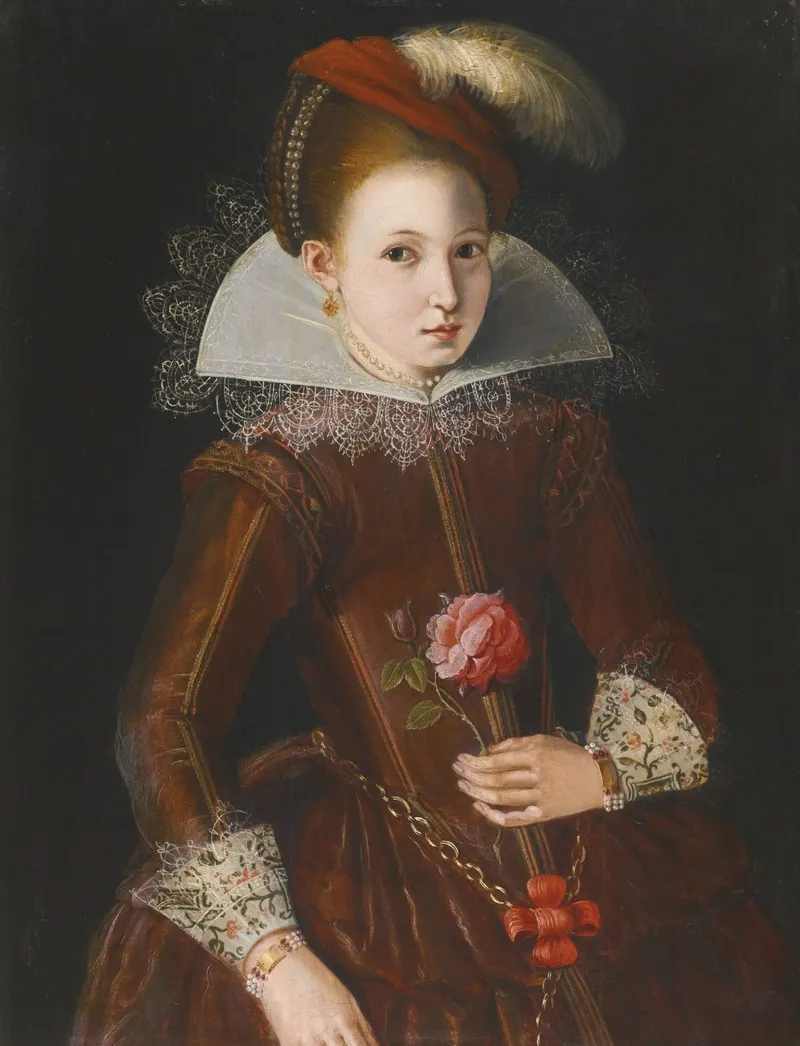
So, although people had written about symptoms such as amenorrhoea for centuries, green sickness as such was a condition that roughly existed from the mid-
Why ‘Green’?
Here we get to one of the main questions about this condition – why the colour green? The very idea of green skin makes the whole thing sound unbelievable, and it made many people doubt green sickness even existed. Although there were exceptions, a physician writing in the 80s – yes, 1980s – said
I am convinced that
did exist, for I have seen a chlorosis woman […] her face was green, its colour accentuated by flaming red hair chlorotic — (William Crosby, Journal of the American Medical Association, 1987).
But this was not how most people would have thought of green sickness throughout its history. As I mentioned, the term ‘green sickness’ already existed in vernacular texts before the famous letter that Dr Lange wrote to Anna’s father. It was his idea of the condition that arguably shaped it into a puberty-related, gendered disease. The ‘disease of virgins’, morbus virgineus, was one of the names for a group of symptoms, which were sometimes also called ‘white fever’, ‘green sickness’ and, later, in the 17th century,
So we get the idea that the colour green covers varying degrees of paleness, and doesn’t necessarily mean a literal, Wicked Witch of the West, green. And a pale skin colour was, among other things, associated with love sickness – another fascinating condition which deserves its own text. This might sound surprising to our modern imagination – we tend to associate redness, flushed cheeks and blushing, with passion. But this connection between love and paleness was centuries-old. In
And this was not only something that learned people would think. Just look at this passage in a popular ballad:
A handsome buxom lass/ lay panting on her bed./ She look’t as green as grass/ and mournfully she said/ Unless I have some lusty/ lad to ease me of my pain/ I cannot live/ I sigh and grieve/ My life I now disdain.
— ‘A remedy for the green sickness’ (ca. 1683)
But, of course, the colour green is also associated with inexperience, with youth, and this is important when thinking of the ‘disease of virgins’. In Robert Greene’s romance, Mamillia, her father realised that the young woman was
marrigeable, knowing by skill and experience, that the grasse being ready for the sieth [scythe], would wither if it were not cut; and the apples being rype, for want [lack] of plucking would rotte on the tree; that his daughter being at the age of twentie yeeres, would either fall into the green sickness for want of a husband, or els if she scaped that disease, incurre a farther inconvenience [illegitimate pregnancy]
— Mamillia. A mirrour or looking-glasse for the ladies of Englande (1583)
What did Mamillia’s father do? Well, he found her a husband, mirroring Dr Lange’s recommendation to Anna’s father in the beginning. (And I’ll explore this ‘treatment’ a little bit more later). But both Dr Lange and Mamillia’s father describe the girls as ‘ripe’ for marriage, so you can see this parallel between young women and nature. Again, this was not new either. Centuries earlier, the nun and altogether incredibly talented Hildegaard von Bingen (1098-1179) had written that menstruation hinted at ‘greenness’, at a young woman’s flowering:
As a tree, from its greeness, brings forth blossoms and leaves and bears fruit, so too woman, from the greenness of the rivulets of menstrual blood, brings forth blossoms and leaves in the fruit of her womb
Not everyone thought this pale-green colour to be attractive, though. Dr Maubray actually described it as the ugly pale colour of languishing Virgins (‘foedus seu pallidus Virginum color’). But the connection between greenness and nature is what should be highlighted here. In the 18th century, the French philosopher Jean-Jacques Rousseau described female puberty as the ‘springtime’ of a woman’s life. In his book Emile, the character Sophie is passive, while Emile is active; she is weak, while he is strong. She is weak, delicate, and timid. This image of femininity included Sophie falling into melancholy as she dreams of a lover. So, again, a young woman being ‘ripe’ for marriage but left unpicked, like a flower in a meadow.
Speaking of flowers, periods were often called the ‘flowers’ – I actually wrote a piece about this language.. The English midwife
So, the green or pale colour, which had likely come from other conditions, such as white fever, love sickness and jaundice, picked up new meanings through time, from the idea that paleness was connected to lust and love to the idea of sexual inexperience and the emergence of sexuality during adolescence. But who were the young women diagnosed with this condition?
Who Were the ‘Chlorotic’ Girls?
According to a 19th-century doctor, Frederick Hollick, patients suffering from green sickness were
‘delicate and interesting, stricken by a disease from which they deeply suffer, but which often leaves their beauty untouched, or even heightens its attractions, they excite the liveliest emotions of pity and the most ardent desire to render them assistance’
Another one, Lawson Tait, described the condition as ‘the anaemia of good-looking girls’, common among those ‘with a pretty pink and white complexion’. Yet another doctor, Byrom Bramwell, wrote how
‘In blondes, the complexion often has a beautiful rosy-red tint […] patients suffering from
flush readily; their skin is usually thin and delicate; the temporary tinting of the skin which results from the flushing is very becoming, for many of the girls who are affected with chlorosis are very pretty’. chlorosis
Ok then. Nothing like when the male gaze and the medical gaze overlap. You can easily see here how green sickness – as well as many other conditions, from hysteria to tuberculosis – was eroticised, not to say sexualised, especially in the 19th century. Doctors like Armand Trousseau would even write how ‘the erotic instincts are more developed in
Still, most people would have described the typical patient suffering from green sickness as a young woman, usually in her teens. Probably because of her youth and inexperience, this green sickness patient would be, besides pretty, described as passive and weak, evoking sympathy, sure, but also as someone controllable, someone her family and doctor could manage. Doctors like Sir Andrew Clark would describe them as ‘for the most part gentle and inoffensive’. This is very different from how
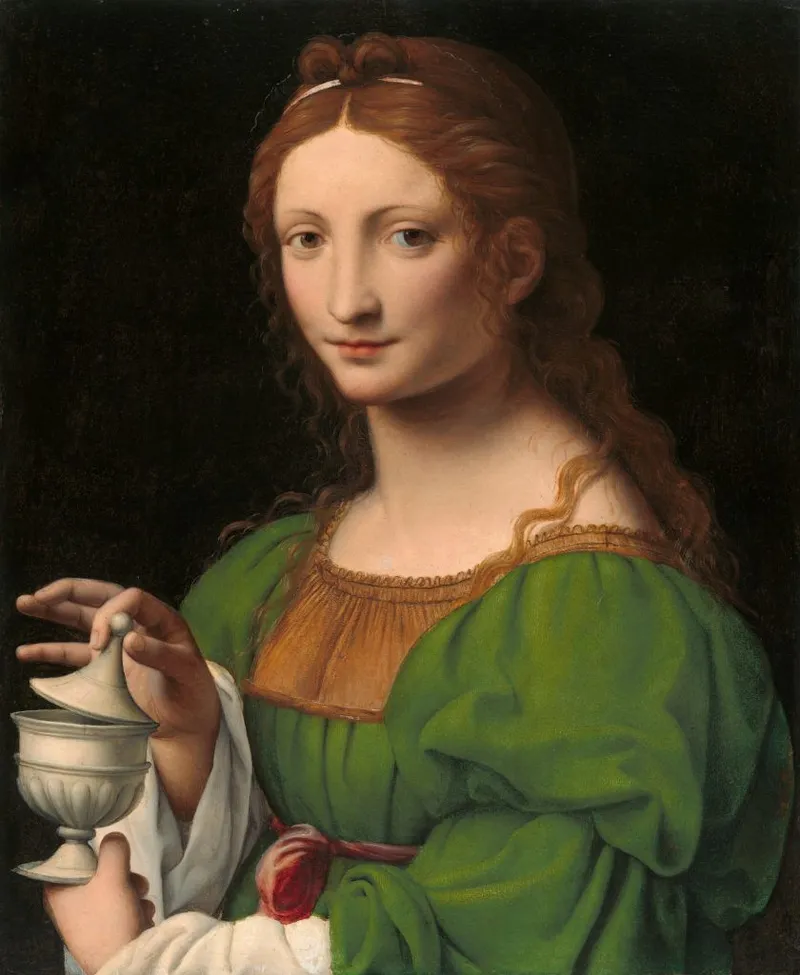
Puberty had been considered a turbulent age for centuries. But, for many doctors in the 19th century, the onset of menstruation had become connected with desire, with both the young women becoming desirable to men, and starting to experience desire themselves. Dr Ambroise Rue would describe
As for symptoms, because the list was vague, ever-changing, and constantly expanding, there were times, such as the
That’s the thing that makes conditions like green sickness so interesting, but also so tricky. They encapsulated but also obscured many other things that might be happening to someone, from the physiological to the psychological. Still, although there was much overlap between medical categories, and the way people understood diseases was always changing, an 18th-century doctor like Bienville summed up the emotional and physical changes behind green sickness, defining the typical patient like this:
‘This disorder frequently surprises the younger part of the sex [girls], at a marriageable age, when their hearts, premature in love, have warmly pleaded in favour of some youth, for whom they feel a desperate passion, the gratification of which is opposed by insurmountable obstacles’.
This is why, similarly to
Patriarchy and Medicine: Getting Married as a ‘Cure’…?
In Romeo and Juliet, Romeo says: ‘Her vestal livery is but sick and green,/And none but fools do wear it. Cast it off.’ He’s evocating the imagery of greenness and virginity and, quite bluntly, saying that Juliet should be rid of it, with his help, naturally. But Romeo isn’t the only one in the play to worry about this. At the beginning of the play, Juliet’s father, Lord Capulet, is eager to marry her off to Paris. When she refuses, he says ‘Out, you green-sickness carrion!’, among other insults. He is frustrated with her, sure, but we can also assume that he might be worried about her health.
I started this text with a father worried about his daughter asking his friend, a physician, for advice. Essentially, Anna’s father had two questions: what was wrong with her, and should she get married? The doctor’s reply covered both. Yes, she should marry, and that would cure her condition. But why? Well, I talked a little bit about how young women suffering from green sickness were perceived as full of desire, emotionally ready for sex which, of course, for them to be ‘respectable’ meant sex within the context of a heterosexual marriage. But that’s not the whole story. Remember how I mentioned that young female bodies were believed to struggle when menstruation started, because the blood was too slow or thick, and the vessels around the womb were too thin? Well, traditionally, doctors had recommended that sexual activity was the main way to ‘correct’ all this, as intercourse enlarged or opened the vessels of the womb and encouraged the blood to move around. So, the cure for the disease of virgins was essentially to stop being a virgin.
Regardless of how much medical sense this makes which, admittedly, is not a lot, let’s stop and think about this sudden preoccupation with virginity. For centuries, virginity had been praised within Christianity, not to mention in antiquity, for both men and women, with saints and prophets being lauded for their virginity. Just think of the Virgin Mary. But, in the mid-
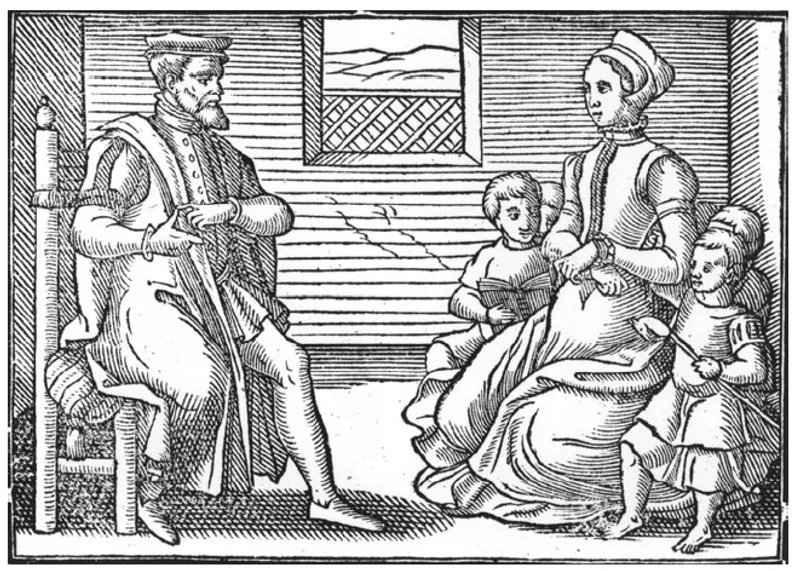
There’s another factor at play here, though: the typical age when young girls would get their first period, which varied greatly through time. But it’s probably fair to say that in antiquity and the
It’s important to say that marriage wasn’t the only treatment suggested for green sickness. In
‘Stamp 1 handful Rue, 2 Red Sage, strain juice, add to 1 pt hot honey, spoonful Pepper. Stir. Give 1 spoonful and half, blood warm, morning and evening. Plus to eat, 4 or 5 times daily, 5 or 7 ‘Raisins of the Sunne’.
This would mix abortifacient herbs and red ingredients, and red is symbolic here, as we’re thinking of menstruation. Besides remedies for inducing menstruation, the midwife
So, you have doctors encouraging marriage as close as possible to the onset of menstruation, saying that going from girlhood to womanhood was basically beneficial to your health. If female puberty and sexuality were issues to be solved, early marriage could even be a sort of profilatic measure to young women in general, besides a ‘treatment’ for green sickness. Essentially, doctors were acting here, whether consciously or not, as a tool of patriarchal socialisation, in a society in which regulating and controlling young women’s sexuality and bodies was considered important. Marriage was the most socially acceptable way for a young woman’s body, a virgin’s body, to be put under male control. Once married, these young women’s sexuality would be socially and religiously sanctioned. It would be ‘normal’, ‘healthy’, acceptable and accepted. So, when marriage is suggested as the ‘easiest’ way to cure green sickness, this should really give us pause.
Final Thoughts
Let’s get back to Anna, the girl Dr Lange diagnosed by letter and which some people say may never have existed. Regardless of her real story, for centuries her case served as the prototype of green sickness; it added a narrative to the doctor’s own interpretation of Hippocratic and Galenic theories and codified the ‘disease of virgins’. Green sickness is kind of unique in terms of the history of medicine, because it started and finished in precise moments in time, from Lange’s mid-
So, rather than asking what it was, it’s perhaps more useful to ask what was green sickness for? What were the implications of being seen as suffering from it? Why were these symptoms connected to young girls around the time they started menstruating? There are many possible explanations here depending on time and place, from the 16th and 17th centuries’ rise of Protestantism making marriage and motherhood even more the ‘proper’ path for girls, to the peak of green sickness in the 19th century and the concerns around women being educated and social anxieties around longer periods between the onset of menstruation and marriage. But this was also a time in which the dangers of female sexuality were discussed by many and nymphomania and hysteria, both gendered diseases, were the focus of many doctors. In terms of the history of ideas or intellectual history, we could probably say that, with its connection to classical thought, the rise of green sickness went hand in hand with the rediscovery of Greek medical texts in the
In terms of science and technology, experimenting with blood had been happening for centuries, but it really intensified and became much more sophisticated in the 19th century. And so, by the end of the century, green sickness kind of ‘became’ hypochromic anaemia, from a physiological perspective – but that doesn’t mean we should just explain away the ‘disease of virgins’ as an archaic way of talking about iron-deficiency anaemia which, by the way, can affect people of all ages and of any sex. As I mentioned at the beginning, throughout its history green sickness covered many different conditions and was constantly being reshaped. But, with the shift to anaemia, some of the moral policing behind the condition was diminished, even if the management and control of the patient remained central to most therapies. Leaving the body aside and thinking of the mind, we could argue that, later, with Freud’s writings about
There are some diseases, like tuberculosis, in which there’s an ‘eureka’ moment in the lab. When doctors understand its causes, symptoms, and possible treatments. And there are others, like green sickness, which are a loose collection of symptoms, which change through time, which get mixed up with other conditions, both physical and psychological. In modern terms, green sickness embraced a wide range of conditions and symptoms, from digestive and hormonal disturbances to undesirable behaviour or emotional states. The variety of symptoms and the vague definition of green sickness, with the overlap with other conditions, and the focus of doctors shifting from the stomach, to the womb, to the liver and the blood, meant that this label, confusing as it was, was highly flexible and adaptable and that led to its longevity. With ideas about the body and technology changing, green sickness was adapted to fit with these new ways of thinking. Arguably, the one thing that remained constant throughout its history was the focus on female puberty and virginity. Young women were infantilised by society but, once they were ‘ripe’ for marriage, it was advisable that they should marry quickly, shifting from the control of their families – especially their fathers – to that of their husbands. Doctors argued that this was for their health, of course, and I’m sure many of them did genuinely believe so, without malice. But we know our perceptions are shaped by the culture we live in, and doctors are no exception. For instance, the idea that the condition was made worse by young women spending time together, such as in boarding schools, highlights the unease at girls forming social networks and potentially being out of male control. Arguably, these anxieties about female puberty and sexuality – not to mention female agency and education – were at the basis of how green sickness, in its many forms, was constructed. Codified as a disease, diagnosis would be followed by treatment, managed by doctors with marriage and ideally motherhood ‘curing’ the patient.
There’s much more that could be said about the ‘disease of virgins’, but in this article I tried to focus on the role green sickness played throughout time in how the female body was understood and how young women’s sexuality was regulated. (By the way, there are lots of references and reading recommendations below, but if you were to read just one book, the one by Helen King, is probably the best overview that there is of green sickness.) Anyway, as a social phenomenon, a disease doesn’t exist until people agree it does – which often coincides with it being named. Whether intentionally or not, medical writings created a ‘natural’, medical reason why women were better off in the home as wives and mothers, excluded from the public sphere. By defining the roles women should play in society, medicine also cautioned them of what the consequences of going against their ‘natural’ place would be. And this is why I’m so fascinated with the history of medicine. Although we like to think of medicine as ‘scientific’ and ‘objective’, there is much overlap between the medical and the social; medicine can and has been used to legitimise cultural norms and strict gender roles. So, if you managed to stick with me through the weird and frankly disturbing history of green sickness, I salute you! Thank you, and see you next time!
References:
Anon., Aristotle’s Masterpiece (1694).
Jean Astruc, A Treatise on all the Diseases incident to Women (1743).
D. T. de Bienville, *Nymphomania, or a Dissertation Concerning the Furor Uterinus (*1775).
Byrom Bramwell, Anaemia and Some of the Diseases of the Blood-Forming Organs and Ductless Glands (1899).
William Bullein, A Newe Booke Entituled the Gouernment of Healthe (1558).
J. M. H. Campbell, ‘Chlorosis: A Study of the Guy’s Hospital Cases During the Last Thirty Years’, Guy’s Hospital Reports 73, pp. 247-97.
Andrew Clark, ‘Observations on the Anaemia or Chlorosis of Girls, Occurring More Commonly Between the Advent of Menstruation and the Consummation of Womanhood’, Proceedings of the Medical Society of London, 11, pp. 55-66 (1887).
Andrew Fogo, Observations on the Opinions of Ancient and Modern Physicians, Including those of the Late Dr Cullen on Amenorrhea, or Green-Sickness (1803).
Robert Greene, Mamillia. A mirrour or looking-glasse for the ladies of Englande (1583).
Hippocrates, Hippocratis Coi Medicorum Omnium longe…, trans. by Marco Fabio Calvi (1525).
Frederick Hollick, the Diseases of Women: Their Causes and Cure Familiarly Explained with Practical Hints for their Prevention and for the Preservation of Female Health (1852).
Johannes Lange, Medicinalium epistolarum miscellanea (1554).
William Langham, The Garden of Health (1597).
John Maubrey, The Female Physician, Containing All the Diseases Incident to that Sex (1724).
Luis Mercado, De mulierum affectionibus (1579).
Ambroise Rue, ‘Essai sur la première menstruation, précédé de quelques considerations sur la chlorose’, Paris Medical Faculty (1819).
Jane Sharp, The Midwives Book, or the Whole Art of Midwifry Discovered (1671).
Thomas Sydenham, The Entire Works (1753).
Lawson Tait, Diseases of Women and Abdominal Surgery, vol. 1 (1889).
John Tanner, The Hidden Treasures of the Art of Physick (1659).
Armand Trousseau, Lectures on Clinical Medicine, vol. 5 (1872).
Jean Varandal, De morbis et affectibus mulierum (1619).
Further Reading:
Margret Berger (ed.), Hildegard of Bingen, On Natural Philosophy and Medicine: Selections from Cause et cure (1999).
Peter Brain, Galen on Bloodletting*:* A Study of the Origins, Development and Validity of His Opinions, with a Translation of the Three Works (1986).
Karl Guggenheim, ‘Chlorosis: The Rise and Disappearance of a Nutritional Disease’, Journal of Nutrition 7, pp. 1822-5 (1995).
Axel Hansen, ‘Die Chlorose im Altertum’, Sudhoffs Archiv fur Geschichte der Medizin (24) (1931), pp. 175-184.
Helen King, The Disease of Virgins: Green Sickness, Chlorosis and the Problems of Puberty (2004).
Irvine Loudon, ‘Chlorosis, Anaemia and Anorexia Nervosa’, British Medical Journal 281(1), 1980, pp. 1669-75.
_____, ‘The Diseases called Chlorosis’, Psychological Medicine 14, 1984, pp. 27-36.
Ian Maclean, The Renaissance Notion of Woman: A Study in the Fortunes of Scholasticism and Medical Science in European Intellectual Life (1980).
Julia Martins, ‘Flowers’, Centre for Early Modern Studies KCL blog (2021).
Gail Kern Paster, The Body Embarassed: Drama and the Disciplines of Shame in Early Modern England (1993).
Paul Slack, ‘Mirrors of health and treasures of poor men: the uses of the vernacular medical literature of Tudor England’, in Charles Webster (ed.), Health, Medicine and Mortality in the Sixteenth Century (1979), pp. 237-73.