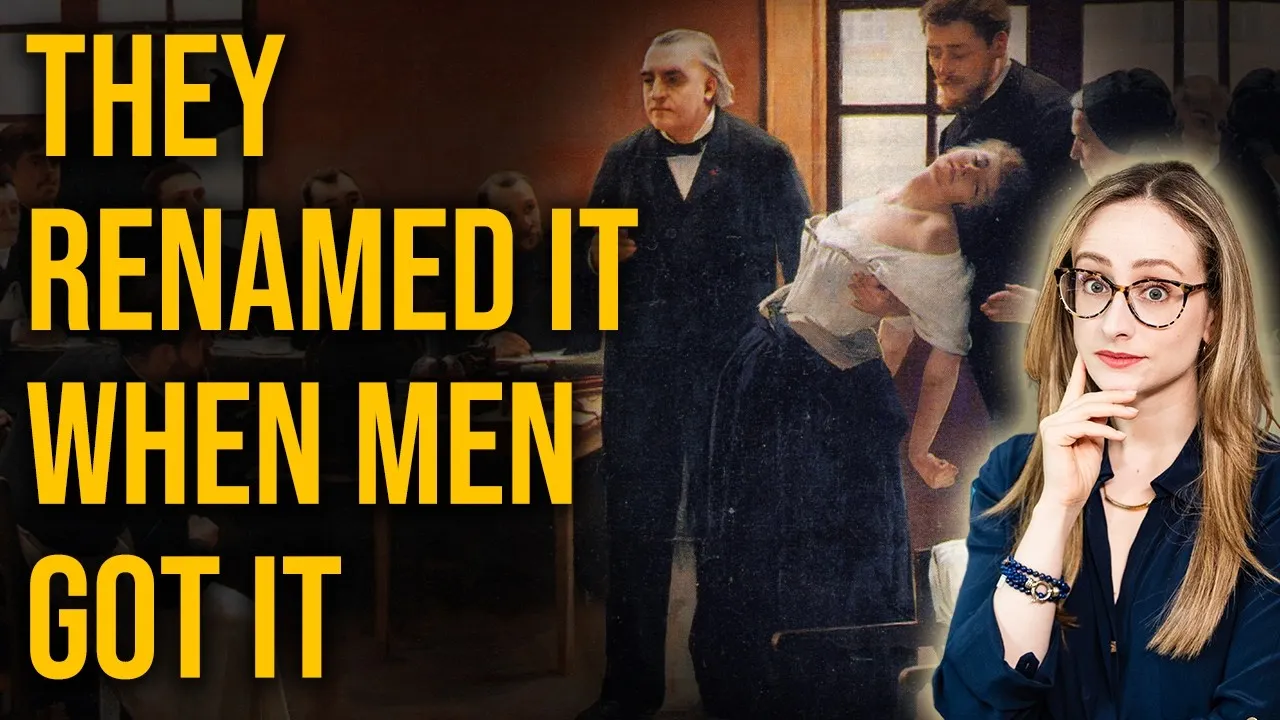
The History of Hysteria: Medical Misogyny in a Nutshell
From wandering wombs to shell shock: how medicine kept finding new words for what it could not explain about women.

The Tiffany Problem: 10 'Modern' Things That Are Way Older Than You Think
From ancient Roman fast food to medieval almond milk—ten things that feel modern but have been around for centuries.

Why The Secret Agent is the Most Important Brazilian Film Right Now
Two Brazilian historians explore Kleber Mendonça Filho's The Secret Agent and Brazil's unfinished reckoning with its military dictatorship.
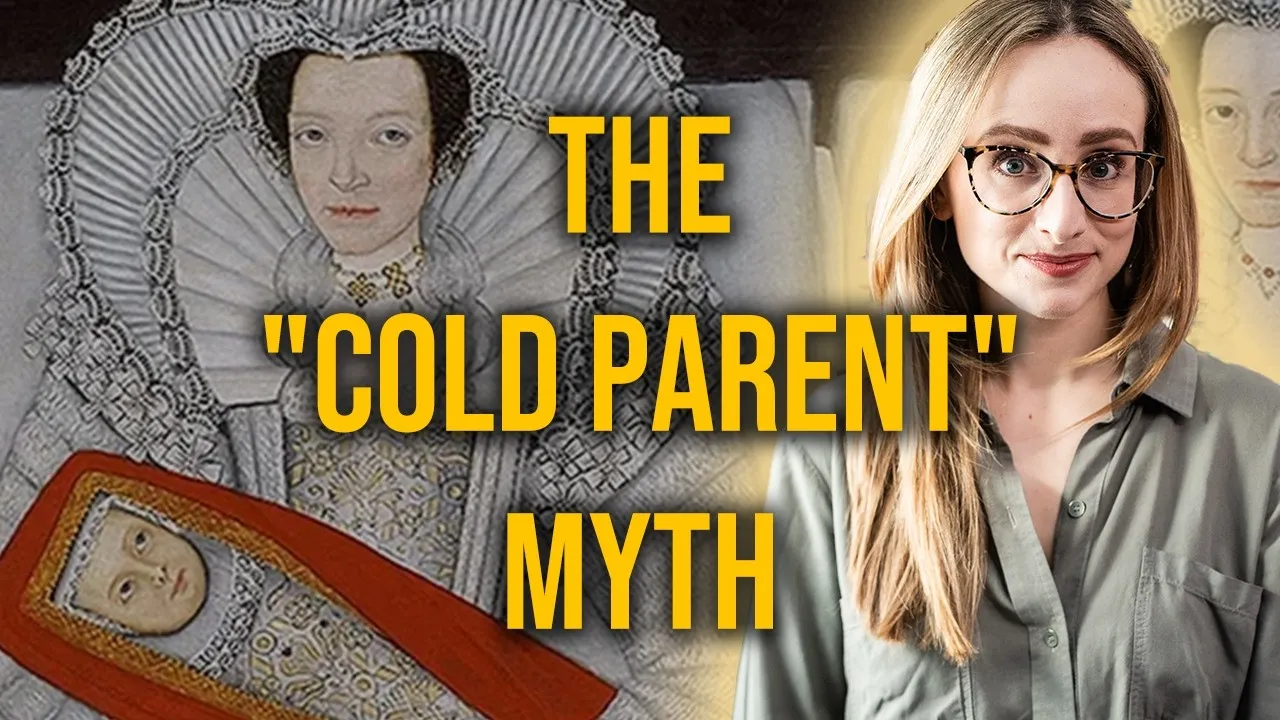
What Hamnet Gets Right (And Historians Got Wrong)
Did parents in the past love their children? Explore the historical debate on parental love and grief that Hamnet brings to life so powerfully.
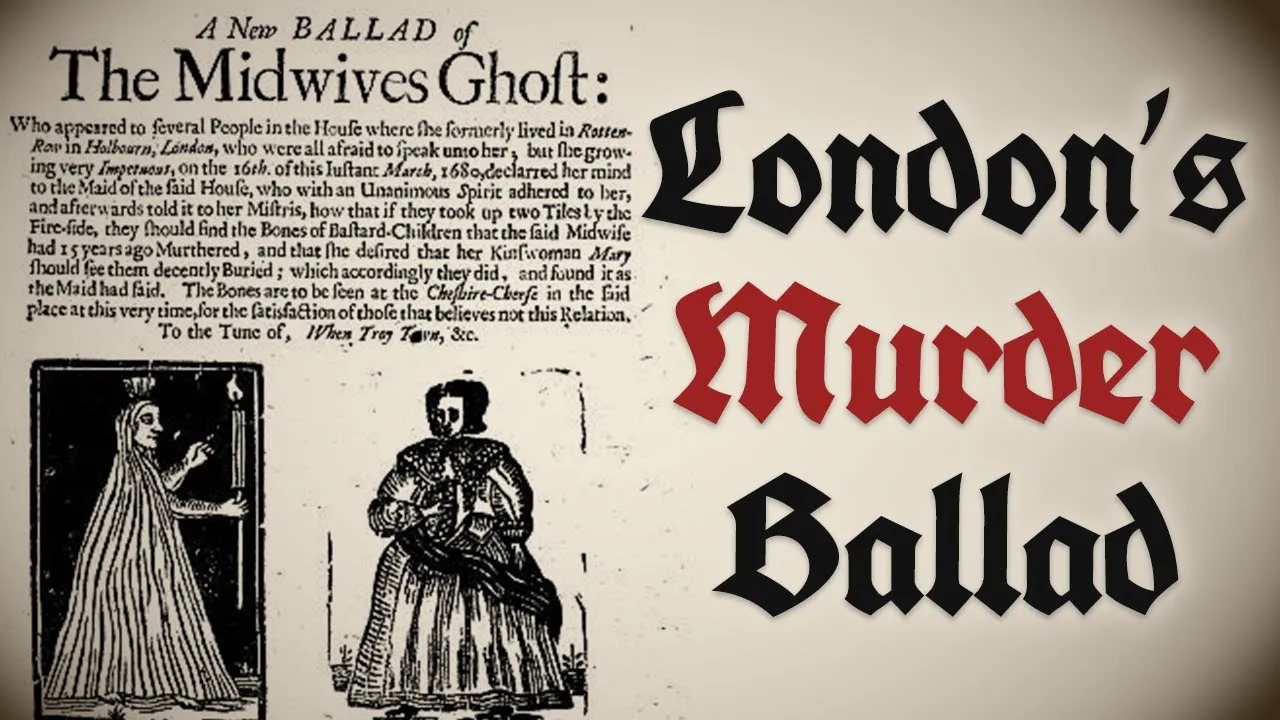
The Midwife’s Ghost: A Murder Ballad from 1680
Discover the haunting 1680 ballad of a murdered midwife's ghost—sensationalized news set to music, recorded by Samuel Pepys himself.
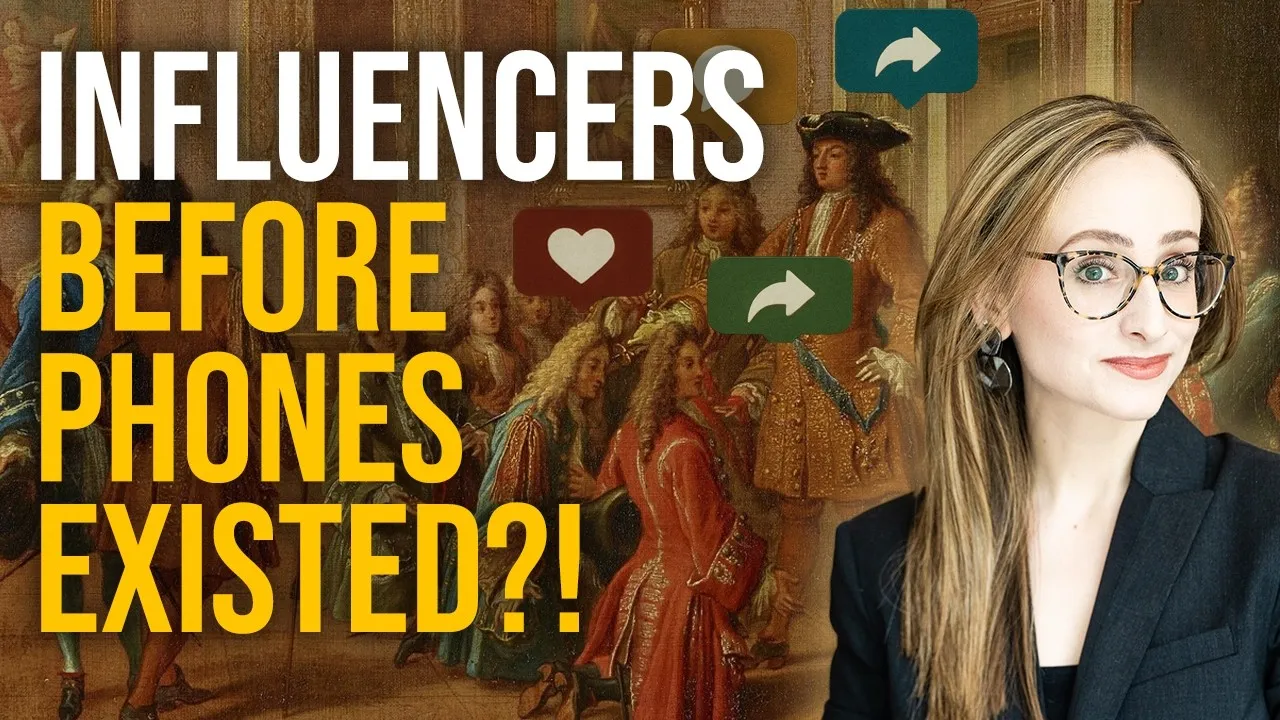
Before TikTok: History's ORIGINAL Influencers
From Versailles courtiers to Black dandies and salonnières—discover how history's original influencers shaped culture through self-fashioning.

How Water Cures Revolutionised Medicine in the 16th Century
Discover Renaissance spa culture—from fertility baths in Naples to Leonardo Fioravanti's water cures that challenged traditional medicine.
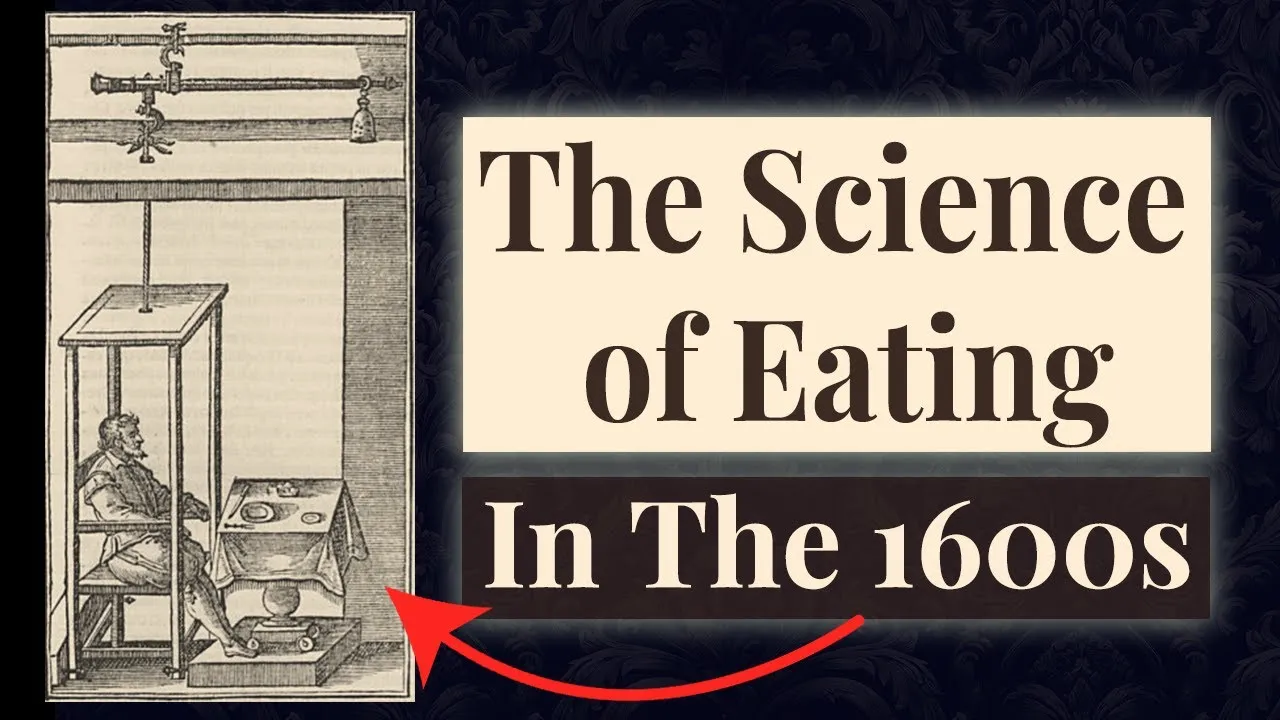
17th Century "Intuitive Eating": Paracelsus and Digestion
Discover how Paracelsian medicine revolutionized 17th-century diet advice, empowering people to trust their bodies over doctors' rules.
What were the "Non-Naturals"?
Learn about the six non-naturals—air, food, sleep, exercise, evacuation, and emotions—that shaped preventive medicine for centuries.
Green Sickness: A Historical Look at the 'Disease of Virgins'
Explore the mysterious disease of virgins that shaped medical control over young women from the 1550s to 1920s through marriage and motherhood.
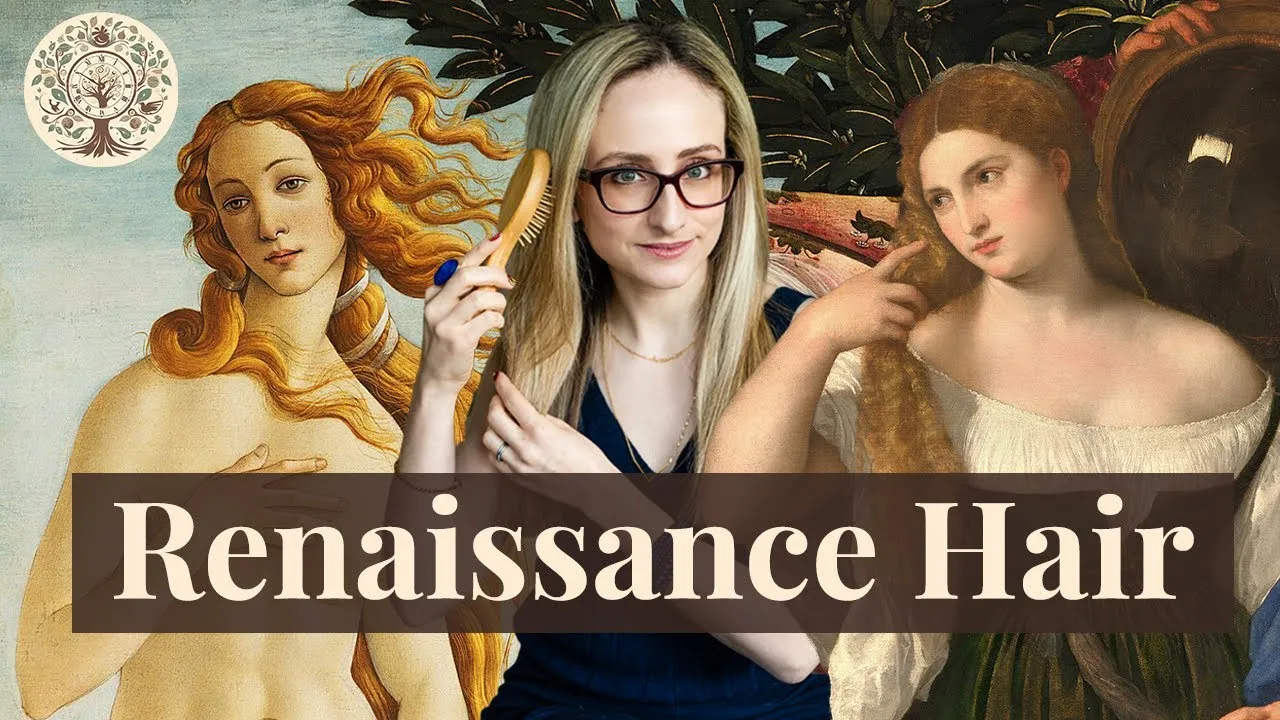
Golden Locks: Hair Care in the Renaissance Era
Discover Renaissance hair care—from dove droppings for hair loss to sun-bleaching on Venetian rooftops for that coveted golden blonde.
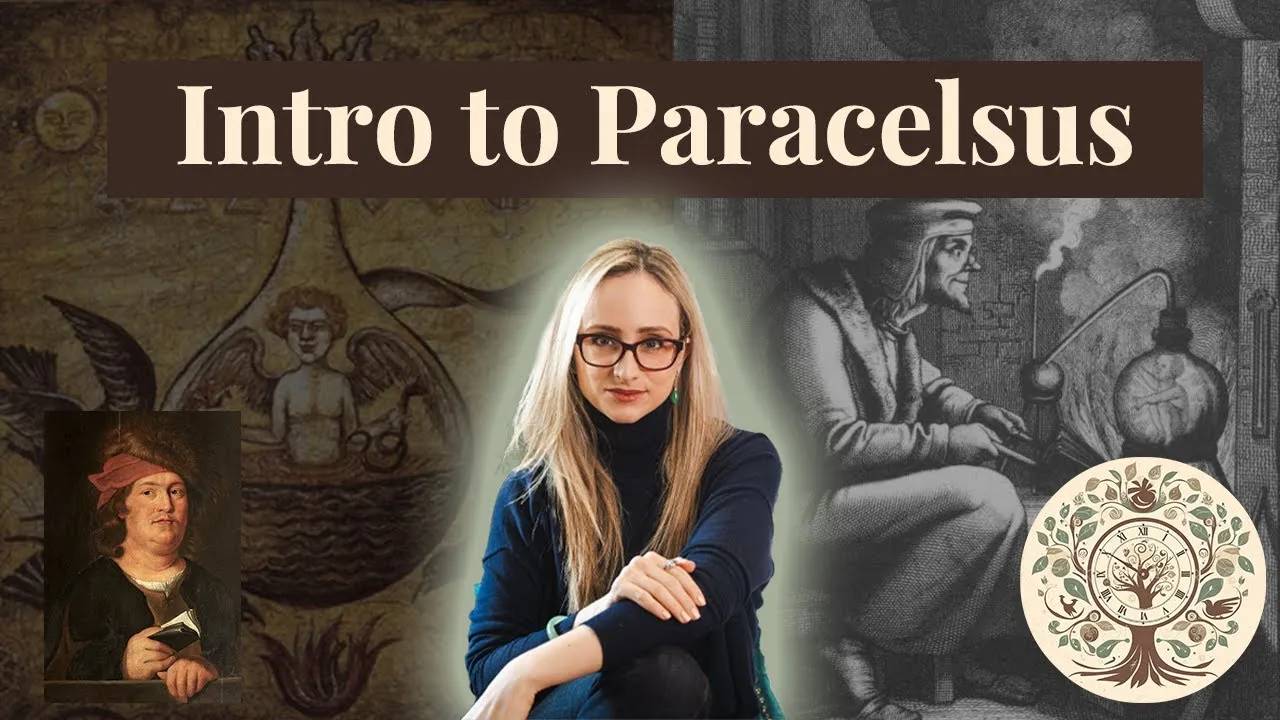
Paracelsus: The Renaissance Physician Who Set Fire to Medical Tradition
He publicly burned Galen, dosed patients with mercury, and got exiled from Basel. The life and legacy of early modern medicine's most controversial figure.
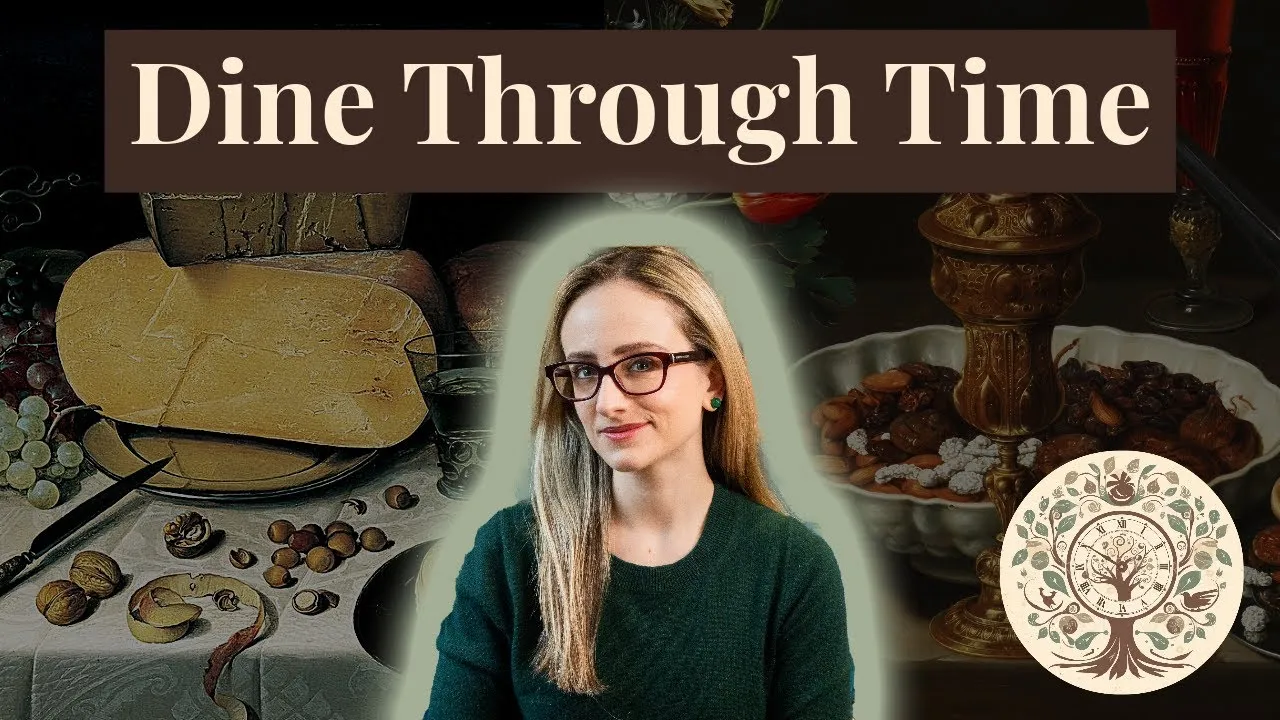
The Medicine behind food – from starters to desserts
Discover why we eat soup first and cheese last—the humoral theory and Renaissance medicine shaped our modern meal structure.
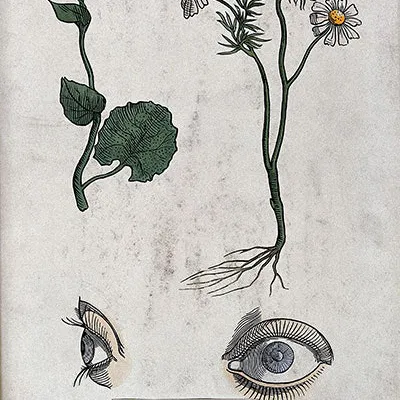
What is the 'Doctrine of Signatures'?
Discover how Renaissance physicians believed plants revealed their healing powers through shape, color, and resemblance to body parts.
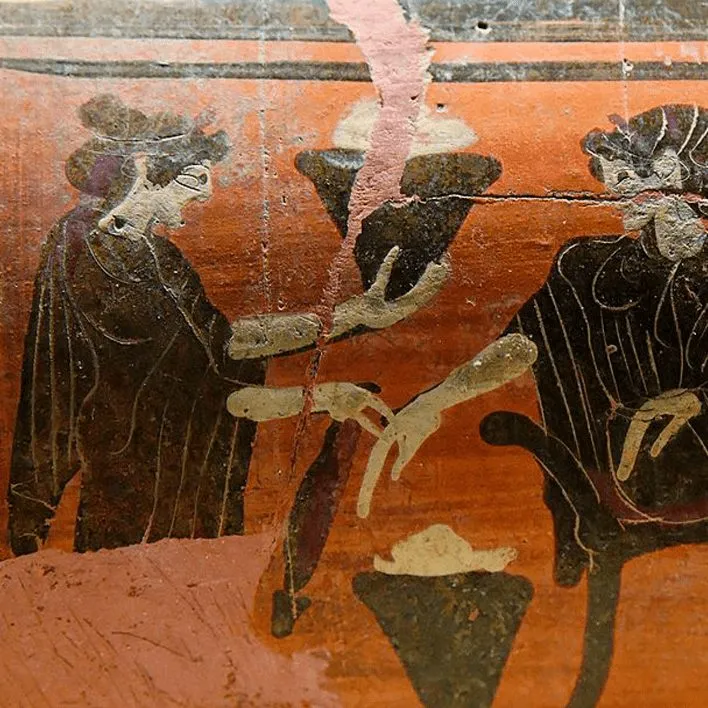
What is the ‘Wandering Womb’?
Discover the ancient Greek theory of the 'wandering womb'—an animal inside an animal, moving through the body in search of moisture.
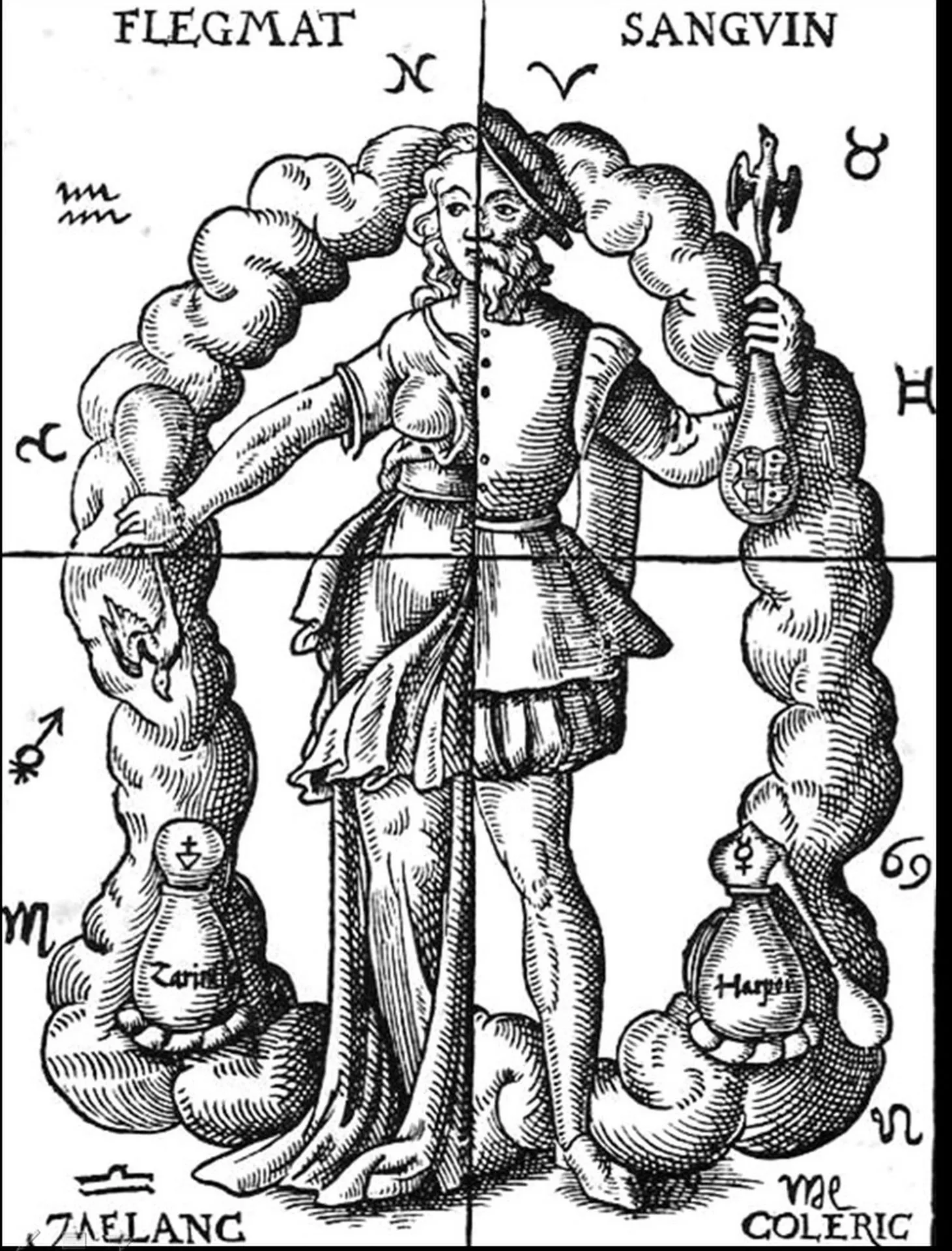
Humoral Theory: How the Four Humours Shaped Medicine for 2,000 Years
Blood, phlegm, yellow bile, and black bile — the four humours formed the foundation of Western medicine from ancient Greece to the 18th century.
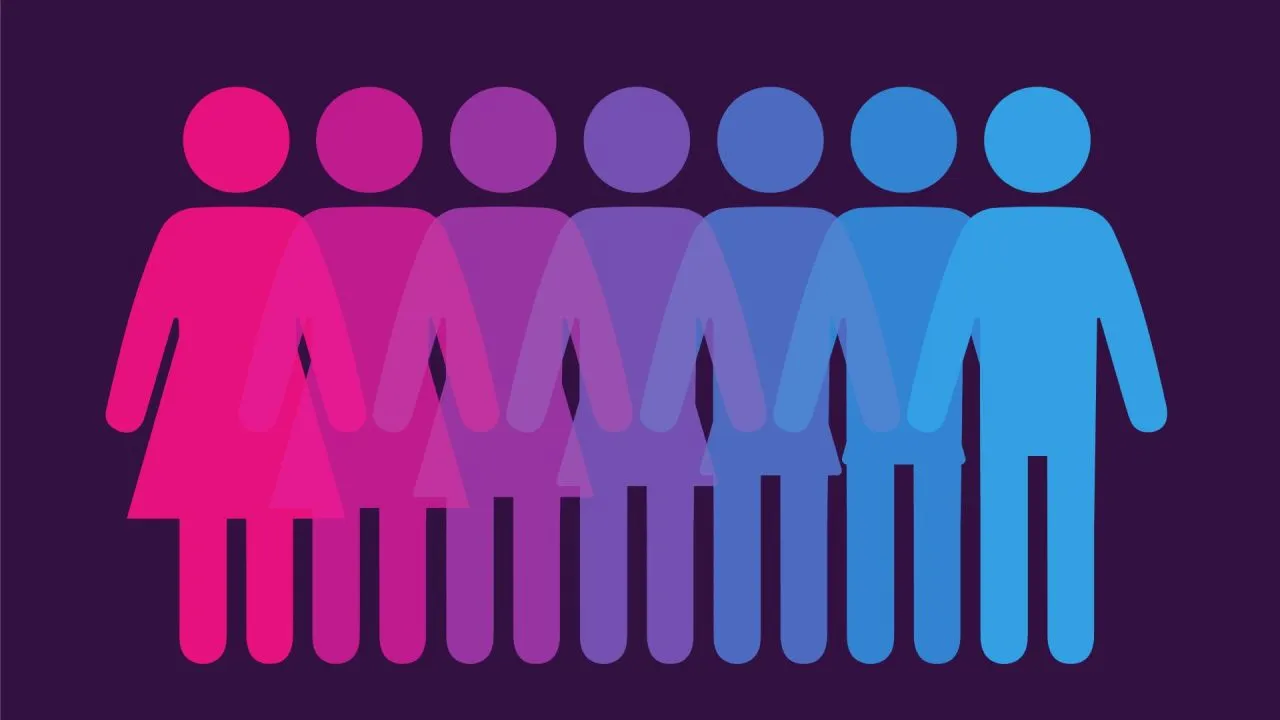
What is Gender History?
From Virginia Woolf's lament to second-wave feminism—discover how gender history emerged to challenge incomplete narratives and rewrite the past.

What is Cultural History?
Explore cultural history—not just the history of culture, but how people made meaning of their world through symbols, rituals, and everyday life.
The History of Hysteria: Medical Misogyny in a Nutshell
From wandering wombs to shell shock: how medicine kept finding new words for what it could not explain about women.
The Tiffany Problem: 10 'Modern' Things That Are Way Older Than You Think
From ancient Roman fast food to medieval almond milk—ten things that feel modern but have been around for centuries.
Why The Secret Agent is the Most Important Brazilian Film Right Now
Two Brazilian historians explore Kleber Mendonça Filho's The Secret Agent and Brazil's unfinished reckoning with its military dictatorship.
What Hamnet Gets Right (And Historians Got Wrong)
Did parents in the past love their children? Explore the historical debate on parental love and grief that Hamnet brings to life so powerfully.
The Midwife’s Ghost: A Murder Ballad from 1680
Discover the haunting 1680 ballad of a murdered midwife's ghost—sensationalized news set to music, recorded by Samuel Pepys himself.
Before TikTok: History's ORIGINAL Influencers
From Versailles courtiers to Black dandies and salonnières—discover how history's original influencers shaped culture through self-fashioning.
How Water Cures Revolutionised Medicine in the 16th Century
Discover Renaissance spa culture—from fertility baths in Naples to Leonardo Fioravanti's water cures that challenged traditional medicine.
17th Century "Intuitive Eating": Paracelsus and Digestion
Discover how Paracelsian medicine revolutionized 17th-century diet advice, empowering people to trust their bodies over doctors' rules.
What were the "Non-Naturals"?
Learn about the six non-naturals—air, food, sleep, exercise, evacuation, and emotions—that shaped preventive medicine for centuries.
Green Sickness: A Historical Look at the 'Disease of Virgins'
Explore the mysterious disease of virgins that shaped medical control over young women from the 1550s to 1920s through marriage and motherhood.
Golden Locks: Hair Care in the Renaissance Era
Discover Renaissance hair care—from dove droppings for hair loss to sun-bleaching on Venetian rooftops for that coveted golden blonde.
Paracelsus: The Renaissance Physician Who Set Fire to Medical Tradition
He publicly burned Galen, dosed patients with mercury, and got exiled from Basel. The life and legacy of early modern medicine's most controversial figure.
The Medicine behind food – from starters to desserts
Discover why we eat soup first and cheese last—the humoral theory and Renaissance medicine shaped our modern meal structure.
What is the 'Doctrine of Signatures'?
Discover how Renaissance physicians believed plants revealed their healing powers through shape, color, and resemblance to body parts.
What is the ‘Wandering Womb’?
Discover the ancient Greek theory of the 'wandering womb'—an animal inside an animal, moving through the body in search of moisture.
Humoral Theory: How the Four Humours Shaped Medicine for 2,000 Years
Blood, phlegm, yellow bile, and black bile — the four humours formed the foundation of Western medicine from ancient Greece to the 18th century.
What is Gender History?
From Virginia Woolf's lament to second-wave feminism—discover how gender history emerged to challenge incomplete narratives and rewrite the past.
What is Cultural History?
Explore cultural history—not just the history of culture, but how people made meaning of their world through symbols, rituals, and everyday life.