 Dr Julia Martins
Update
This article is a brief description of Green Sickness. I have released a much more detailed discussion called “Green Sickness: A Historical Look at the ‘Disease of Virgins’” you might be interested in.
From the mid-
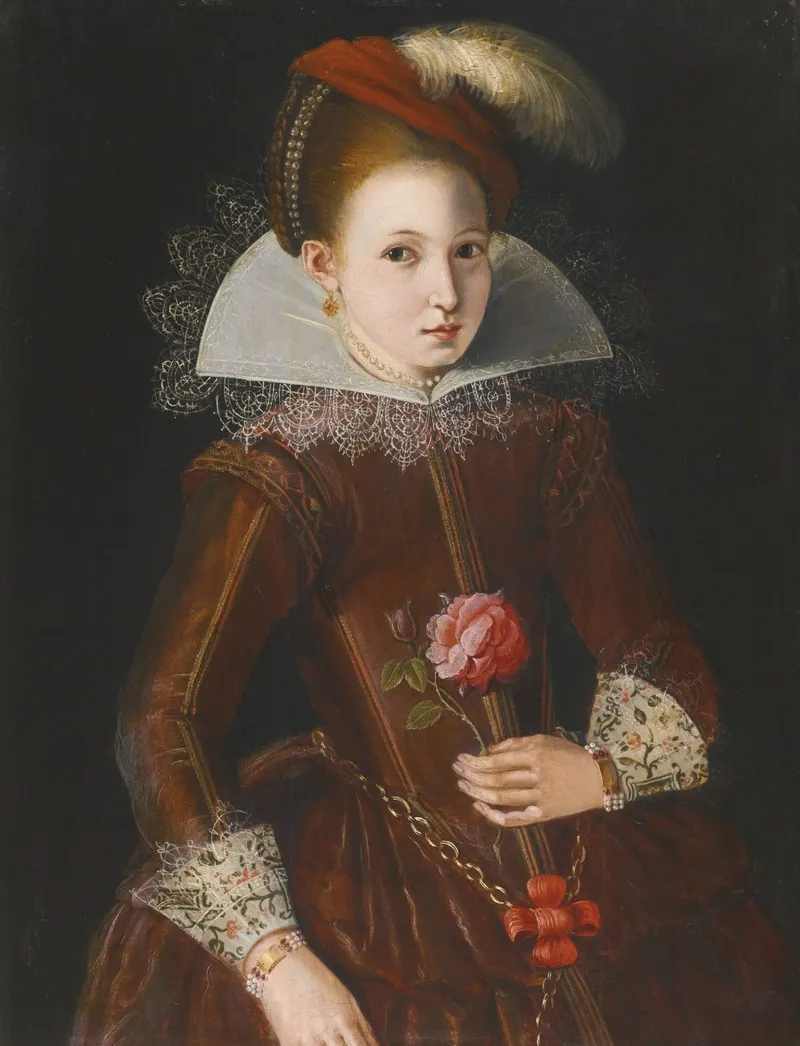
But first things first. Medical historians are often asked about the contemporary equivalent of a given condition in the past. But it’s usually a bad idea to try comparing historical sources describing illnesses with how we understand medicine today. Green sickness has been associated with several modern conditions, from anorexia nervosa to
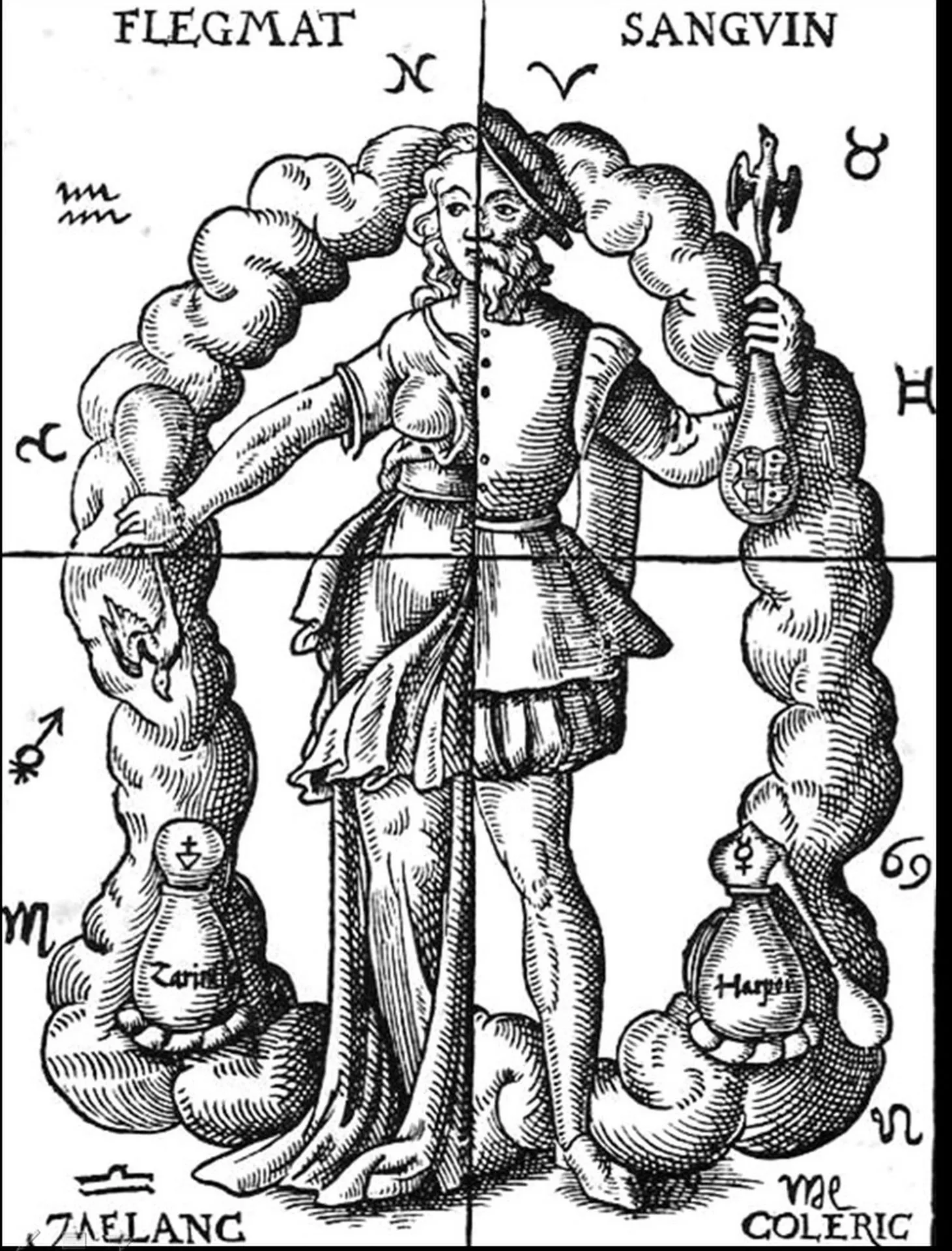
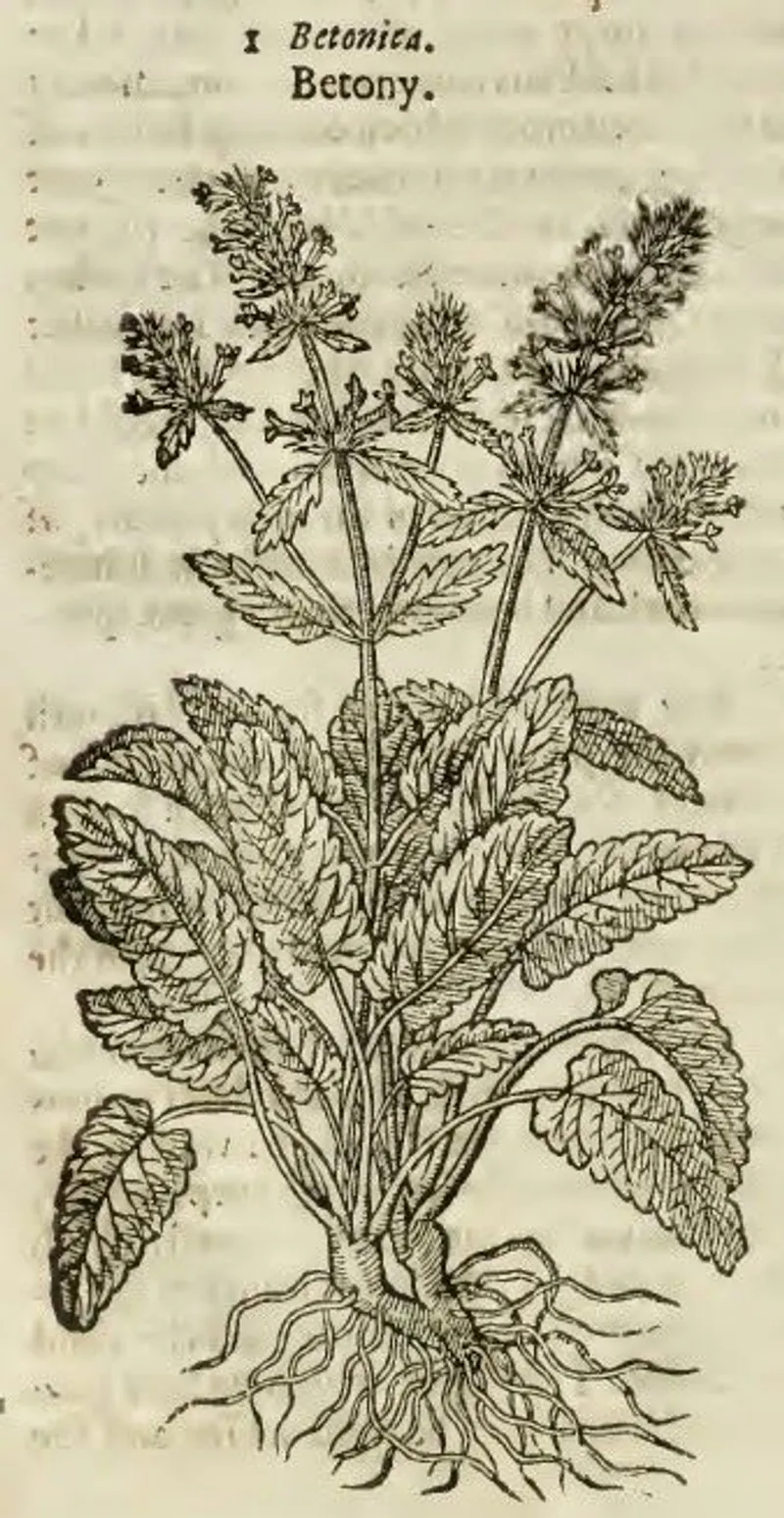
Our understanding of diseases and the body change more through time than we realise, and green sickness was a disease born out of the humoral understanding of the body, which prioritised fluids over organs as what determined medical conditions. In the case of green sickness, blood (and specifically menstruation) was central. Blockages in the natural economy of fluids, such as menstrual retention, were a serious medical concern. Therefore, it is not surprising that treatments included recipes to provoke menstruation, often using ‘hot and dry’ ingredients, such as onions, ‘red’ sage, betony, or rue. The condition was also closely related to hysteria, another gendered disease that would emerge centuries later. So, where does marriage come into that?
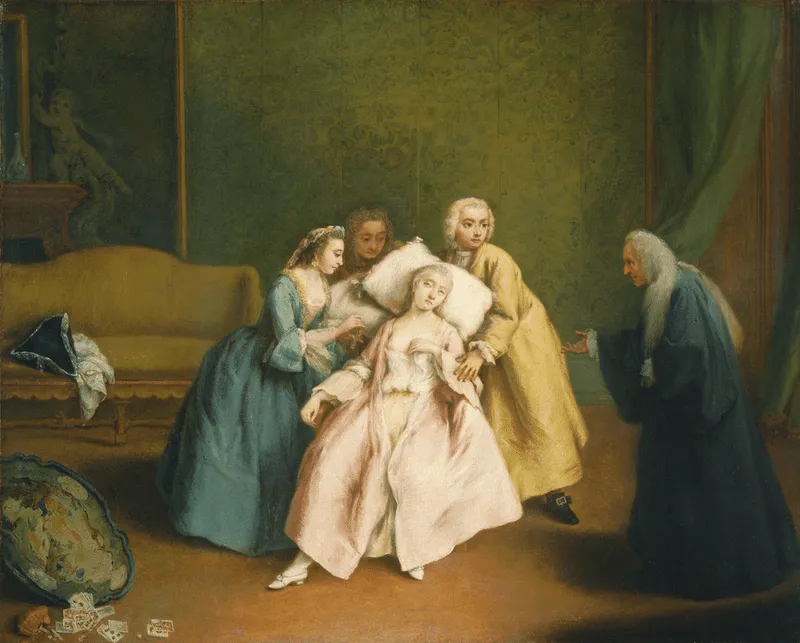
Let’s take a step back and start by thinking of the name ‘disease of virgins’ itself. How do we name diseases? Naming implies defining a condition and, often, gendering it (‘mother’s thumb’ is a great example). ‘Disease of virgins’ implied that it was mainly young women going through puberty who could develop the condition, although not exclusively. The pale colour of the skin was also central in how it was known and remained an important aspect of the description of the disease of virgins. In the early
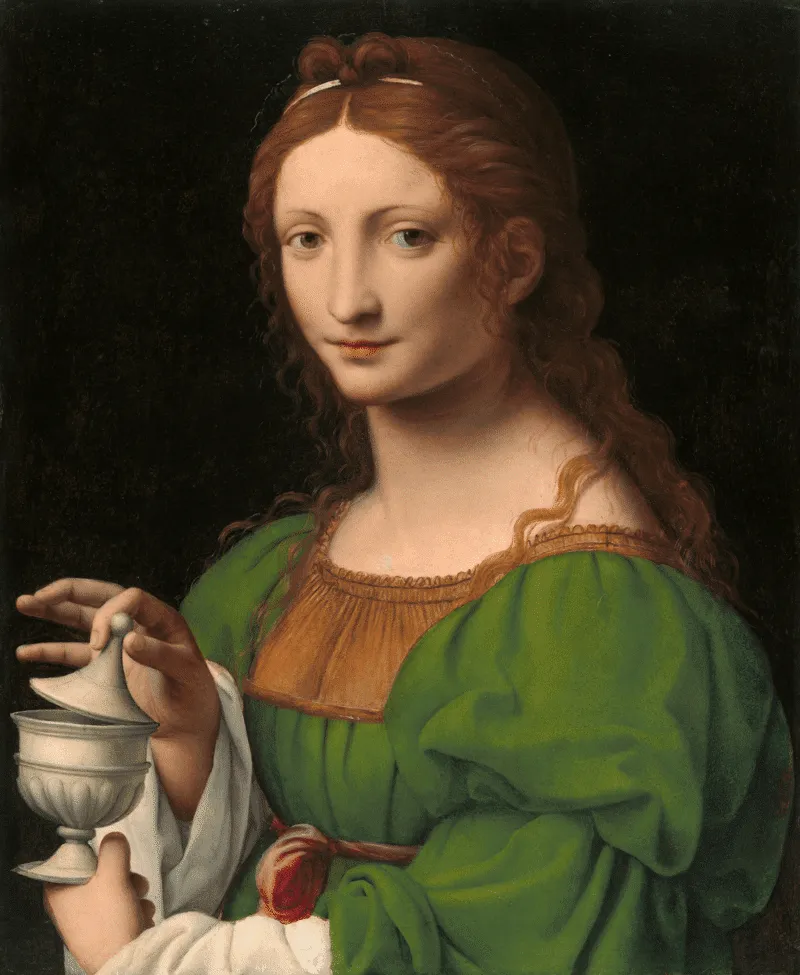
But ‘green’ could also mean other things. In Shakespearean fashion, it could also signify envy, as young girls could envy older women’s experience and their access to the world of sex (think Snow White, but in reverse!). Besides that, green was also associated with nature, and sex itself (prostitutes were often depicted wearing green in early modern imagery).
Menstruation itself was often referred to as the ‘flowers’, which, following the horticultural metaphor, preceded the fruit (a child). However, the absence of menstruation, one of the main symptoms of green sickness, was an ambiguous sign. What if the ‘innocent’ girl had become pregnant? Contrary to today, the absence of menstruation was not always associated with pregnancy, which would usually only be confirmed by ‘quickening’ (when the pregnant person felt foetal movement). Still, it could raise uncomfortable questions, especially in a patriarchal society where property rights followed a patrilineal logic. It’s not surprising, therefore, that if a young girl stopped menstruating, marriage was advised. This allowed socially and religiously accepted sexual activity, which was thought to have medical benefits to women while keeping them firmly in the role of wives and mothers.
So… was the ‘disease of virgins’ just a convenient excuse to police female sexuality? That would be too simplistic, yet it is striking how many conditions would fit this mould. Nymphomania, which became a prominent disorder from the 17th century, was also gendered, affecting women and young girls – coincidentally, particularly when they started menstruating. Masturbation was an important symptom and again, this condition was also best treated by marriage, which kept developing sexuality within a heterosexual and patriarchal institution.
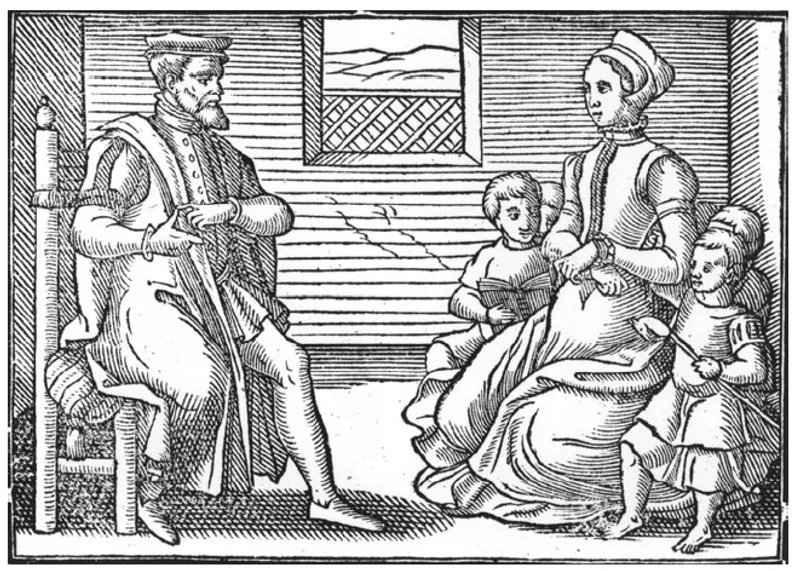
But green sickness patients were described in a very different way to nymphomaniacs. Like many other medical conditions (think of Victorian ‘hysterical’ women), this was a disease of ‘delicate femininity’, which could even make girls more attractive, by underlining their fragility and getting them closer to the feminine ideal. In the construction of the ‘disease of virgins’, the emphasis on paleness was central, and the racial aspect shouldn’t be underestimated. This was a disease connected to whiteness: patients had a pretty ‘rosy and white’ complexion. Physicians described the beauty of their patients, who were often blondes. Besides race, there was a class element at play as well: green sickness was rarely diagnosed in countrywomen, who were thought to be stronger and used to more physical work. Green sickness was a disease of ‘weak’, ‘fragile’ people. It could even affect ‘feeble boys’, although this was much rarer. For instance, Shakespeare mentioned male green sickness in Henry IV Part 2, describing these young men as ‘fools and cowards’. Misogyny meant that a man suffering from this disease was effeminate and fragile, and his masculinity was threatened.
Young girls suffering from the ‘disease of virgins’ were described as passive and submissive by physicians, often in an eroticised way. These inexperienced girls were in sharp contrast to the ‘difficult’ hysterics of the late 19th and early 20th centuries described by Freud and other psychoanalysts. The innocent patient suffering from green sickness was much more pliable than the more sexually experienced, ‘manipulative’ hysterics. However, both conditions were heavily gendered, relied on misogynistic ideas, and could be treated in similar ways (such as with electric shocks).
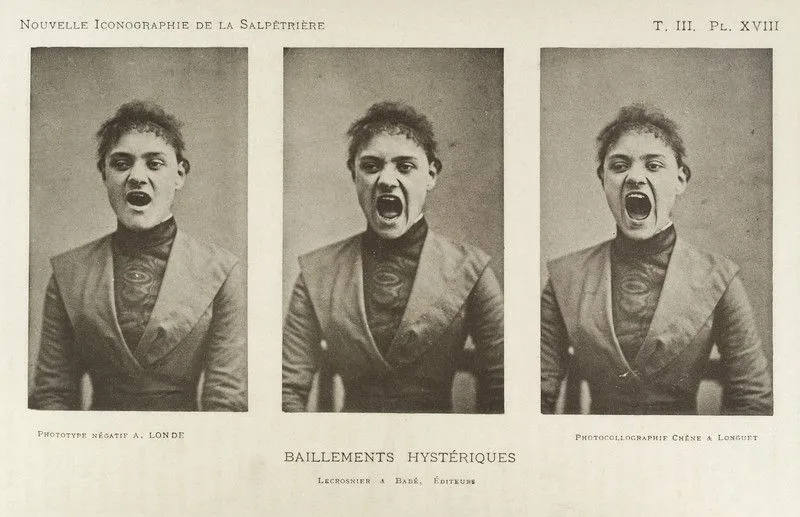
How a society constructs medical conditions can give us insight into how the body is understood. In the case of the female body, it is not unusual for medical discourse to find ‘natural’ ways of explaining women’s inferiority to men, or to justify our role in the domestic sphere, as wives and mothers. The ‘disease of virgins’ was not a stable category: the perception of symptoms, causes, and appropriate treatments varied depending on time and place. Because of the vagueness and variety of how symptoms presented, this diagnosis could mean many different things. At certain points in time, virtually any girl behaving like a moody adolescent could be diagnosed as suffering from green sickness. This was also true for hysteria. Medical categories shift with time, often reinforcing gender norms under the guise of biology. As its name indicates, the ‘disease of virgins’ was thought to affect primarily pubescent girls, whose sexuality was starting to develop. The easiest ‘treatment’ was therefore marriage and socially sanctioned sexual activity, which ensured the status quo wouldn’t be too disrupted by these ‘desirous maids’.
References
Jane Sharp, The Midwives Book (London: 1671).
John Tanner, The Hidden Treasures of the Art of Physick, (London: 1659).
Johannes Lange, ‘De morbo virgineo’, in Medicinalium epistolarum miscellanea (Basel: 1554).
Luis Mercado, De mulierum affectionibus, (Cordoba: 1579).
Further Reading
Helen King, The Disease of Virgins: Green Sickness, Chlorosis and the Problems of Puberty, (London: Routledge, 2004).