 Dr Julia Martins
 When discussing divisive subjects such as abortion, it is common for people to reference ‘historical reasons’ to justify their appalling politics. There are two problems with this kind of argument. Firstly, this ‘history’ is often an oversimplified version of the past, in which facts are not only bent to serve a political agenda but completely rewritten. The second problem with this kind of reasoning is that it implies a false linguistic stability. People may have performed and written about ‘abortion’ for millennia, but what they meant by that was not always the same thing. (The same could be said about today: people spreading misinformation thrive on making false equivalencies.)
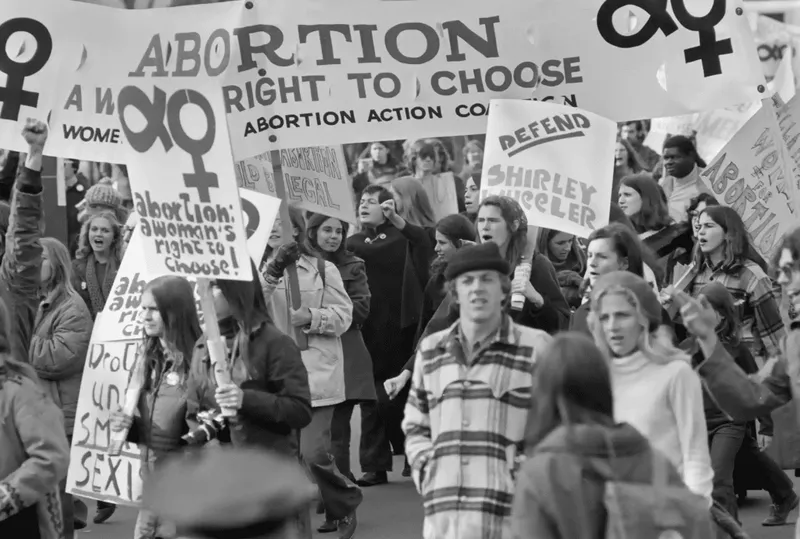
The possibility of the United States Supreme Court reversing their stand on abortion, based on the case between Jane Roe and Henry Wade (Roe v. Wade) made me think about abortion in the past. According to this ruling, abortion is legal if performed before the foetus is viable (meaning able to survive outside the womb). This is strikingly similar to the way medieval Canon Law distinguished between infanticide and abortion.
But let’s go back a little bit more in time. In Greco–Roman antiquity, the patriarch (paterfamilias) presided over his family, including on matters such as infanticide and abortion. While it was not most pregnant people who decided about it, abortion was legal and not uncommon. But that was about to change, with the rise of Christianity.
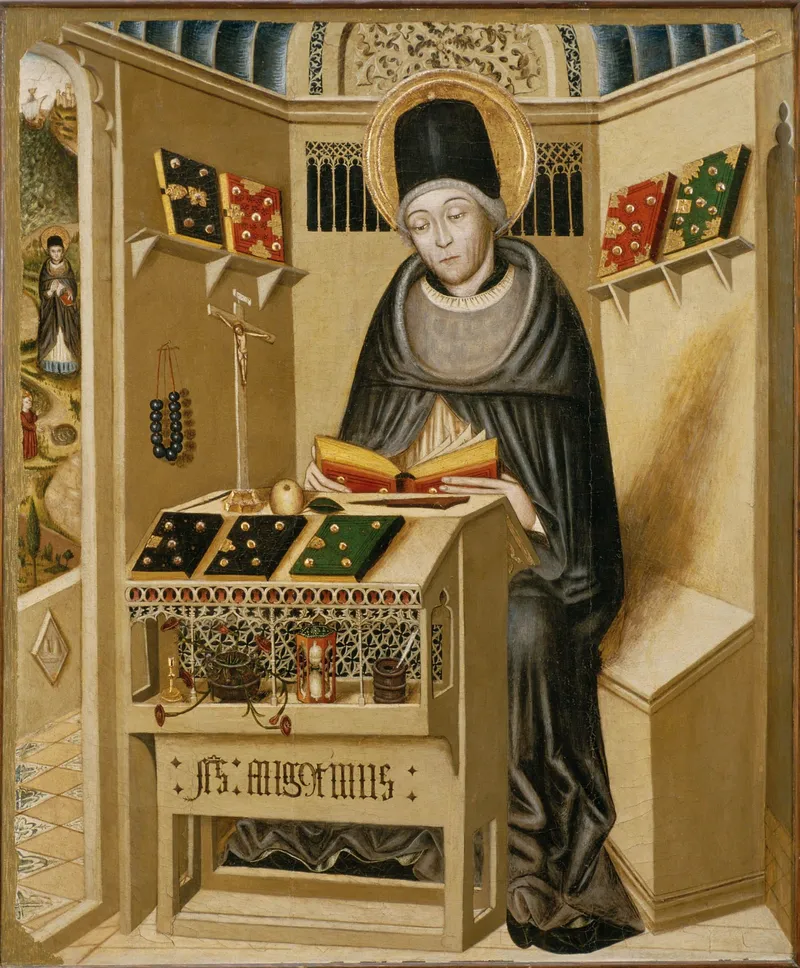
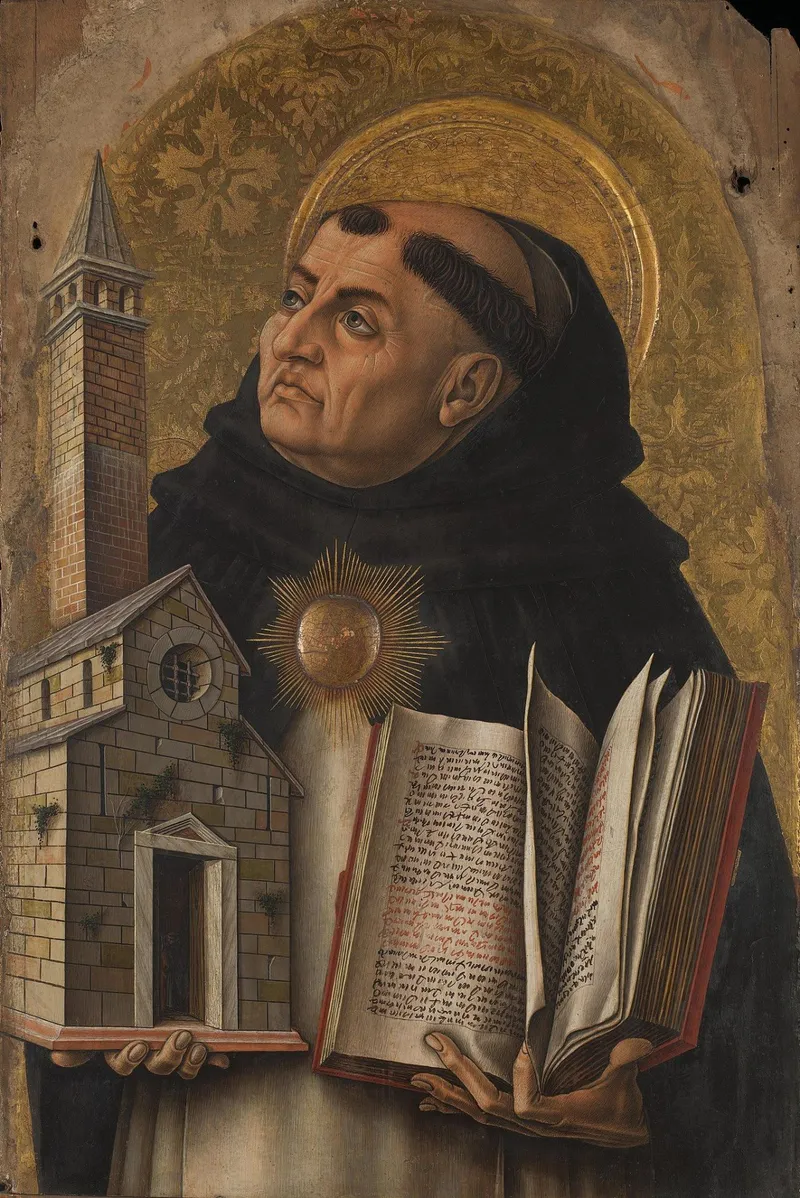
In the 13th century,
So, after conception, the foetus developed in three stages: firstly, as matter indistinguishable from the mother’s menstruation, this embryo was alive, but only had a vegetative soul; after that, limbs would start to develop, and it would acquire an animal soul; finally, the foetus would attain full human form, and would acquire a human (and rational) soul. This derived from
But how would people (even the pregnant ones) know that this had taken place? Traditionally, foetal movement (or ‘
Just like today, the first months of pregnancy could be a very private time. It would be possible for someone to get pregnant and provoke an abortion before anyone knew they were expecting a child. Arguably, this person (and the ones around them) wouldn’t even think of this as an abortion. We must be careful with language.
Hollywood movies tend to depict medieval abortions using the same surgical instruments they would for an amputation: this could not be further from the truth. Medieval people took herbal remedies for most ailments, including delayed menstruation.
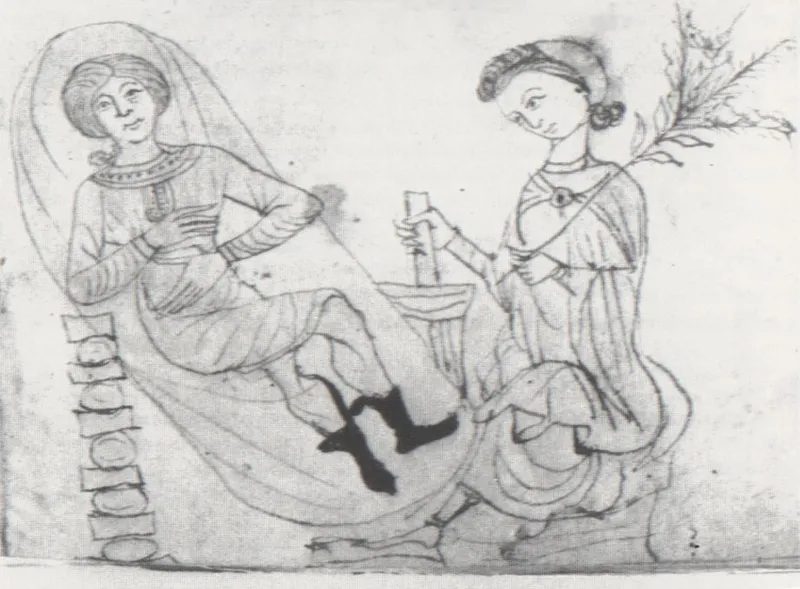
So, abortions before ensoulment were not murder, creating a window of several months from the first suspicions of pregnancy up to quickening, for people to use remedies to provoke uterine contractions and purgation, terminating the pregnancy. Plus, there was a legitimate reason for doing so, as regular menstruation was a sign of female health among those of fertile age. This complicates the definition of abortion. (It is telling that in most sources ‘miscarriages’ and ‘abortions’ are used as synonyms: these are not fixed categories.)
Inducing an abortion was still a moral sin, but Canon Law recommended relatively light punishments for pre-quickening abortions (around 3 years’ imprisonment, or a fine). For comparison, it was much harsher on adultery (around 7 years). But even then, as historians know, what the law predicts is not the same as what happened in practice. Abortions before quickening were rarely prosecuted and, if they were, sentences were almost never carried out.
What about abortions after ensoulment? Well, these people would be considered murderers. Still, when trying such a case, it was not uncommon for the person’s condition to be considered: was this a poor woman, who would not be able to support this child? Leniency was not unheard of. This compassion might strike us today, when many of those who identify as ‘pro-life’ don’t seem too concerned with the kind of life these children forced to be born will have, nor about their families.
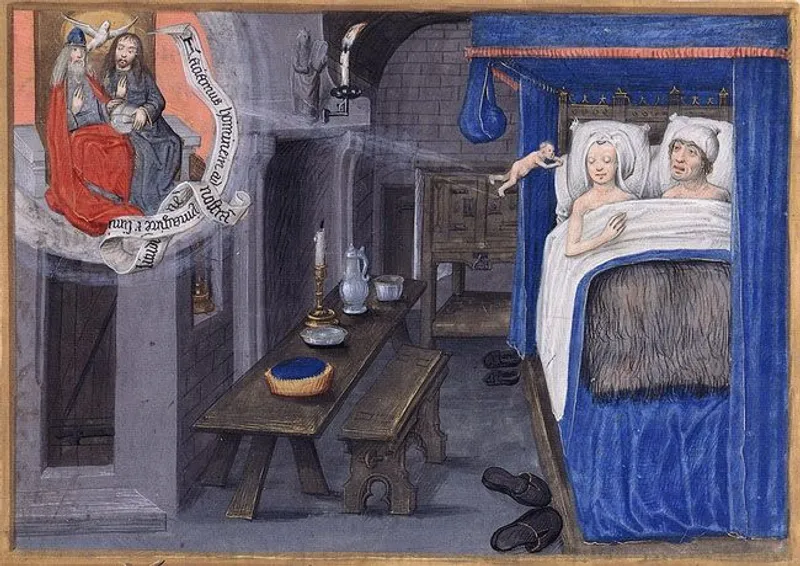
After the
Current Catholic teaching follows the Revision of Canon Law (1917). Having lost most of its political power, the Church subscribed to the theory of ‘immediate ensoulment’, in which the foetus’ soul enters the body at conception. This policing of people’s sexuality was part of the first comprehensive revision since medieval times. It made the distinction about ensoulment irrelevant and predicted excommunication for the one who had an abortion as well as their helpers. This was ratified in 1983. It is possible that the Catholic Church’s harsher position on abortion in the 20th century was a response to the growing availability of contraception (and especially the pill), which the Church still does not accept. While this position has little legal effect, the impact on a personal and familial level for devout Christians is surely considerable. How despairing that 13th-century people had more reproductive freedom than many of us today!
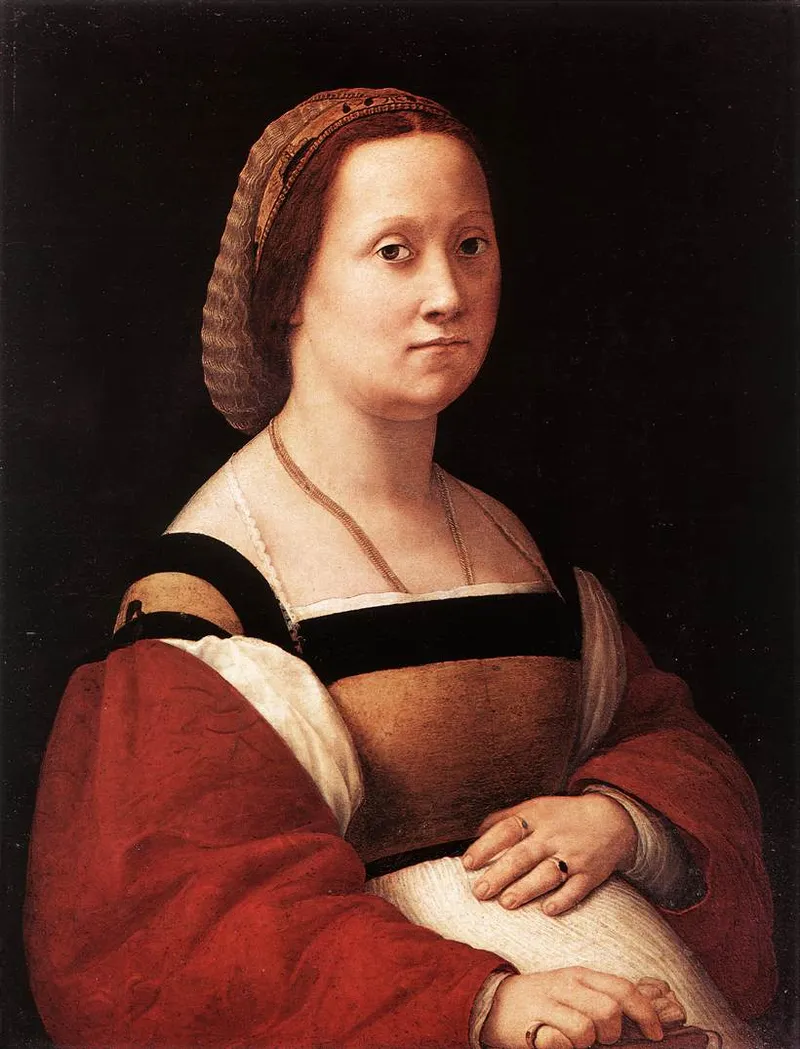
So, when politicians or policymakers argue that historically abortion has almost always been illegal and that Roe v. Wade is a modern precedent, there are two problems with this statement. The first of them is that no, abortions were not always and everywhere illegal. Depending on the time and the place, they were legal for longer than they were illegal. Furthermore, this implies that all abortions, in the present and the past, are the same. They are not. As I have shown, legal and theological debates notwithstanding, in medieval Europe it was the pregnant person who ultimately had the authority over their body, especially in the earlier stages of pregnancy. Pregnancy wasn’t assumed until someone declared themselves to be pregnant, or when it was so advanced that it was obvious. But until then, there was a long window when action could be taken. It is heart-breaking that it is possible that this right is completely robbed from us, along with bodily autonomy and reproductive justice.
References:
Augustine, The Confessions (Project Gutenberg: 2013).