 Dr Julia Martins
 Imagine that you’re a 16th-century person flicking through the pages of Alessio Piemontese’s best-selling book,
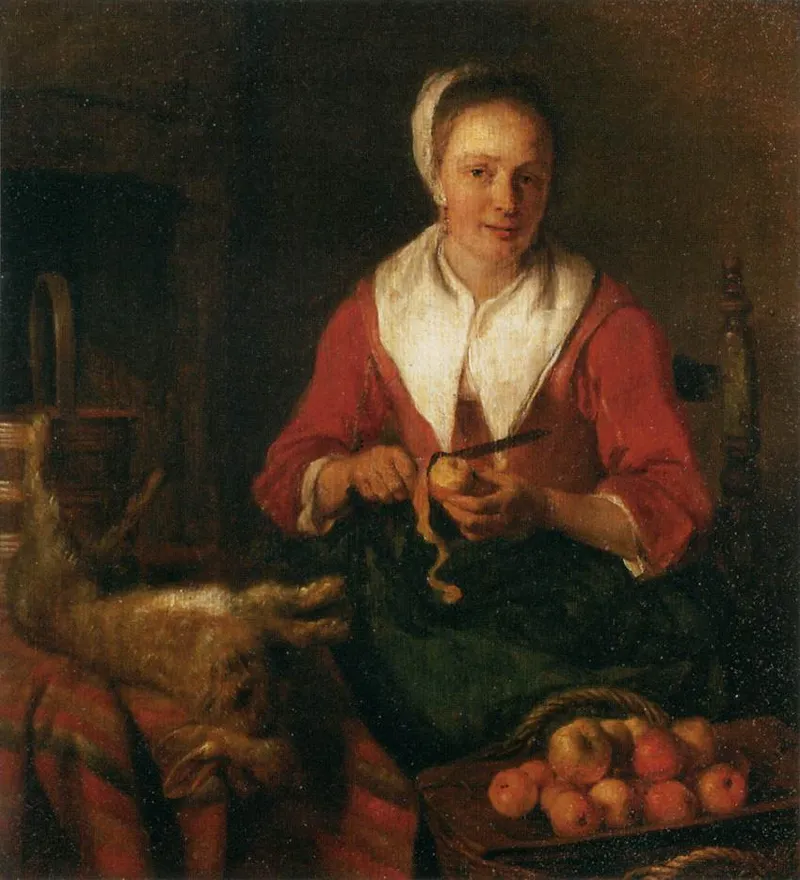
An other remedie verie good, and well knowen of women. Take a sweet Apple, and make him hollow within, make a pouder of Nutmegs, Mace, Synamon, of each halfe a dragme, Cloves halfe a scruple: put all this within the Apple with a little Suger, and rost it under hote ashes, and give of it onto the woman ever when the paine commeth onto hir. But if the paine increase so much that hir life is in doubt, put to all this two graines of Opium, and sodainly the paine will depart.
— Alessio Piemontese, The Secrets of the Reverend Maister Alexis of Piedmont, 1595
But why would people try to stimulate menstruation? Well, in premodern Europe, the humoral theory was the main framework for understanding the body: the four humours (blood, black bile, yellow bile, and phlegm) needed to be balanced for a person to be healthy. Regular menstruation was the expected
However, one of the main reasons people were so interested in inducing menstruation had to do with conception. Menstruation was thought to ‘clean’ the womb, preparing it for the male seed. The English midwife
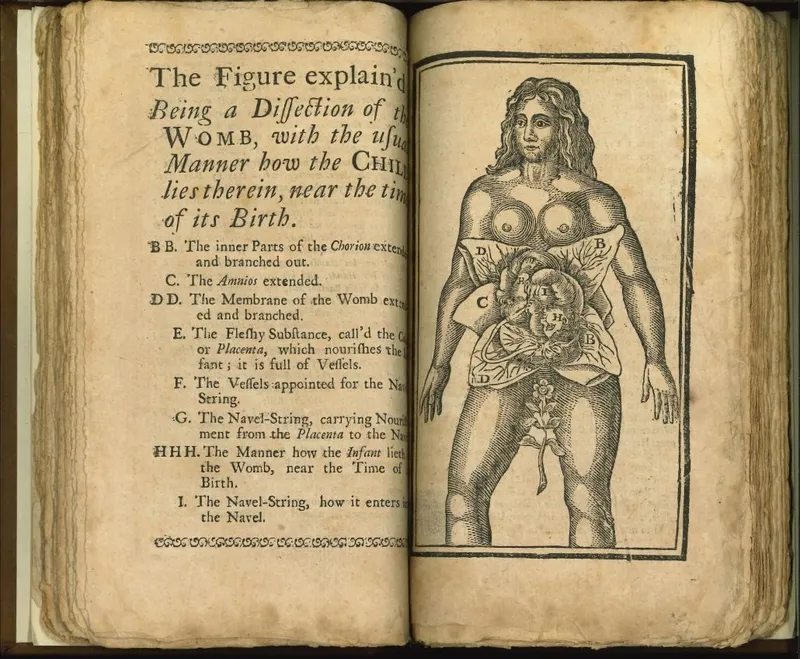
You might be thinking that these recipes to
What does that tell us? Well, what made a recipe an
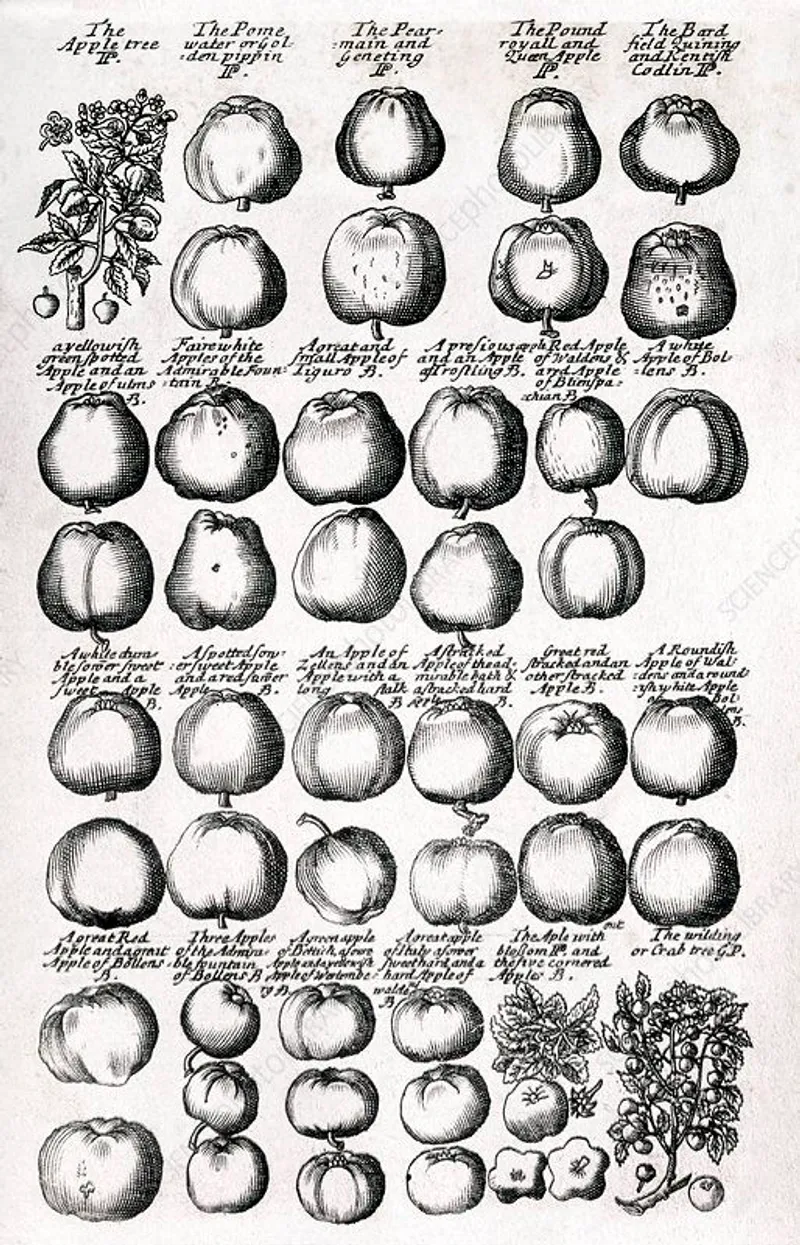
Let’s come back to the Sweet Apple medicine above. At first, it looks like a recipe to stimulate menstruation. The mention of pain makes us think of
From 1555, when Alessio Piemontese’s Secrets were first published in Italian, to the end of the 17th century, when reeditions and reprints of these recipes started to decline in number, recipes like these multiplied. This allowed recipe books to be marketed as ‘updated’ and ‘improved’ versions of previous editions. But the recipes did not only grow in number. These formulas became more specialised and varied. They included internal medicines (such as
However, these formulas also left ample room for readers to adapt them and personalise them to their lives. People complemented these recipes with their previous knowledge and allowed them to actively manage their bodies. That the same recipe could be used to induce menstruation in the case of amenorrhoea and provoke an abortion is, therefore, not surprising.
The history of medicine is never straightforward, especially where gender is concerned. Menstruation recipes were rarely just one thing; instead, they condensed and combined knowledge in new ways, encouraging different kinds of moral agency and choice from the reader while at the same time alerting/suggesting that many of these
Recipes like these could (and surely were) used for different purposes, and with varying degrees of success. Books like Piemontese’s Secrets combined ingredients and methods in new ways, but it was the reader who ultimately had control over how a recipe would be used. It was their body that determined if the ‘sweet apple’ would merely stimulate menstruation or provoke an abortion. People had more agency than historians tend to believe. In this instance, it was the body, the womb itself who decided what this recipe would be about. Besides that, it must have tasted lovely. But please don’t go trying 16th-century medicines at home! Just save the apples for baking a pie instead.
References
Alessio Piemontese, Secreti del Reverendo Donno Alessio Piemontese (Venice: Sigismondo Bordogna, 1555).
Alessio Piemontese, The Secrets of the Reverend Maister Alexis of Piedmont (London: Thomas Wight, 1595).
Jane Sharp, The Midwives Book, Or the whole Art of Midwifry Discovered (London: Simon Miller, 1671).
Further Reading
Menstruation: A Cultural History, edited by Gillian Howie and Andrew Shail (London: Palgrave Macmillan, 2005).
Regulating Menstruation: Beliefs, Practices, Interpretations, edited by Etienne van de Walle and Elisha Renne (Chicago: Chicago University Press, 2001).
Sara Read, Menstruation and theFemale Body in Early Modern England (New York: Palgrave Macmillan, 2015).