 Dr Julia Martins
 Update
This article is a brief discussion on Caterina Sforza. I have released a much more detailed discussion called “Caterina Sforza: The Alchemy and Power of a Renaissance Icon” you might be interested in.
Some historical anecdotes are just irresistible. This is one of my favourites.
After her husband was assassinated and she and her children were taken prisoners by their political enemies,
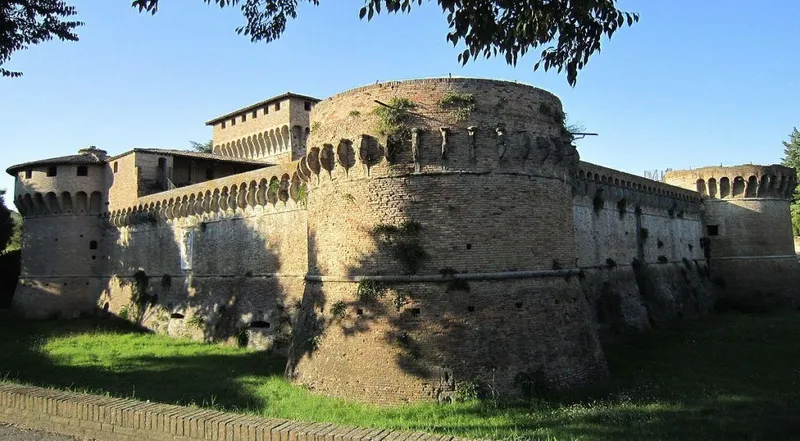
This tale is, of course, a bit too theatrical to ring true. It was told by many contemporaries, however, starting with
Other contemporary sources depicted her as fierce, brave, and clever. And with good reason:
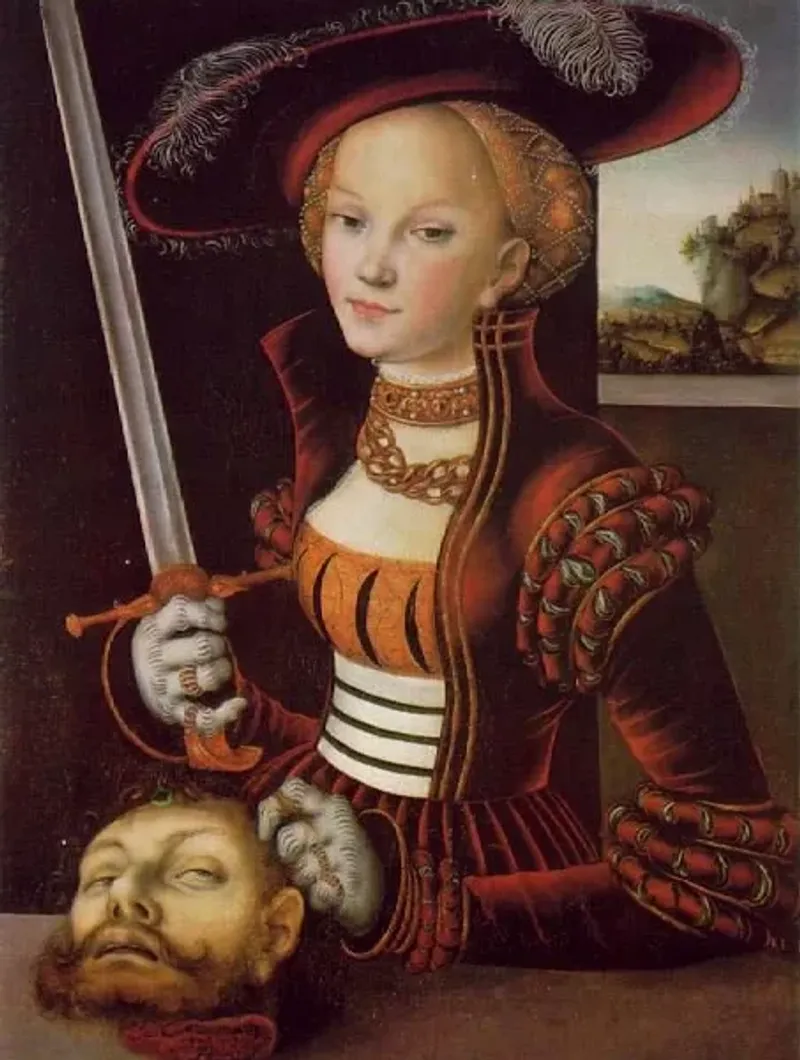
Yet discussions about Caterina often neglect this crucial aspect of her life: her experiments with alchemy, medicine, and cosmetics. Her manuscript recipe book Experimenti(Experiments) counted 454 formulas, compiled throughout her lifetime. These included panaceas, the
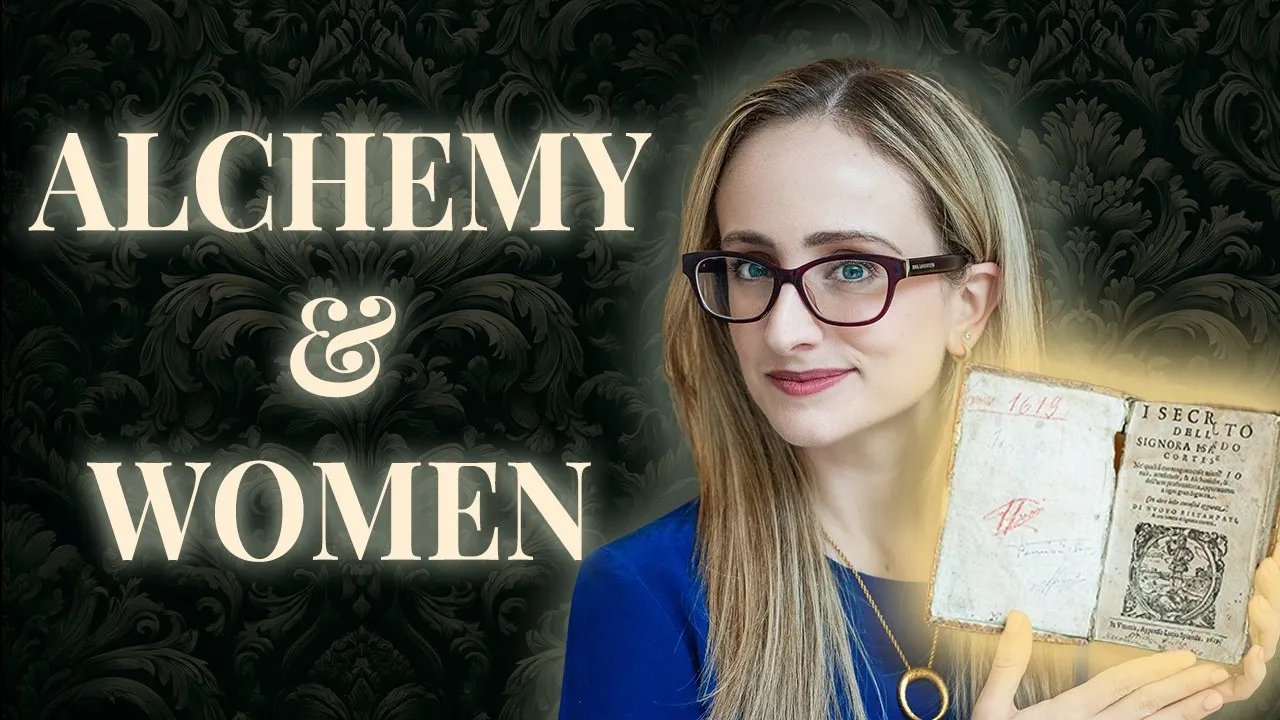
An interest in scientific experimentation and collecting recipes was not rare among aristocratic women of the time, although there were few so well-known or respected as Caterina. She spent most of her life collecting recipes from all kinds of sources: written and learned texts, vernacular traditions and oral cultures, and her own empirical practices. Her contemporaries were also important sources of knowledge, be they people from low social status (including from marginalised communities, such as Jews) or aristocratic backgrounds, with whom she corresponded. Many of these recipes concerned the secrets of women: menstruation, childbirth, and lactation were all subjects she was interested in. Several recipes were protected from prying eyes, written in Latin, and encrypted, such as alchemical formulas and treatments for impotence and lack of libido in men. Thankfully, the code has survived along with the manuscript recipes, so we can read everything today!
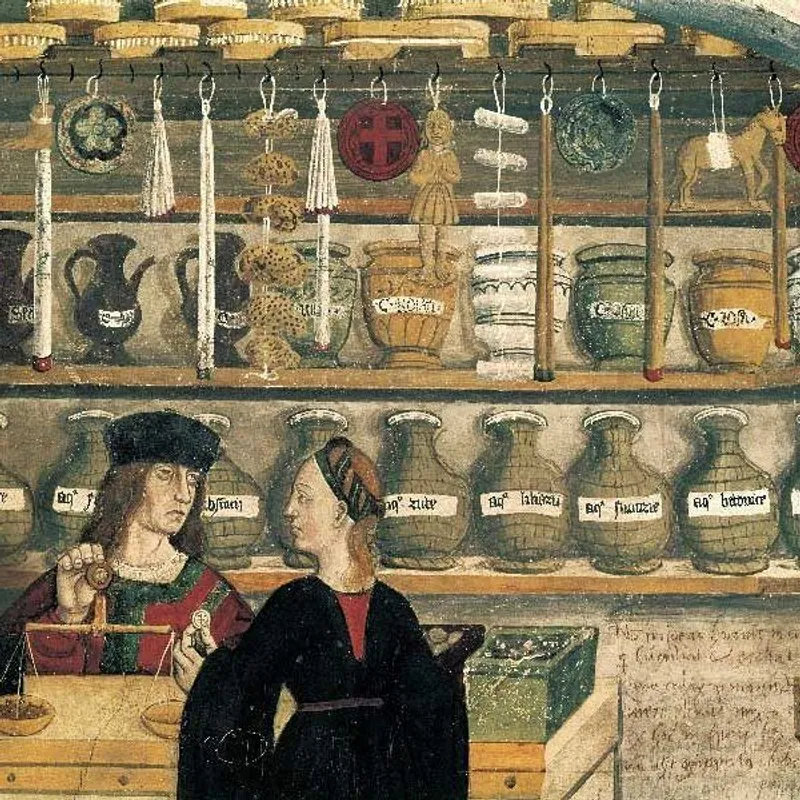
Caterina’s knowledge was not only theoretical. She designed gardens in which she could grow medicinal herbs and plants to use for cosmetic formulas. She had a close relationship with convents, and nuns involved in the preparation of medicines. These women exchanged recipes and ingredients from their respective gardens. And this was a key aspect of Caterina’s life and how she managed to use her empirical knowledge to further her political aims: she created networks of relationships, based largely on the exchange of recipes.
People sought and wrote to her asking for her famous recipes, which she used as currency. She corresponded with Lorenzo de’ Medici and Isabella d’Este, another noblewoman who collected recipes, most notably for perfumes. Caterina established alliances with men and women through the exchange of recipes and marvellous secrets. Her 19th-century biographer, Pier Desiderio Pasolini, described her work as the ‘most complete and known’ medical text of the
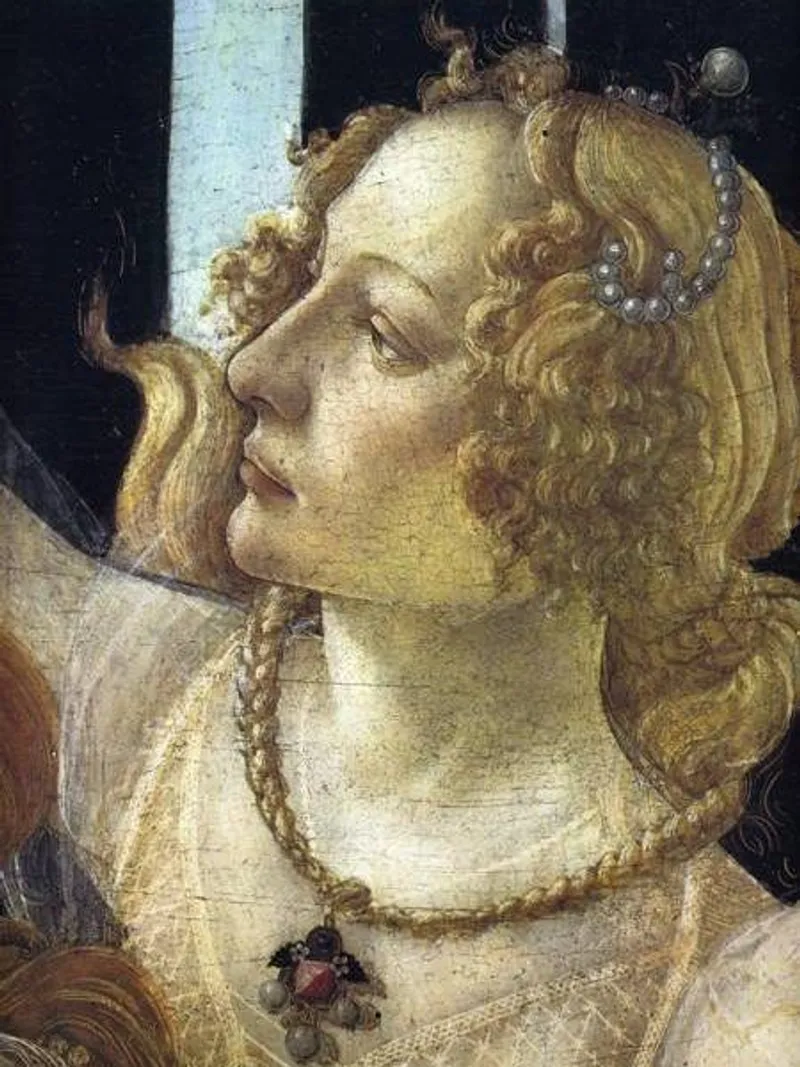
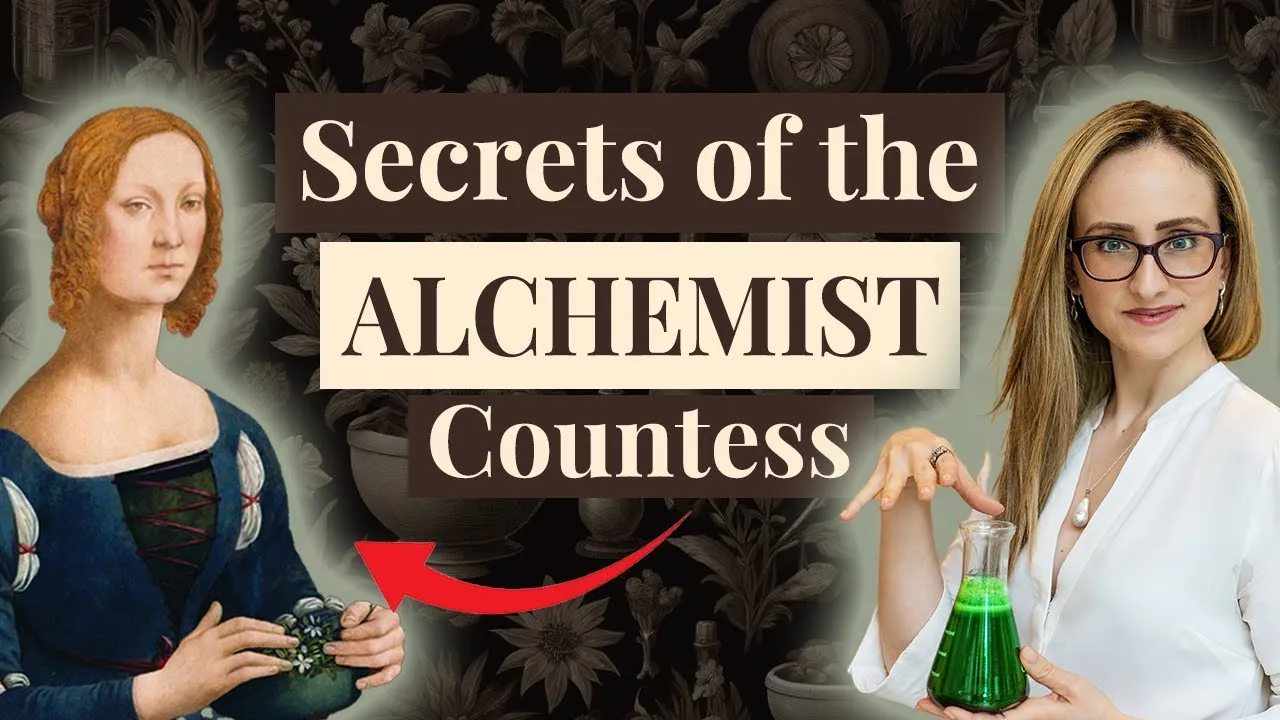
Caterina was also a source of knowledge about cosmetics. She was herself described as a beauty, as seen in her portrait by Lorenzo di Credi (1459-1537). Her formulas to attain the female beauty ideal of the time included ways of making the skin pale, the hair blond or ginger, and the breasts small. (All of them were characteristics Caterina embodied.) In a recipe addressed to women and girls, she wrote:
Take hemlock juice and use it daily. Even if [the breasts] are large they shall become small […] if you are still girls, and have not matured, if you use this [formula] every day they [your breasts] will not grow larger and will remain beautiful and firm.
As the grandmother to
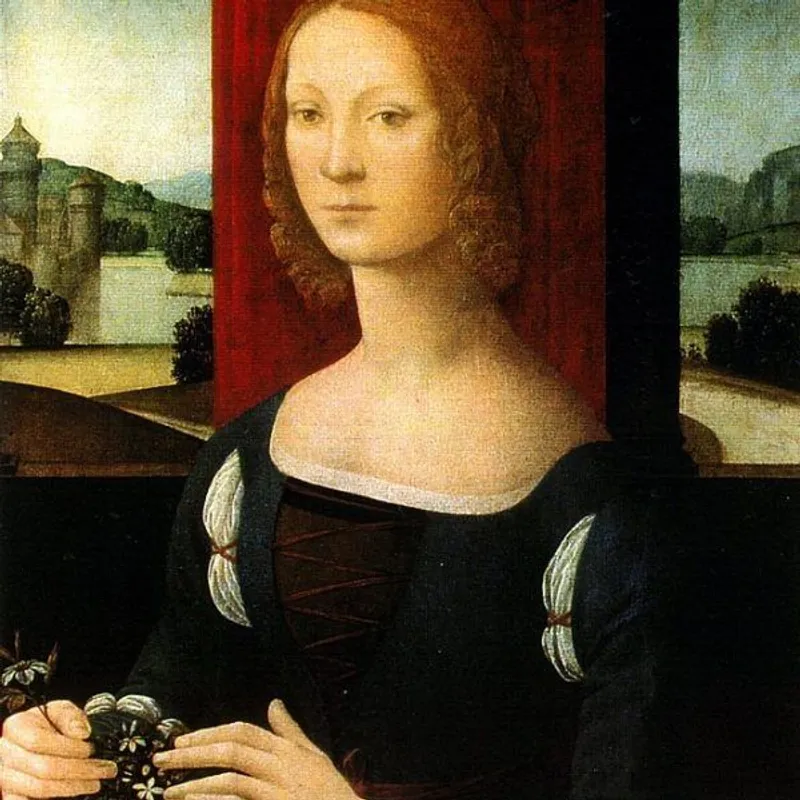
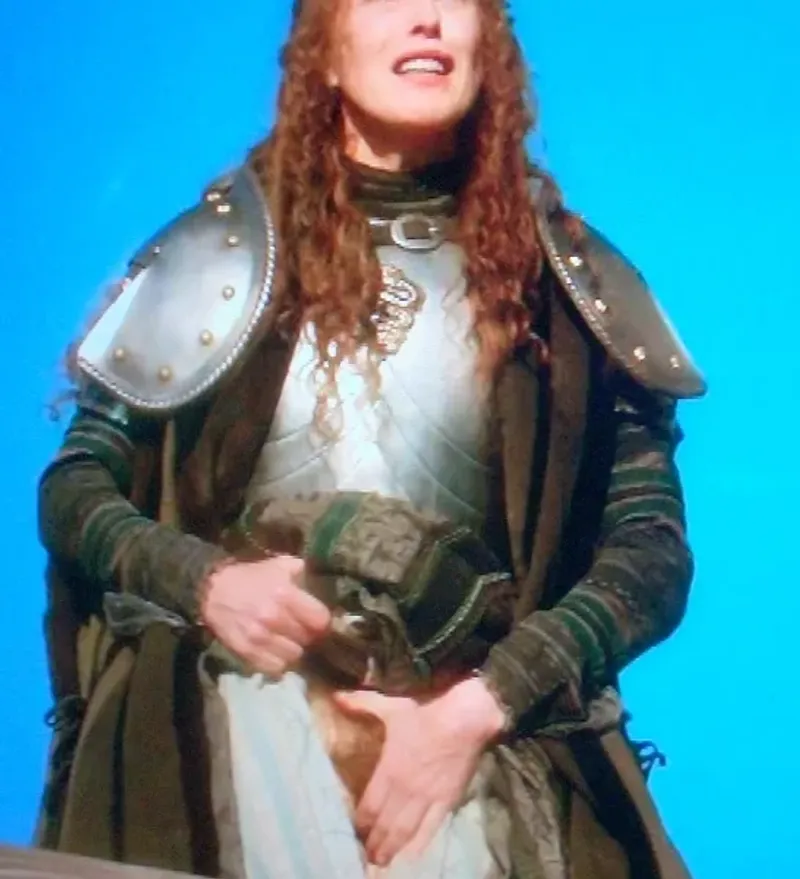
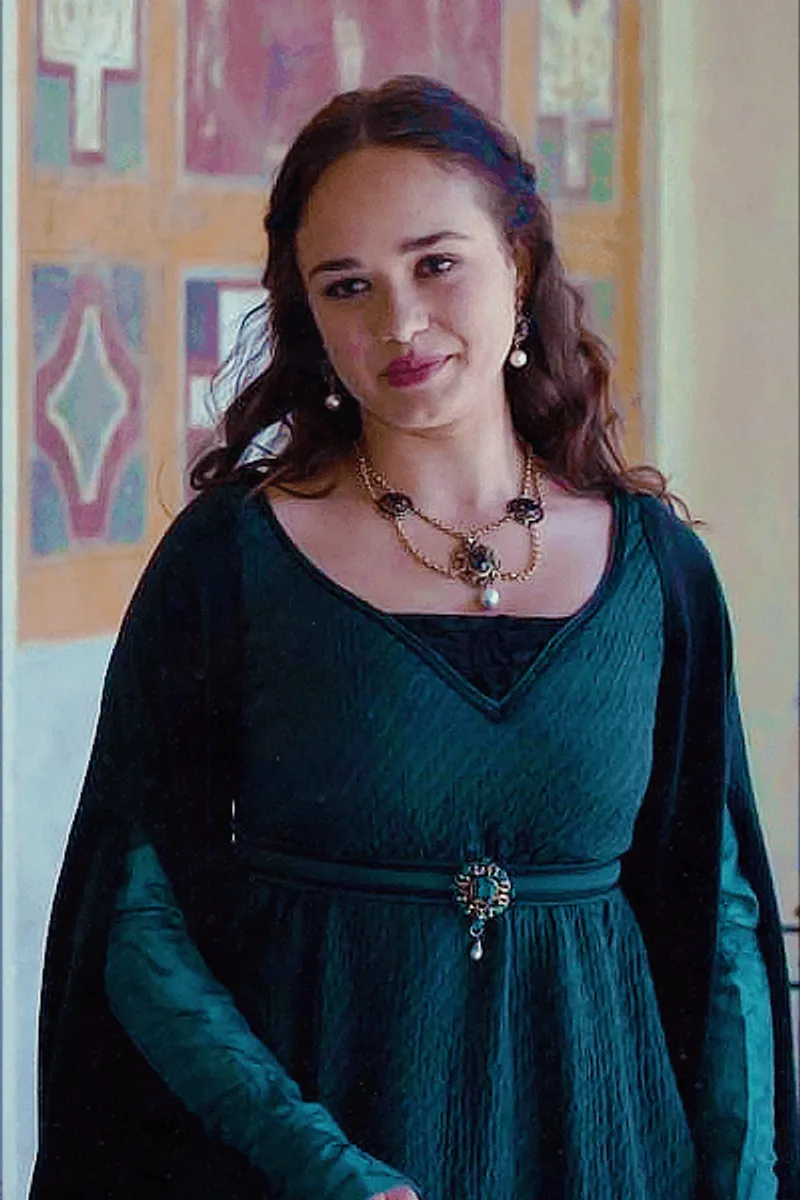
Caterina used all her skills as tools to further her political goals. But she also weaponised her knowledge about the natural world and the human body. By exchanging recipes (most notably through her epistolary network), she cemented diplomatic, political, and social connections. Many women of the period used medical recipes within their households, to take care of their families and communities. Caterina went beyond the private uses of recipes, employing them as a form of currency in the political and medical economy of the period. Her recipes became a way of managing power and influence, and, to Caterina, they were a central part of her life. She never stopped collecting recipes for transforming metals into gold, pursuing beauty, and returning the body to health. In doing so, Caterina illustrates the role
References:
Jacopo Filippo Foresti da Bergamo, De plurimus claris selectisque mulieribus (Ferrara: Lorenzo Rosso da Valenza, 1497).
Pier Desiderio Pasolini,
Further Reading:
Elizabeth Lev, Tigress of Forli: The Life of
Meredith K. Ray, Daughters of Alchemy: Women and Scientific Culture in Early Modern Italy (London: Harvard University Press, 2015).