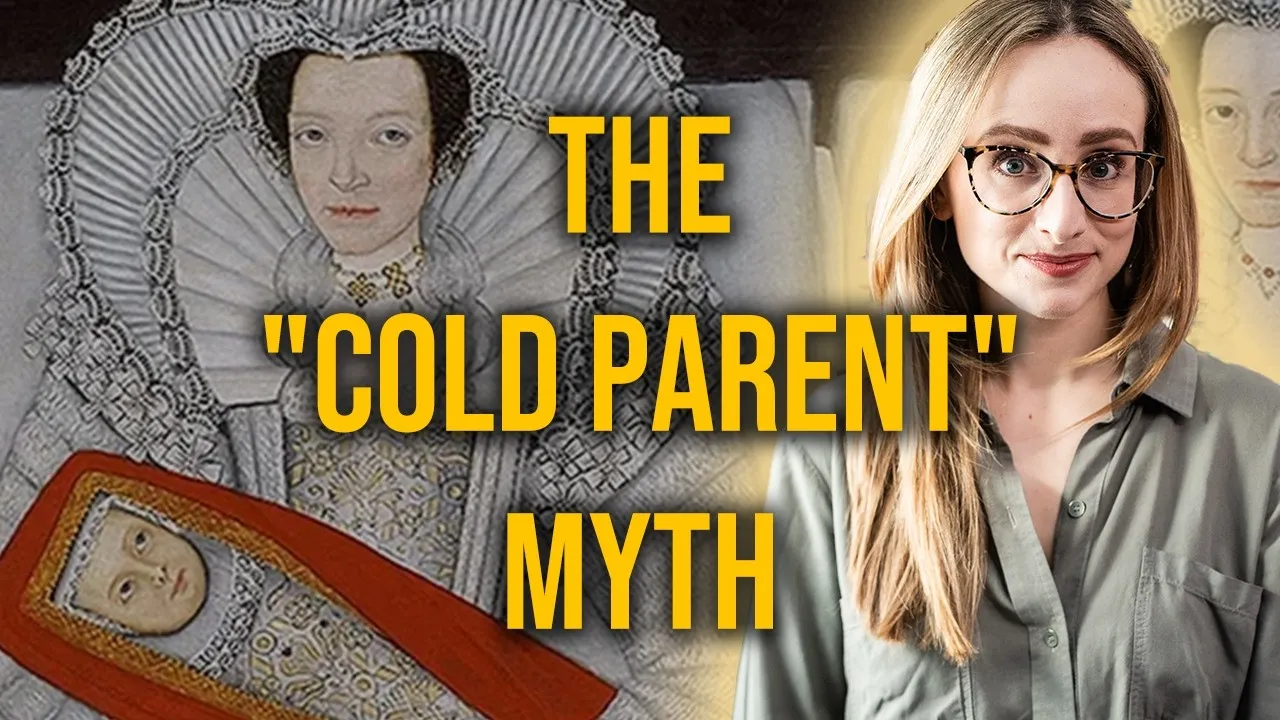
What Hamnet Gets Right (And Historians Got Wrong)
Did parents in the past love their children? Explore the historical debate on parental love and grief that Hamnet brings to life so powerfully.
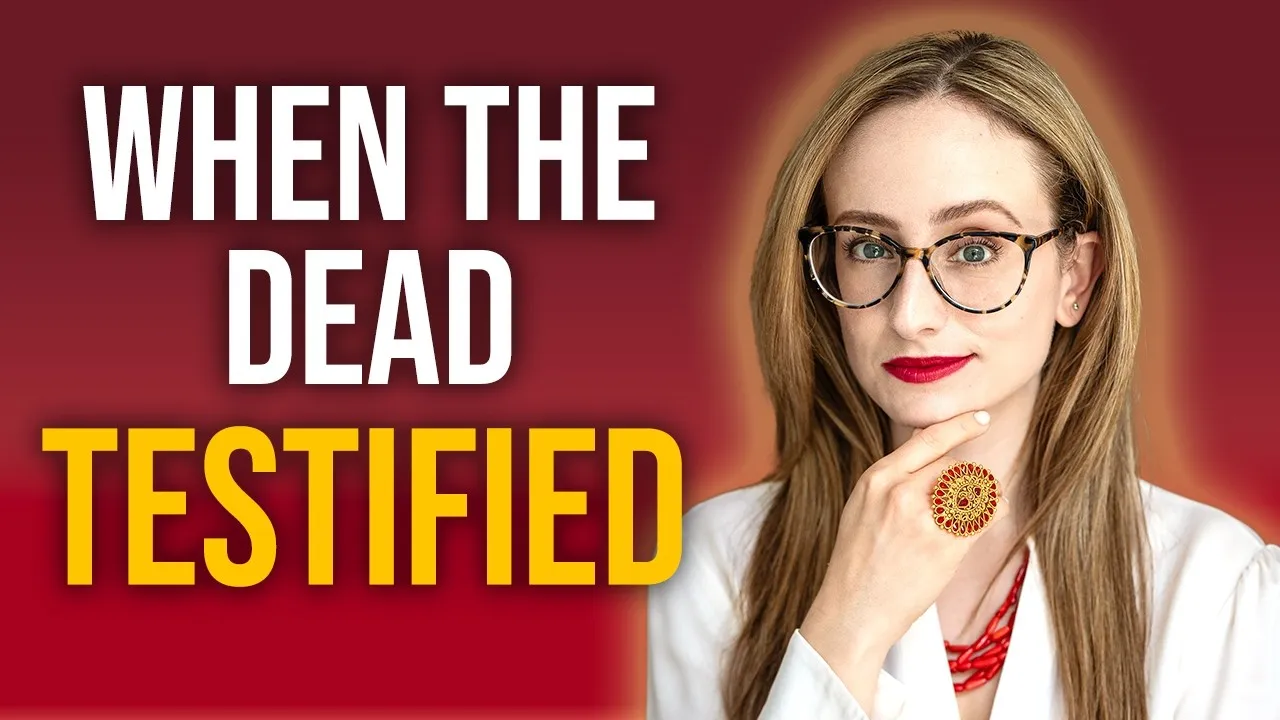
Medieval True Crime: When a Corpse Solved Its Own Murder
In 1503 Switzerland, Hans Spiess was forced to touch his wife's corpse—if it bled, he was guilty. Discover the medieval bier ordeal trial.

The Censored Witches' Flying Potion (That Promised a "Lover")
Uncover Della Porta's infamous 16th-century witches' ointment recipe—hallucinogenic herbs, erotic visions, and Inquisition censorship.

Fake Virginity: The Painful Renaissance ‘Cures’ They Sold Women
Discover dangerous Renaissance recipes for faking virginity—blistering pills, leeches, and lead paint sold to women facing ruin without wedding-night blood.
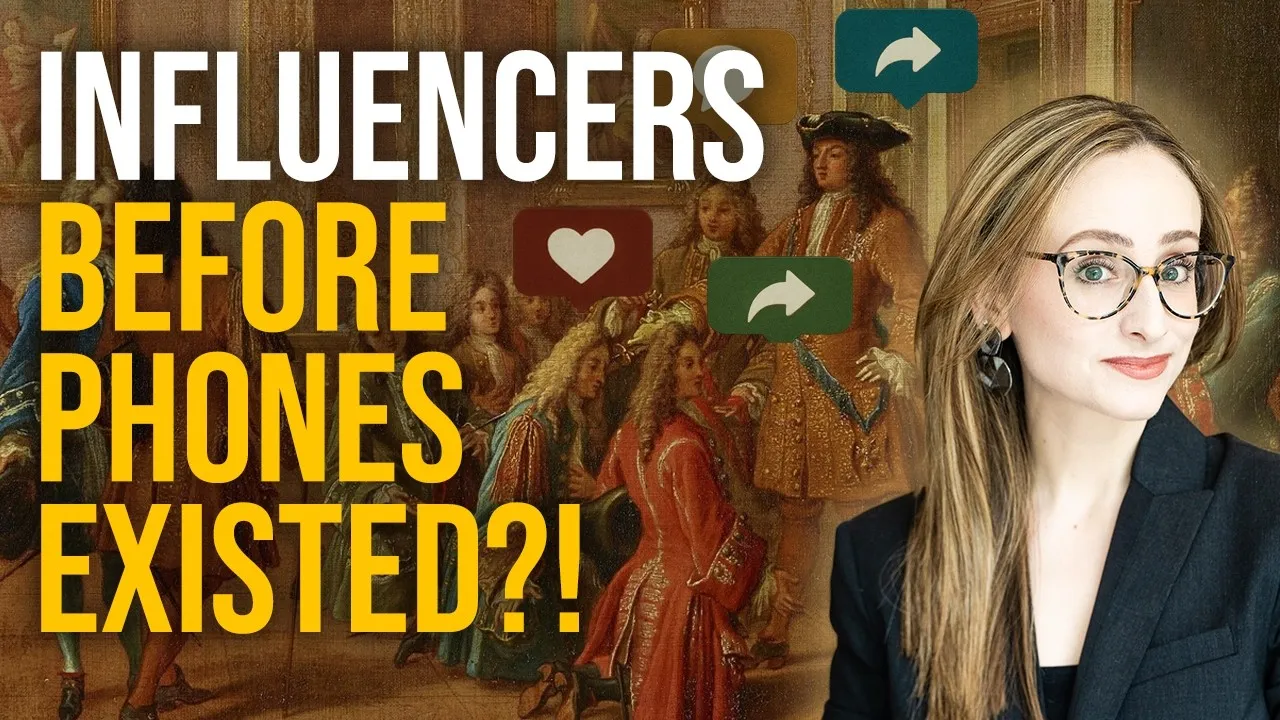
Before TikTok: History's ORIGINAL Influencers
From Versailles courtiers to Black dandies and salonnières—discover how history's original influencers shaped culture through self-fashioning.
How Water Cures Revolutionised Medicine in the 16th Century
Discover Renaissance spa culture—from fertility baths in Naples to Leonardo Fioravanti's water cures that challenged traditional medicine.
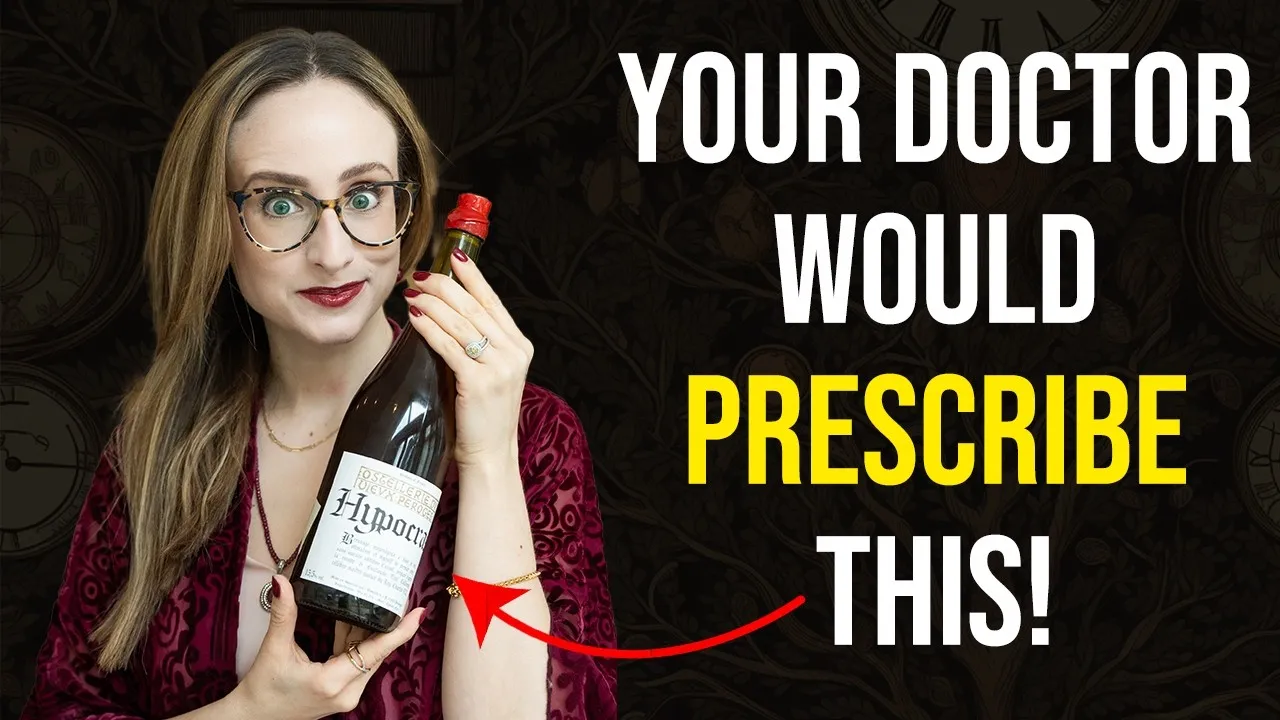
Hypocras: The Spiced Wine Medieval Doctors Prescribed as Medicine
Hypocras was served at royal banquets and prescribed by physicians. The history of the spiced wine that blurred the line between medicine and pleasure.

Urine Tests in the Renaissance: How Doctors Diagnosed Pregnancy and Fertility
Centuries before modern pregnancy tests, physicians examined urine colour, sediment, and even mixed it with wine. The strange science of Renaissance uroscopy.
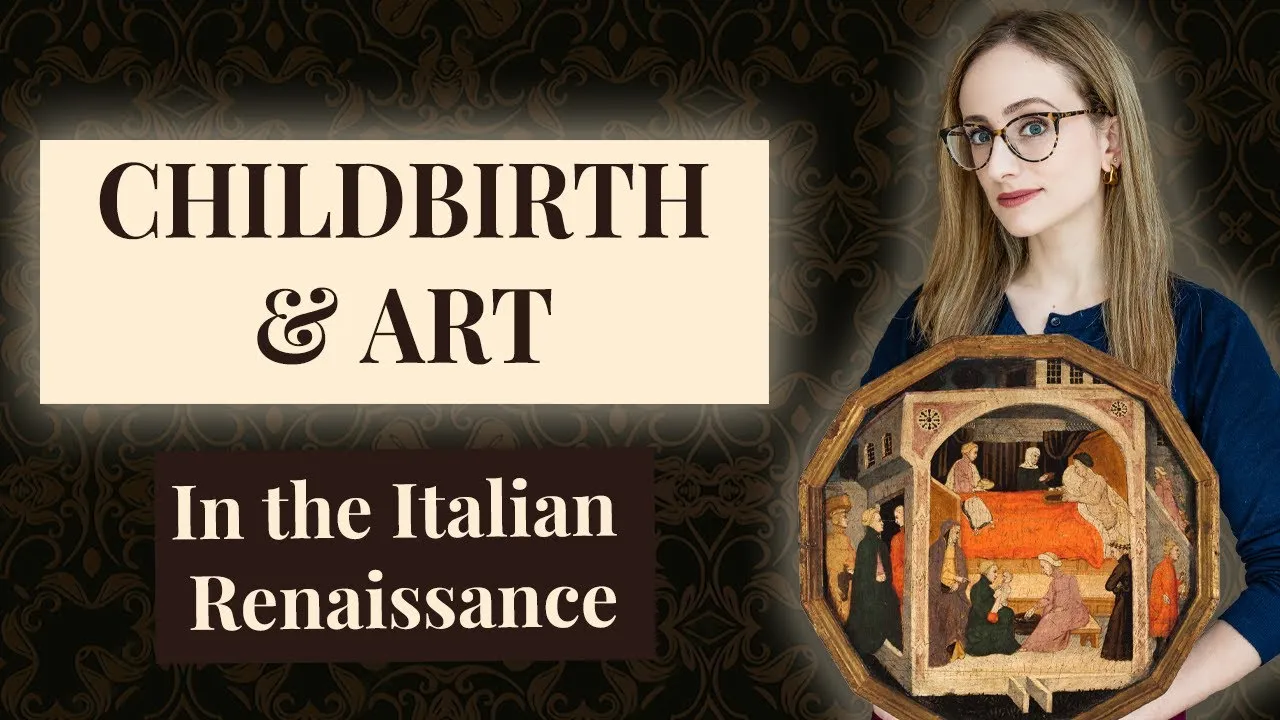
Birth Trays in Renaissance Italy and Motherhood
After the Black Death devastated Italy, ornate birth trays celebrated motherhood and encouraged childbirth—discover their art, ritual, and symbolism.
What were the "Non-Naturals"?
Learn about the six non-naturals—air, food, sleep, exercise, evacuation, and emotions—that shaped preventive medicine for centuries.
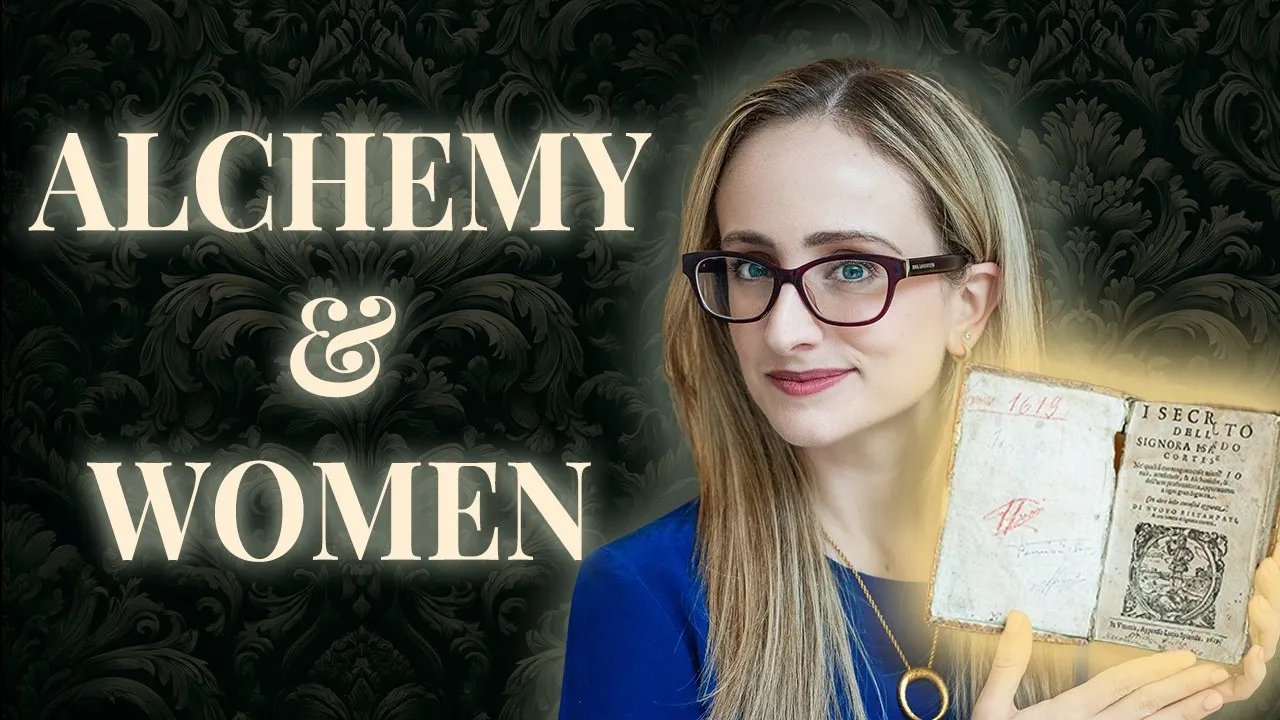
Alchemy in the Renaissance: The Mysterious Isabella Cortese
Uncover Isabella Cortese, the enigmatic 16th-century alchemist whose bestselling book challenged tradition and championed women's knowledge.
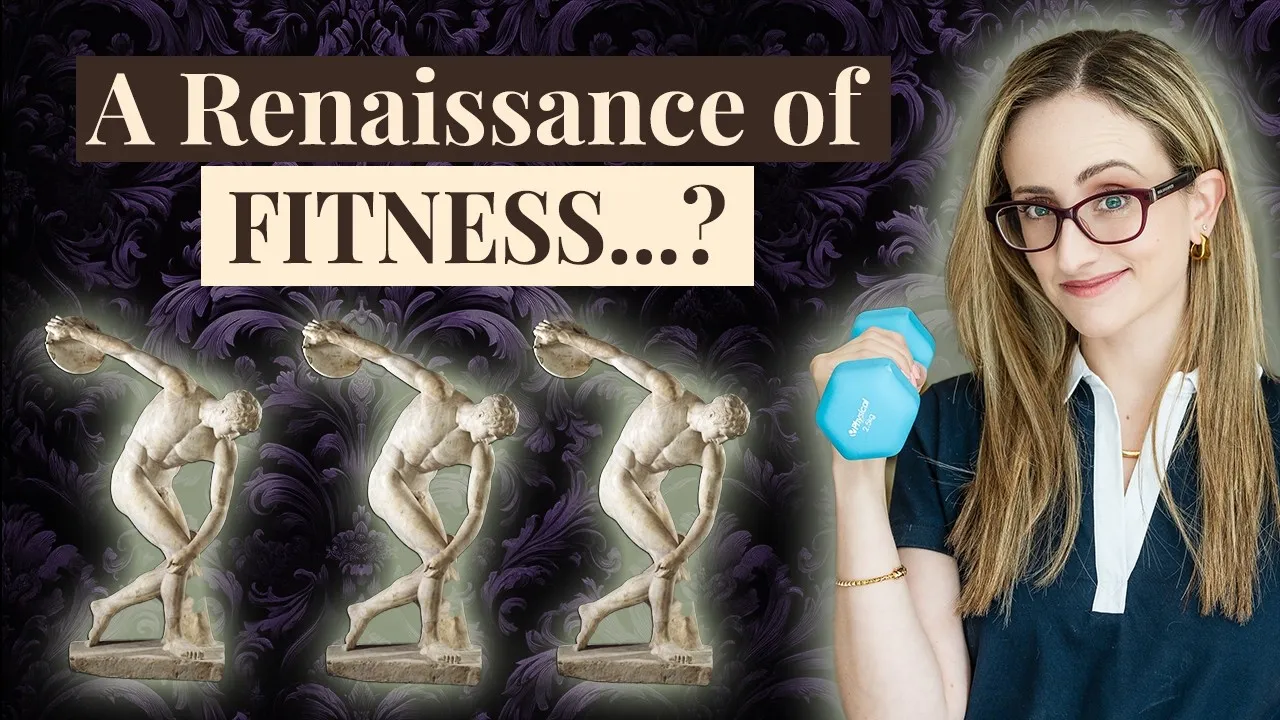
Renaissance Fitness: Exercise Rediscovery
Did Renaissance Italy rediscover exercise? Explore Girolamo Mercuriale's 'lost art' and how ancient Greek fitness was revived in the 1500s.
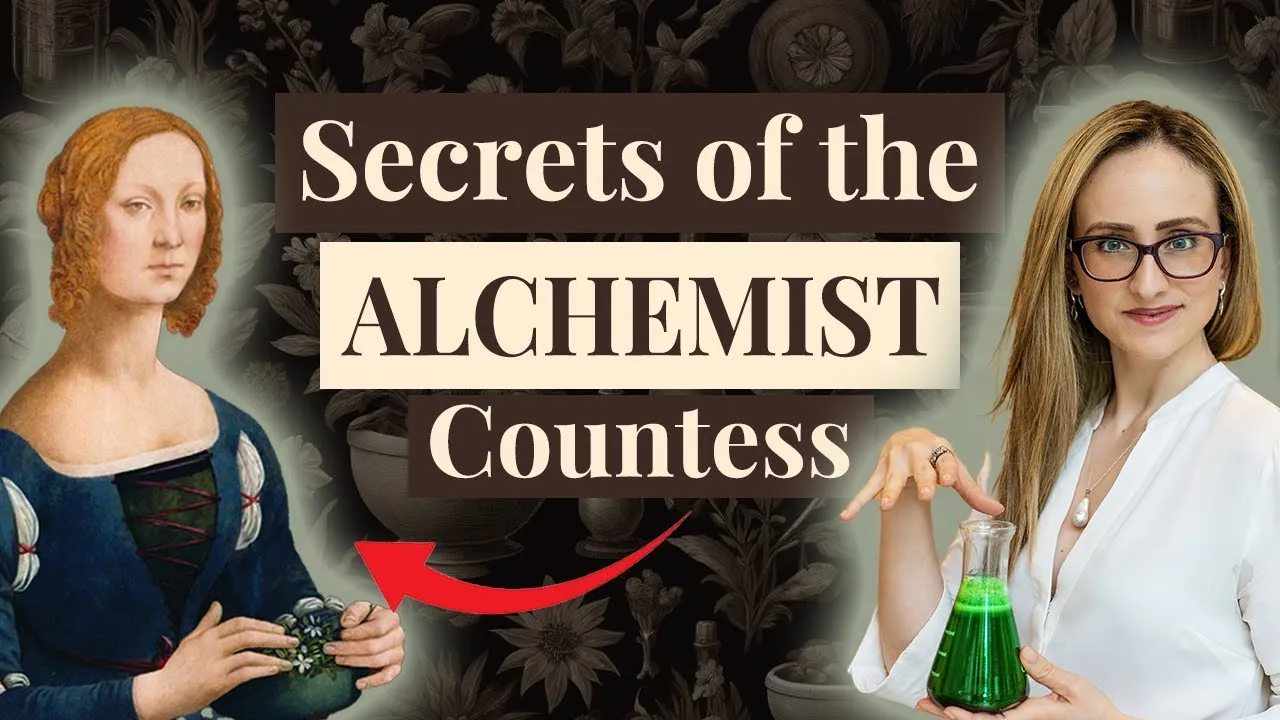
Caterina Sforza's Experiments: Alchemy, Medicine, and Power in Renaissance Italy
Caterina Sforza left behind over 450 recipes for medicines, cosmetics, and poisons. What her alchemical notebook reveals about Renaissance women and power.

Benedetta Carlini: Scandal, Mysticism, and Sex in a Renaissance Convent
Benedetta Carlini claimed visions, performed miracles, and married Christ in a ceremony. Then investigators uncovered her sexual relationship with another nun.
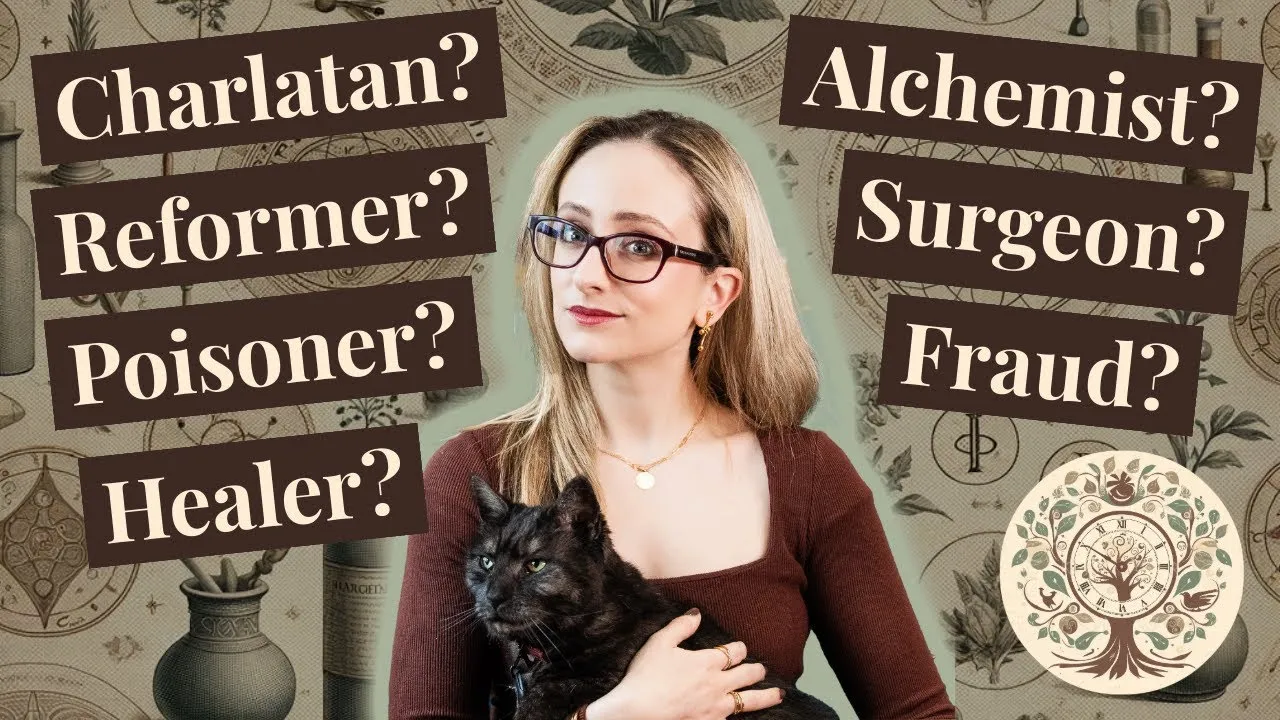
Fioravanti: Pioneering Surgeon-Alchemist of the Renaissance
Leonardo Fioravanti was called a Charlatan, a Poisoner, a Reformer, a Prophet, a Miracle-Worker, a Saviour, an Alchemist, and a Fraud.
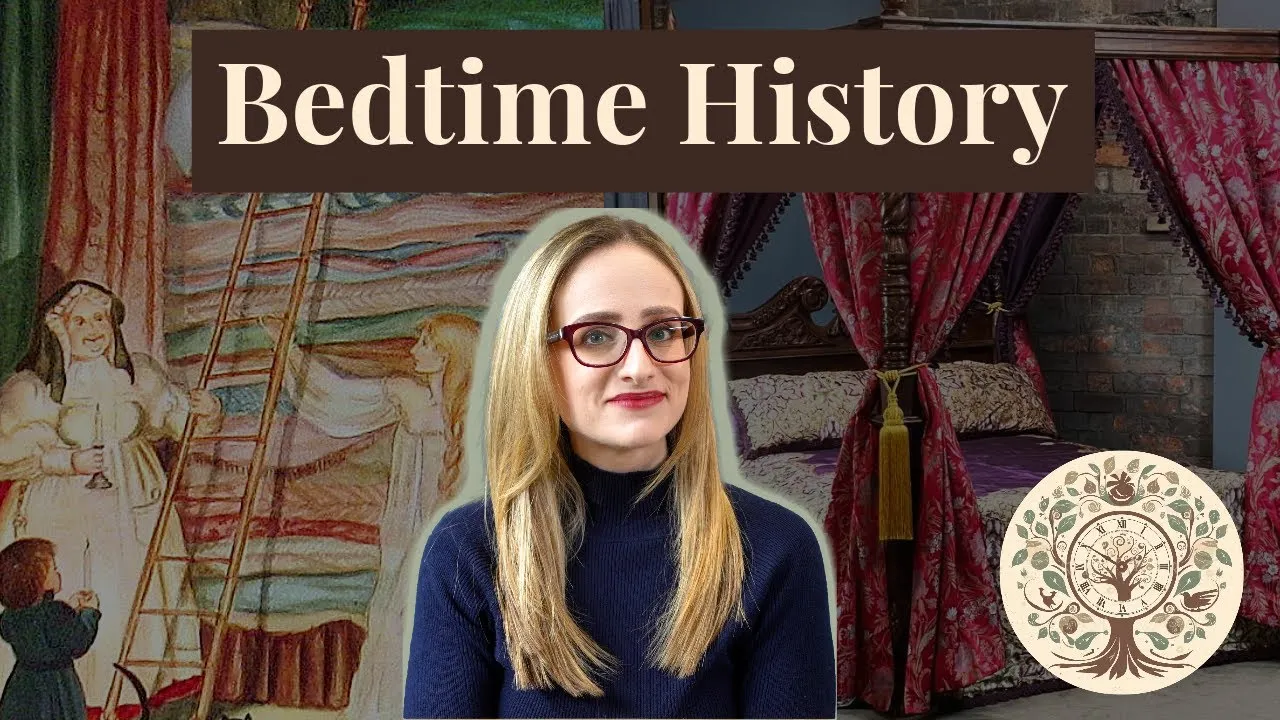
What Were Early Modern Beds Like?
From straw sacks to feather beds—how Renaissance sleeping arrangements revealed wealth, status, and inspired The Princess and the Pea.
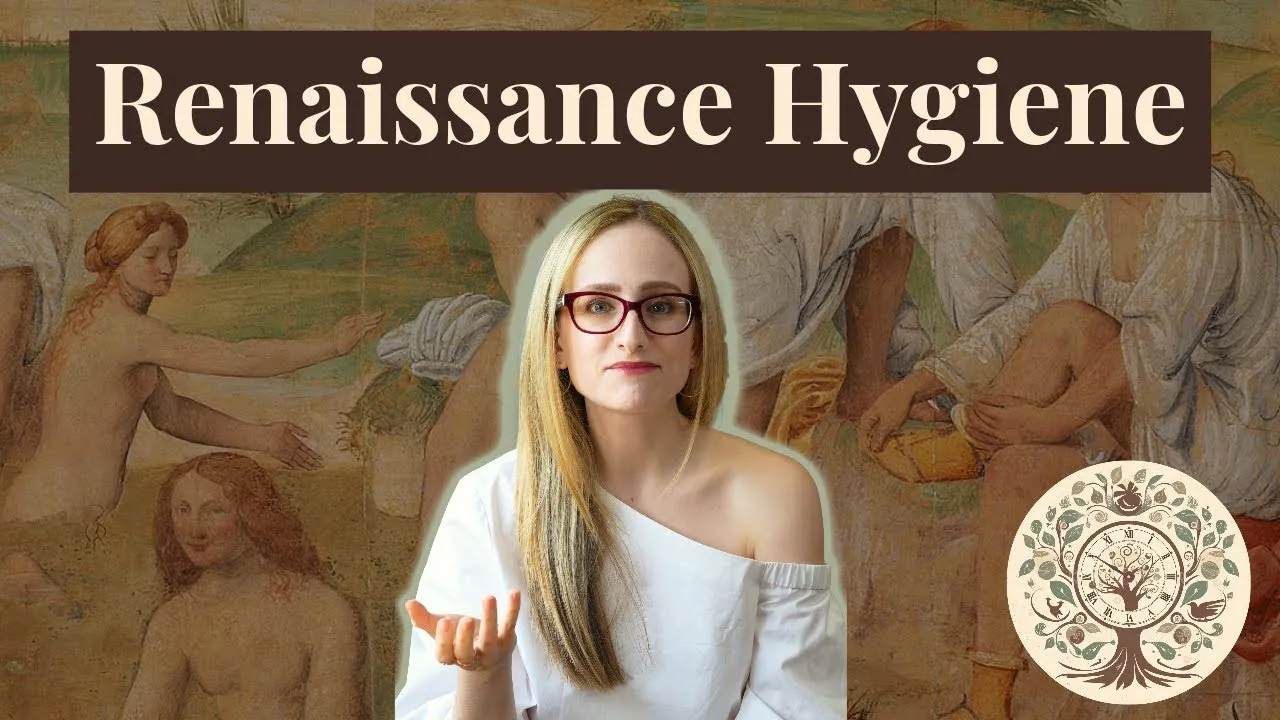
How to Clean Your Body in the Renaissance
Debunking the myth that Renaissance people were dirty—discover how Italians bathed, used perfumes, and maintained bodily hygiene.
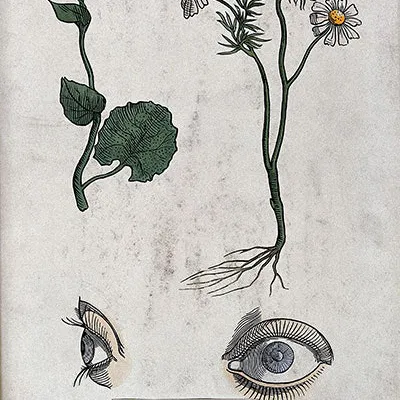
What is the 'Doctrine of Signatures'?
Discover how Renaissance physicians believed plants revealed their healing powers through shape, color, and resemblance to body parts.
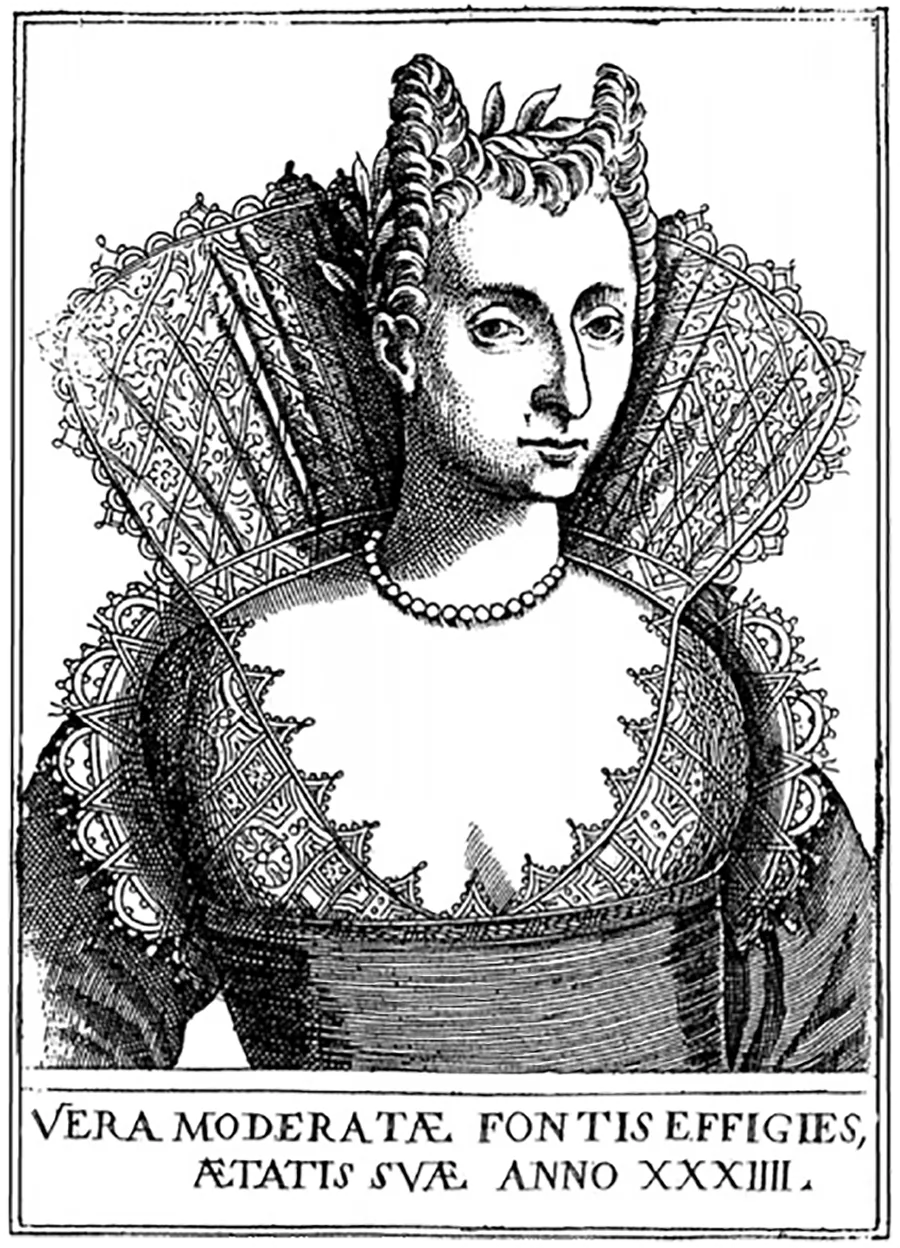
Moderata Fonte and ‘The Woman Question’
In 1600 Venice, Moderata Fonte imagined seven women debating 'the woman question'—why do inferior men dominate women, and can it change?

Elizabeth I and Ageing: Lead Makeup, Wigs, and the Politics of Appearance
Elizabeth I's white lead makeup and red wigs weren't vanity — they were political tools. How the ageing queen managed her image in an era that feared decay.
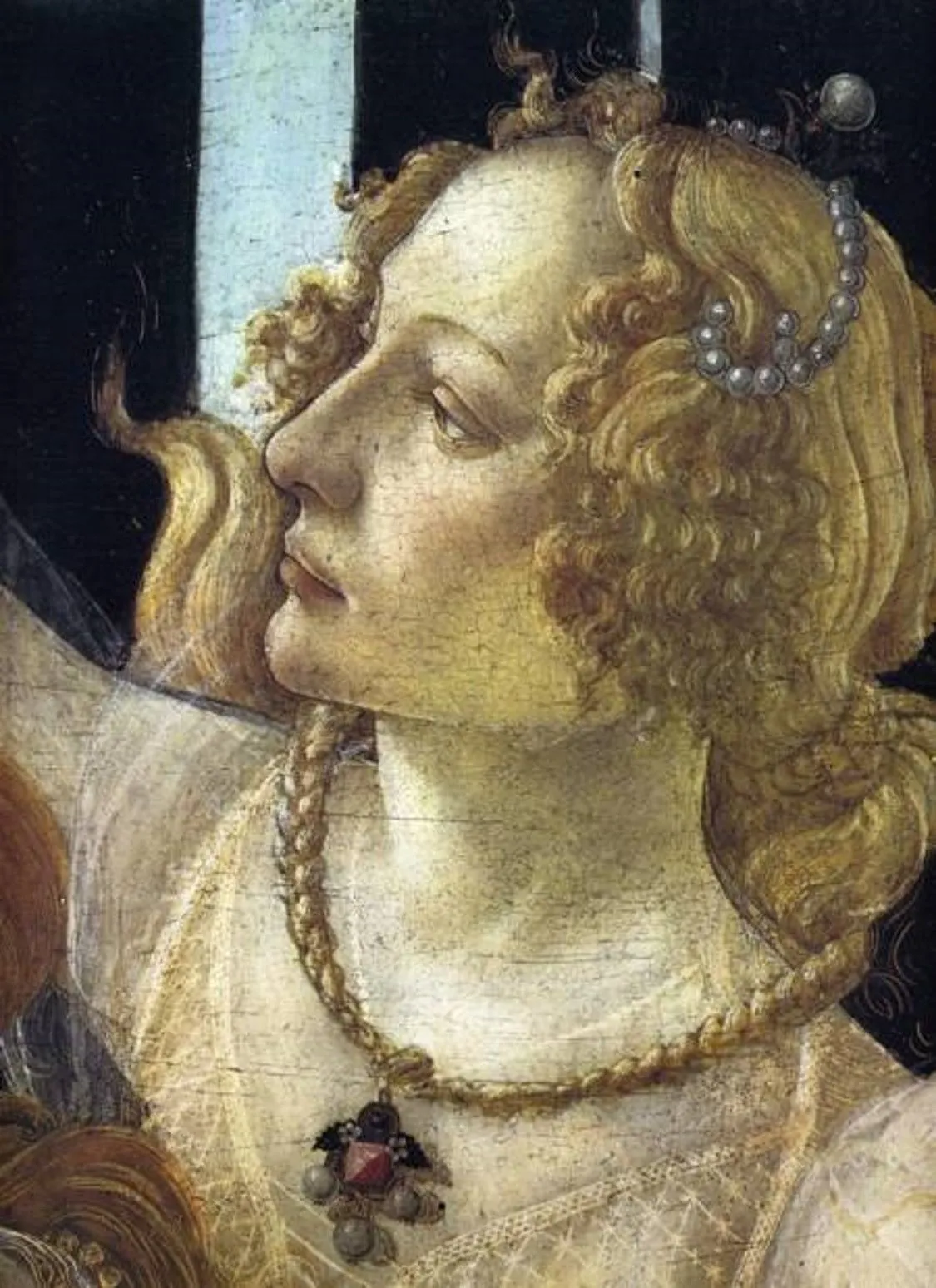
Caterina Sforza: Defiance, Assassination, and Survival in Renaissance Italy
After her husband's murder, Caterina Sforza seized a fortress and confronted the conspirators alone. The story of her political survival against the odds.
What Hamnet Gets Right (And Historians Got Wrong)
Did parents in the past love their children? Explore the historical debate on parental love and grief that Hamnet brings to life so powerfully.
Medieval True Crime: When a Corpse Solved Its Own Murder
In 1503 Switzerland, Hans Spiess was forced to touch his wife's corpse—if it bled, he was guilty. Discover the medieval bier ordeal trial.
The Censored Witches' Flying Potion (That Promised a "Lover")
Uncover Della Porta's infamous 16th-century witches' ointment recipe—hallucinogenic herbs, erotic visions, and Inquisition censorship.
Fake Virginity: The Painful Renaissance ‘Cures’ They Sold Women
Discover dangerous Renaissance recipes for faking virginity—blistering pills, leeches, and lead paint sold to women facing ruin without wedding-night blood.
Before TikTok: History's ORIGINAL Influencers
From Versailles courtiers to Black dandies and salonnières—discover how history's original influencers shaped culture through self-fashioning.
How Water Cures Revolutionised Medicine in the 16th Century
Discover Renaissance spa culture—from fertility baths in Naples to Leonardo Fioravanti's water cures that challenged traditional medicine.
Hypocras: The Spiced Wine Medieval Doctors Prescribed as Medicine
Hypocras was served at royal banquets and prescribed by physicians. The history of the spiced wine that blurred the line between medicine and pleasure.
Urine Tests in the Renaissance: How Doctors Diagnosed Pregnancy and Fertility
Centuries before modern pregnancy tests, physicians examined urine colour, sediment, and even mixed it with wine. The strange science of Renaissance uroscopy.
Birth Trays in Renaissance Italy and Motherhood
After the Black Death devastated Italy, ornate birth trays celebrated motherhood and encouraged childbirth—discover their art, ritual, and symbolism.
What were the "Non-Naturals"?
Learn about the six non-naturals—air, food, sleep, exercise, evacuation, and emotions—that shaped preventive medicine for centuries.
Alchemy in the Renaissance: The Mysterious Isabella Cortese
Uncover Isabella Cortese, the enigmatic 16th-century alchemist whose bestselling book challenged tradition and championed women's knowledge.
Renaissance Fitness: Exercise Rediscovery
Did Renaissance Italy rediscover exercise? Explore Girolamo Mercuriale's 'lost art' and how ancient Greek fitness was revived in the 1500s.
Caterina Sforza's Experiments: Alchemy, Medicine, and Power in Renaissance Italy
Caterina Sforza left behind over 450 recipes for medicines, cosmetics, and poisons. What her alchemical notebook reveals about Renaissance women and power.
Benedetta Carlini: Scandal, Mysticism, and Sex in a Renaissance Convent
Benedetta Carlini claimed visions, performed miracles, and married Christ in a ceremony. Then investigators uncovered her sexual relationship with another nun.
Fioravanti: Pioneering Surgeon-Alchemist of the Renaissance
Leonardo Fioravanti was called a Charlatan, a Poisoner, a Reformer, a Prophet, a Miracle-Worker, a Saviour, an Alchemist, and a Fraud.
What Were Early Modern Beds Like?
From straw sacks to feather beds—how Renaissance sleeping arrangements revealed wealth, status, and inspired The Princess and the Pea.
How to Clean Your Body in the Renaissance
Debunking the myth that Renaissance people were dirty—discover how Italians bathed, used perfumes, and maintained bodily hygiene.
What is the 'Doctrine of Signatures'?
Discover how Renaissance physicians believed plants revealed their healing powers through shape, color, and resemblance to body parts.
Moderata Fonte and ‘The Woman Question’
In 1600 Venice, Moderata Fonte imagined seven women debating 'the woman question'—why do inferior men dominate women, and can it change?
Elizabeth I and Ageing: Lead Makeup, Wigs, and the Politics of Appearance
Elizabeth I's white lead makeup and red wigs weren't vanity — they were political tools. How the ageing queen managed her image in an era that feared decay.
Caterina Sforza: Defiance, Assassination, and Survival in Renaissance Italy
After her husband's murder, Caterina Sforza seized a fortress and confronted the conspirators alone. The story of her political survival against the odds.