 Dr Julia Martins
One of the silliest historical myths out there is that people in the past were somehow ‘dirty’ and had poor hygiene, especially compared to today’s standards. Of course, I’m generalising; each culture had different practices depending on time and place. But think of people living in the Italian
What is Hygiene?
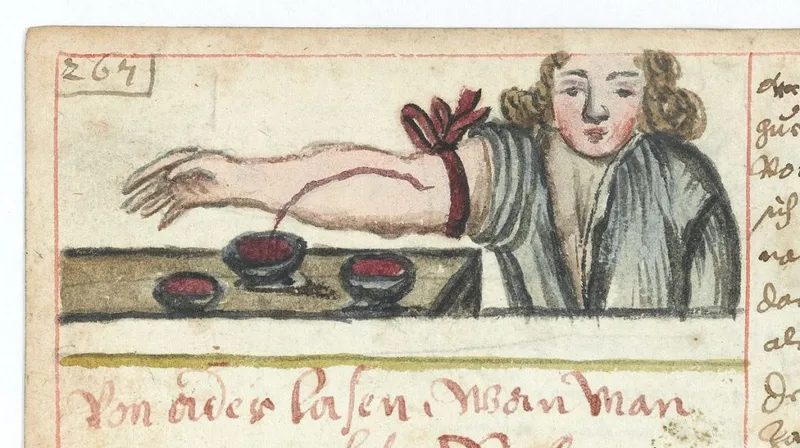
To start with, people understood the very idea of ‘hygiene’ differently. It meant removing the impurities that constantly came out of the body, rather than merely getting rid of the dirt deposited on the body surface: the focus was on what came from the inside, not just the outside, of the body. This means we must talk about ‘excrements’ – and I don’t just mean urine and faeces, but also bodily fluids and even ‘vapours’. In the
The organs in the body knew how to ‘
Everyday Rituals
Morning toilette became a central part of healthcare. We often think of combing or brushing the hair as part of styling it and, although that was certainly important too, in the
So, this was a period in which objects connected to health proliferated, especially combs. Because combs would be in close contact with excrement, it was advised that people don’t share them – and even that men use different combs for the hair and beard, to avoid contamination. Ear cleaners and toothpicks were popular too. Wealthy people could have them made of precious materials such as ivory and encrusted with jewels. (There was even a 16th-century commentator who wrote how gentlemen who wore gold toothpicks in necklaces around their necks were vulgar and showing off.)
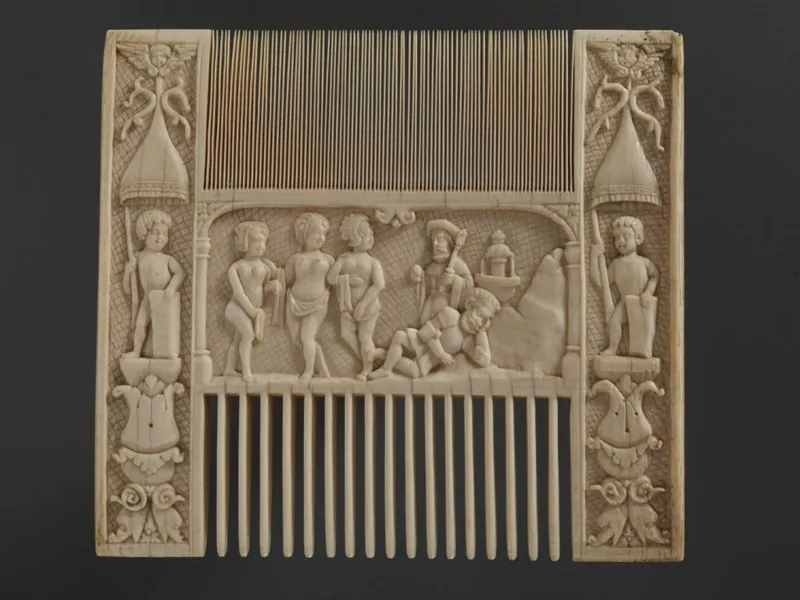
Special soaps and herbal washes were recommended to clean the head and hair – although one should proceed with caution. Washing the hair was potentially dangerous during pregnancy, and pregnant people were advised to clean their hair with powders and combs (not unlike the ‘dry shampoo’ many of us use today). There were even tales of miscarriages being caused by hair washing during pregnancy – which meant, of course, that the woman could be blamed for the loss of pregnancy.
Baths and Skincare
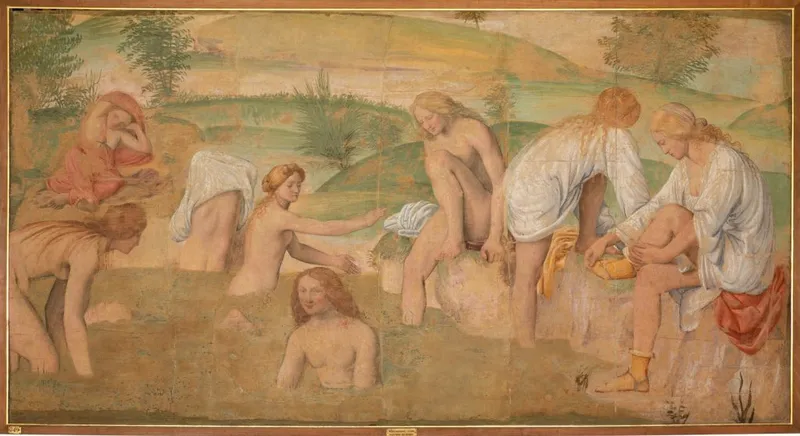
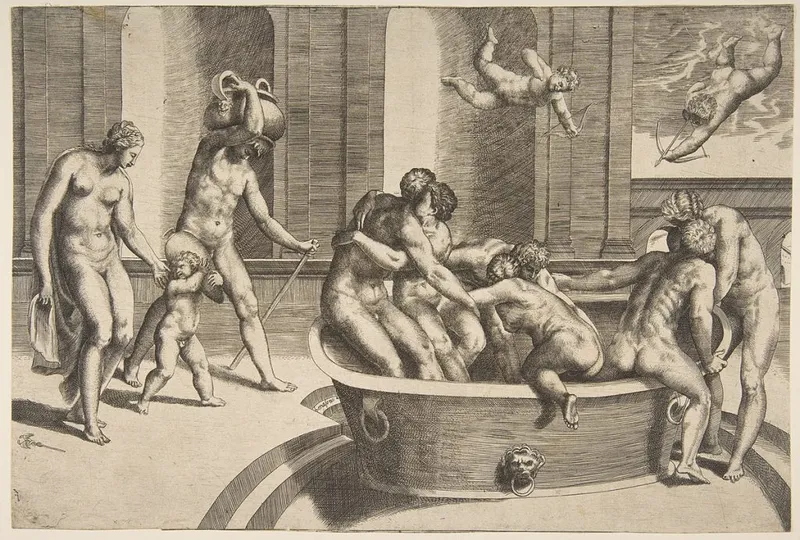
In
Baths shouldn’t be too long or frequent, and the water shouldn’t be too hot nor too cold, but tepid. Bathing could bring health hazards with it, as the wet body left the water, and the cold air touched the open pores. Afterwards, the person should rest, to help the body recover. As other forms of bodily hygiene were adopted, bathing became increasingly less popular, although medicinal baths for specific conditions continued to be used. Baths fell out of fashion and started to become rare in domestic environments. On the other hand, basins, ewers, and towels became increasingly popular for washing the face and hands – which makes sense in a period in which many diseases were believed to be transmitted by contact with other people’s hands. With these transformations, the distinction between the medical hygiene of the body and the world of cosmetics and beauty virtually disappeared.
Hygiene and Undergarments
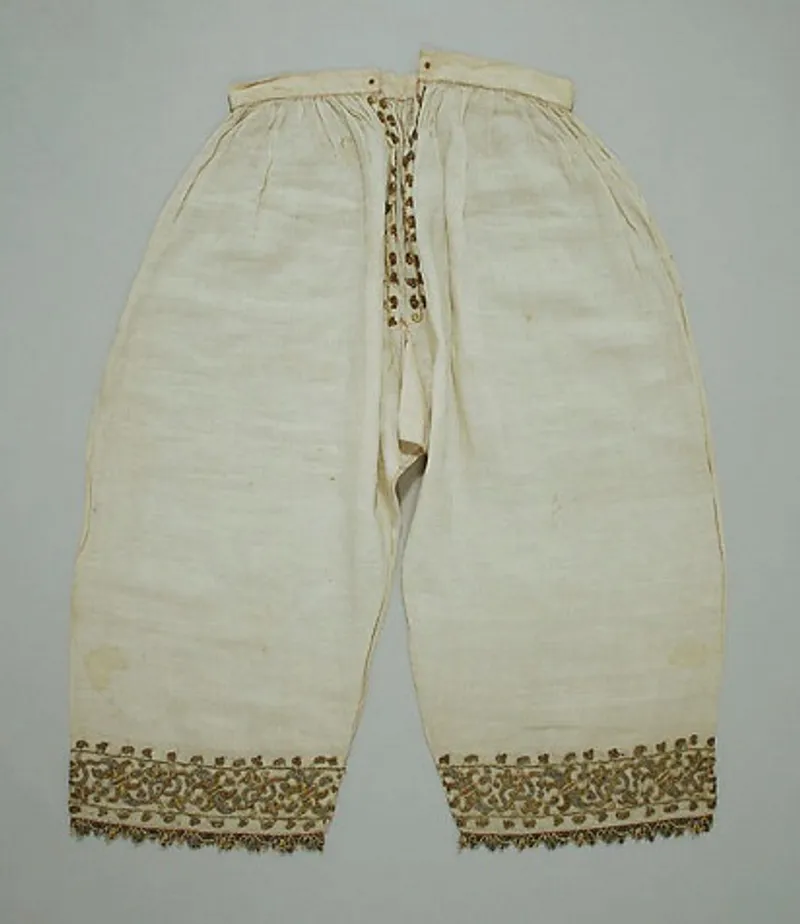
But one of the main ways of keeping the body clean had to do with clothing. Although most people didn’t bathe as often as we do today (although there are records of people washing daily), they cleansed their bodies in other ways. The main one, and the one most foreign to us when we think of ‘bodily hygiene’, was probably changing their bedlinens and linen underclothes often, as they collected residues expelled by the body. This was particularly important for people who menstruated. As Petronio wrote in 1602:
‘[The bath] was the discovery of the ancients for keeping the body fresh and clean, for since they did nor have the custom of wearing linen garments […] they were apt to become covered in dirt of all kinds […] but in our times since all, rich and poor alike, are accustomed to wear shirts and thereby more easily keep the body clean, the bath is neither so widely nor frequently employed as in the times of the ancients.’
If the body expelled excrement through the pores of the skin, these impurities were absorbed by clothing, which meant that changing the bedding and undergarments regularly was believed to be superior to washing, according to many health regimens and domestic manuals (although baths were recommended for children under 5 years old).
Hygiene and Health
In any case, men were largely believed to be cleaner than women, especially because of the ‘things natural to women’ – menstruation. Female bodies were imagined as being particularly ‘leaky’ and so needed further care and hygiene. Plus, with their hair often being longer, they needed to take special care to remain clean. And female bodies were believed to be much more susceptible to illness and disease, again highlighting the connection between hygiene and health.
The cleansing of the body in
References:
Marsilio Ficino, De le tre vite (Venice, 1548).
Alessandro Petronio, Del Viver delli Romani (Rome, 1592).
Further Reading:
Rudolph Bell, How to Do It: Guides to Good Living for Renaissance Italians (London, 1999).
Sandra Cavallo and Tessa Storey, Healthy Living in Late Renaissance Italy (Oxford, 2013).
Roy Porter, Patients and Practitioners: Lay Perceptions of Medicine and re-Industrial Society (Cambridge, 1985).