 Dr Julia Martins
Part 1 – What are Eaglestones?
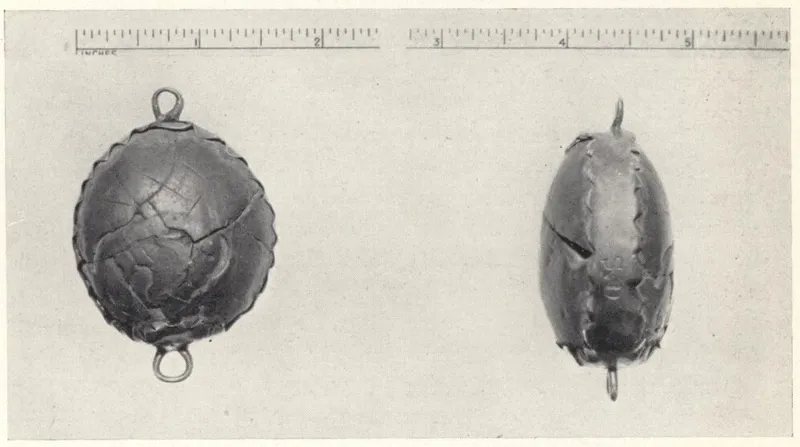
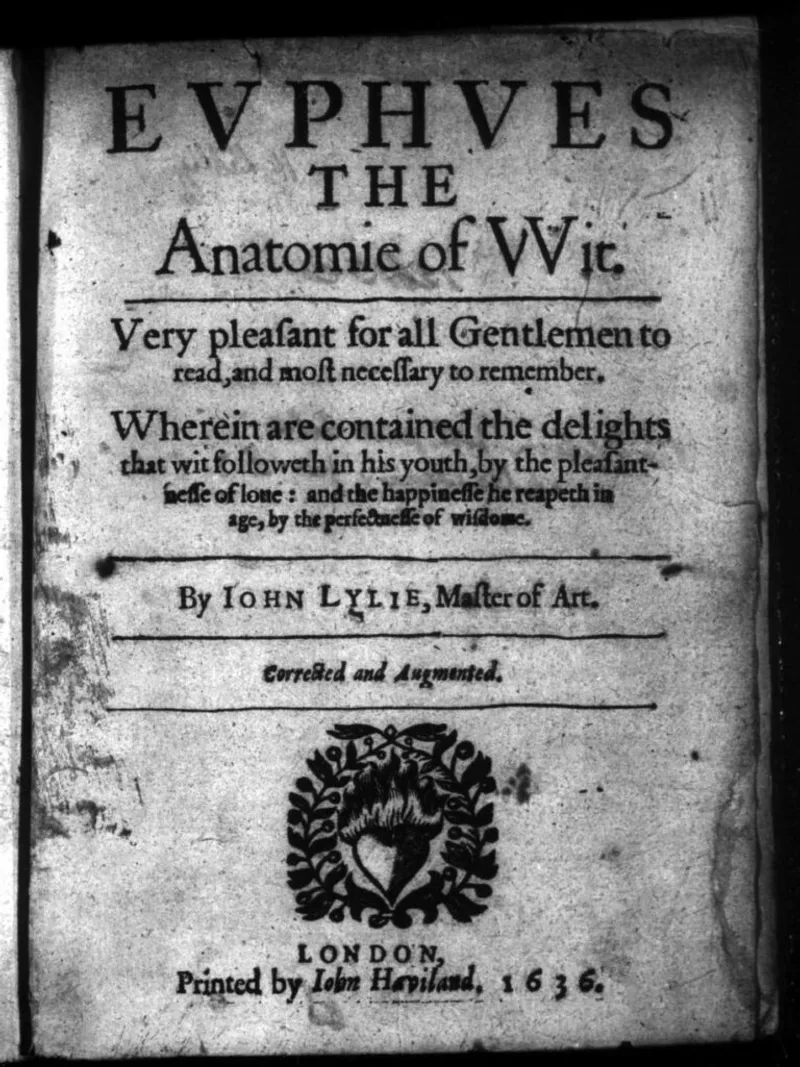
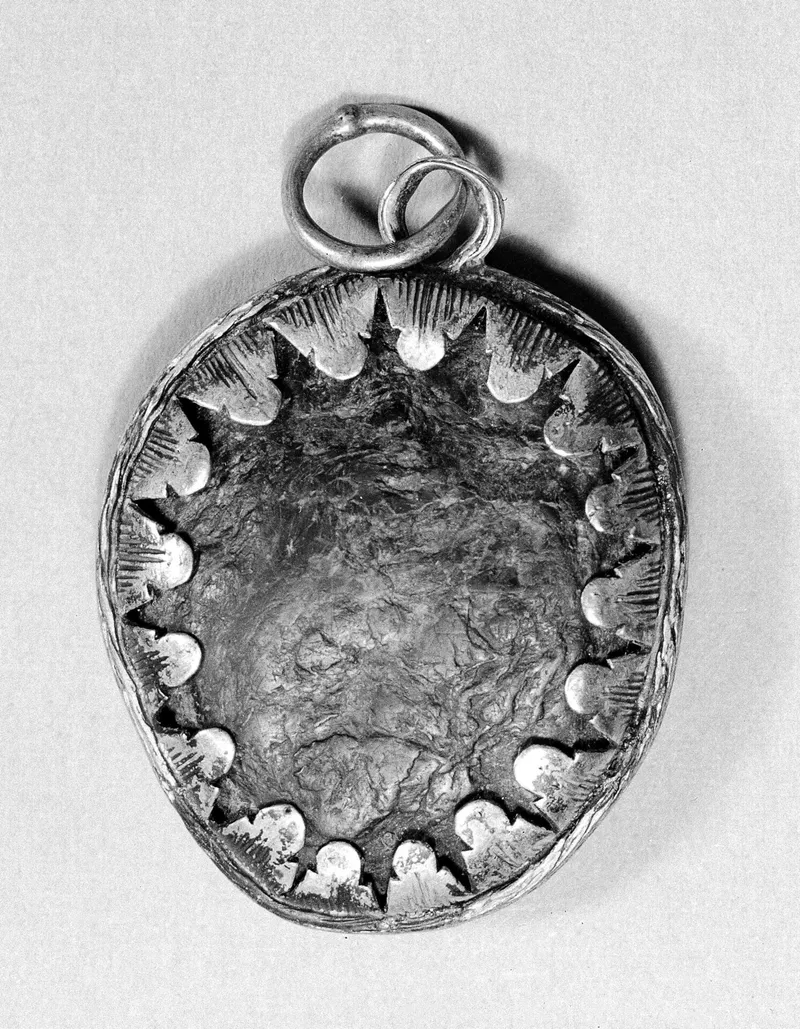
Childbirth can be scary, especially if you’ve never given birth before and don’t know what to expect. Just like we might do today, throughout history, women have talked to each other about it, developed their rituals surrounding it, they have asked midwives and doctors questions, and they have prayed for protection. They have asked for safe deliverance; for both mother and baby to survive this dangerous time. Many objects have been a part of the world of childbirth in the past, from religious relics to special bedsheets passed from one generation to the next. But perhaps none of these objects are as interesting as eaglestones, ancient magical amulets believed to give protection during this dangerous time in women’s lives. There’s evidence of their use from antiquity to the 19th century, throughout Europe. Women kept them by their beds or wore them in long necklaces, so that the stone, as a pendant, was close to their bellies. They were commonly tied with string to a woman’s left arm to protect against miscarriages and, later, to her thigh, during the delivery, to make it easier, safer, and quicker. Let me tell you about these stones – and the many myths that surrounded them.
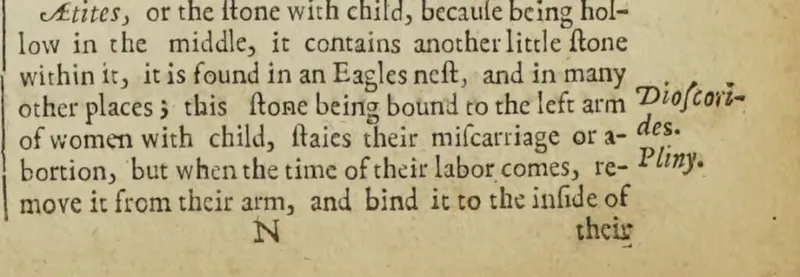
The legends surrounding eaglestones go back thousands of years, but let’s start with
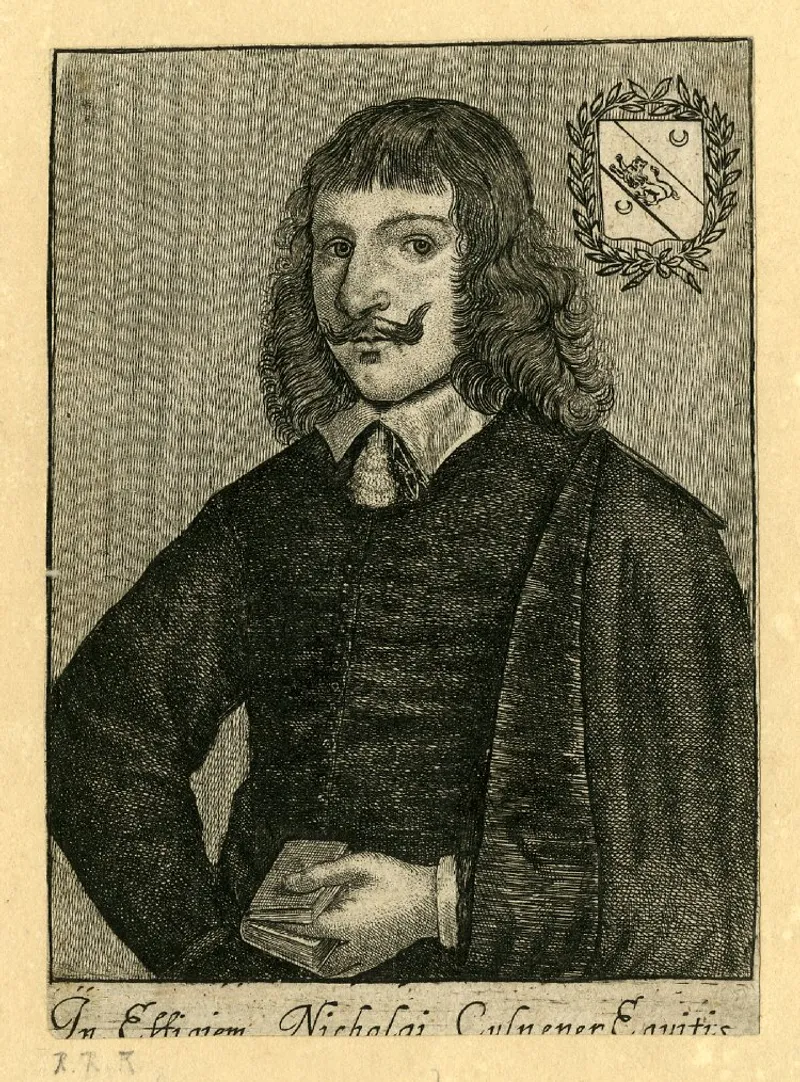
Aetites, or the stone with child, because being hollow in the middle, it contains another little stone within it, it is found in an Eagles nest, and in many other places; this stone being bound to the left arm of women with child, staies their miscarriage or abortion, but when the time of their labor comes, remove it from their arm, and bind it to the inside of their thigh, and it brings forth the child, and that (almost) without any pain at all.
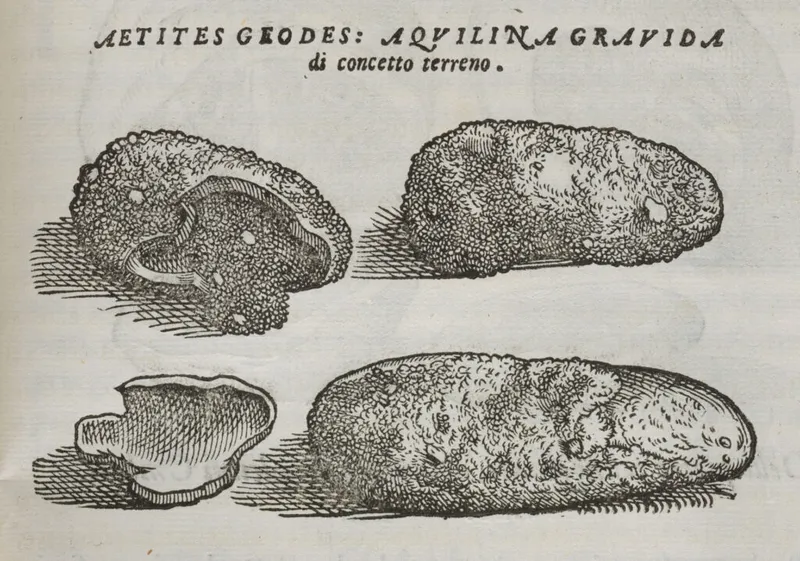
Let’s go through Culpeper’s description. Eaglestones were called ‘aëtites’ or ‘echites’ from the Greek for eagle, ‘aetos’, or ‘aquiline’, or ‘aquilaeus’, from the Latin ‘aquilae’. And that’s because these stones were believed to be found in eagles’ nests, as Culpeper mentioned. In fact, female eagles were believed to use these stones to make their nests more secure. The English writer
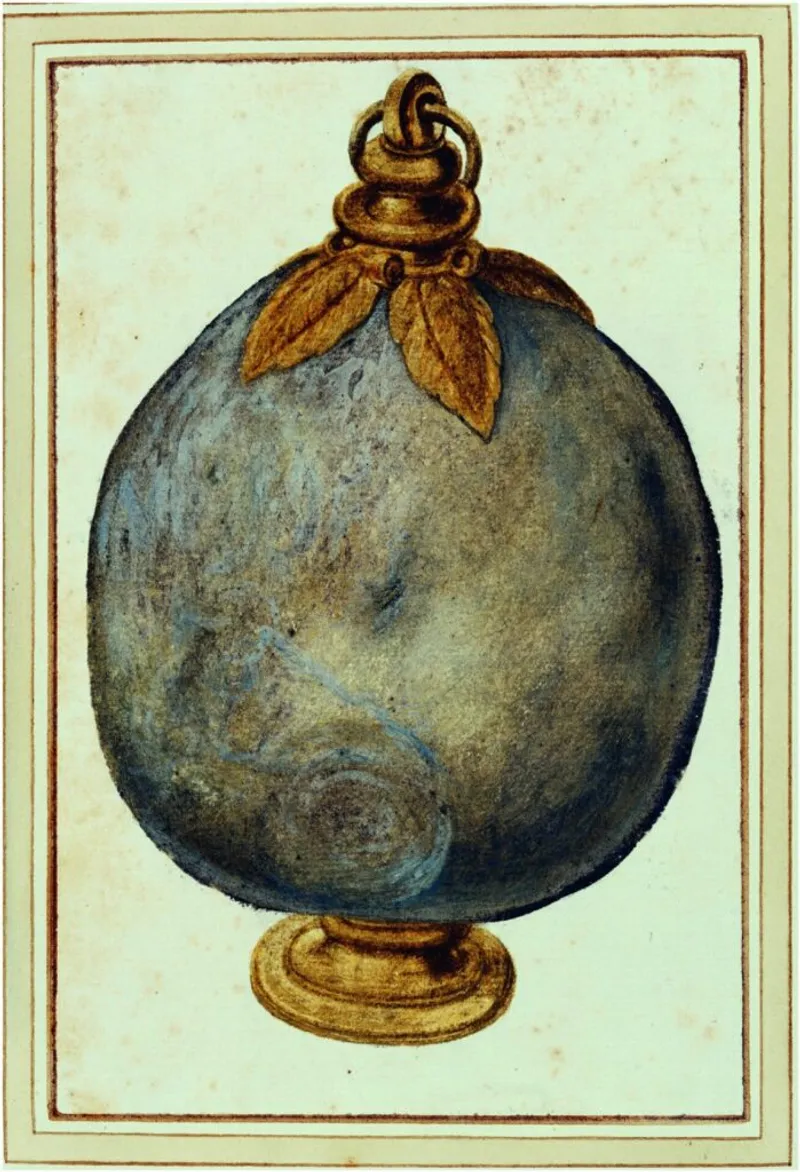
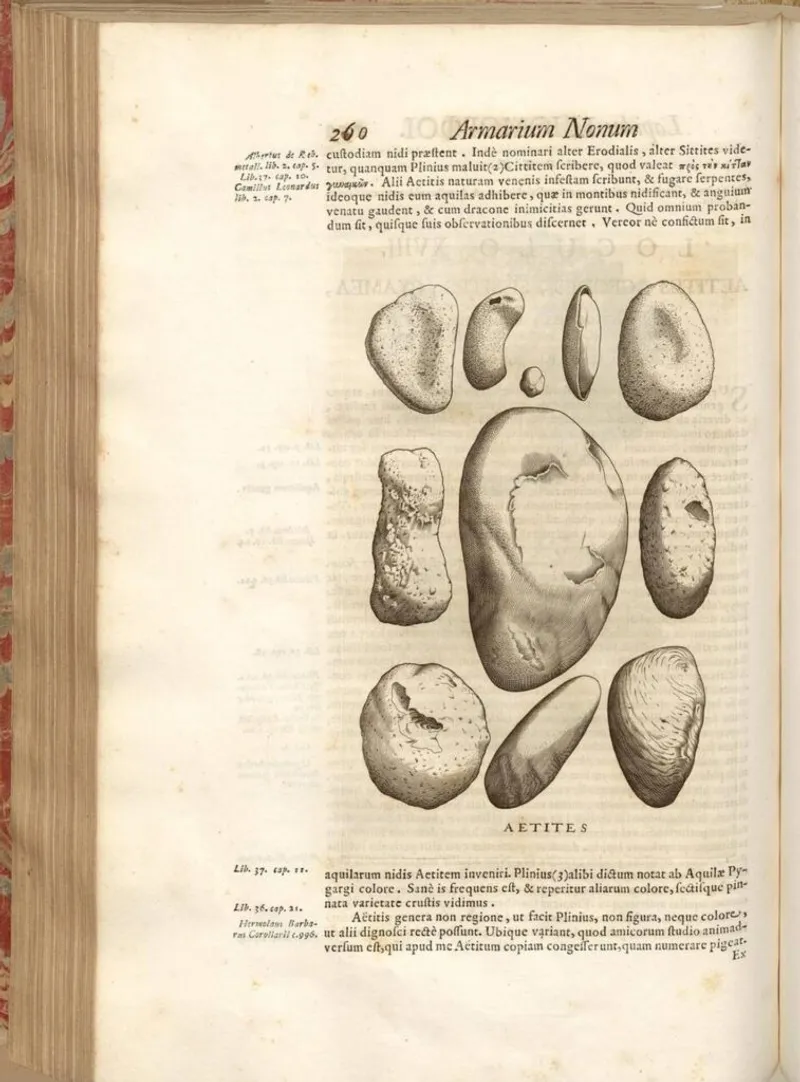
Today, we’d call them geodes. They were hollow stones, formations enclosing loose crystals that could move around and rattle and so they would be like a ‘pregnant’ stone – a stone with a smaller one inside it. It was because of this feature that they were connected to childbirth; their power to help pregnant women shows how analogic reasoning was central in medical thinking in the past: the stone inside a stone was just like a baby inside its mother. So, the stones were believed to prevent pregnancy loss and make the delivery easier and safer. This belief in the stones and their use as amulets was transmitted orally, especially among women, through the rituals of the birthing chamber. They were believed to protect expectant mothers from natural accidents, but also from baby-snatching demons like Gello, whose legends survived in popular culture among women.
In
And thus I end the Stones, the vertues of which if any think incredible, I answer, 1. I quoted the Authors where I had them, 2. I know nothing to the contrary but why it may be as possible as the sound of a Trumpet is to incite a man to valor, or of a Fiddle to dauncing; and if I have added a few Simples which the Colledg left out, I hope my fault is not much, or at least wise, venial.
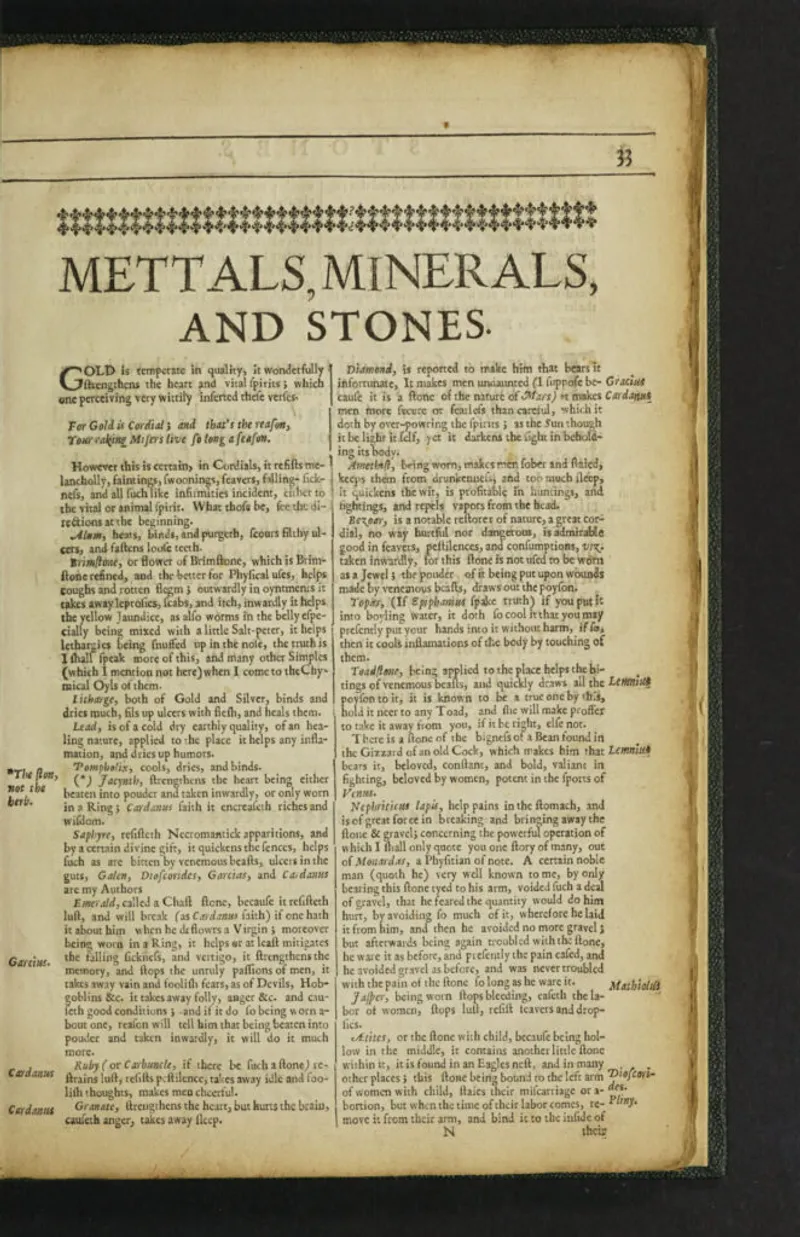
So, a subtle jab at the Royal College of Physicians, too. But you can see how women weren’t the only ones interested in the subject. The earliest mention of eaglestones that I found was in the ancient Greek philosopher and mineralogist
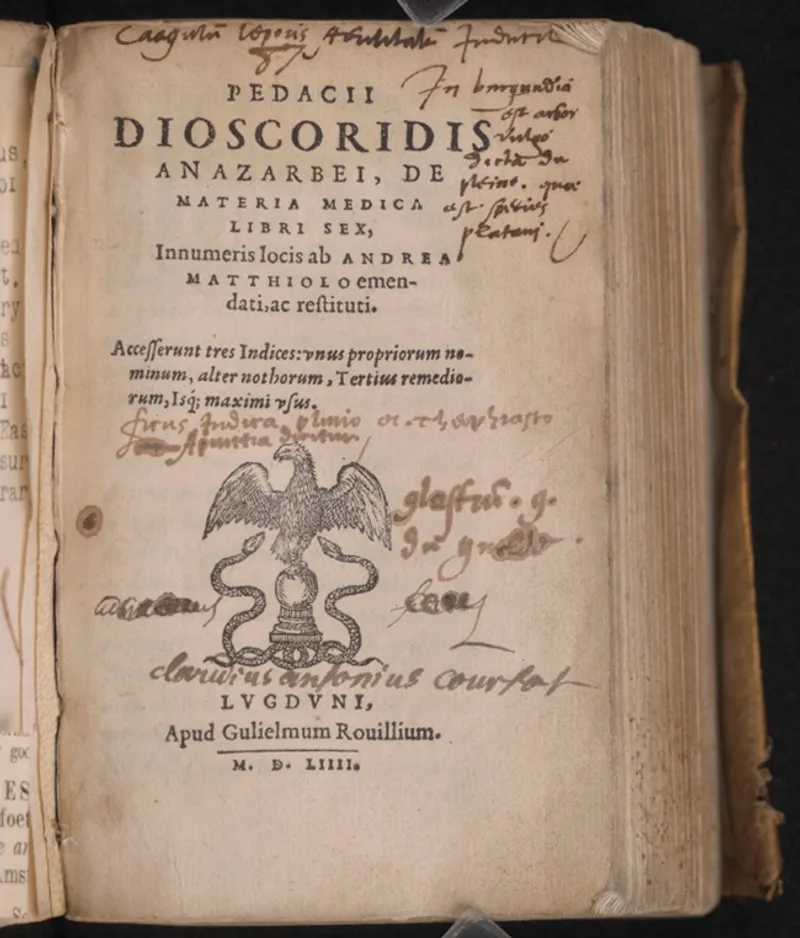
In the
Part 2 – Lapidary Medicine and Magic
So, what is lapidary medicine? Well, the name comes from ‘lapis’, which means stone in Latin. The idea was that, just as plants can have healing properties, so too could precious stones and gems. And, just like herbals listed plants’ properties and medicinal uses, lapidaries were books in which the qualities of stones were listed, with the indicated use for each of them. One of the most famous books to list stones and their healing properties was
If thou will engender love between any two. [But you’ll see, there’s much more to them than ‘just’ making people fall in love]
Take the stone which is called Echites, and it is called of some Aquileus, because the Eagles put these in their Nests. It is of purple colour, and it is found nigh the banks of the Ocean sea, and sometimes in Persia, and it containeth always another stone in it, which soundeth in it when it is named. It is said of antient Philosophers, that this stone hanged upon the left shoulder, gathereth love between the Husband and the Wife. It is profitable to women great with Child [so, pregnant women], it letteth untimely birth, it mittigateth the peril of making afraid, [so it protects from miscarriages] and it is said to be good for them that have the falling sickness [epilepsy]. And as the men of Chaldea say and assum, that if there be any poyson in thy meat, if the aforesaid Stone be put in, it letteth that meat may be swallowed down [so it’s an antidote to poisons]; and if it be taken out, the meat is soon swallowed down, and I did see that this later was examined sensibly by one of our Brethren. [So, he saw this in the monastery where he lived.]
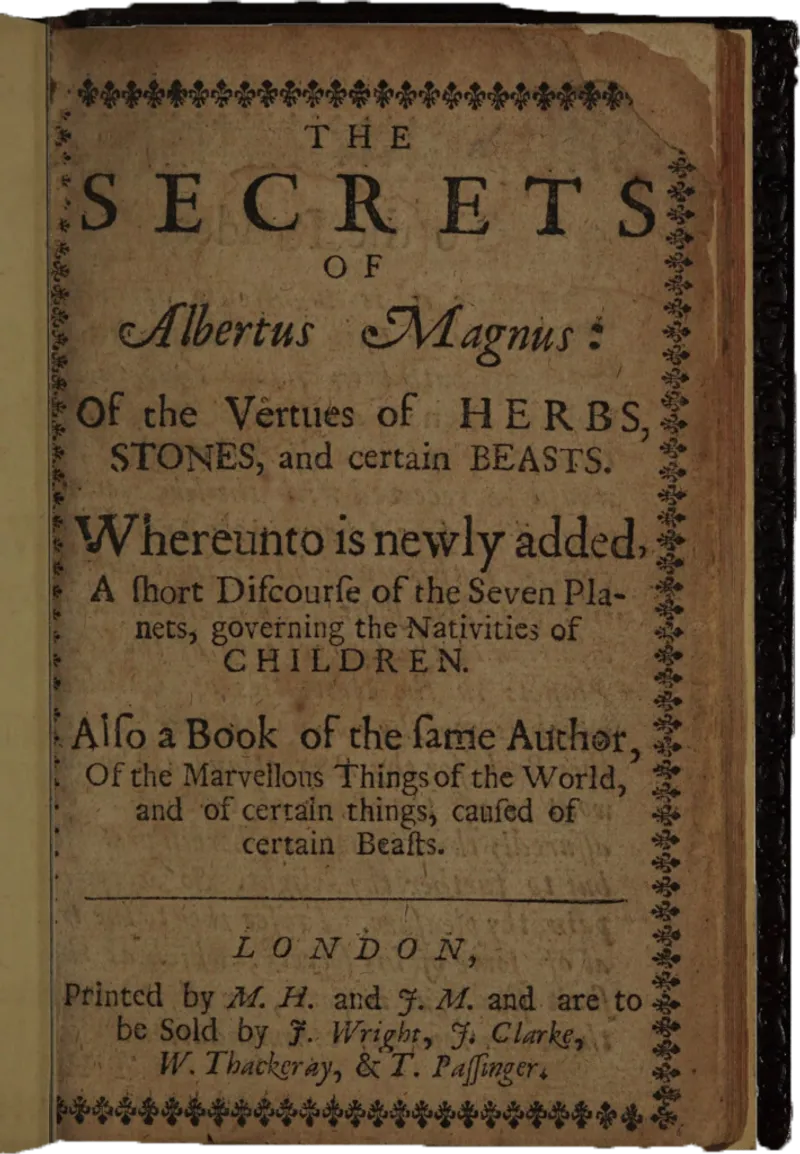
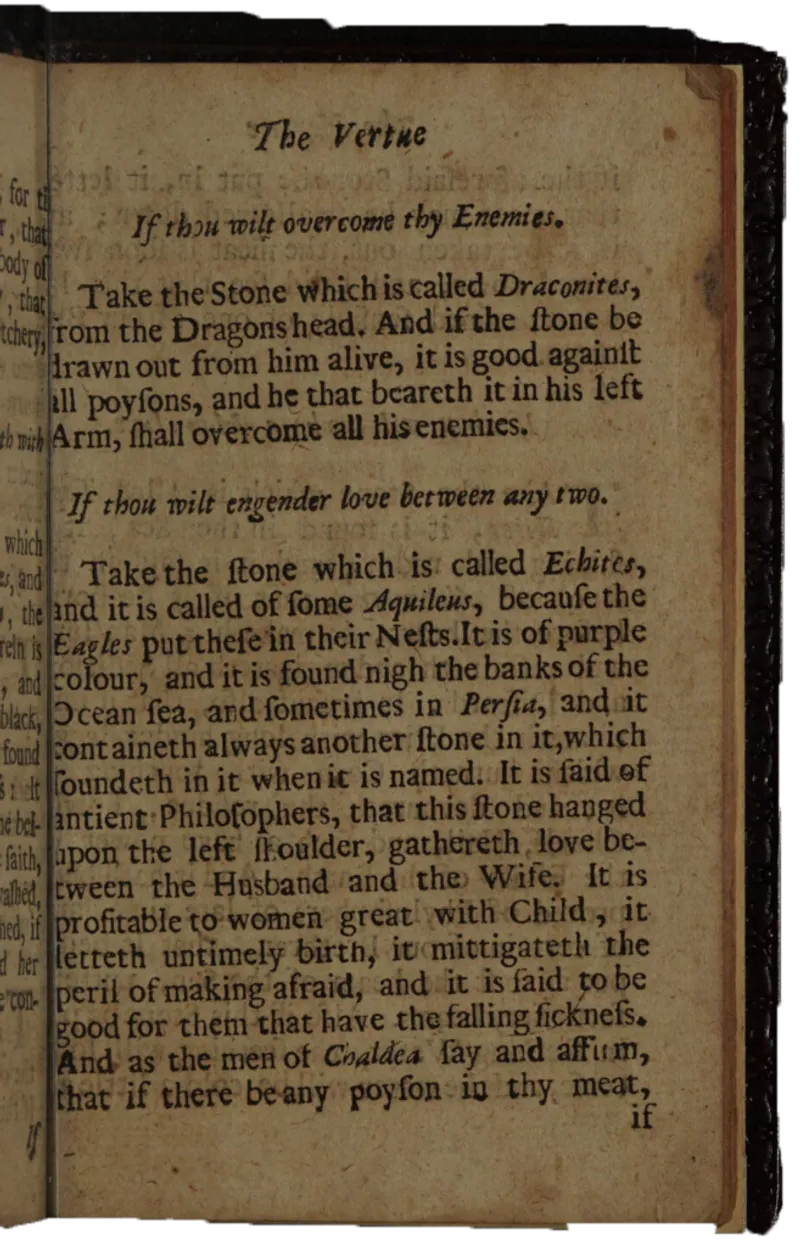
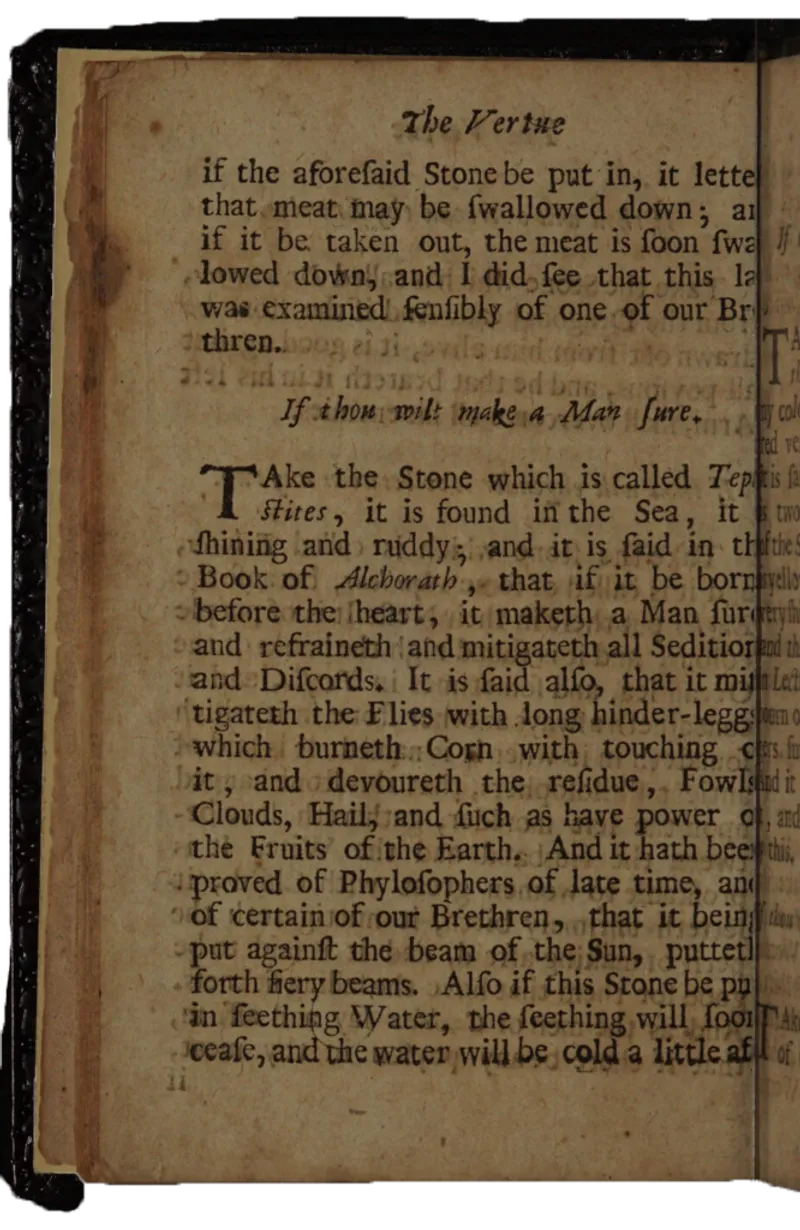
Albertus also recommended wrapping the stone in a linen cloth or calf’s skin and wearing it in contact with your skin, in a place such as your armpit. The belief that gemstones could have medicinal properties was so widespread that jewellery would often be open-backed with that in mind so the gem touched the skin. Any excuse to wear jewellery, right? And don’t forget that women were advised to tie eaglestones around their bodies, so in contact with their skin.
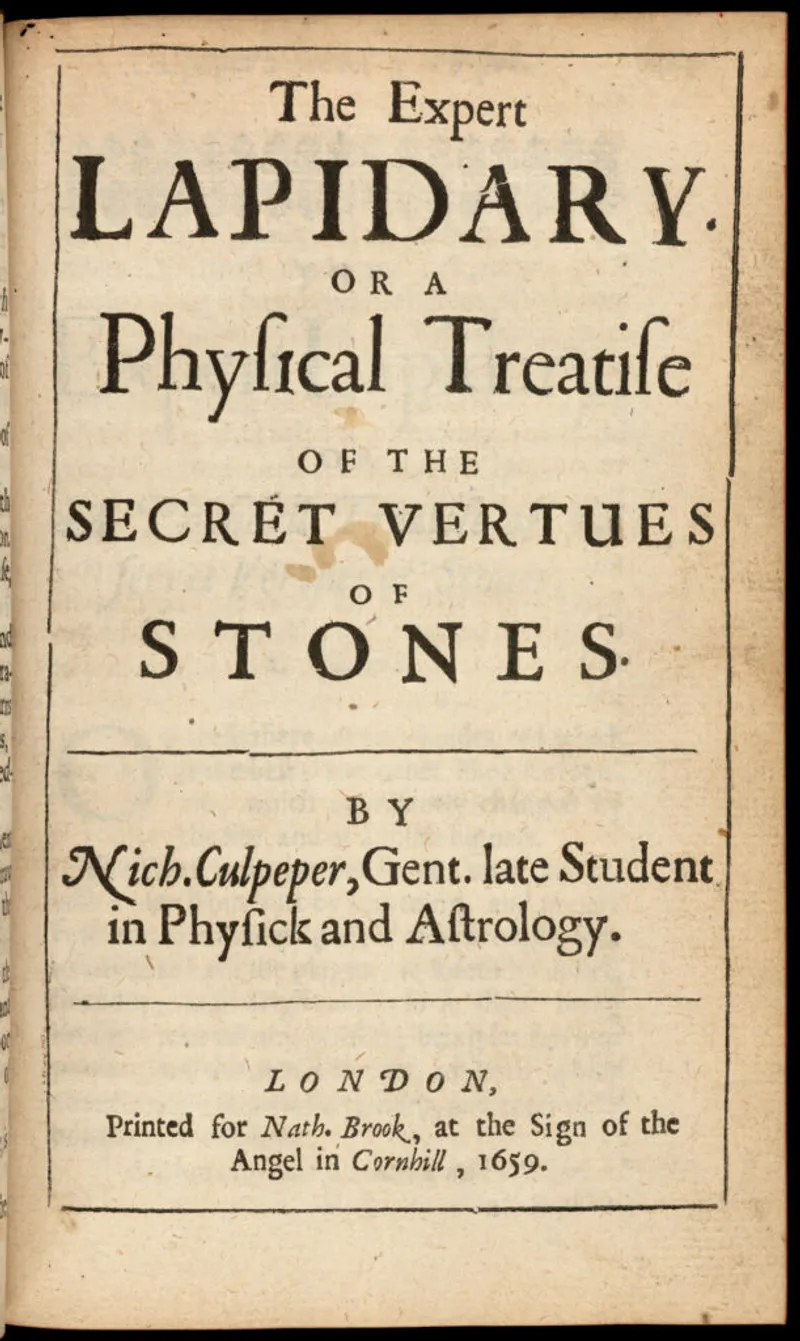
Now, we should keep in mind that there were several other stones believed to have medicinal properties, and many of them were associated with pregnancy and childbirth, such as jaspers, which were good for lactation, and recommended by the fabulous 12th-century nun
But let’s talk about magic. Lapidary medicine was closely connected to magic in the
Magic in the
they “amazeth also (euen as the Lodestone doth) the beholder by his hid and occult naturall set or vertue.”
If you don’t understand how magnets work, you would probably also think they’re wonders of nature, with occult virtues. There’s more to them than the eye can see. The same goes for eaglestones and you could even say that, in this period, the same goes for the mysterious female body and especially the womb. But wait, because things are about to get weirder.
Part 3 – Even Weirder Eaglestones Lore
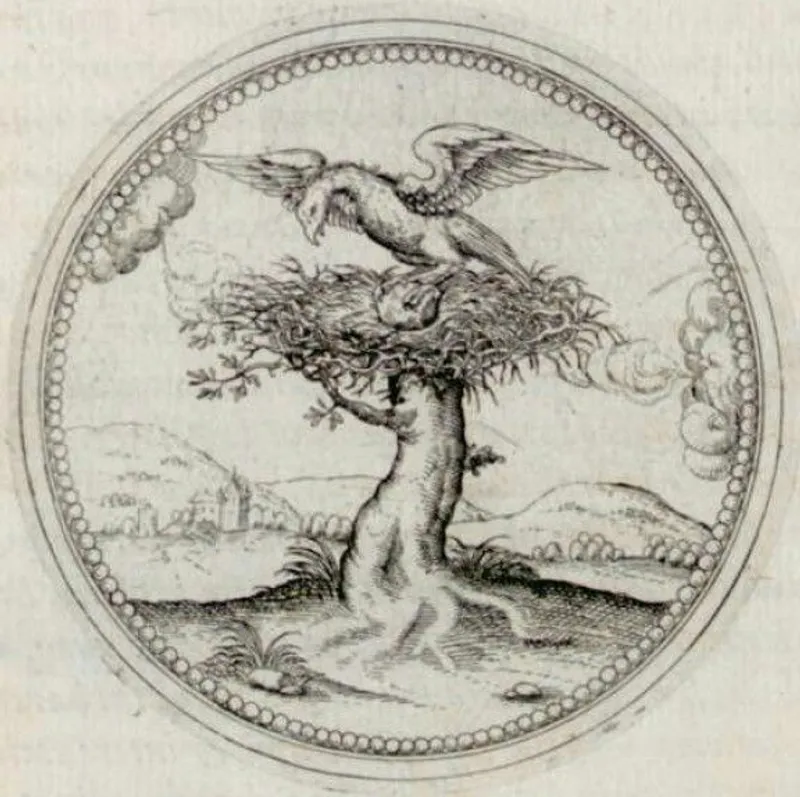
You might be thinking – if eaglestones are a pregnant stone, how did they get pregnant? Surely I wasn’t the only one thinking about this? Anyway, here all this mythology gets even more intriguing. Eaglestones are described in the primary sources in many different ways and according to some authors this varied appearance might be explained by the fact that some of these stones were male, and some were female. Lighter and transparent ones were usually believed to be female, and the darker ones to be male. These ideas can be found in lapidary texts from the ancient, medieval, and
‘…that of Africa is soft and diminutive, and contains in the interior-in the bowels as it were-a sweet white argillaceous earth. The male stone, on the other hand, which is found in Arabia, is hard, and similar to a gall-nut
in appearance; or else of a reddish hue, with a hard stone in the interior. The third kind is a stone found in the Isle of Cyprus, and resembles those of Africa in appearance, but is larger and flat, while the others are of a globular form: it contains a sand within of a pleasing colour, and mixed with small stones; being so soft itself as to admit of being crushed between the fingers. The fourth variety is known as the Taphiusian aetites, […] It is met with in the beds of rivers there, and is white and round […] none of the other varieties of Aetites have a smoother surface than this ‘.
The 7th-century theologian
As you can see, discussing lapidary cures in general, and especially eaglestones, was not uncommon among
But if you’re thinking – surely we must be done with this subject – well, there’s more to it. Eaglestones were also believed to detect a thief or enemy, and to cure epilepsy, among other things. Let me quickly go through that. According to Dioscorides, eaglestones are ‘a discloser of a thief, if any put it into ye bread that he offers him, for he that stole cannot be able to swallow down ye things chewed ; and they say also that Aetites, being sodden together with meat becomes a betrayer of a thief, for he who stole, shall not be able to swallow that which was sodden with it ; but being beaten small, and taken in a Cerat made of Cyprinum or Glucinum or of some other of those that warm, doth greatly help ye epilepticall ’. Huh. Centuries later, people like my
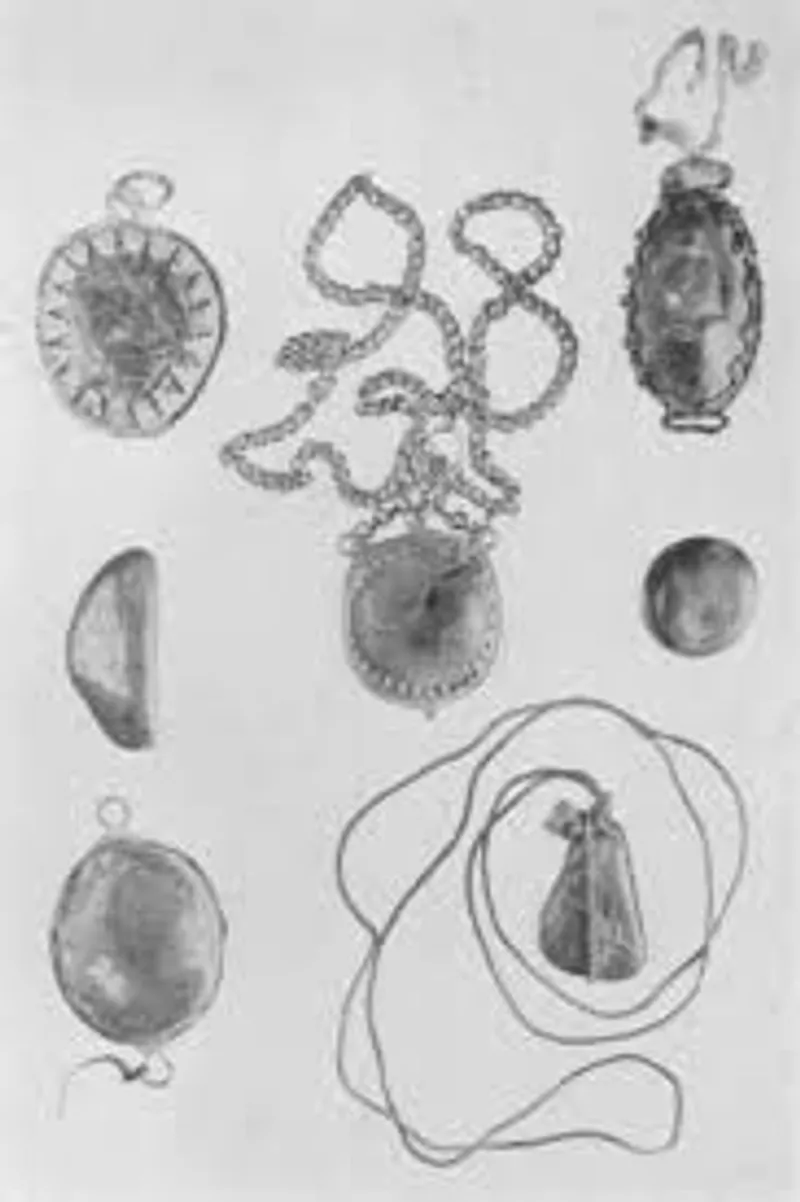
These ideas get repeated in many lapidaries throughout the centuries, sometimes with slight changes. The Swiss medical reformer
Final Thoughts
If you were to look for eaglestones in a museum today, you might come across many different things. Depending on the time and place, they were described as white, purple, red, black, or amber in colour. Their size, porosity, transparency, and shape varied widely, too. The chemical composition might be described as containing iron oxide, aluminium, or silex. The one thing that remained constant was the idea of a pregnant stone, a stone with another one inside it. The belief in eaglestones has passed into folklore and history. The stories about wonderful cures, magical properties, and mystical origins of these fantastical stones have been largely forgotten. But I think it’s worth it knowing about them, and for many different reasons.
First of all, eaglestones are an example of how blurry the line was between magic and science. They remind us how much interaction and influence there was between the worlds of learned medicine and popular folklore and medicine. The English midwife
The second reason why I think these stones are so interesting has to do with community. For those who couldn’t afford them, they would have access to these stones through their social networks, thanks to friends, family, neighbours, and people in their parish. In 1662 the Dean of Christchurch in Canterbury, Dr Bargrave, wrote that he had bought one from an Armenian in Rome. But this wasn’t just for the family’s personal use. He wrote of the stone:
It is so useful that my wife can seldom keep it at home, and therefore she hath sewed the strings to the knitt purse in which the stone is, for the convenience of the tying of it to the patient on occasion, and hath a box to put the purse and stone in.
So, the Dean’s wife would have the eaglestone with her, and, when she attended births, maybe as a gossip or matron, she could share it within the community for the public good, and support the midwives’ in their role. So, besides being family heirlooms, eaglestones could be something that bound the community together, especially the women.
The third reason why I find eaglestones so interesting is that they remind us that the people in the past were just like us. They were also anxious about pregnancy loss, they were also scared of childbirth and the pain that might come with it, they also hoped for healthy babies. So I think that eaglestones serve as a material reminder of female community and solidarity, of the deeply human emotions surrounding childbirth, and how this world was not separate from the world of learned medicine and humanism, but an integral part of it. Some of the legends about eaglestones may be weird or nonsensical but, to me, that only adds to their charm, and I wouldn’t have minded having one on me when I was giving birth. As long as it was removed from my thigh as soon as the placenta was delivered, otherwise the stone might attract the womb and make it come out of the body, and that’s never good, is it?
References:
John Maplet, A Greene forest, or A naturall historie (1567).
Pietro Andrea Mattioli, Materia medica (1544).
William Salmon, Pharmacopaeia Londinensis (1691).
Further Reading:
C. N. Bromehead, ‘Aetites or the Eagle-stone’, Antiquity 21(81) (1947), pp:16-22.
Lorraine Daston and Katharine Park, Wonders and the Order of Nature, 1150–1750 (1998).
T. G. H. Drake, ‘The Eagle Stone, an Antique Obstetrical Amulet’, Bulletin of the History of Medicine , January, 8(1) (1940), pp. 128-132.
Christopher Duffin, ‘A Survey of Birds and Fabulous Stones’, Folklore, 123(2) 2012, pp. 179–197.
Christopher Duffin, Moddy, R. T. J. and Gardiner-Thorpe, C. (eds.), A History of Geology and Medicine (2013).
Joan Evans, Magical Jewels of the Middle Ages and the
Nichola Harris, ‘Loadstones are a Girl’s Best Friend: Lapidary Cures, Midwives, and Manuals of Popular Healing in Medieval and Early Modern England’, in The Sacred and the Secular in Medieval Healing: Sites, Objects, and Texts, ed. by B. Bowers and L. Keyser (2017).
Jacqueline Musacchio, ‘Imaginative conceptions in
Keith Thomas, Religion and the Decline of Magic (1971).
Lynn Thorndike, A History of Magic and Experimental Science (1964).
Thomas Forbes, ‘Chalcedony and Childbirth: Precious and Semi-Precious Stones as Obstetrical Amulets’, Yale J Biol Med. April 35(5) 1963, pp. 390-401.