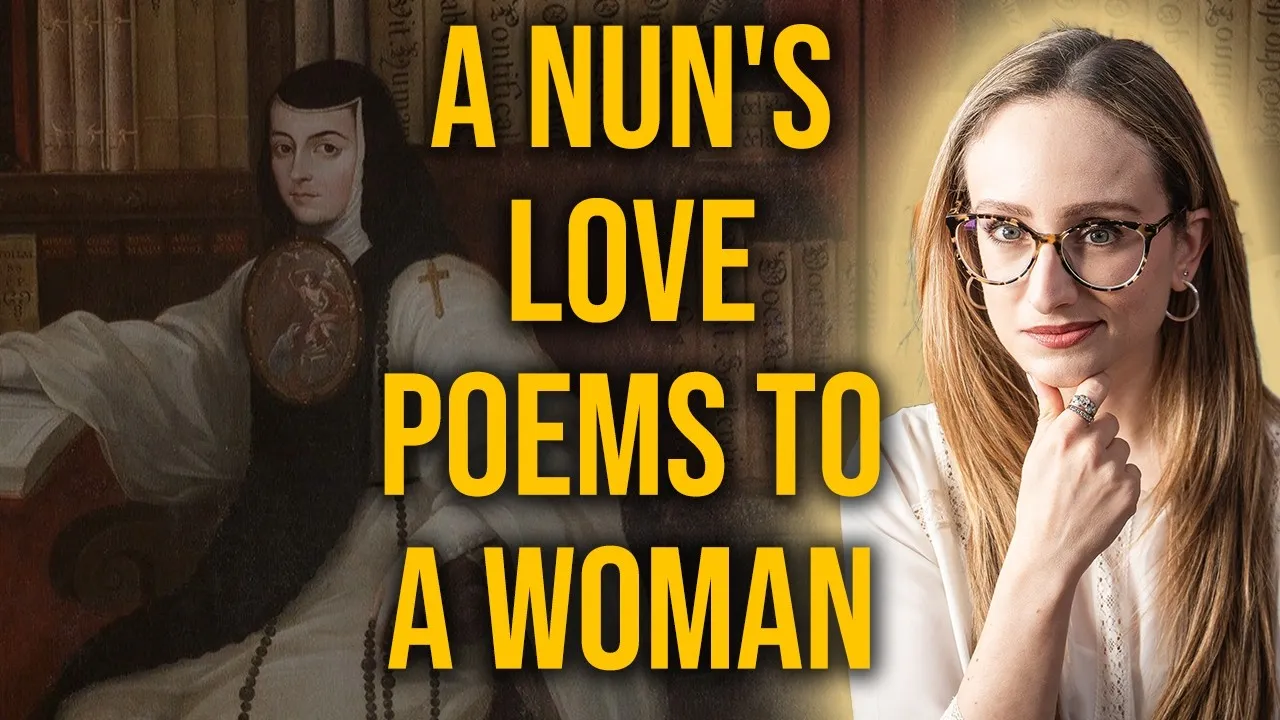
Was the "Worst Nun in History" in Love with a Woman?
Sor Juana's love poems to the Vicereine of New Spain are intense, intimate, and still debated by scholars centuries later.
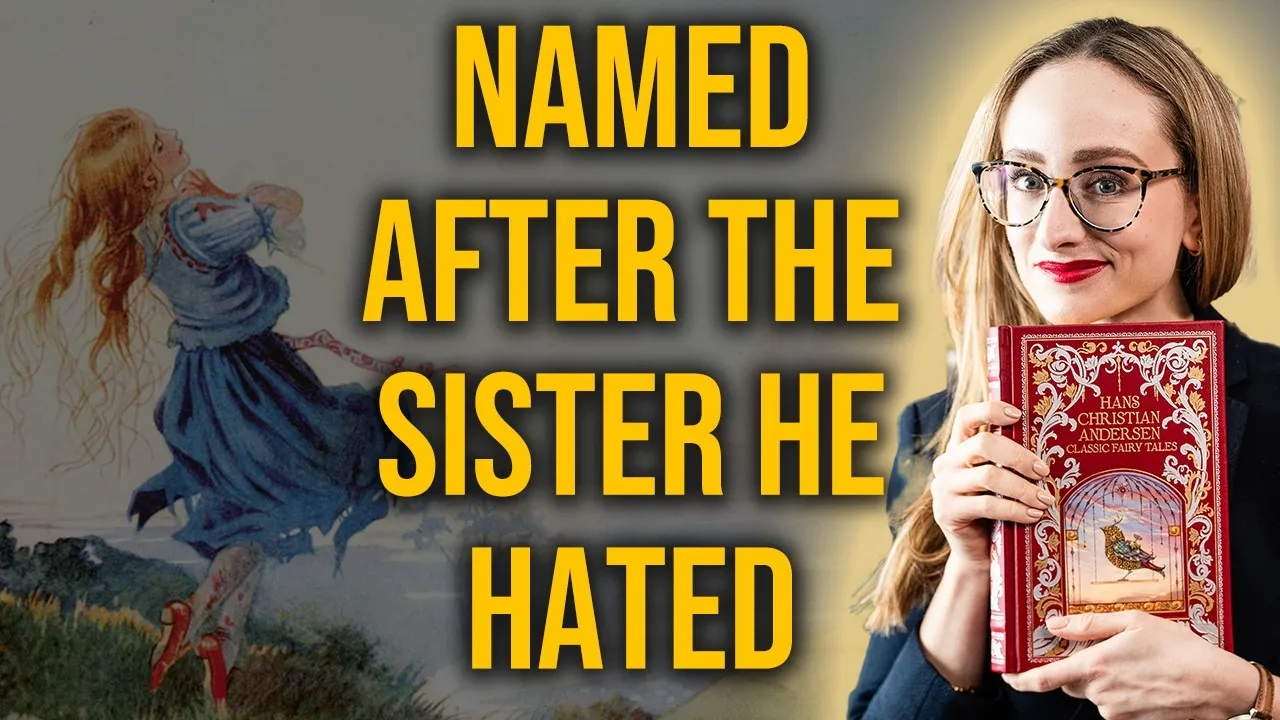
The Dark Family Secret Hidden Inside The Red Shoes
How Andersen's childhood, class shame, and strict Lutheran faith shaped his darkest fairy tale.
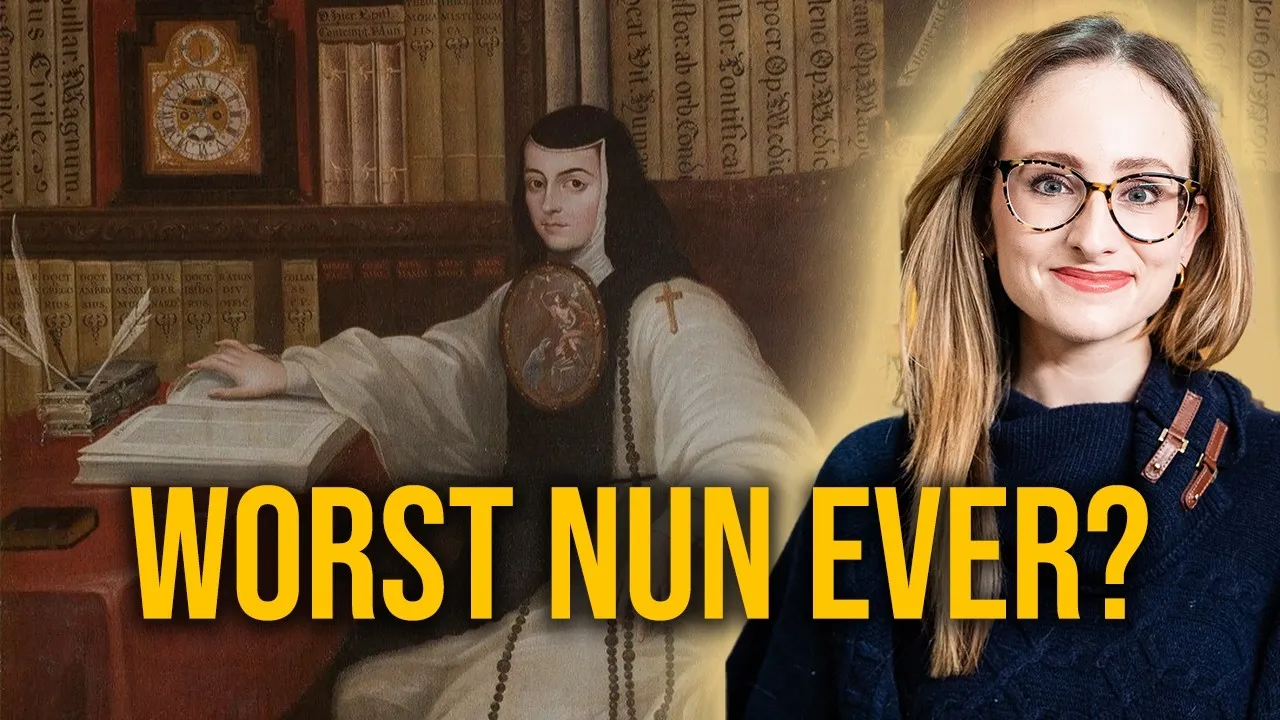
She Became a Nun Just to Avoid Marriage (and Read Books)
Meet Sor Juana Inés de la Cruz, the 'worst nun in history'—who chose the convent over marriage to build a library and defend women's right to learn.
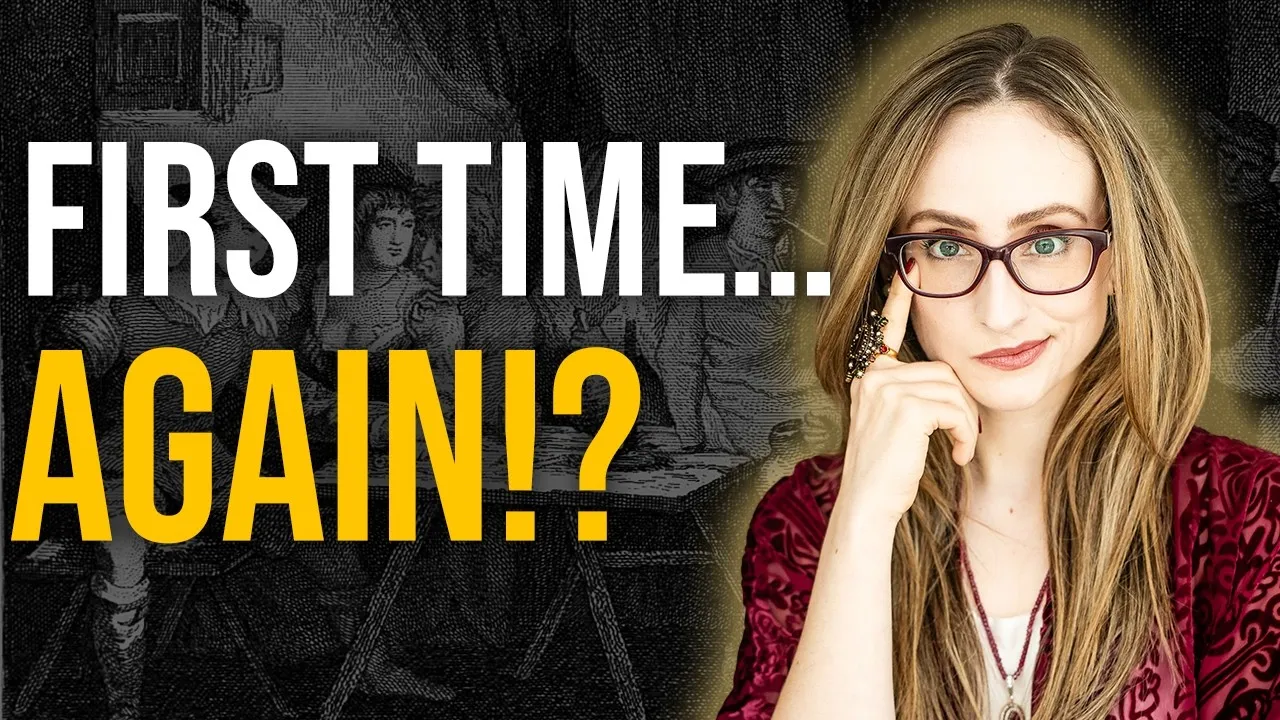
The Business of Virginity in 18th-Century London
Discover how 18th-century sex workers and madams manufactured virginity repeatedly, using astringents, blood, and performance to deceive clients.
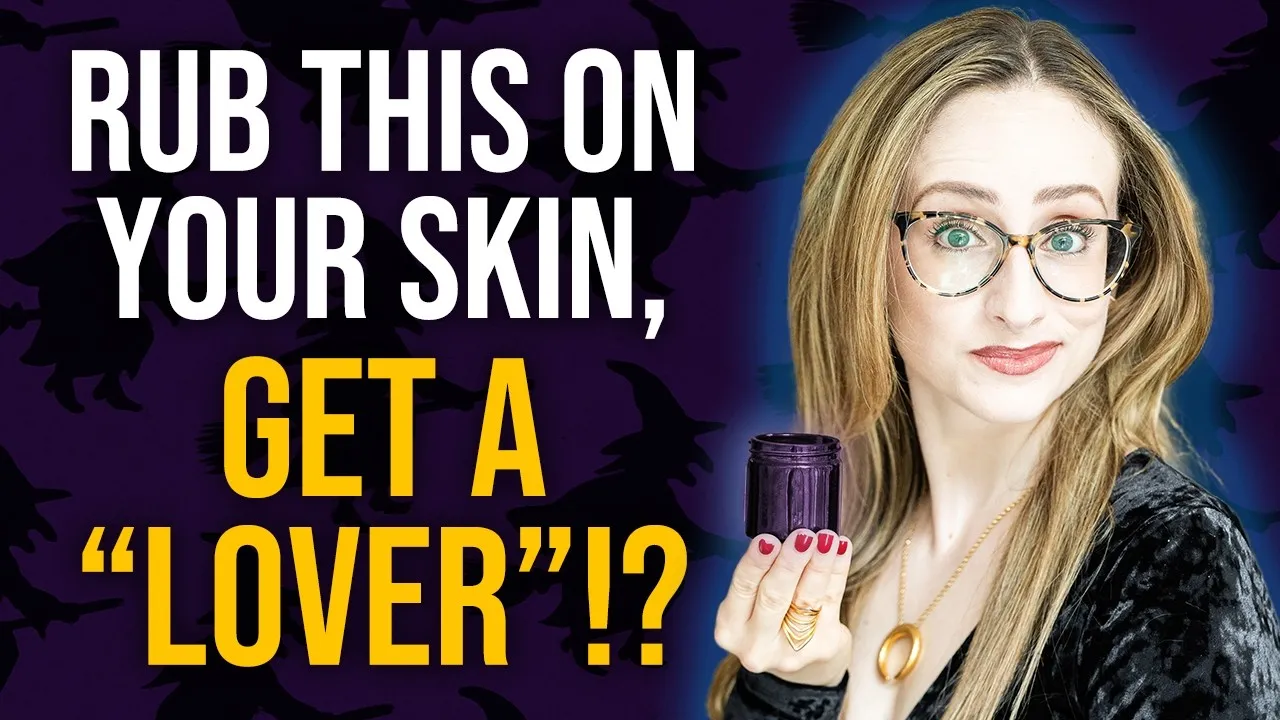
The Censored Witches' Flying Potion (That Promised a "Lover")
Uncover Della Porta's infamous 16th-century witches' ointment recipe—hallucinogenic herbs, erotic visions, and Inquisition censorship.
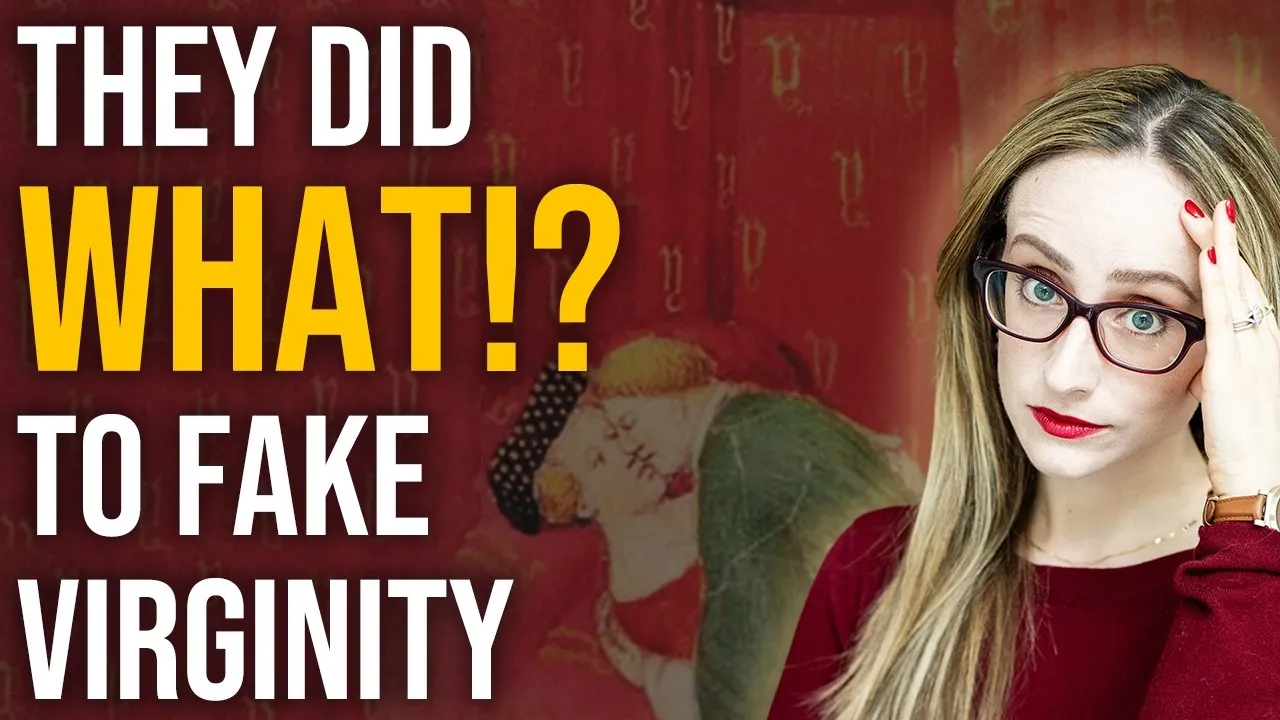
Fake Virginity: The Painful Renaissance ‘Cures’ They Sold Women
Discover dangerous Renaissance recipes for faking virginity—blistering pills, leeches, and lead paint sold to women facing ruin without wedding-night blood.
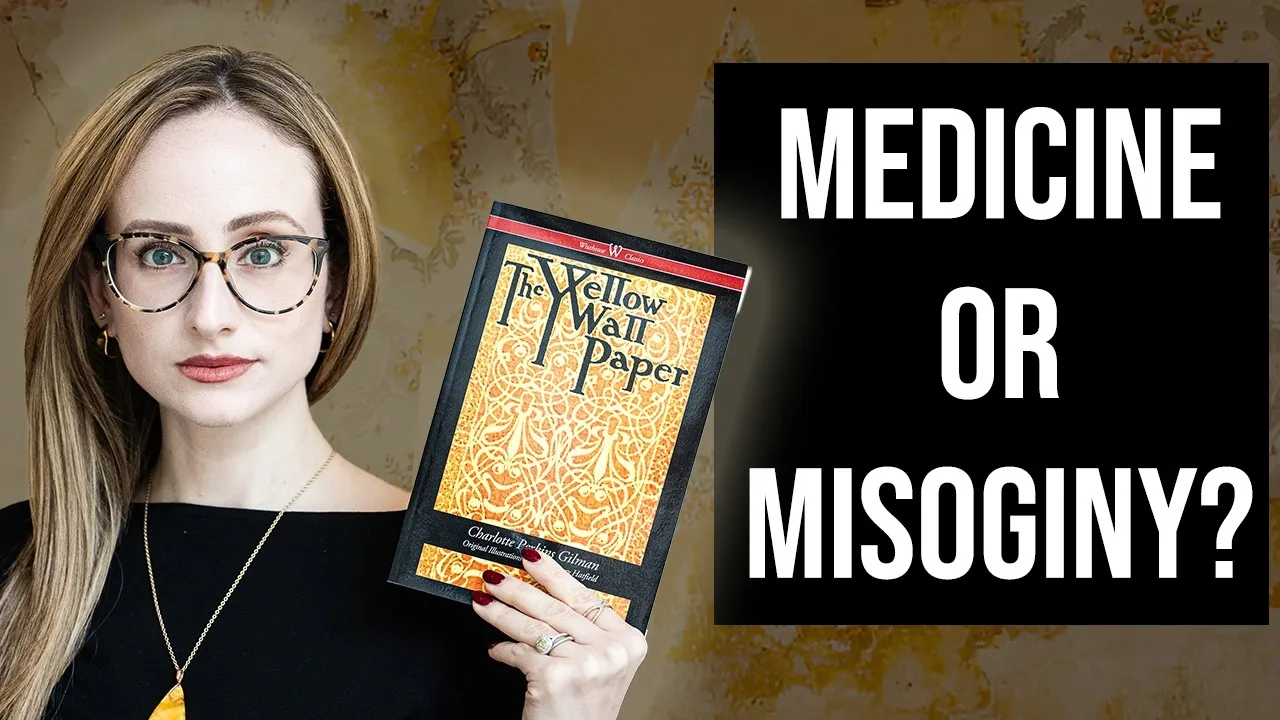
The Yellow Wallpaper: The Medical History Behind Charlotte Perkins Gilman's Story
Charlotte Perkins Gilman wrote The Yellow Wallpaper as a response to the rest cure. The real medical context behind one of literature's most unsettling stories.
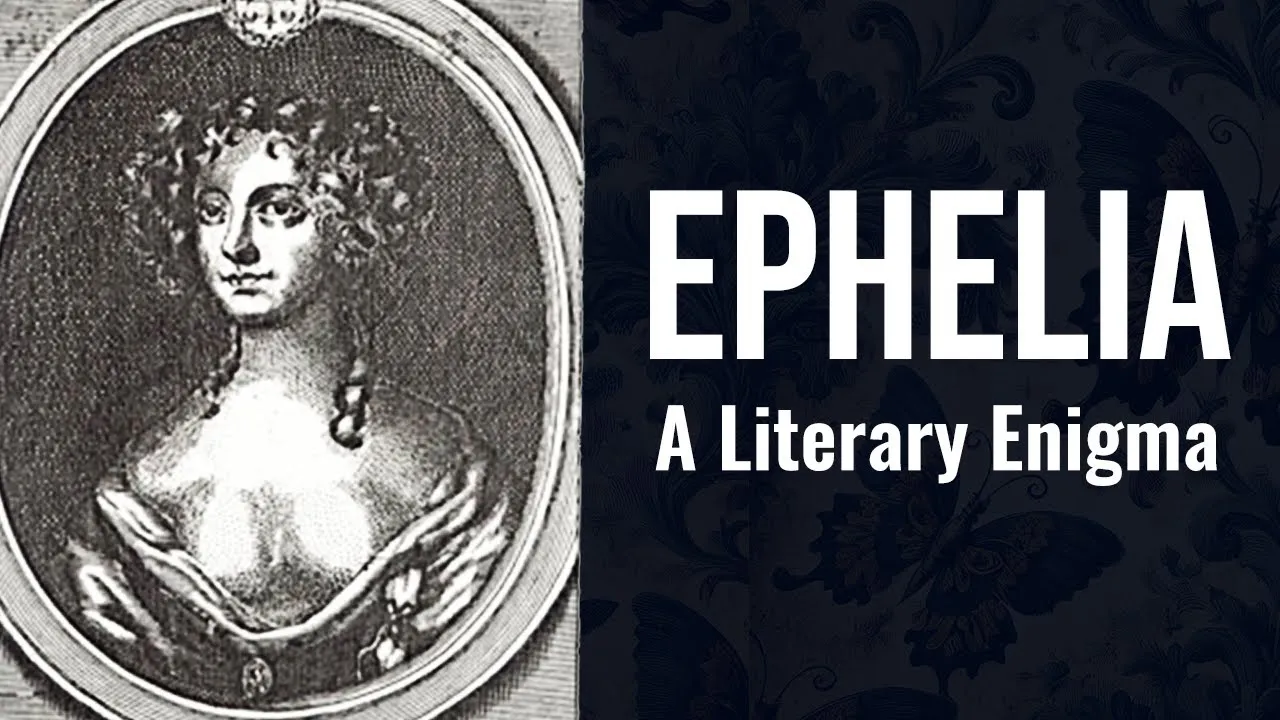
Ephelia: Unmasking a Seventeenth-Century Feminist Voice
Uncover Ephelia, the mysterious 17th-century poet who challenged gender norms with bold, erotic verse—was she Joan Philips or someone else entirely?
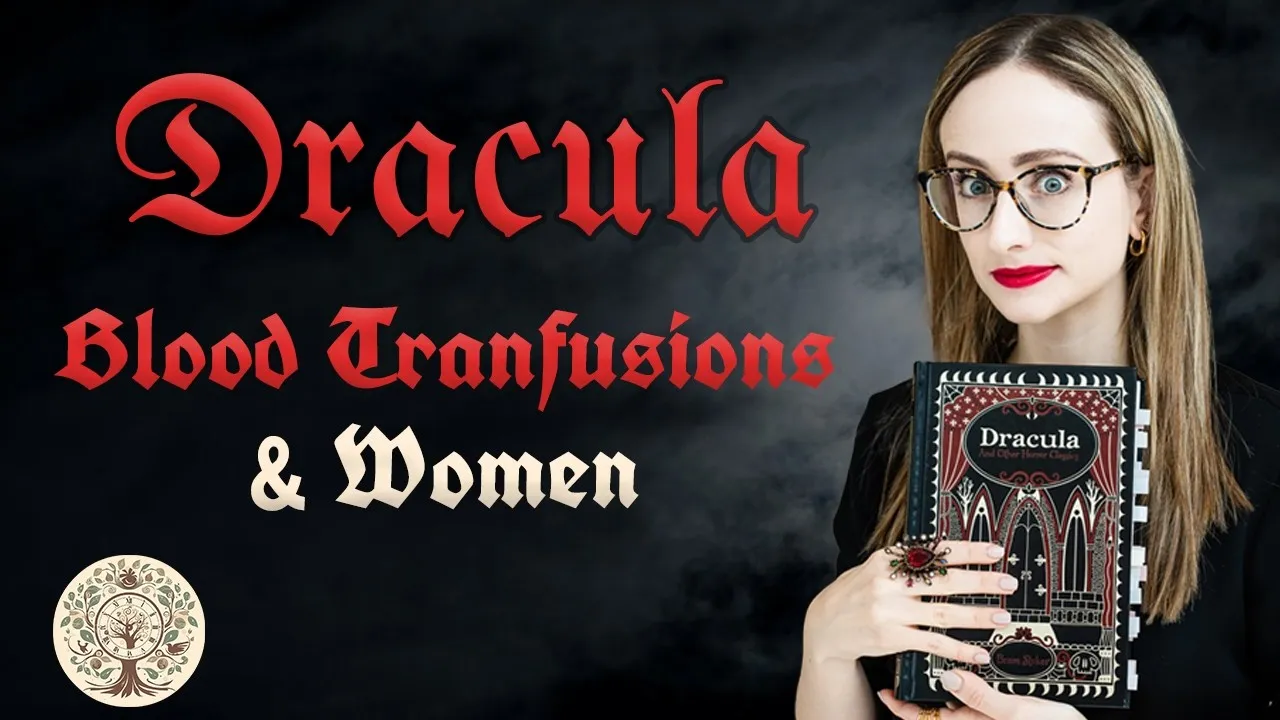
Dracula and the History of Blood Transfusions: Science, Sex, and Victorian Anxiety
Bram Stoker wrote Dracula as blood transfusion was becoming real medicine. How the novel reflects Victorian fears about science, sexuality, and women's bodies.
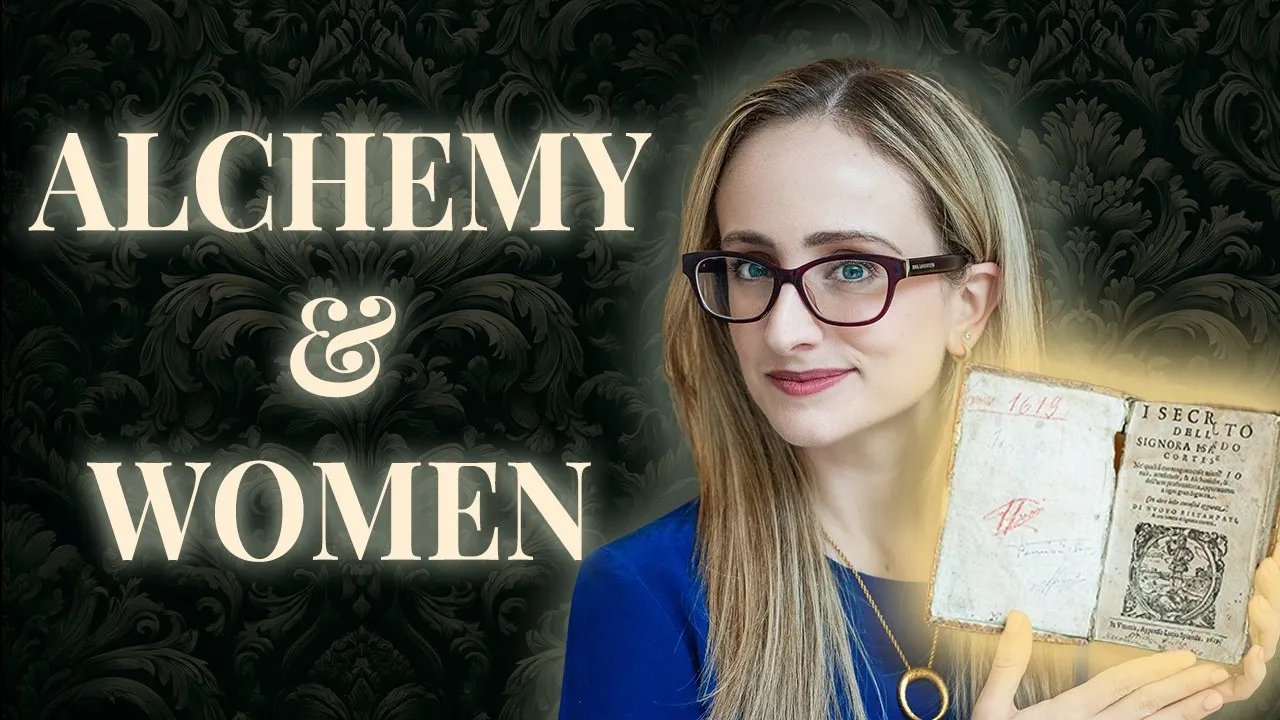
Alchemy in the Renaissance: The Mysterious Isabella Cortese
Uncover Isabella Cortese, the enigmatic 16th-century alchemist whose bestselling book challenged tradition and championed women's knowledge.
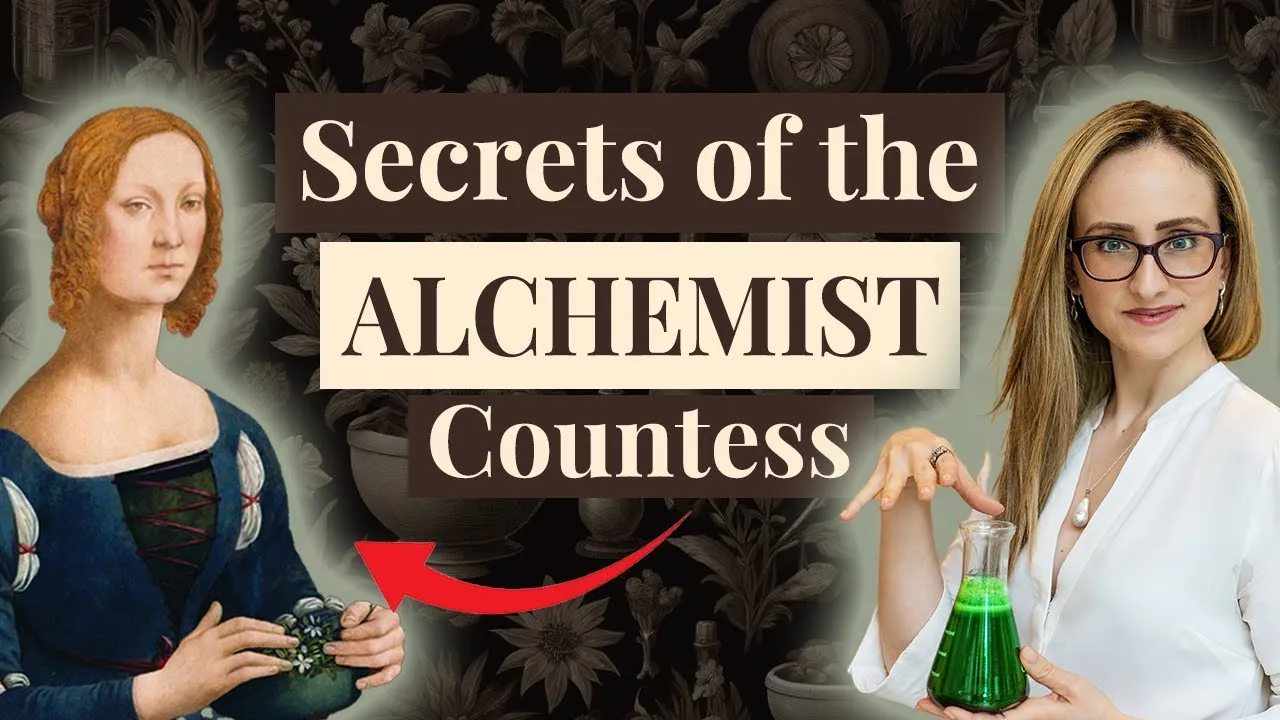
Caterina Sforza's Experiments: Alchemy, Medicine, and Power in Renaissance Italy
Caterina Sforza left behind over 450 recipes for medicines, cosmetics, and poisons. What her alchemical notebook reveals about Renaissance women and power.
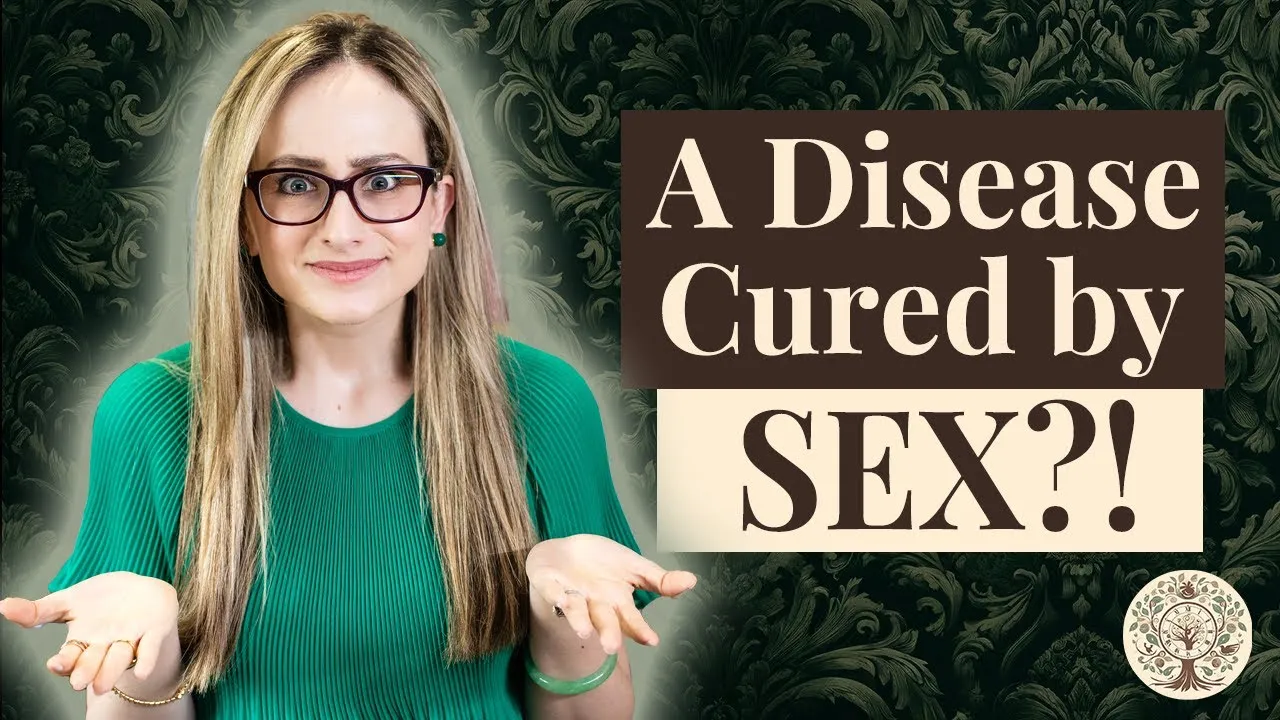
Green Sickness: A Historical Look at the 'Disease of Virgins'
Explore the mysterious disease of virgins that shaped medical control over young women from the 1550s to 1920s through marriage and motherhood.
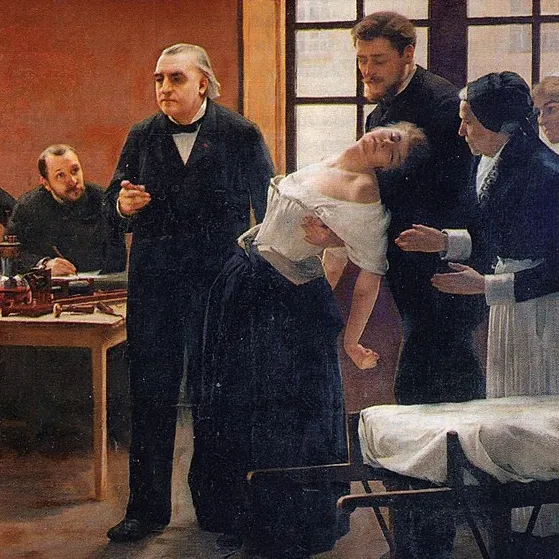
The 'Queen of Hysterics' and 19th-Century Theatrical Hysteria
Meet Blanche Wittmann, the 'queen of hysterics' at Charcot's Salpêtrière Hospital, where medical demonstrations became theatrical spectacles.
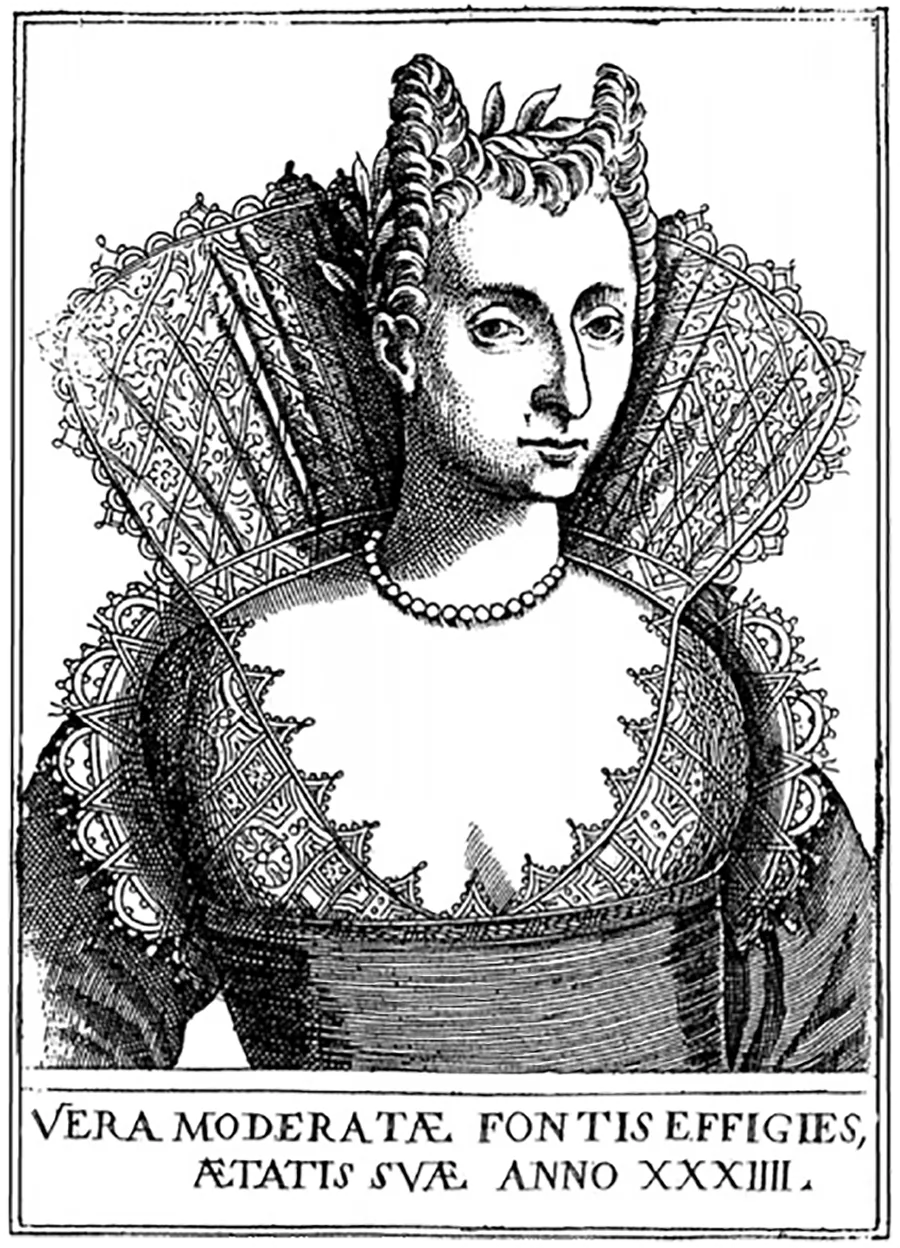
Moderata Fonte and ‘The Woman Question’
In 1600 Venice, Moderata Fonte imagined seven women debating 'the woman question'—why do inferior men dominate women, and can it change?
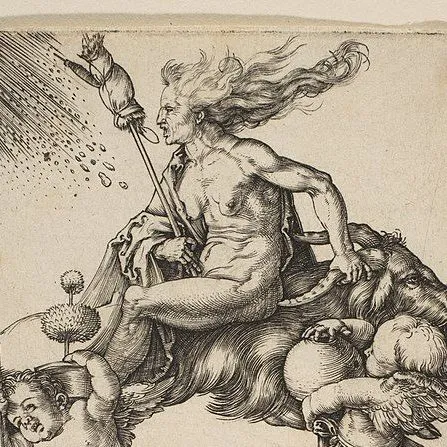
Why Do We Picture Witches as Old Women?
Why are witches always old women? Explore how menopause, humoral theory, and misogyny shaped the witch stereotype from medieval times to today.
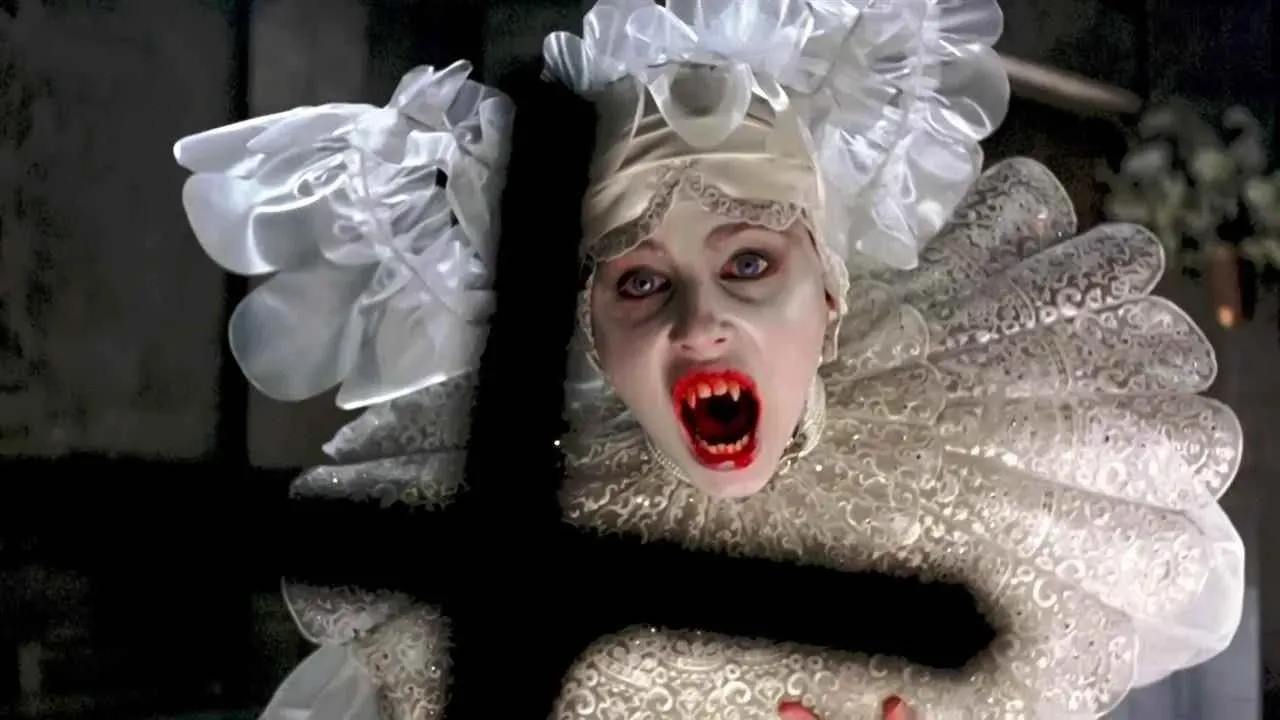
Medusa, Vampires, and the Fear of the Female Body
From ancient Greece to Victorian Gothic, menstruation and female sexuality were cast as monstrous. How Medusa and the vampire reflect centuries of fear.

Elizabeth I and Ageing: Lead Makeup, Wigs, and the Politics of Appearance
Elizabeth I's white lead makeup and red wigs weren't vanity — they were political tools. How the ageing queen managed her image in an era that feared decay.
Green Sickness and Virginity
Discover green sickness, the mysterious ailment that affected young women from the 1550s to 1920s—diagnosed by paleness, fainting, and virginity.
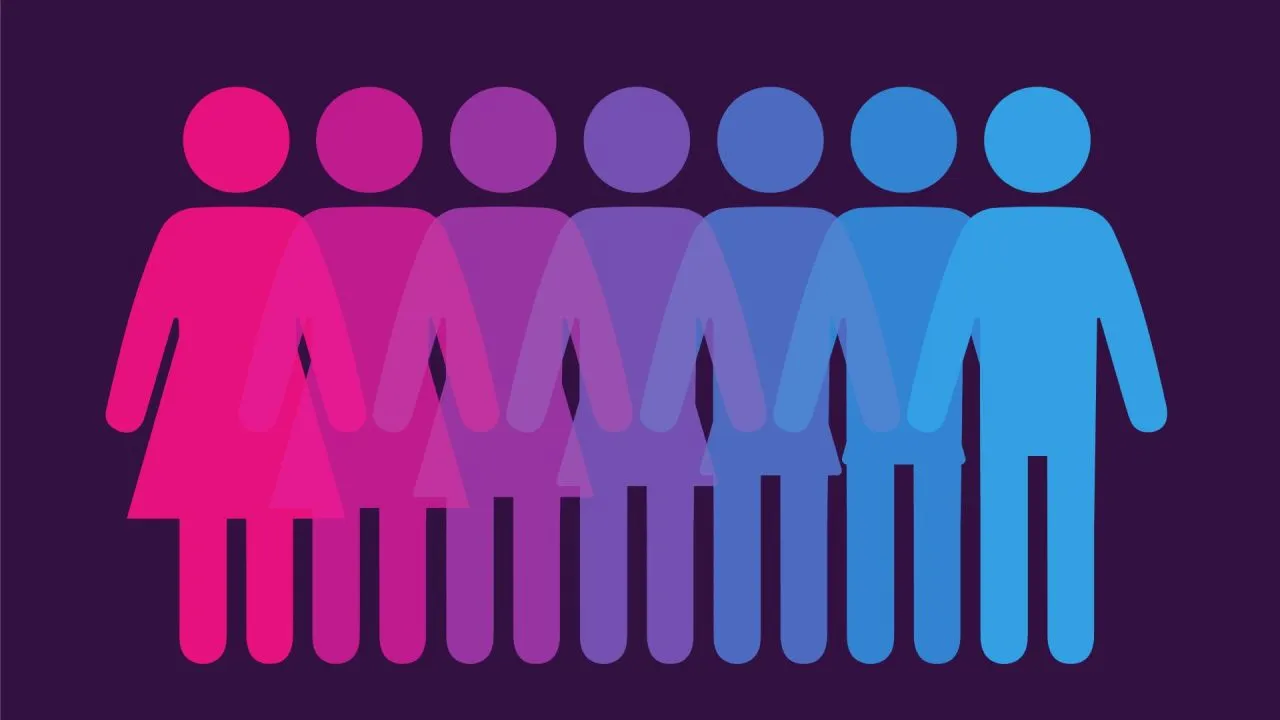
What is Gender History?
From Virginia Woolf's lament to second-wave feminism—discover how gender history emerged to challenge incomplete narratives and rewrite the past.
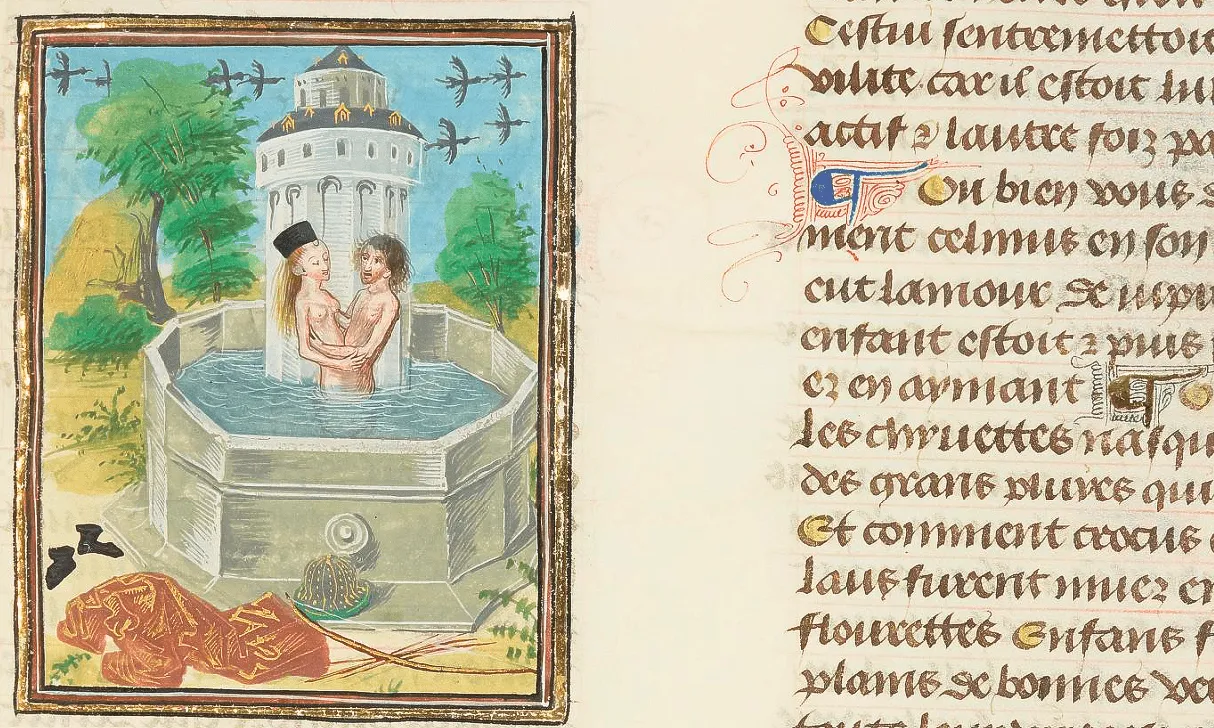
‘Neither, and yet both’: ‘Hermaphroditism’ and Binaries
Explore how intersex people challenged binary categories for centuries—from medieval medicine to early modern legal debates about gender and sex.
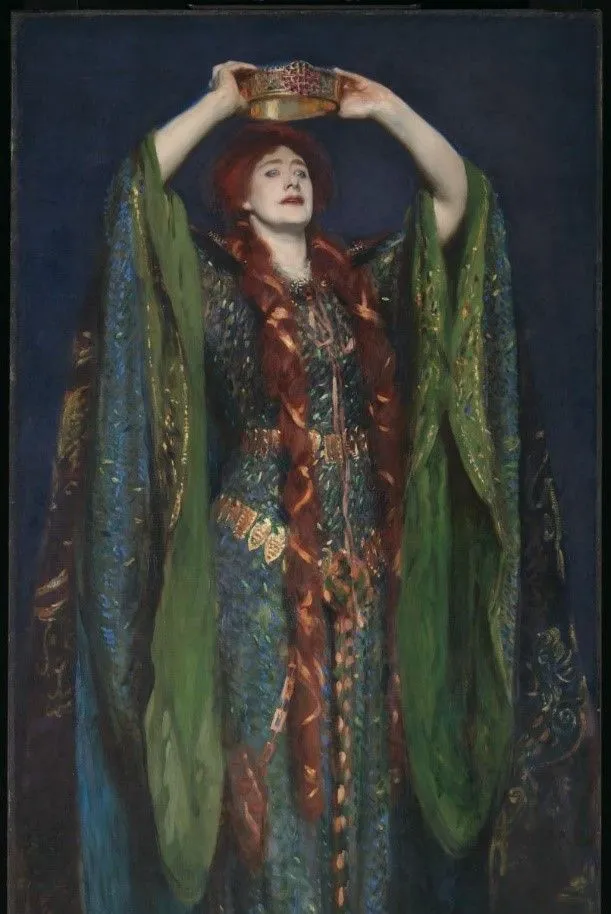
(Un)sexing, Violence, and Women
Lady Macbeth asks to be 'unsexed' to commit murder—explore how Shakespeare linked femininity, menstruation, and violence in early modern England.
Was the "Worst Nun in History" in Love with a Woman?
Sor Juana's love poems to the Vicereine of New Spain are intense, intimate, and still debated by scholars centuries later.
The Dark Family Secret Hidden Inside The Red Shoes
How Andersen's childhood, class shame, and strict Lutheran faith shaped his darkest fairy tale.
She Became a Nun Just to Avoid Marriage (and Read Books)
Meet Sor Juana Inés de la Cruz, the 'worst nun in history'—who chose the convent over marriage to build a library and defend women's right to learn.
The Business of Virginity in 18th-Century London
Discover how 18th-century sex workers and madams manufactured virginity repeatedly, using astringents, blood, and performance to deceive clients.
The Censored Witches' Flying Potion (That Promised a "Lover")
Uncover Della Porta's infamous 16th-century witches' ointment recipe—hallucinogenic herbs, erotic visions, and Inquisition censorship.
Fake Virginity: The Painful Renaissance ‘Cures’ They Sold Women
Discover dangerous Renaissance recipes for faking virginity—blistering pills, leeches, and lead paint sold to women facing ruin without wedding-night blood.
The Yellow Wallpaper: The Medical History Behind Charlotte Perkins Gilman's Story
Charlotte Perkins Gilman wrote The Yellow Wallpaper as a response to the rest cure. The real medical context behind one of literature's most unsettling stories.
Ephelia: Unmasking a Seventeenth-Century Feminist Voice
Uncover Ephelia, the mysterious 17th-century poet who challenged gender norms with bold, erotic verse—was she Joan Philips or someone else entirely?
Dracula and the History of Blood Transfusions: Science, Sex, and Victorian Anxiety
Bram Stoker wrote Dracula as blood transfusion was becoming real medicine. How the novel reflects Victorian fears about science, sexuality, and women's bodies.
Alchemy in the Renaissance: The Mysterious Isabella Cortese
Uncover Isabella Cortese, the enigmatic 16th-century alchemist whose bestselling book challenged tradition and championed women's knowledge.
Caterina Sforza's Experiments: Alchemy, Medicine, and Power in Renaissance Italy
Caterina Sforza left behind over 450 recipes for medicines, cosmetics, and poisons. What her alchemical notebook reveals about Renaissance women and power.
Green Sickness: A Historical Look at the 'Disease of Virgins'
Explore the mysterious disease of virgins that shaped medical control over young women from the 1550s to 1920s through marriage and motherhood.
The 'Queen of Hysterics' and 19th-Century Theatrical Hysteria
Meet Blanche Wittmann, the 'queen of hysterics' at Charcot's Salpêtrière Hospital, where medical demonstrations became theatrical spectacles.
Moderata Fonte and ‘The Woman Question’
In 1600 Venice, Moderata Fonte imagined seven women debating 'the woman question'—why do inferior men dominate women, and can it change?
Why Do We Picture Witches as Old Women?
Why are witches always old women? Explore how menopause, humoral theory, and misogyny shaped the witch stereotype from medieval times to today.
Medusa, Vampires, and the Fear of the Female Body
From ancient Greece to Victorian Gothic, menstruation and female sexuality were cast as monstrous. How Medusa and the vampire reflect centuries of fear.
Elizabeth I and Ageing: Lead Makeup, Wigs, and the Politics of Appearance
Elizabeth I's white lead makeup and red wigs weren't vanity — they were political tools. How the ageing queen managed her image in an era that feared decay.
Green Sickness and Virginity
Discover green sickness, the mysterious ailment that affected young women from the 1550s to 1920s—diagnosed by paleness, fainting, and virginity.
What is Gender History?
From Virginia Woolf's lament to second-wave feminism—discover how gender history emerged to challenge incomplete narratives and rewrite the past.
‘Neither, and yet both’: ‘Hermaphroditism’ and Binaries
Explore how intersex people challenged binary categories for centuries—from medieval medicine to early modern legal debates about gender and sex.
(Un)sexing, Violence, and Women
Lady Macbeth asks to be 'unsexed' to commit murder—explore how Shakespeare linked femininity, menstruation, and violence in early modern England.