 Dr Julia Martins
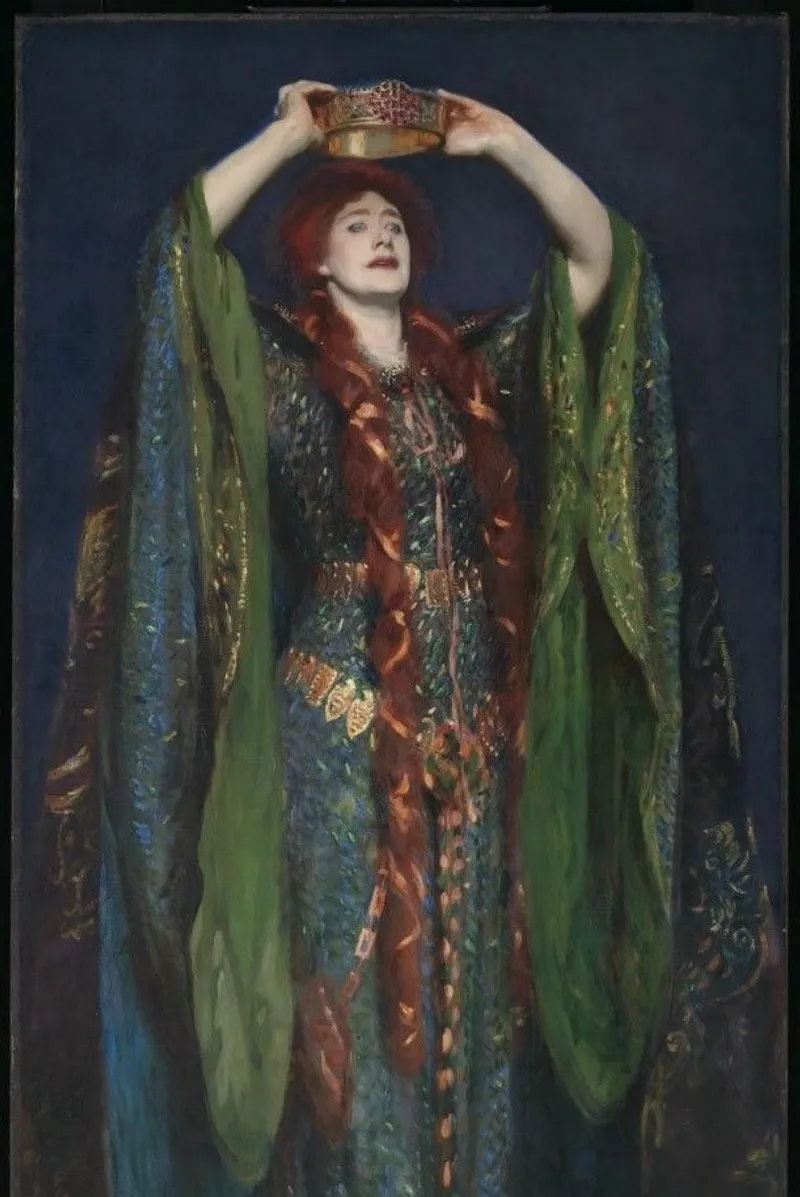
 As she finds out the witches’ prophecy about Macbeth being crowned king and the current king’s imminent visit to their home, Lady Macbeth invokes evil spirits to help her be rid of her feminine qualities so that, together with Macbeth, she can murder the king:
Come, you spirits
That tend on mortal thoughts, unsex me here,
And fill me, from the crown to the toe, top-full
Of direst cruelty! Make thick my blood,
Stop up th’ access and passage to remorse,
That no compunctious visitings of nature
Shake my fell purpose, nor keep peace between
The effect and it! Come to my woman’s breasts,
And take my milk for gall, you murd’ring ministers,
Wherever in your sightless substances
You wait on nature’s mischief!— (Macbeth Act 1, scene 5)
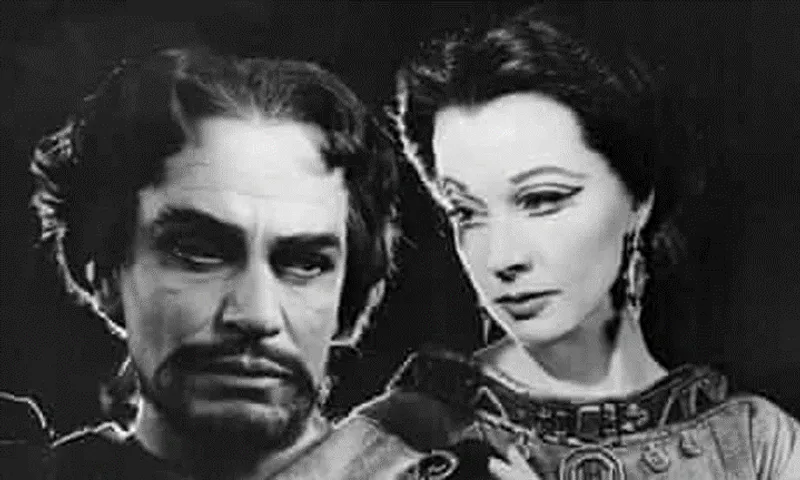
In one of the most famous soliloquies in the play, Lady Macbeth plans to become a murderess while referencing her female body. However, modern viewers or readers of Shakespeare often overlook these bodily references (blood, breasts, milk), with more attention being given to her psychological changes. Contemporary viewers of the play, on the other hand, would think of physiological and psychological processes as profoundly intertwined. For Lady Macbeth to change her personality and become a murderess, she must also change her biology.
In Tudor times, strict gender roles and expectations associated women with nurture and care; by moving away from her expected femininity, both in mind and body – being ‘unsexed’ – Lady Macbeth exhorts the spirits to make her capable of murder. By asking for the ‘compunctious visitings of Nature’ (menstruation) to cease, she wants to eliminate one of the primary markers of womanhood in the
In Shakespeare’s time, menstruation was considered a sign of overall female health and a prerequisite to conception. Menstrual blood was thought to feed the growing foetus in the uterus and, after birth, nourish the baby in its concocted form (breastmilk):
…the childe, while it is in the matrice [womb] is nourished with this bloud; and it is as true, that being out of the womb, it is still nourished with the same; for the milke is nothing but the menstruous bloud made white in the breasts; and I am sure womans milke is not thought to bee venomous, but of a nutritive quality.
— (Sadler, p. 9-10)
By asking for the milk in her breasts to be replaced with gall (bile), Lady Macbeth hints at the corruption of her body as well as her spirit. In a world where womanhood was often synonymous with motherhood, murdering her femininity is essential for murdering the king: she will have no children but be impregnated with cruelty.
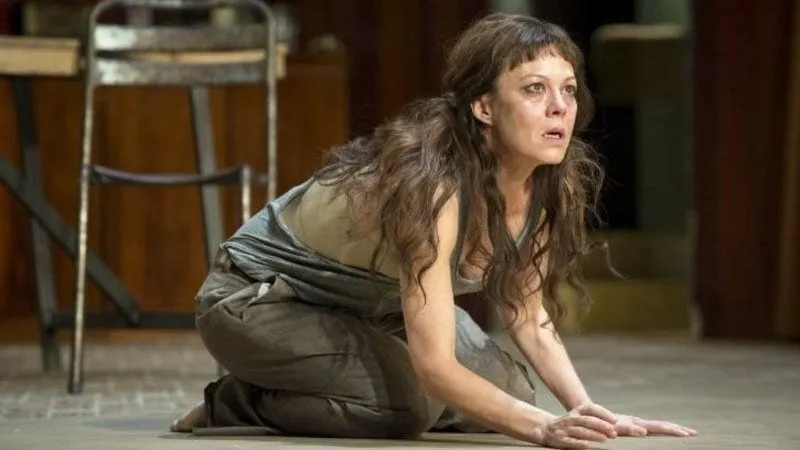
This move away from womanhood and into violence was preceded in the theatre by Seneca’s
Lady Macbeth’s unnatural amenorrhea (lack of menstruation) could also be understood as the physiological cause for her changes throughout the play, as her mental state deteriorates. The absence of menstruation in women of a fertile age was a serious medical concern, not only because it prevented them from fulfilling their primary social role as mothers but also because it was thought detrimental to their general health. Fainting spells,
(Burton, p. 478)
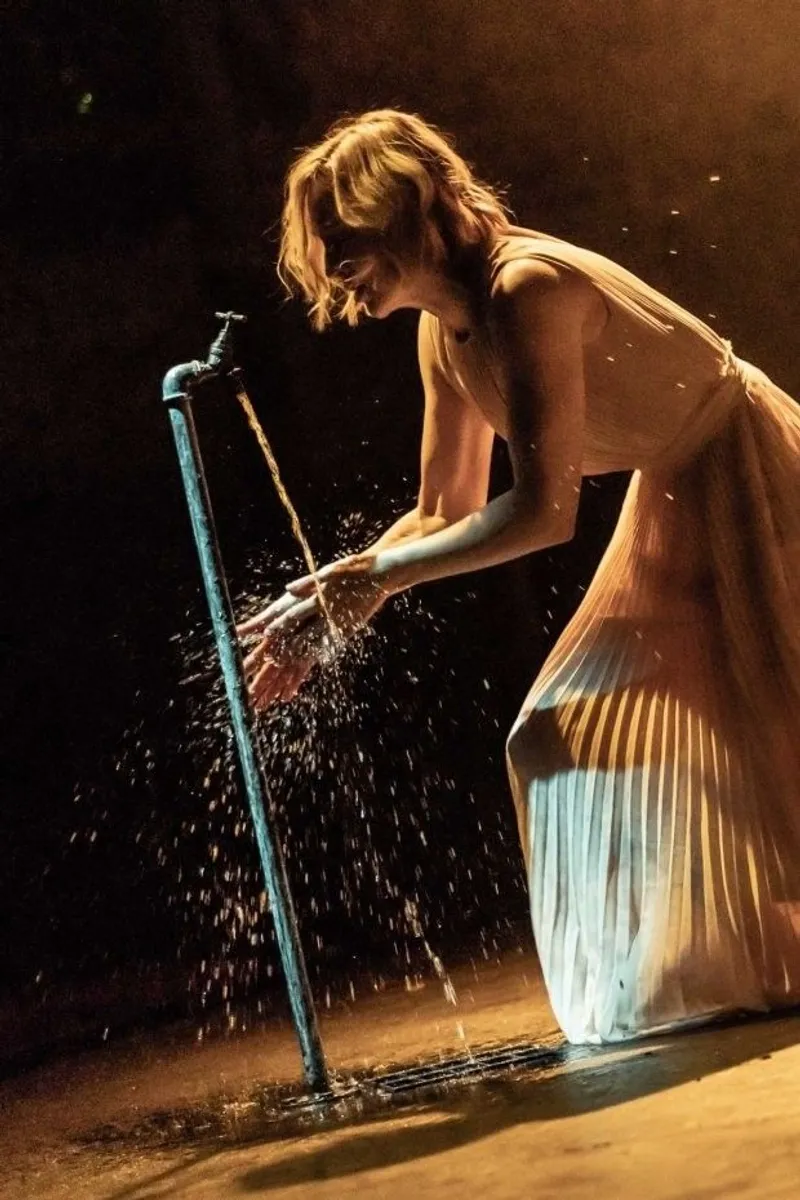
Lady Macbeth suffers from all these symptoms after the king’s murder: she faints as the body is found and is plagued by
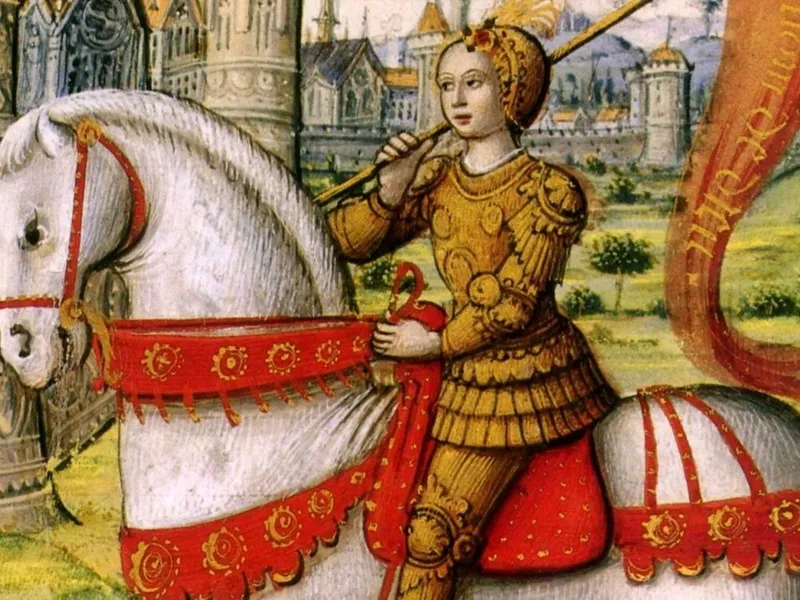
The replacing of femininity with violence through a process of ‘unsexing’ was not unique to Lady Macbeth.
Condemned for heresy and burnt at the stake in 1431,
Lady Macbeth’s soliloquy has long been read as a general invocation to eliminate qualities seen as feminine, such as compassion, and commit murder. But the literal understanding of her ‘unsexing’ in physiological terms would have been clear to most of Shakespeare’s contemporaries: the ‘unsexing’ of amenorrhea was a metaphor but also the medical cause of Lady Macbeth’s psychological change.
References:
John Sadler, The Sicke Womans Private Looking-Glasse, London: 1636