 Dr Julia Martins
Have you ever heard of Dandara, the Afro-Brazilian warrior who was a leader in the fight against slavery? Or of
1) Catarina Paraguaçu (1503-1583) – Tupinambá Indian and Visionary
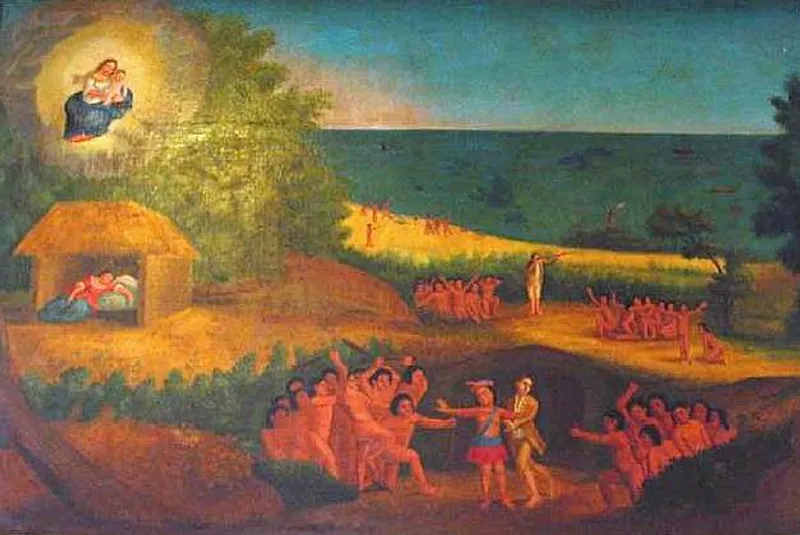
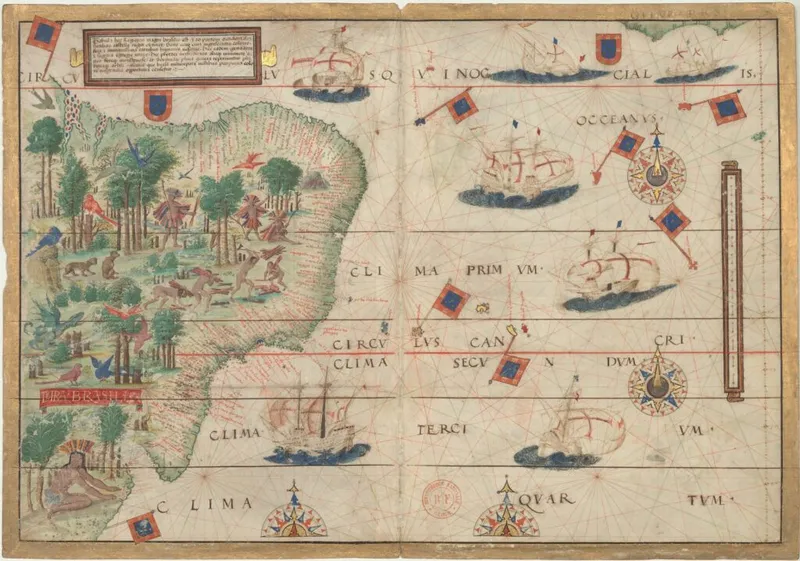
So, in 1528, the couple sailed to France, where Catarina was baptised (she wasn’t called Catarina before that, of course) – and she was probably named Catarina either after the queen of Portugal or of France, who both shared this name – and she converted to Catholicism. The couple got married in Saint-Malo, and had four daughters together. Imagine the culture shock, from the shores of Bahia to the streets of Saint-Malo. Catarina’s journey was nothing short of a blockbuster movie script. Catarina, Caramuru, and their children are usually referred to as the first Brazilian Christian family, but their marriage is also a foundational myth in our national identity and the idea of the harmonic coexistence and integration of different peoples.
Catarina was praised for speaking Portuguese exceptionally well – which she learnt from a ‘Portuguese slave’ according to contemporary sources -, but also for her beauty, and, even though she was an indigenous woman, she was described as ‘pale as snow’, so you can already see the racism and racial tensions that existed from the beginning in
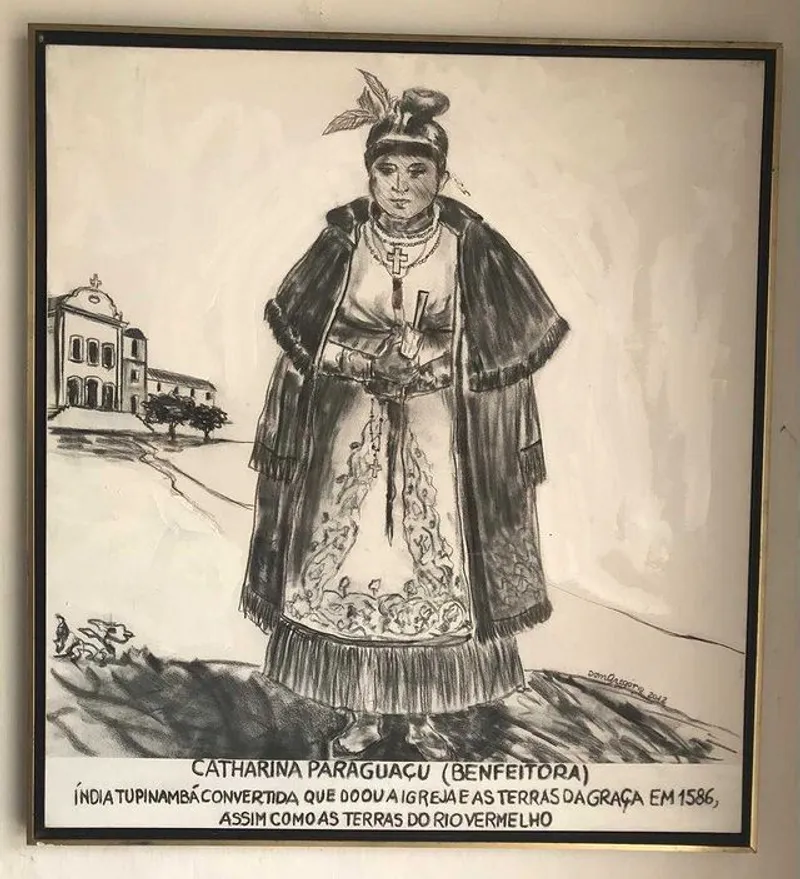
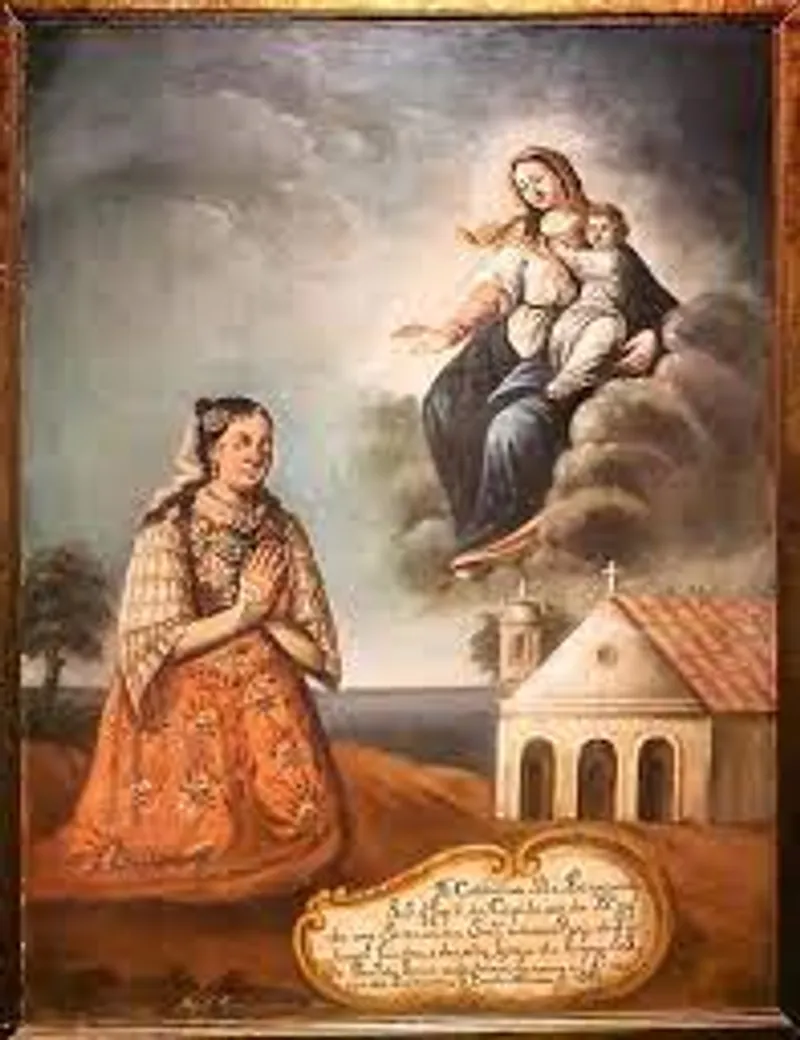
More than that though, she was known for her dreams and visions. She was said to dream of starving castaways found on the shore, including a woman carrying a baby, who was interpreted by those around her to be the Virgin Mary. Her husband believed her visions and so, ordered the beaches to be searched for castaways and many people were indeed found, which is perhaps not surprising given that this was a time in which many ships from Europe were arriving on the shores of Brazil. In another of these visions, the same woman asked Catarina to build her a house and legend has it that a statue of the Virgin Mary carrying the Baby Jesus was discovered soon afterwards. And, sidenote, you can still see this miraculous statue at the Igreja da Graça, in Salvador.
In Catarina’s case, history is very much mixed with legend, for better or for worse, and primary sources get sometimes obscured by literary retellings of the story. We do know, however, that when Catarina died, in 1583, she left all of her possessions to the Benedictine order. Her remains are still in the same church where the Virgin Mary’s statue that I mentioned is, in Salvador. Today,
2) Dandara dos Palmares (?-1694) – Afro-Brazilian Warrior and Leader
It’s hard to overstate just how central Brazil was in the slave trade, from the 16th to the 19th centuries. It’s estimated that nearly 5 million people from Africa have been forcibly taken to Brazil to work as slaves. Of course, black people fought against slavery. The
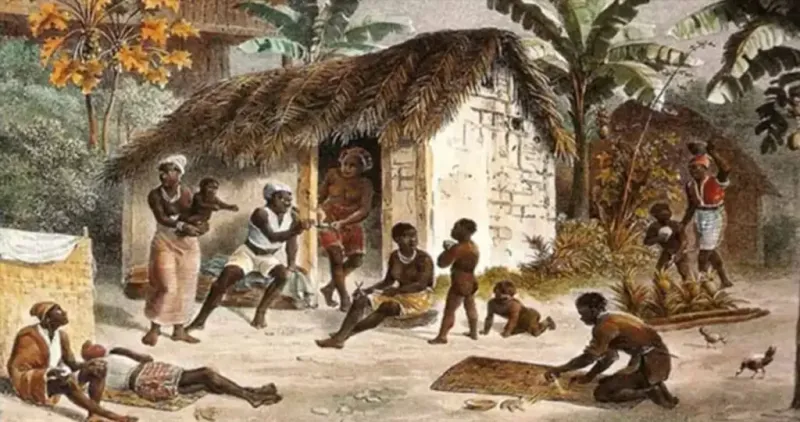
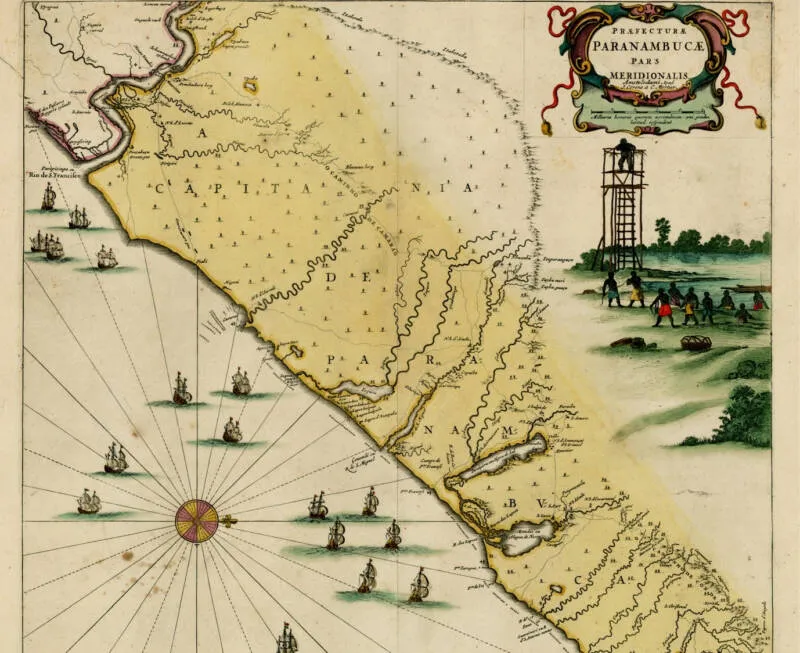
She was an active part of the resistence against slavery; not only was she a warrior who fought in multiple battles, but she knew capoeira, an Afro-Brazilian martial art which was created and practised by enslaved people to the sound of music, to make it seem closer to a dance or game. She would also hunt and help grow vegetables for the community. But she would also participate in discussions about strategy, and she was completely against negotiating with the government, mainly because none of the deals proposed to the quilombolas involved abolishing slavery altogether; even if the Portuguese offered freedom to those in the community, they would have to agree not to protect any new people who might have fled their enslavement. It is said that Dandara believed, rightly so, that that just wasn’t good enough. Fighting, farming, strategizing – Dandara did it all. But arguably, it was her unflinching commitment to freedom and fighting oppression that is the most remarkable thing about her.
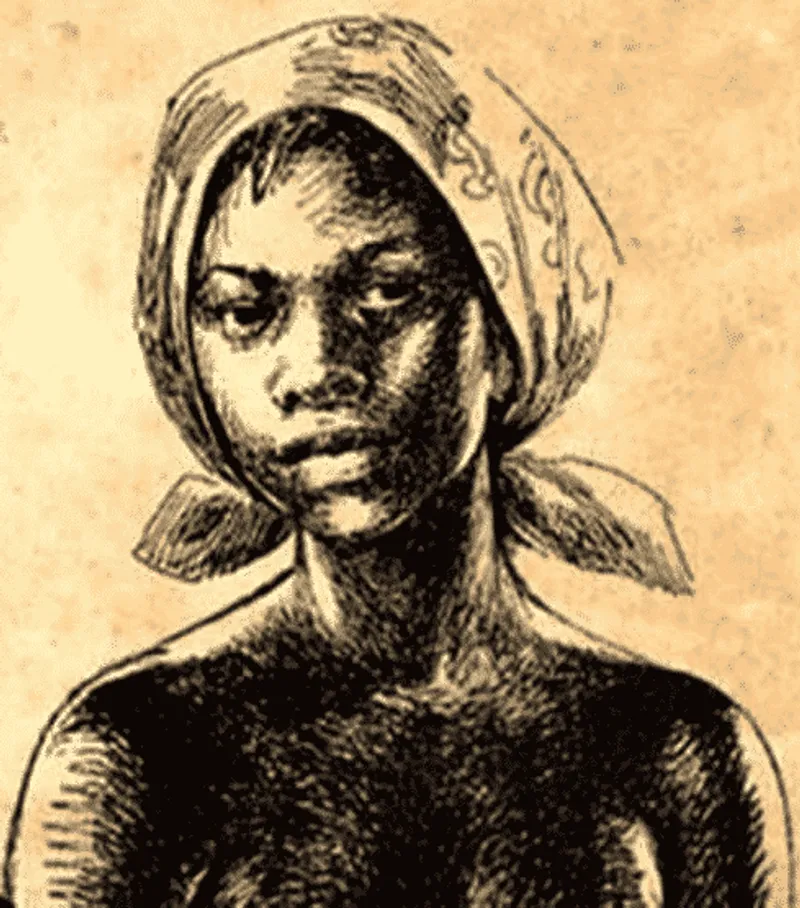
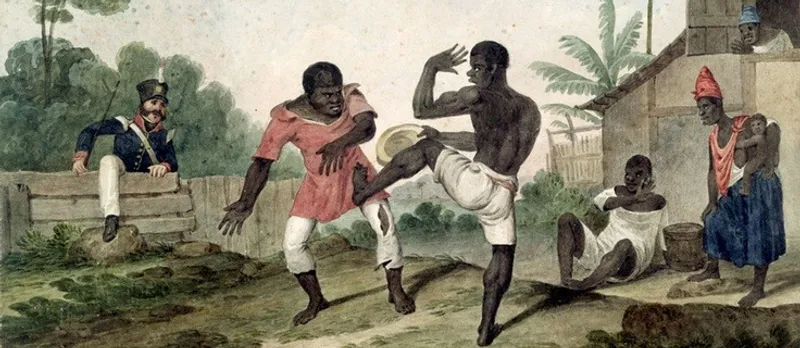
Sadly, when she was captured in 1694, it is said that she decided to take her own life rather than returning to the life of a slave. Today, she is considered a hero, a symbol of the fight for the freedom of Afro-Brazilians, along with Zumbi.
3) Maria Quitéria (1792-1853) – Military Officer
We got to our ‘Brazilian
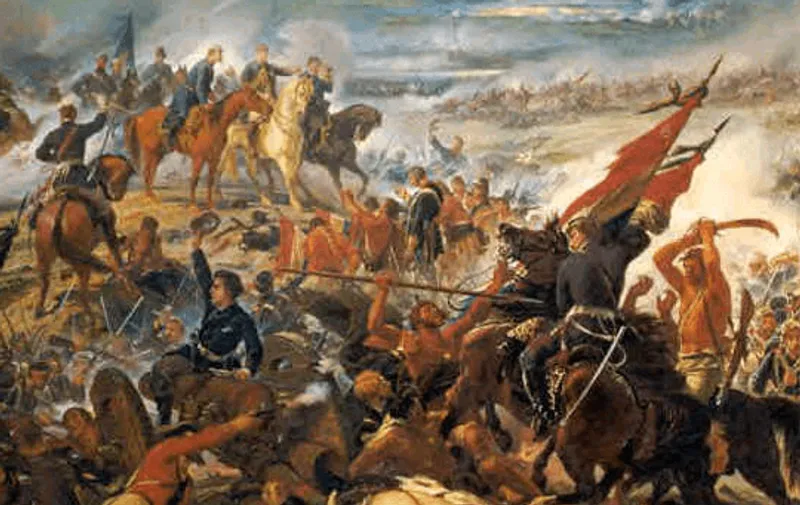
Her father wouldn’t let her enlist and join
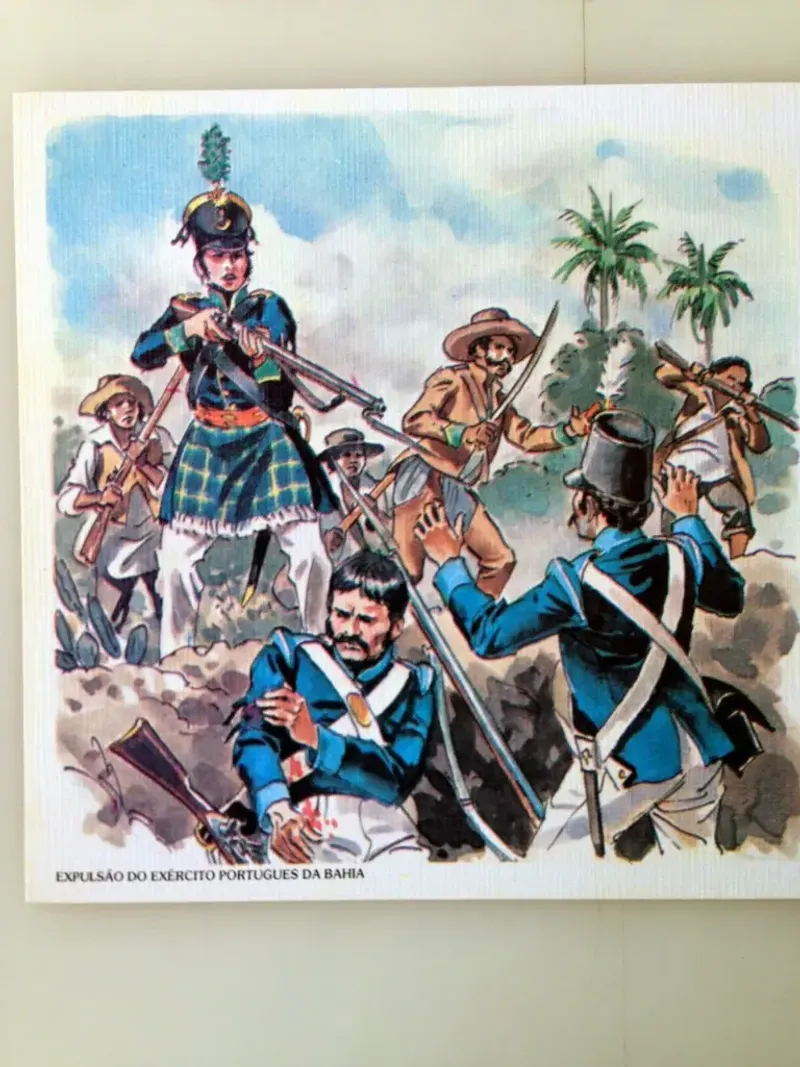
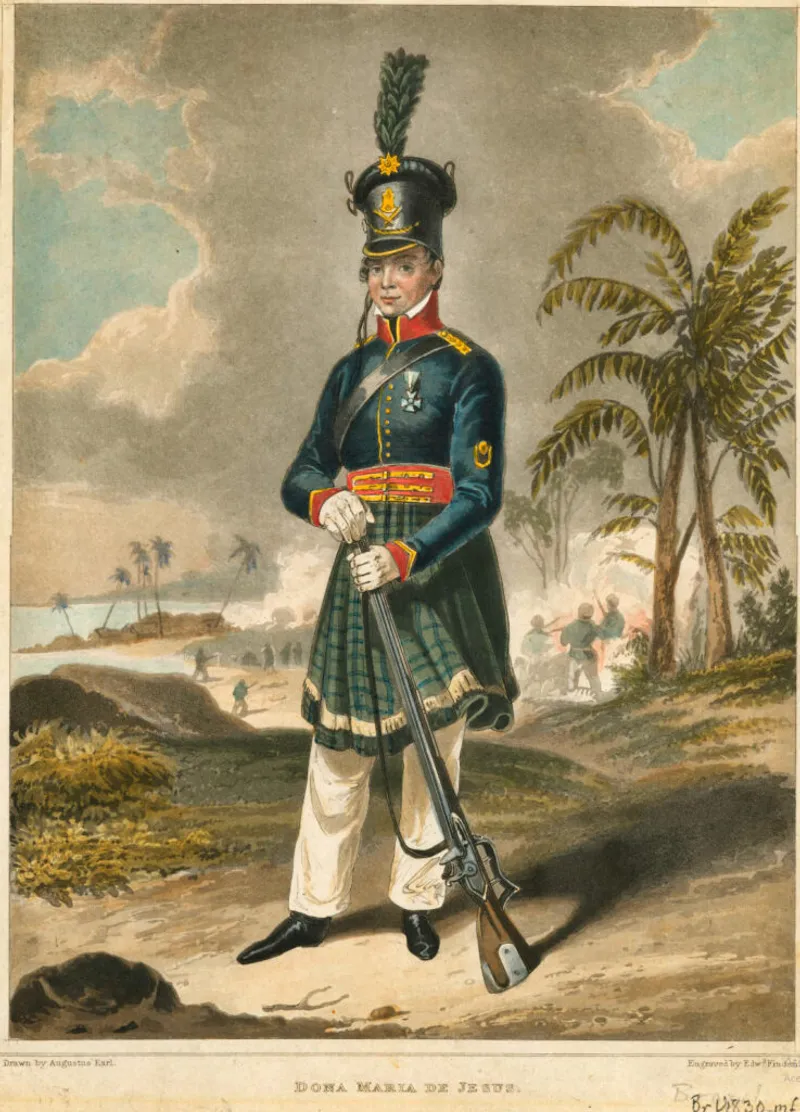
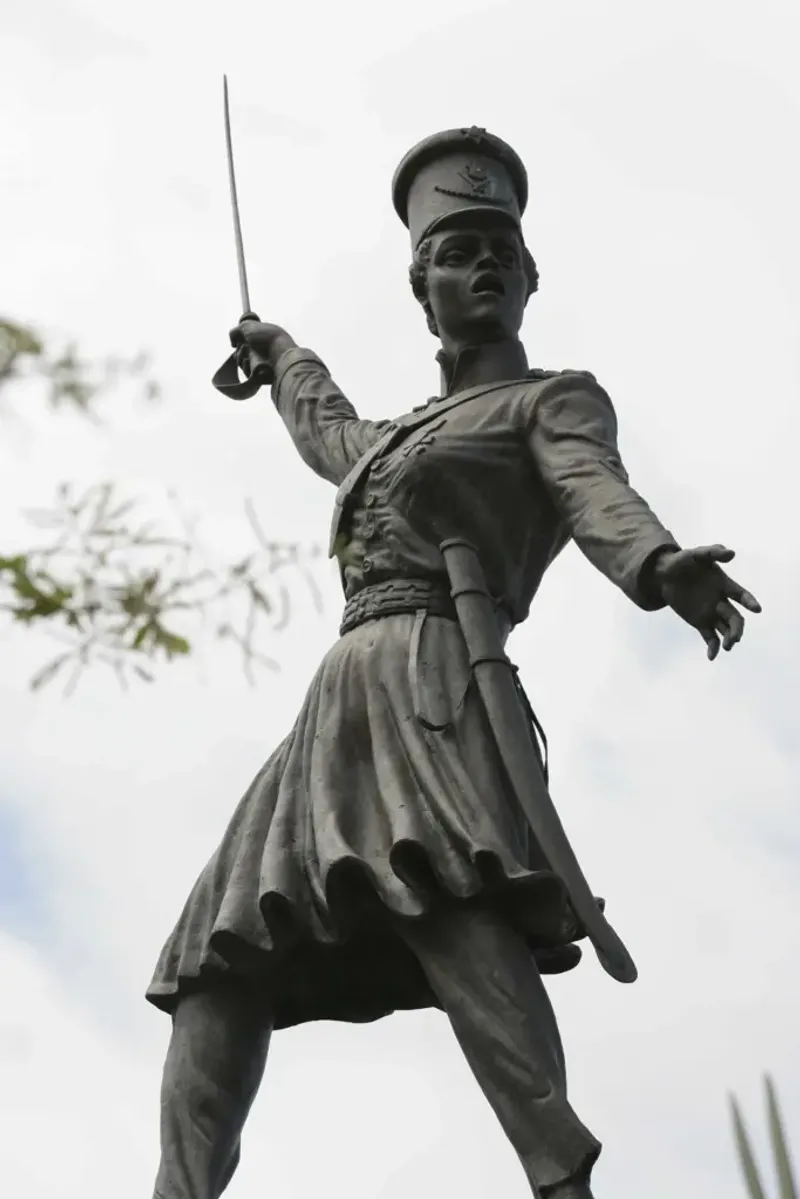
She was the first woman in Brazil to join the army and fight in a war; she was a hero of the
4) Chiquinha Gonzaga (1847-1935) – Composer, Conductor, Pianist
Can you imagine composing over two thousand pieces of music?! Francisca Edwiges Neves Gonzaga, better known as
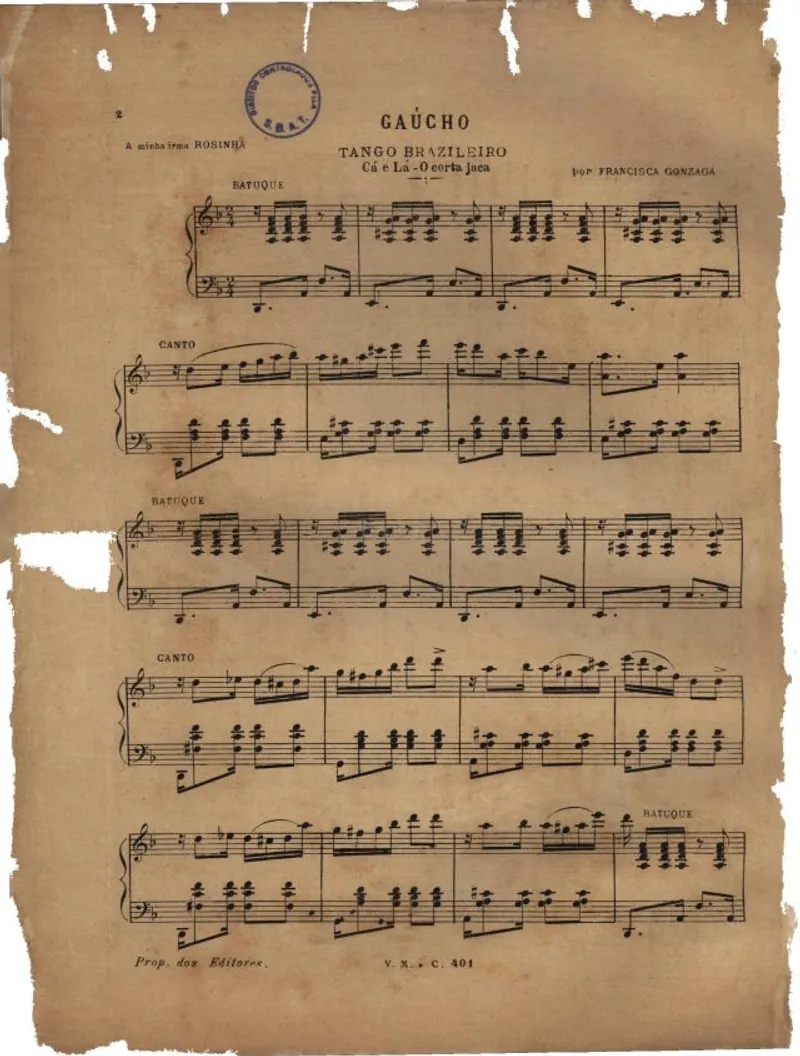
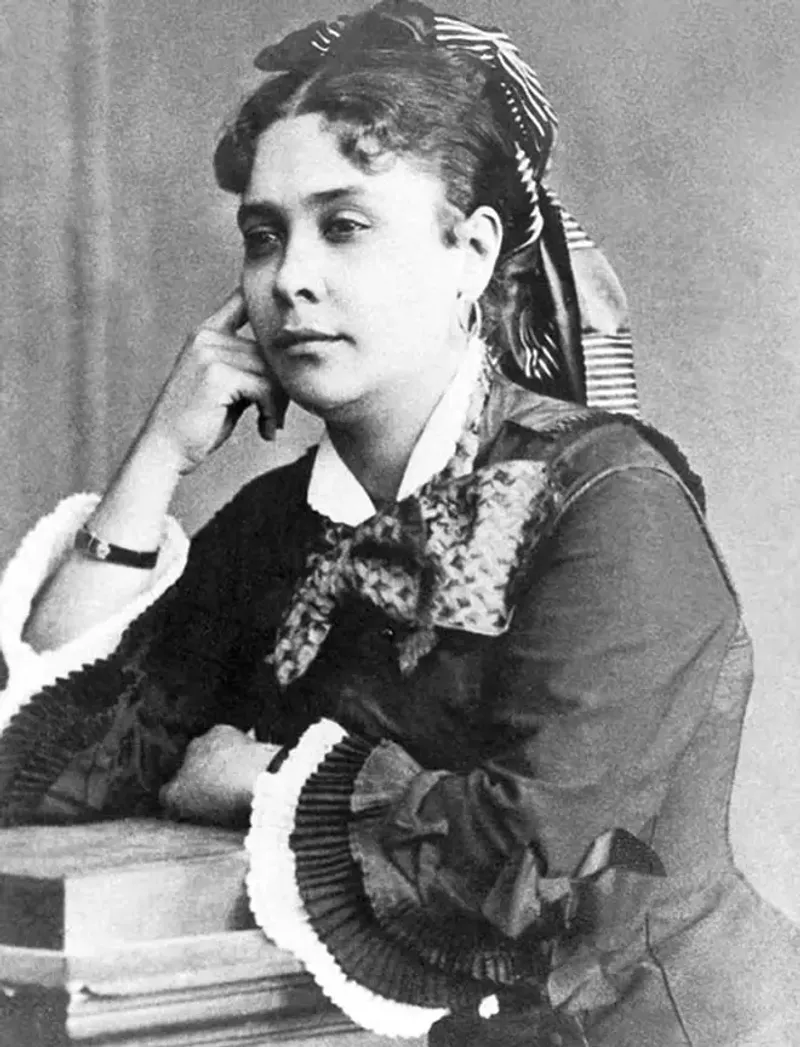
People were talking about her, not only because of the scandal all this caused, but also because of her music. She knew how to give a Brazilian touch to European music; she mixed classical with popular music, so she combined the waltz, the polka, and the mazurca, with choro, maxixe and lundu. She was happy to combine orchestra instruments with acoustic guitars, for instance. Plus she created many marchinhas, carnival music that we still listen to today in Brazil. There’s much to admire in Chiquinha. Although she was advised to publish her works under a male pseudonym, she refused to do so – she was known to have a strong personality. Still, she went on to travel around the country, teaching piano, creating beautiful music, and making her own living. Chiquinha shocked society with her love affairs – which were sometimes with much younger men – and her views about women; she was a kind of proto-feminist in terms of sexual freedom and women’s rights. Besides that, she campaigned for the end of the monarchy and for the abolition of slavery. She was a real trailblazer, and yes, I hate buzz-words like this, but she was; she defied gender roles in a very sexist society; she was the first woman to ever conduct an orchestra in Brazil, in 1884, with one of her operetas. And she was highly successful in her day, writing hit after hit, as it were.
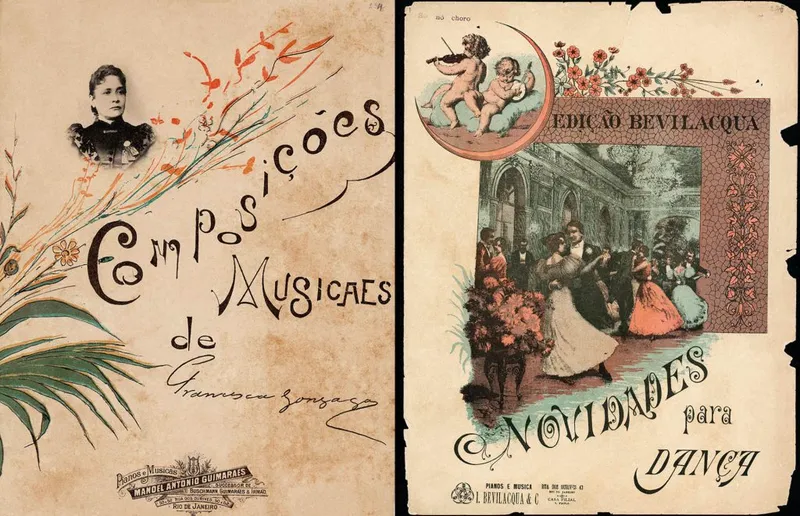
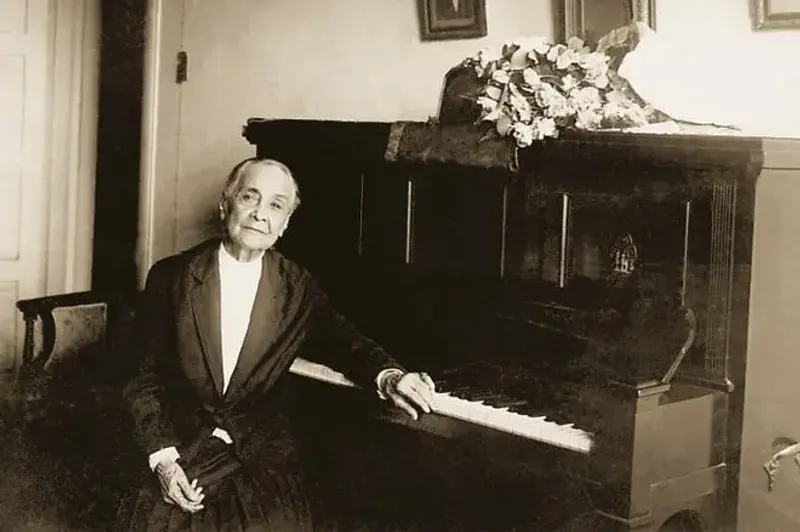
Today, she is remembered as one of the most important figures in Brazilian music and, in 2012, her birthday date, 17th of October, was declared National Day of Popular Brazilian Music, which I find very cool. And I highly recommend you look up her music online – even if you can’t understand the lyrics, I’m sure you’ll enjoy it.
5) Tarsila do Amaral (1886-1973) – Artist
It would be pretty much impossible to talk about modernist art in Brazil without including
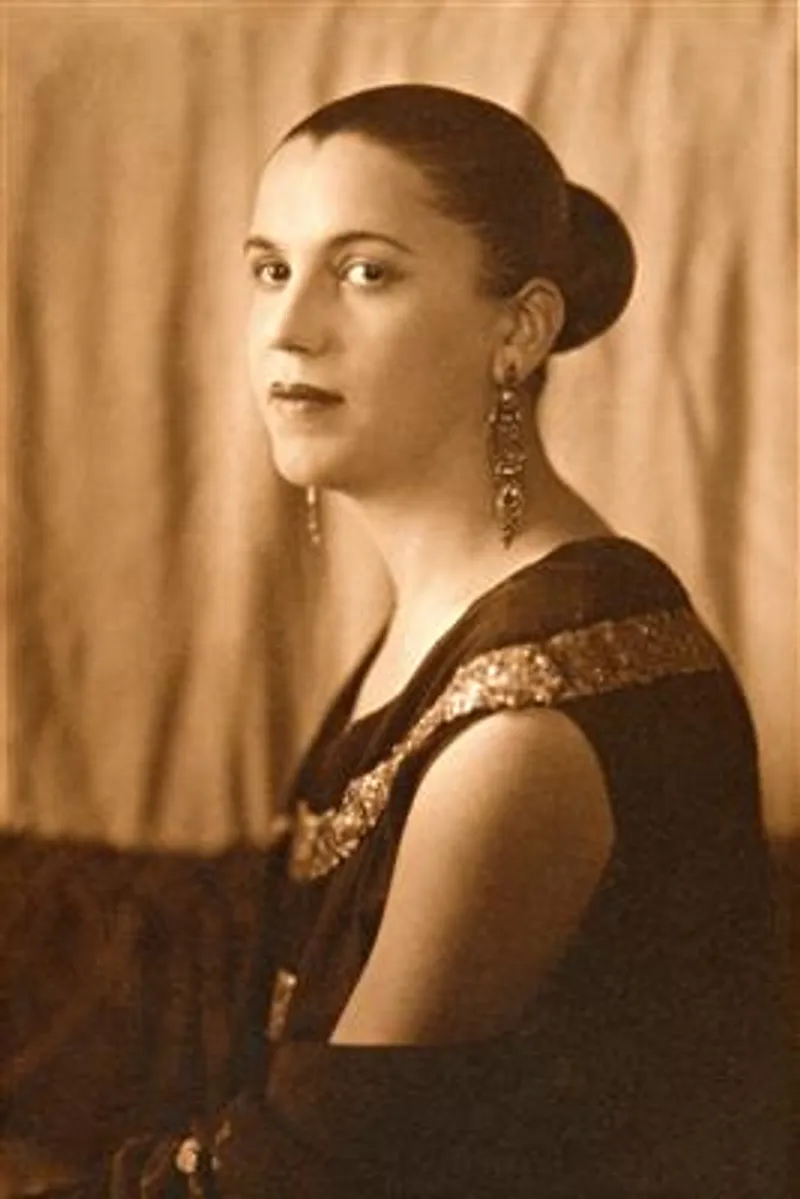
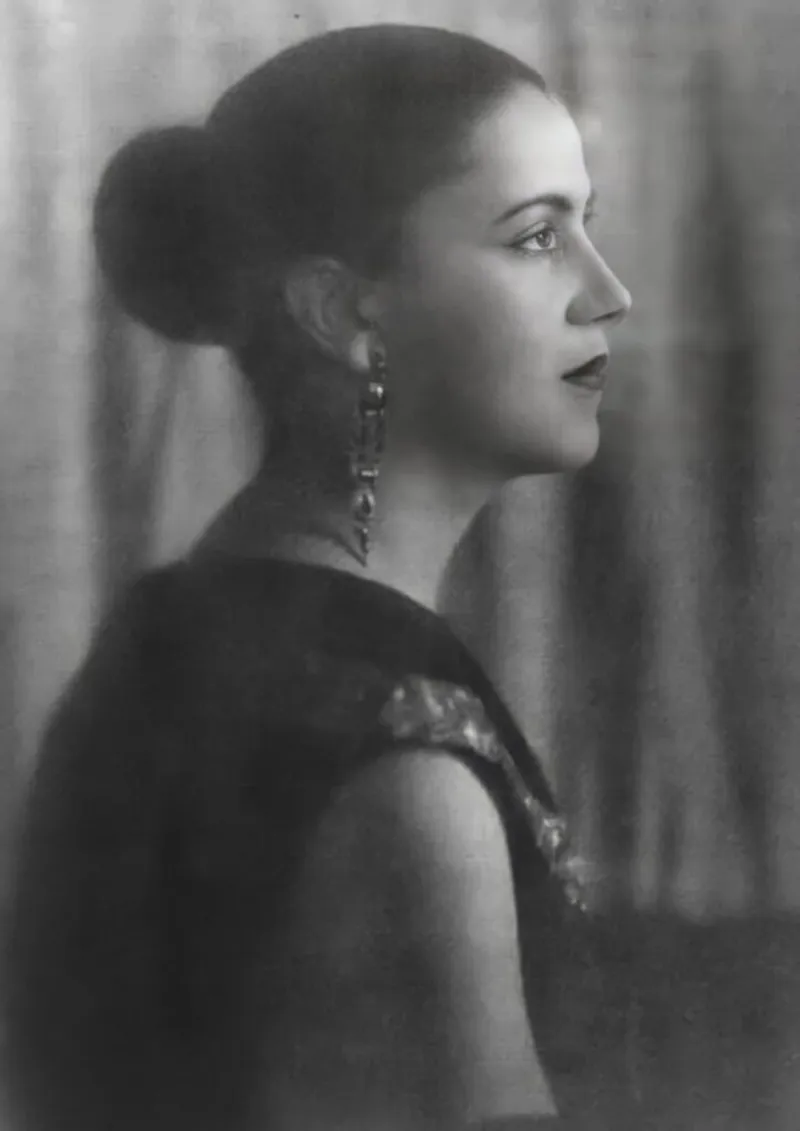
She left her husband and moved to Paris, to immerse herself in the world of art. When she went back to Brazil, her friend and fellow artist
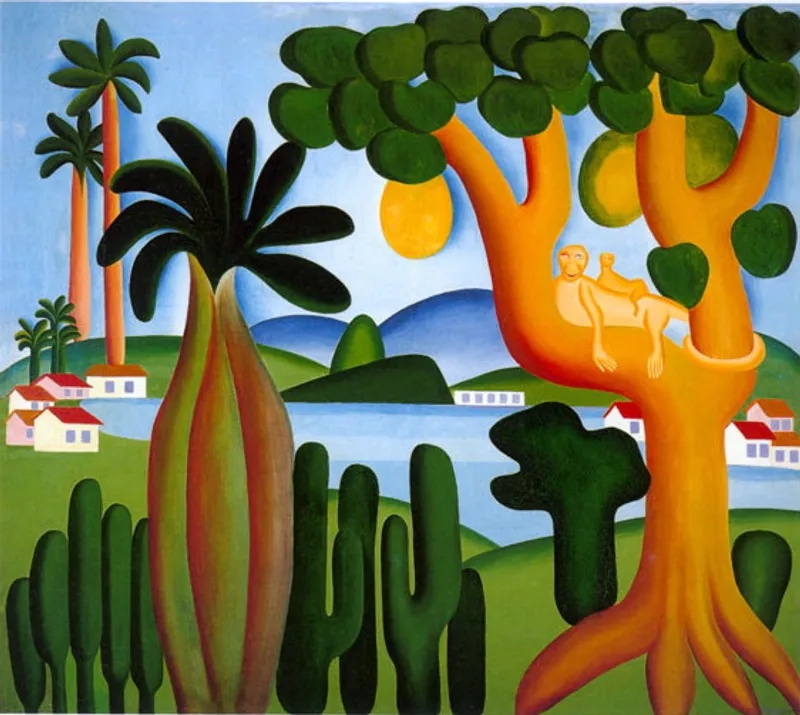
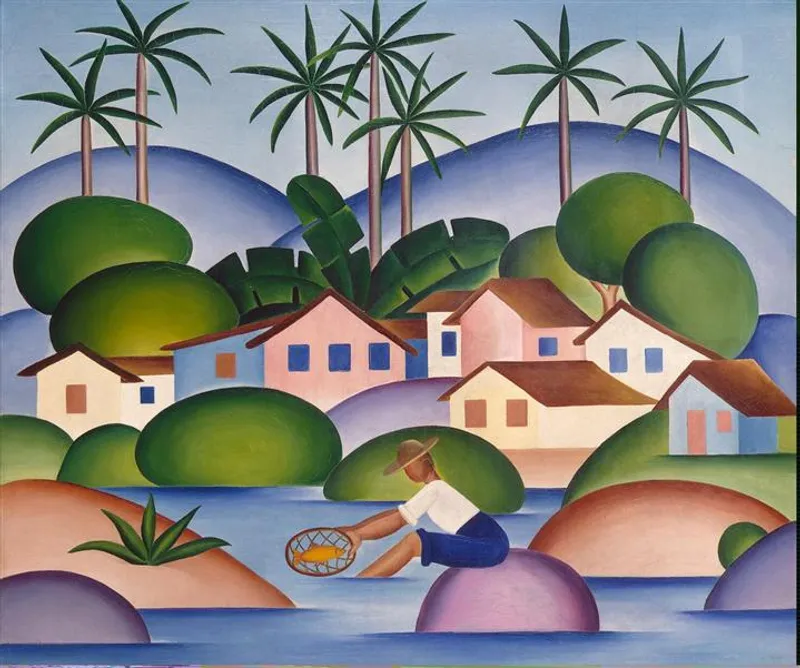
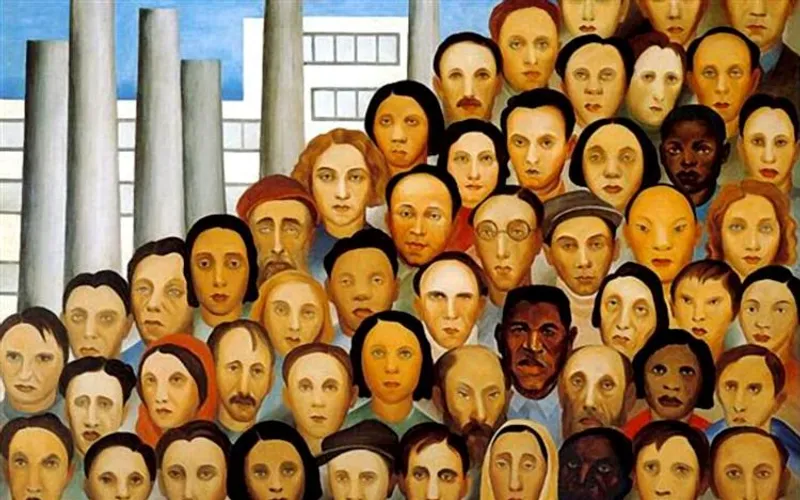
She married
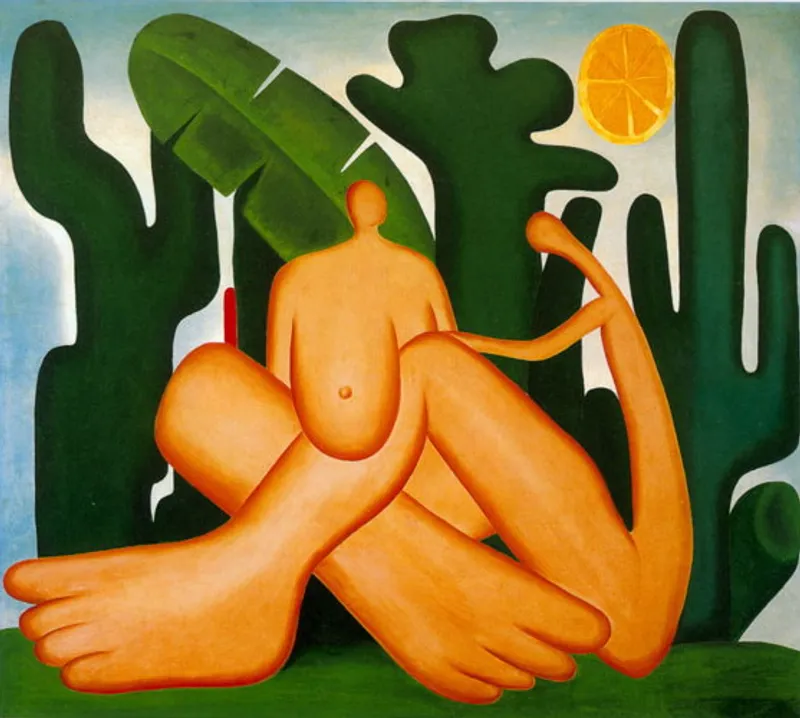
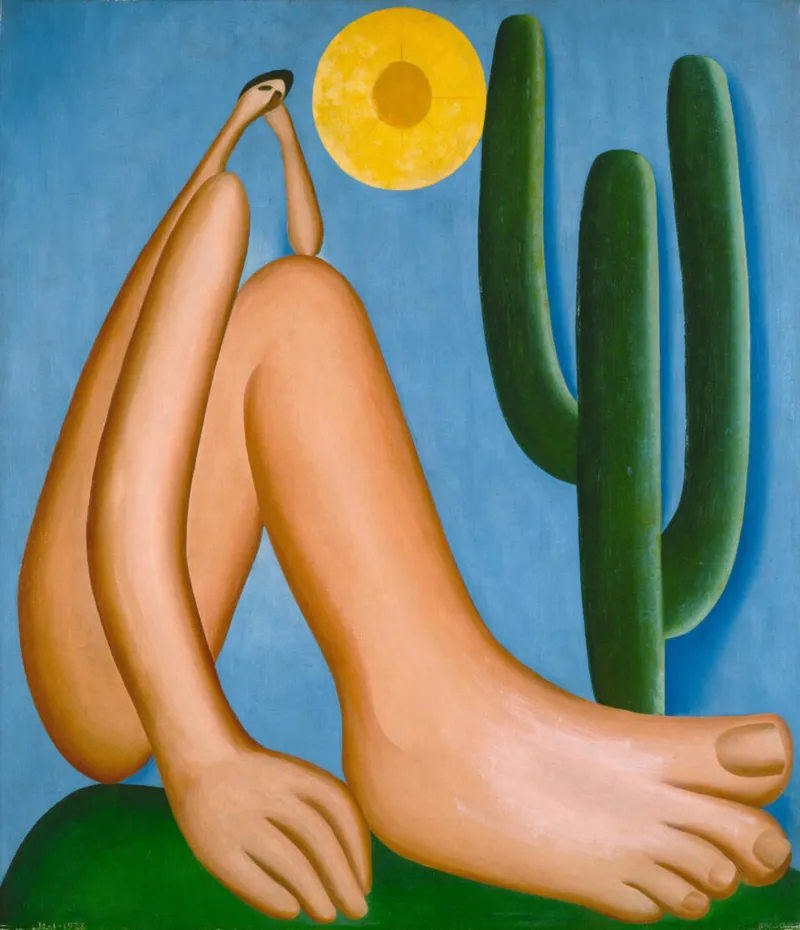
Anyway, art historians usually classify her work in three phases: Pau-Brazil, or ‘Brazilwood’, Anthropophagic and, lastly, the ‘social’ phase. She depicted the social change happening with industrialisation, as well as Brazilian folklore and popular festivities, such as Carnival. She dedicated what is arguably her masterpiece, Abaporu, to her husband and fellow modernist artist, Oswald. This painting, Abaporu, is the most expensive work by a Brazilian artist; it’s a masterpiece so iconic, it might as well be Brazil’s Mona Lisa. Gifted to Oswald, because nothing says love like a groundbreaking piece of modern art. Tarsila used to say she wished to be the ‘painter of Brazil’ and that she had done it. Who am I to say otherwise?!
Final Thoughts
I’m curious to know whether you had ever heard of these women; most Brazilians have, I’d say, even though we study them very briefly in school, if at all. And feel free to drop me any questions! As always, I have included a list of recommendations and links in the description, but unfortunately, almost everything is in Portuguese, although I did manage to find one English translation. In any case, I hope you enjoyed hearing about these incredible women – I tried to make my list as diverse as I could, but also to keep the text fairly brief. There are so many interesting people to choose from though, and I didn’t even include any people who are still alive today! Nor did I include my possibly favourite writer ever,
Further Reading:
Janaína Amado, ‘O Caramuru, e a Fundação Mítica do Brasil’, Actas dos IV Cursos Internacionais de Ikrão de Cascais – Mito e Símbolo na História de Portugal e do Brasil (1998), pp. 175-209.
Aracy Amaral, Tarsila: Sua Obra e Seu Tempo (2010).
Isabelle Anchieta, Revolucionárias: Joana d’Arc e Maria Quitéria (2024).
Jarid Arraes, As lendas de Dandara (2016).
_________, Heroínas negras em 15 cordéis (2017).
Angela Braga, Tarsila do Amaral (1998).
Leonardo Chalub, Dandara e a Falange Feminina de Palmares, (2021).
Chiara Ciodarot, Tempos de liberdade (2022).
Edinha Diniz, Chiquinha Gonzaga: Uma história de vida (2009).
Carlos Dourado, Maria Quitéria: A primeira militar brasileira, uma guerreira também pela independência do Brasil (2023).
Santa Rita Durão, Caramuru: Poema Épico (1781).
Tasso Franco, Catarina Paraguacu: A Mae do Brasil (2001).
Nádia Battella Gotlib, Tarsila do Amaral: A Modernista (2018).
Dalva Lazaroni, Chiquinha Gonzaga: Sofri e Chorei, Tive Muito Amor (1999).
Adriano Petrosa (ed.), Tarsila Popular (2019). (English version: T**arsila do Amaral: Cannibalizing Modernism, 2019).
Sebastião da Rocha Pitta, História da América Portugueza (1880).
Shuma Schumaher (ed.), Dicionário Mulheres do Brasil de 1500 até a atualidade (2000).
Rosa Symanski, Maria Quitéria: A soldada que conquistou o Império (2021).