 Dr Julia Martins
What if I told you the most expensive artwork ever created by a Brazilian artist is about… cannibalism? Yep, you heard that right—cannibalism. But don’t worry, it’s all metaphorical. Nobody’s getting eaten here—except maybe outdated ideas about art.
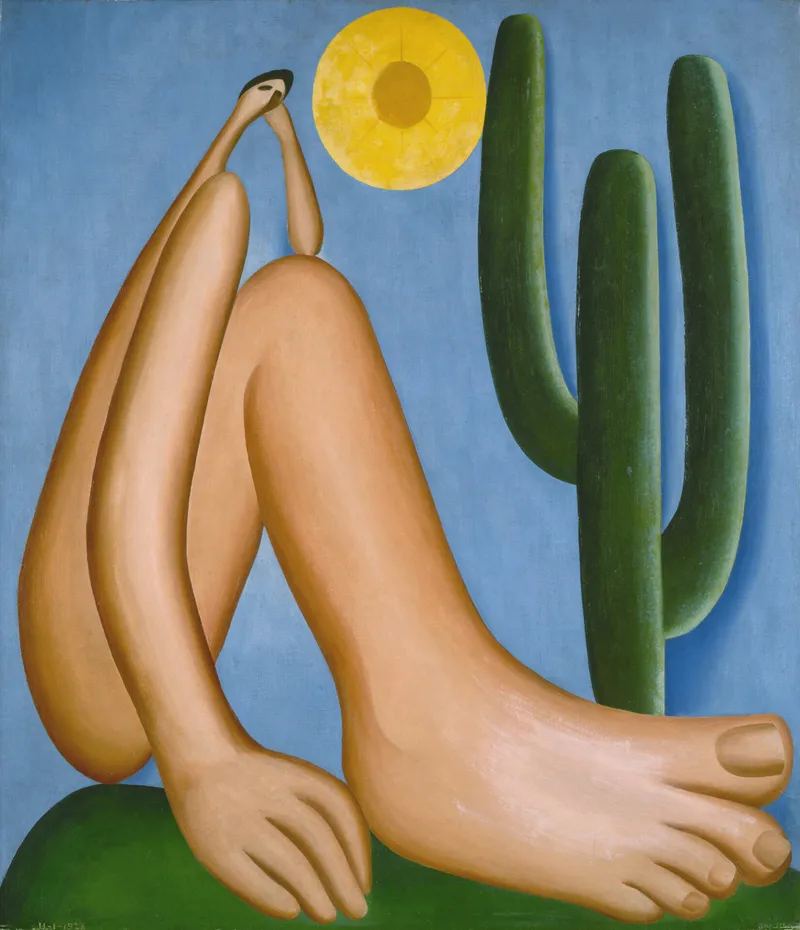
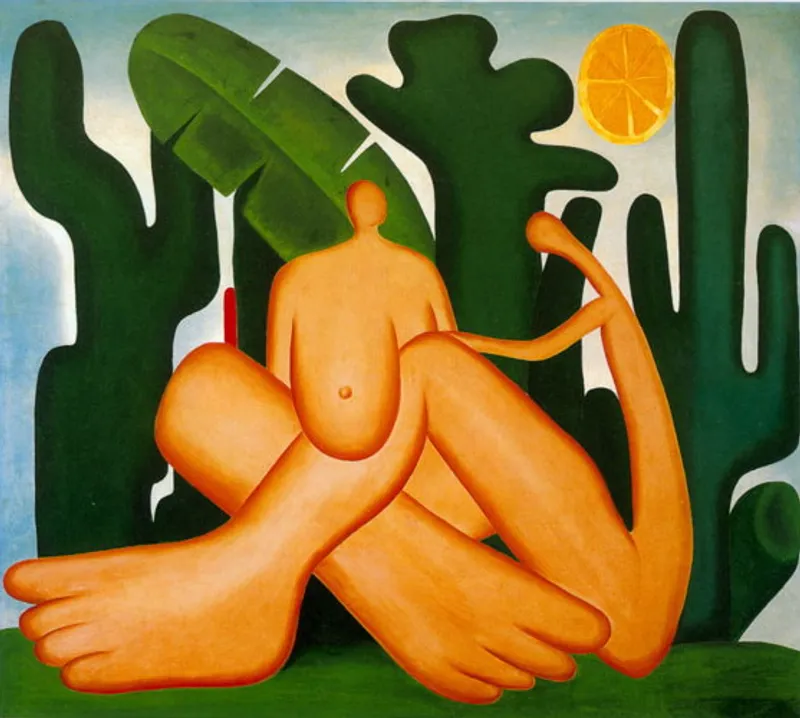
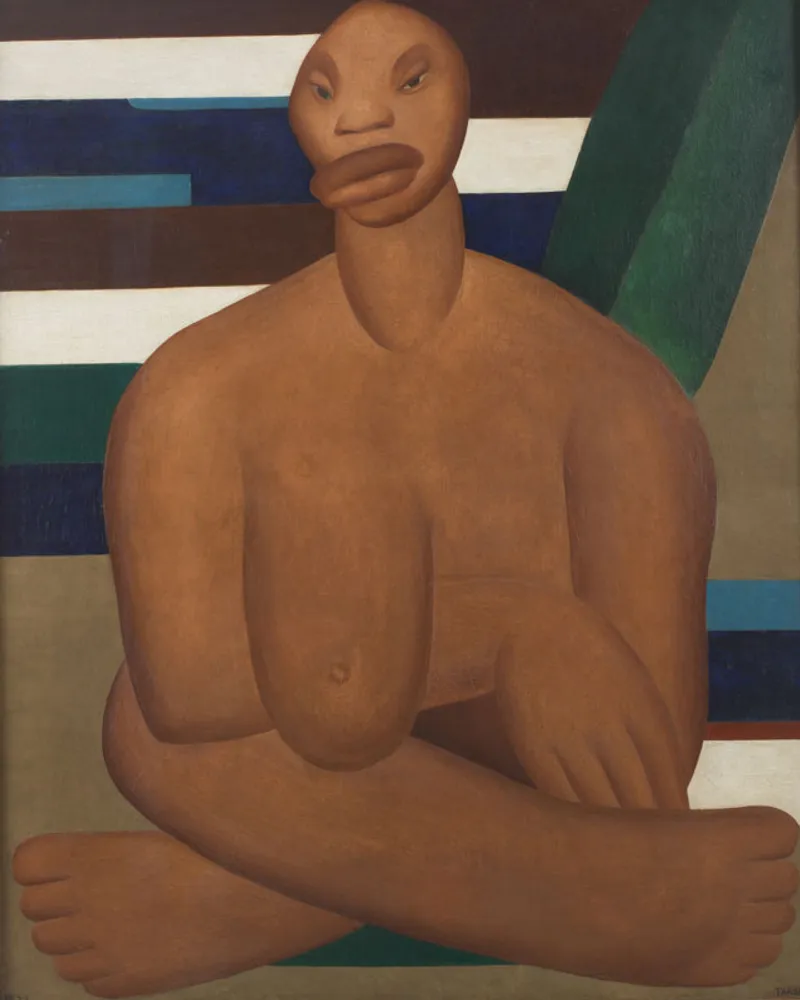
This is Abaporu, sometimes called the “Brazilian Mona Lisa.” But let’s be honest—it looks nothing like the Mona Lisa. There’s no mysterious smile, no muted tones, and definitely no polite
So here’s a question for you: when you think of modernism, what names come to mind? Picasso? Dalí? A few Europeans in berets? If that’s your list, you’re missing out on a whole world of groundbreaking art.
Hello, lovely history fans! I’m Dr. Julia Martins, I’m a historian. I’m also Brazilian and, ever since my undergrad days, I’ve been head over heels in love with Brazilian modern art. Now, while most people have at least heard of Frida Kahlo, Brazilian artists are often left out of the modern art conversation, which is such a shame. Why? Because the
And if you’re wondering how a single painting could spark a cultural revolution, keep reading —we’re about to dive into the boldest week in Brazilian art history.
Setting the Scene – (The Modern Art Week, 1922)
Let me set the stage: it’s 1922, and we’re in São Paulo, Brazil. The city is buzzing. A group of Brazilian artists has organised a week of performances, art exhibitions, and lectures. Sounds lovely, right? Who wouldn’t enjoy a classy little cultural soirée? But oh, no. These artists didn’t come here to politely sip coffee and discuss brushstrokes. They came to turn the art world upside down, shake up the establishment, and make the São Paulo elites clutch their pearls.
The
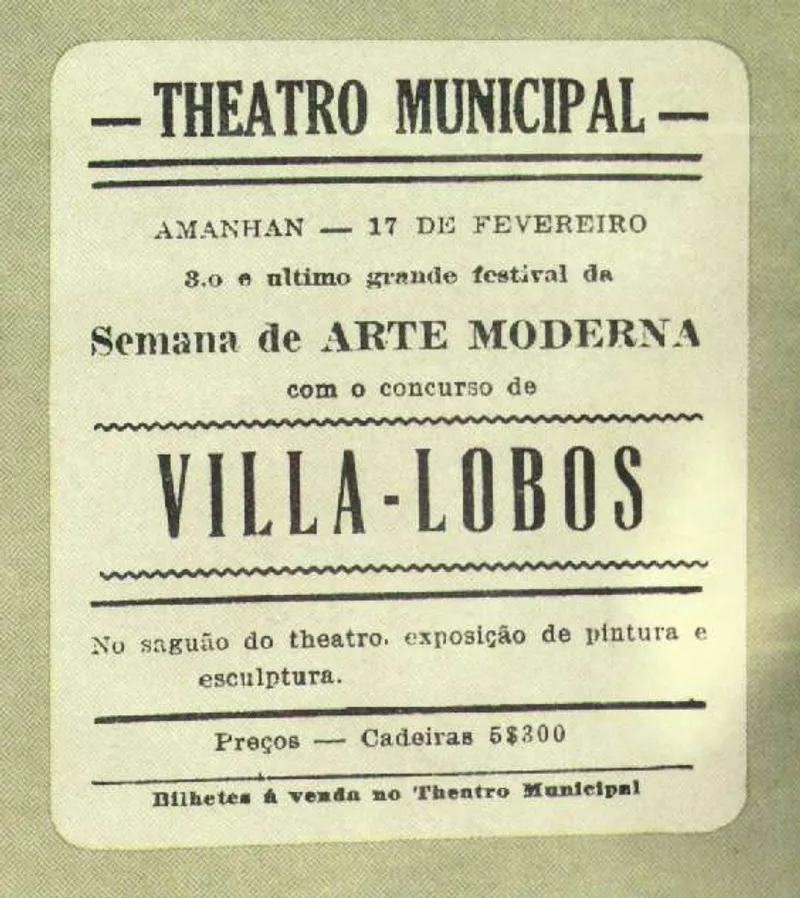
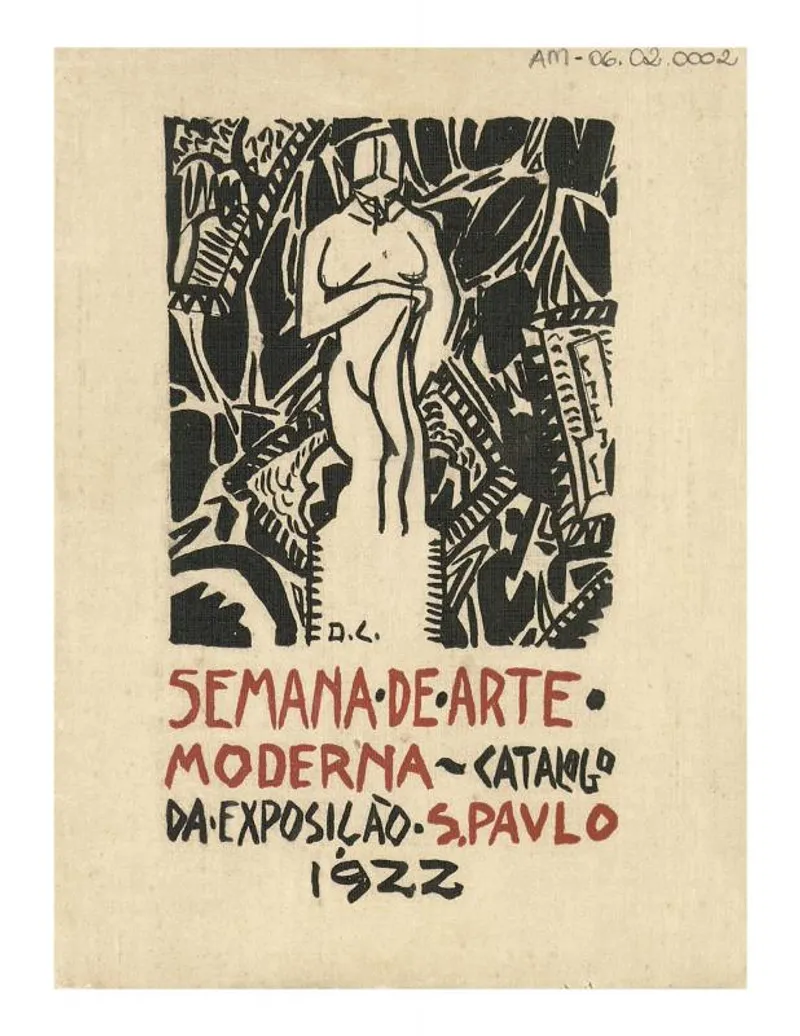
But why all the chaos? Let’s rewind a bit. In 1922, Brazil was celebrating 100 years of independence from Portugal. Fireworks! Parades! Well, not so much. This hadn’t been an easy century. Brazil had become independent, but the Portuguese prince, who would become Brazil’s first emperor, had stayed. So had slavery, which was legal until 1888, making Brazil one of the last countries in the world to abolish it. Even after abolition, the newly freed population was left to fend for themselves. No support, no land, no resources. This was also a deeply patriarchal and conservative society which, although separate from the European metropolis, was still grappling with the consequences of Portuguese colonialism. Plus, the country’s industrialisation created a wave of empoverished migrants who moved from the countryside to the cities, where there just weren’t enough jobs, and inflation was high. The arrival of European migrants only made the situation even more complex and the population even more incredibly diverse, with indigenous peoples, descendants of African slaves, and European immigrants all contributing to the country’s rich cultural mix.
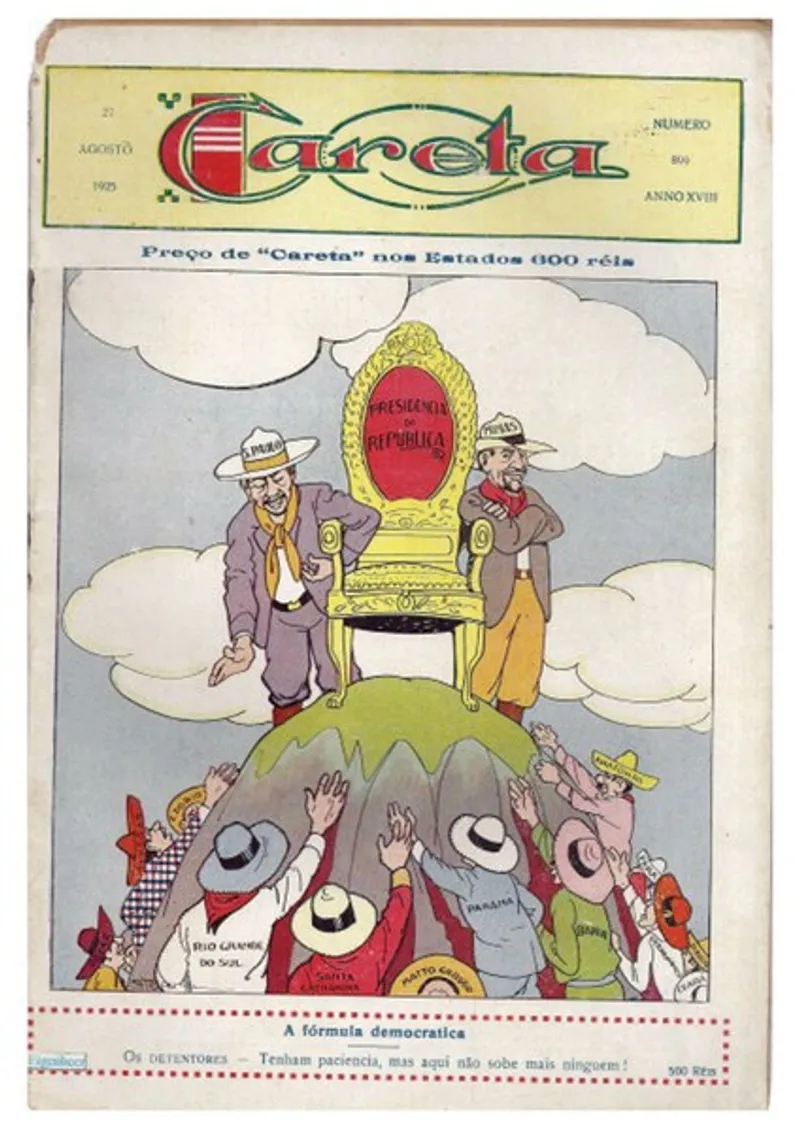
And then there was politics. By the end of the 19th century, Brazil would become a republic, but in the following decades there would be a lot of overlap between Brazilian politicians and oligarchs. At the time, Brazil was run by an oligarchy of wealthy families from São Paulo and Minas Gerais—the coffee and dairy regions. This system, called política do café com leite—or “coffee and milk politics”—sounds like a delightful brunch menu but really meant that a handful of elites controlled virtually everything while the rest of the country was left wondering if they’d get a crumb of bread to go with their coffee.
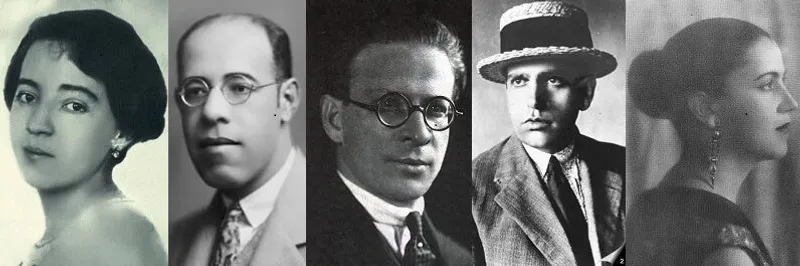
To make things worse, the early 20th century brought crisis after crisis, including the First World War and the Spanish Flu pandemic. By the 1920s, many Brazilians felt stuck—caught between the traditions of the past and the uncertainty of a modern, industrial future. If Brazil had a mood, it would’ve been a long, frustrated sigh. Enter the modernists—a group of artists and thinkers who decided it was time for a makeover. Many of them came from those same wealthy families running the country (ironic, right?) and had been sent to Europe to study. While there, they soaked up the cutting-edge art movements of the time—Cubism, Expressionism, Surrealism—but instead of just copying what they saw, they hoped to create something different, something truly Brazilian.
This group—nicknamed “The Five”—included
The Anthropofagic Movement – ‘Artistic Cannibalism’
Let’s talk about Abaporu, the painting I started the text with. Created in 1928 by
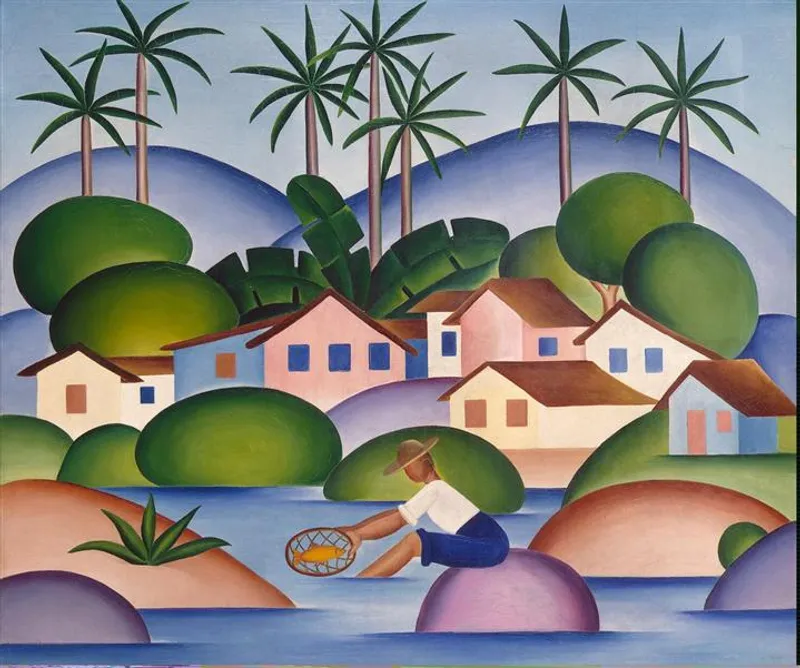
This idea of cultural cannibalism became the heart of the Anthropofagic Movement. It wasn’t about rejecting global art; it was about taking it, remixing it, and making it unmistakably Brazilian. Tarsila’s work embodies this perfectly. Her paintings are a feast for the eyes—bursting with vivid colors, bold geometric shapes, and a mix of indigenous and folk traditions combined with modernist aesthetics. She drew inspiration from Brazil’s diverse landscapes, the rhythms of its daily life, and its cultural richness. Look at Abaporu. The exaggerated limbs and simplified forms echo indigenous Brazilian art, while the distorted proportions nod to European avant-garde styles. It’s a perfect blend of influences and the ultimate symbol of this new modernism.
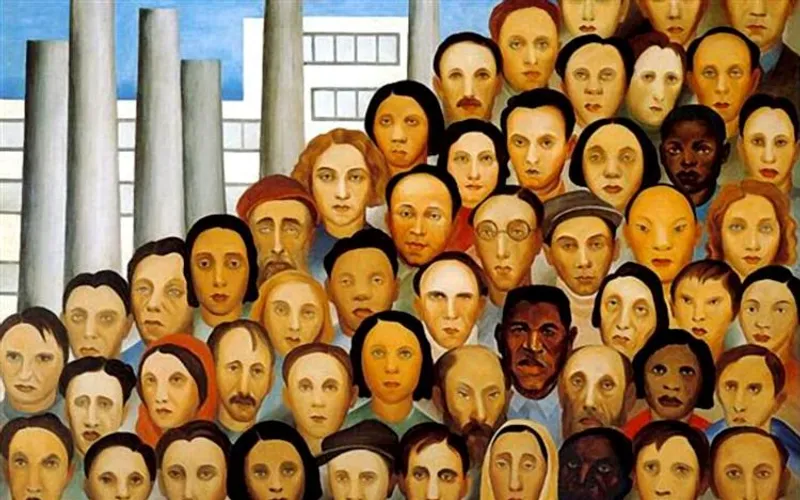
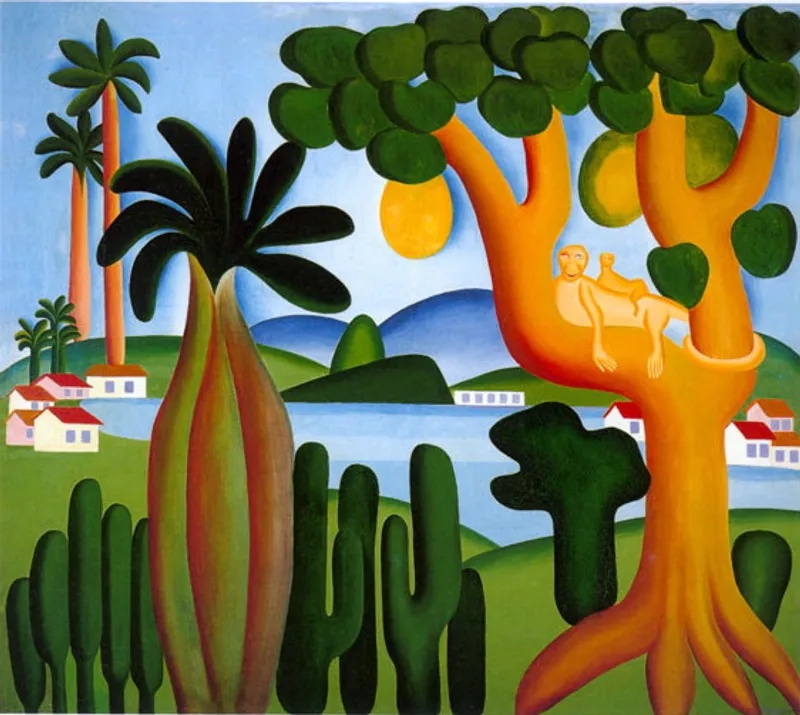
This philosophy wasn’t just limited to the canvas—it was written down in
Only cannibalism unites us. Socially. Economically. Philosophically.
But my favorite part is the line: “Tupi or not Tupi—that is the question.” I love that, it’s just so clever. It’s playing with the tupi language and culture, while referencing the plight of a Danish prince in a play by the most well-known English writer ever, Shakespeare. (Yes, apparently I managed to mention Shakespeare even in a text about 20th-century Brazilian art!) To me, this quote is funny and irreverent, silly and intelligent.
Now, let’s be clear—for Brazil’s elites in the 1920s, this was scandalous. This wasn’t just about bright colors and bold shapes. This was art with a social message, and that made certain people very, very uncomfortable.
Art and Society – The Migrants
Take
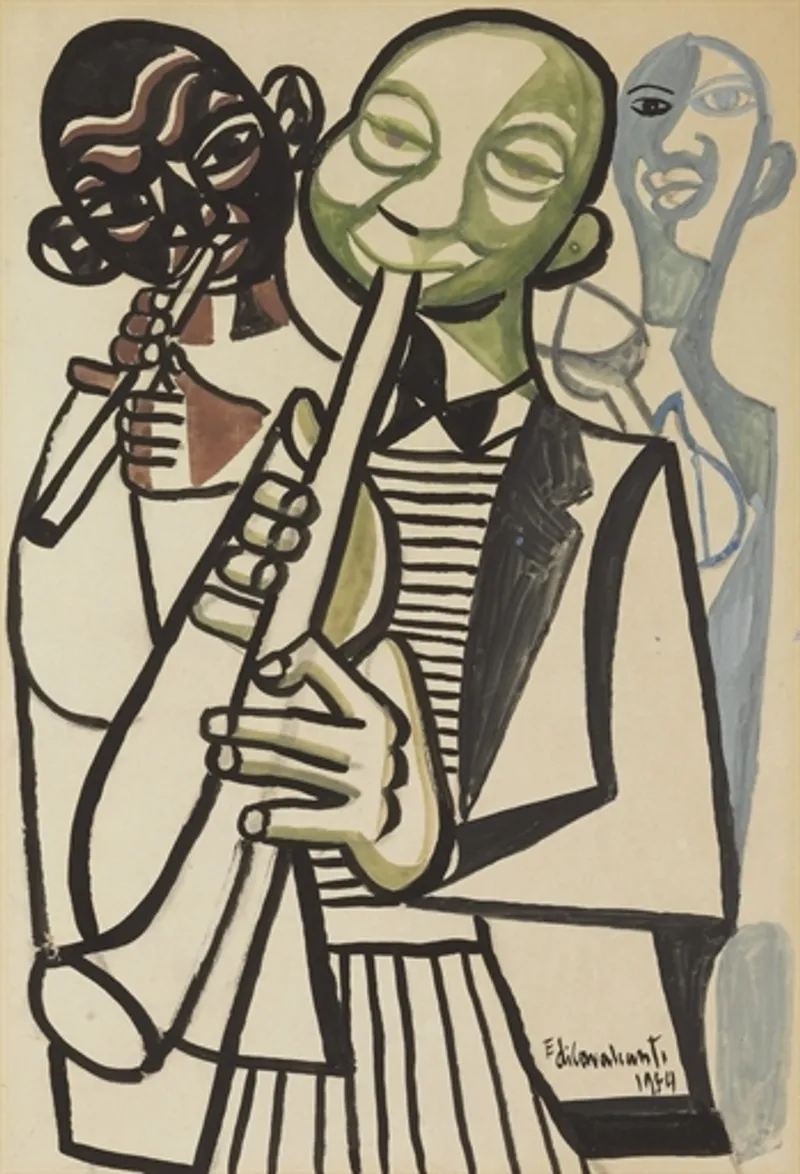
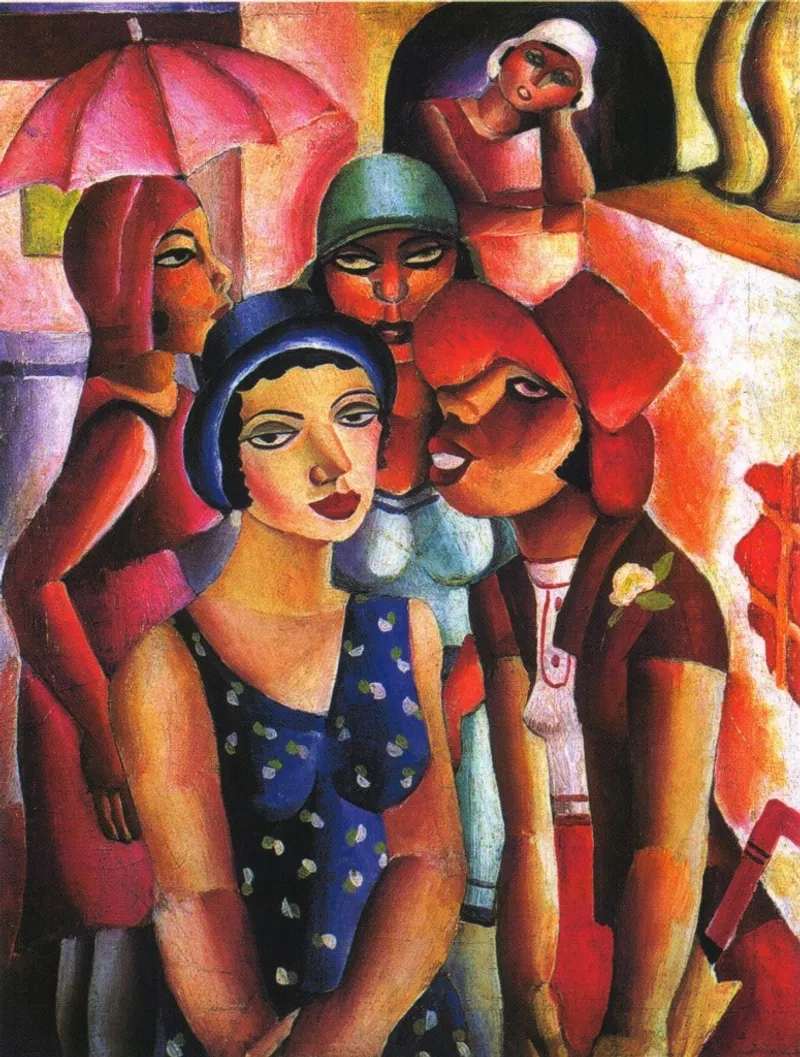
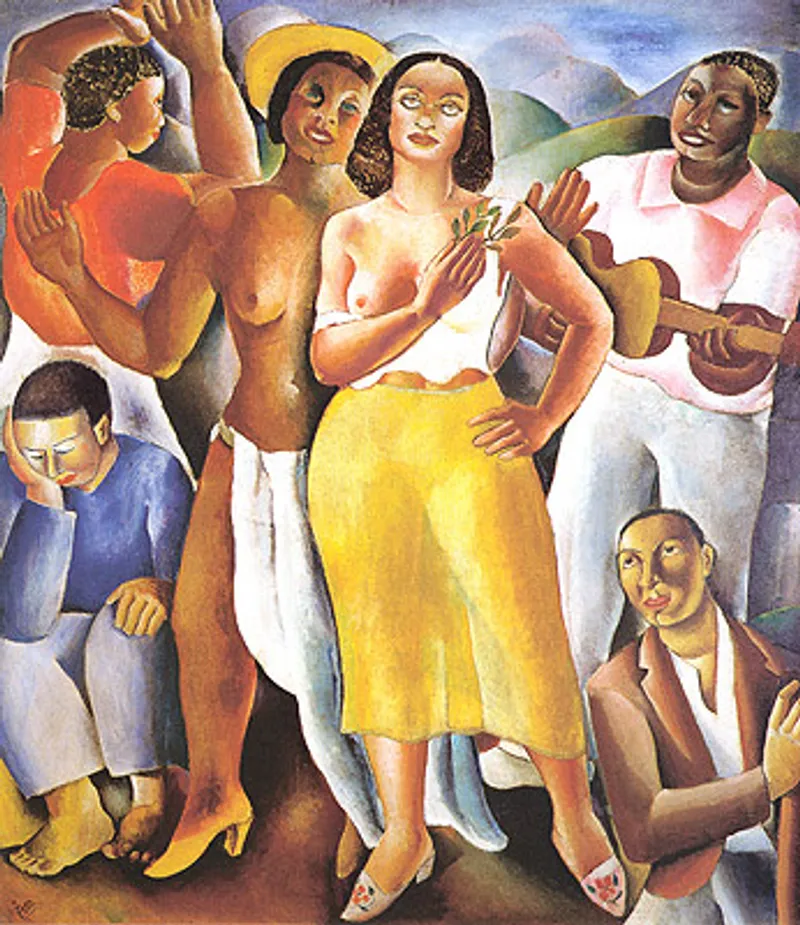
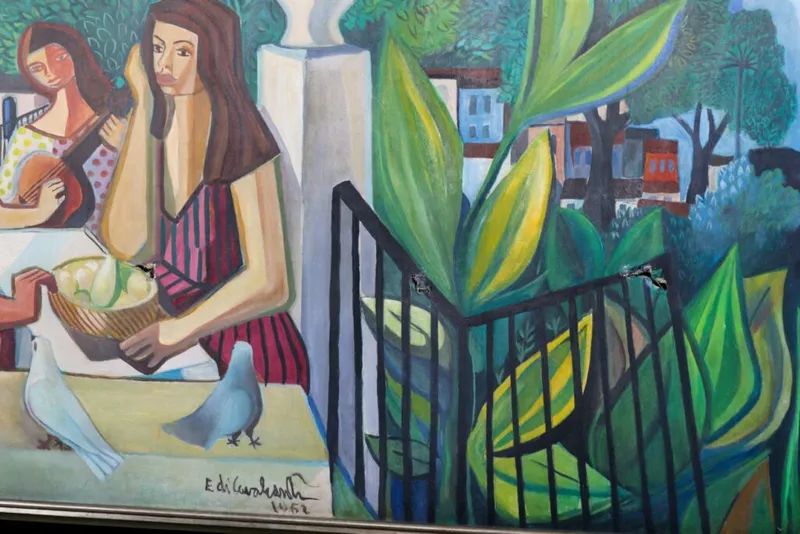
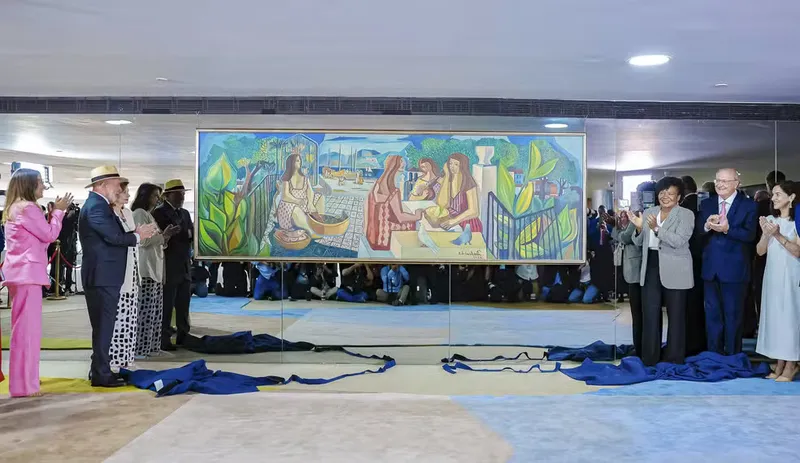
Take Di Cavalcanti, for example. His paintings focused on Brazil’s racial and cultural diversity, giving a voice—and a face—to the people often left out of traditional art. His piece As Mulatas (‘The Mixed-Race Women’) became a powerful symbol of Brazilian identity and culture, highlighting the richness of its diversity. Fast forward to January 2023. After the divisive 2022 presidential election, in which the leftist Lula defeated the right-wing Bolsonaro, a mob of Bolsonaro supporters attacked government buildings in Brasília. Among the damage they caused was the deliberate destruction of As Mulatas, which was stabbed seven times. For many, this act felt like a symbolic attack on what the painting represented: the beauty and complexity of Brazil’s multicultural identity. Fortunately, experts were able to restore most of the damage, though scars remain—a reminder of how art often becomes a battleground for deeper societal conflicts.

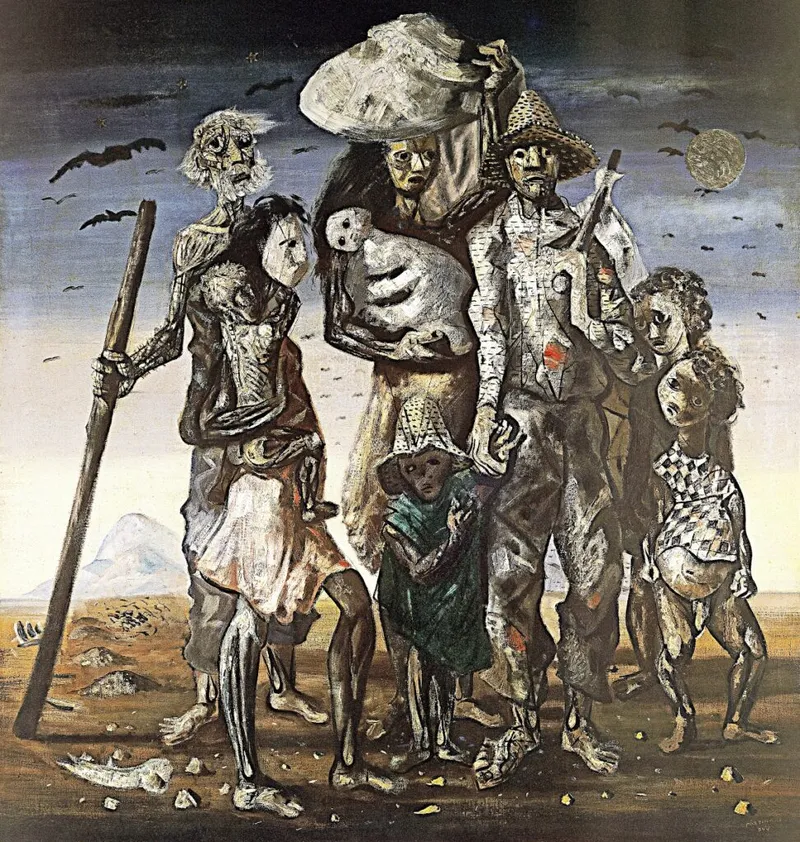
The atmosphere in Migrants is somber and heavy, with death looming in every corner. There are four adults and five children, standing against a lifeless, dry backdrop. Vultures circle overhead, bones litter the ground—it’s a scene of despair. The adults look straight at us, their expressions practically begging for help. The children, thin and ghost-like, are even harder to look at. One boy’s swollen belly isn’t from eating too much; it’s from schistosomiasis, a parasitic disease common in that region at the time. In Brazil, we call this distended abdomen “water belly”, and it’s an image often associated with poverty. It’s a heartbreaking detail that underscores the harsh realities these families faced.
Portinari didn’t shy away from these issues. He combined modernist experimentation with social realism, using his art to shine a spotlight on inequality and suffering. Another of his artworks, War and Peace, can be seen at the United Nations headquarters in New York. It’s an epic depiction of the horrors of war and the hope for peace—two themes that, unfortunately, remain relevant. Ironically, Portinari wasn’t allowed to see his work displayed at the U.N. in the 1950s. Why? Because of his ties to communism, he couldn’t get a U.S. visa.
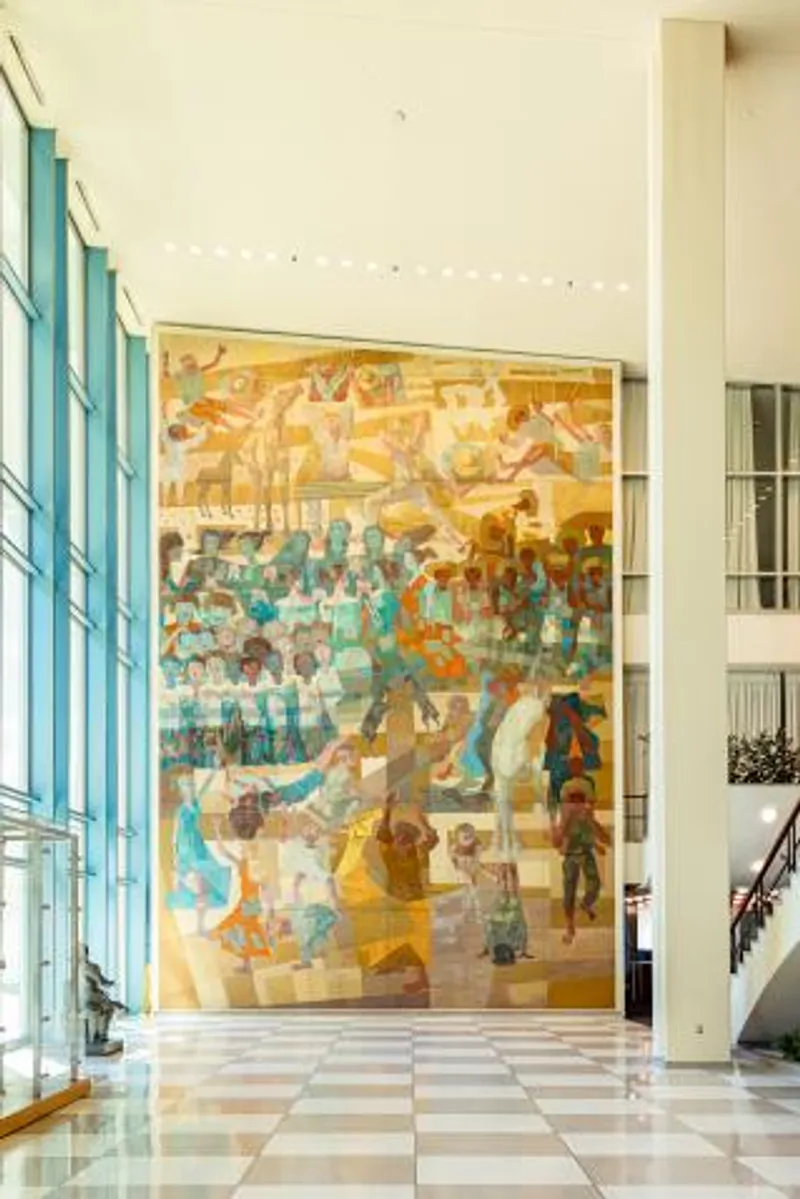
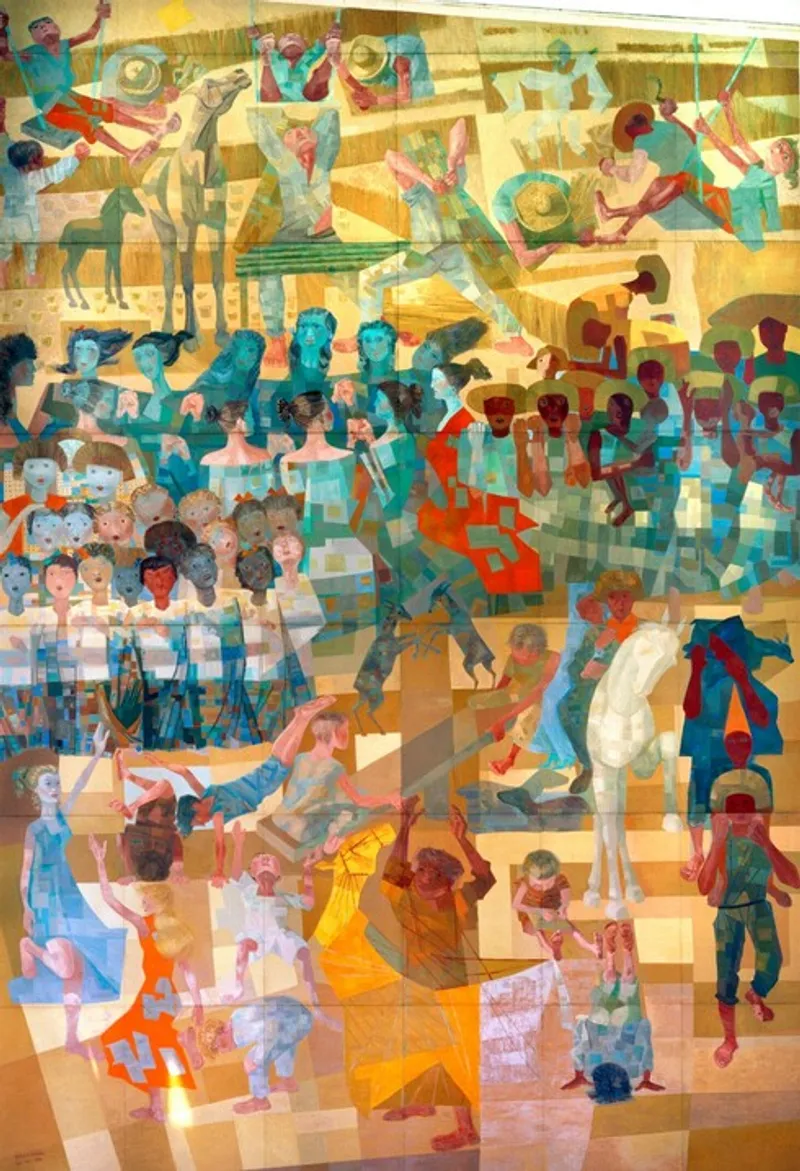
From the 1920s to the 1960s,
The Aftermath
And it wasn’t just the audience. Critics had plenty to say too. The prominent writer Monteiro Lobato dismissed modernist artists like
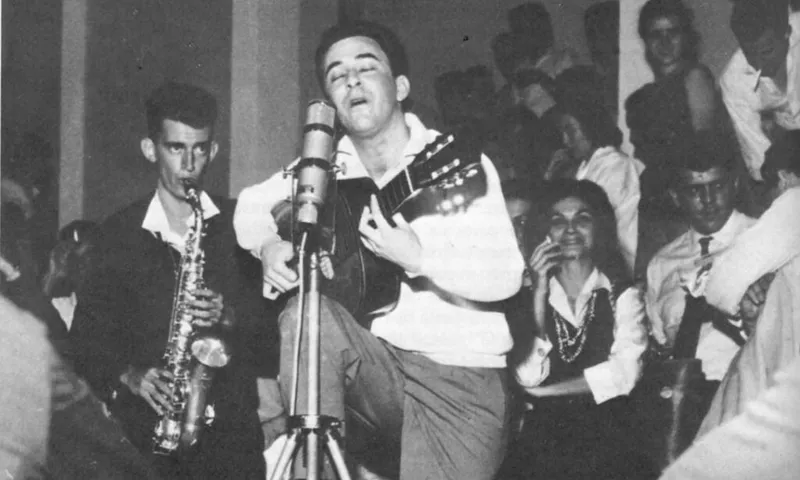
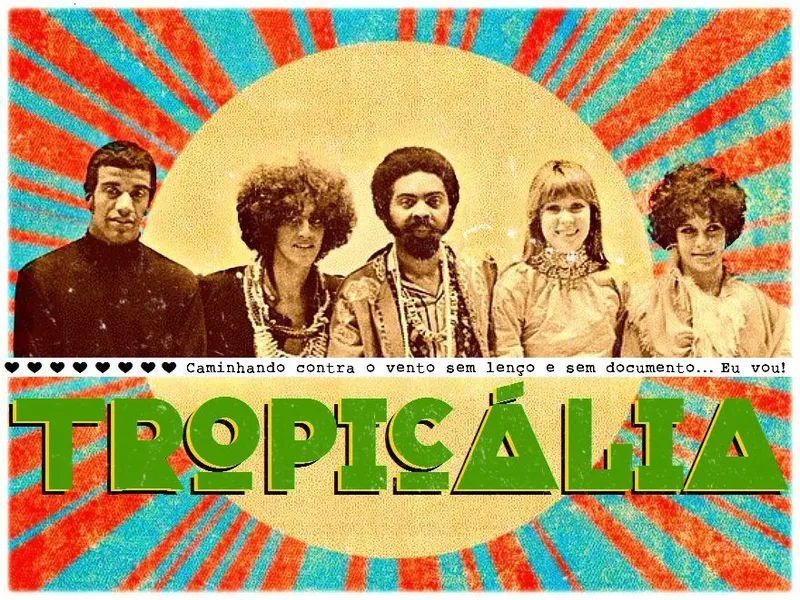
In the decades that followed, modernist art didn’t just survive—it flourished. It inspired music, from the smooth rhythms of Bossa Nova to the rebellious energy of Tropicalismo. It transformed architecture, most famously with the construction of Brasília in the 1950s—a capital city that looks like it was designed for the set of a futuristic movie. And through modernist literature, inspired by everyday life and oral traditions, Brazilian Portuguese began to carve out its own identity, moving further away from the formal Portuguese spoken in Portugal.
Modernism also led to a deeper appreciation of Brazilian history and culture. It sparked initiatives to preserve the country’s heritage, like restoring historic churches and creating museums. It celebrated the richness of popular music, dance, and festivals, recognising them as vital parts of the national identity. In short,
As an immigrant living in the UK, I’ve always felt that Brazilian art and history deserve more recognition outside the country. Call it artistic patriotism if you like! If you’re Brazilian, you probably learned a lot of this in school. But here’s the thing—outside of Brazil, modernist artists like
That’s why I’m so thrilled that the Royal Academy in London will be showcasing Brazilian modernist artworks from late January to April 2025. I haven’t been to the exhibition yet, but I’m already counting down the days. I especially love that they’re calling it Brasil! Brasil!—with an s, the way we spell it in Portuguese. It’s a small touch, but it makes my heart happy.
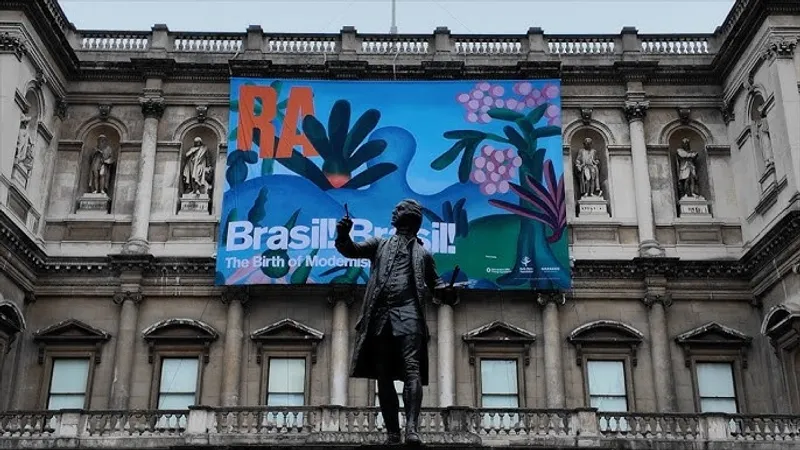
If you’re in London, I really hope you’ll check it out. And if you’re not, I hope this text gave you a glimpse into the fascinating world of
References:
Aracy Amaral, O modernismo brasileiro e o contexto cultural dos anos 20, Revista USP (2012).
Aracy Amaral, Tarsila: Sua Obra e Seu Tempo(2010).
Oswald de Andrade, Manifesto Antropofago (1928).
Jacqueline Barnitz and Patrick Frank. Twentieth-century art of Latin America (2015).
Nádia Battella Gotlib, Tarsila do Amaral: A Modernista (2018).
Daniela Diana, Modernismo no Brasil, Toda Materia.
Andrea Giunta (ed.) Cândido Portinari y el sentido social del arte (2005).
Sergius Gonzaga, Manual de Literatura Brasileira (1995).
Cândido Portinari, Josias Leão, Portinari: His Life and Art (1940).
Lilia Moritz Schwarcz and Heloisa Maria Murgel Starling, Brazil: A Biography (2018).
Paulo Varella, Modernismo no Brasil: um divisor de águas na história da arte, Arteref (2024).