 Dr Julia Martins
It is estimated that between 1 and 2% of people have some kind of intersex variation and fall under the umbrella term of ‘sex variant’. (That’s around the same number of people who have red hair!) Yet, it is only in recent decades that intersex people have gained space in mainstream debates about equality and human rights. However, they have figured prominently in medical, religious, and legal arguments for centuries, serving as examples of competing ways of understanding gender and sex.
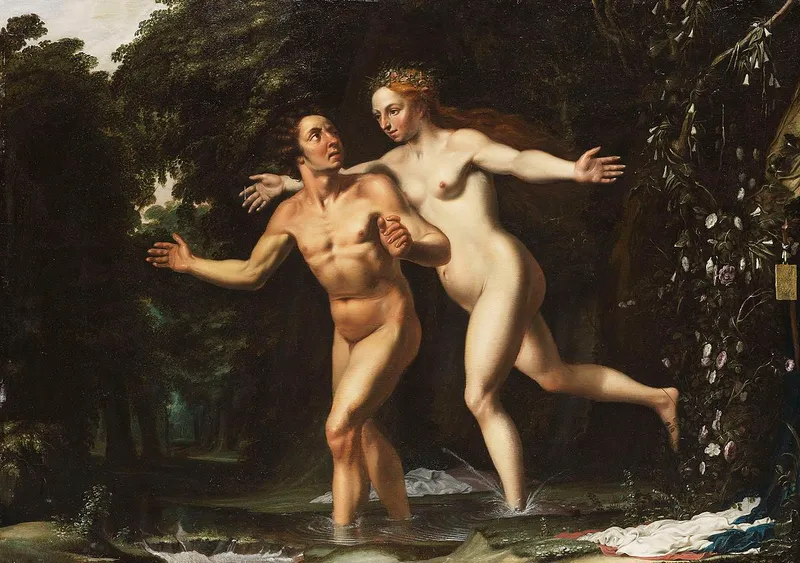
Although the term ‘hermaphrodite’ is generally considered derogatory today, it usefully conjured up ideas of blurred boundaries in earlier times. In his
They are not two, yet the form is twofold;
We cannot say, that it is the body of a boy or a girl;
They are neither, though they appear to be both.— (Ovid, Metamorphoses)
Hermaphroditism became associated with the fusion of masculinity and femininity and was used for centuries to describe most people who identify today as ‘intersex’. However, not all hermaphrodites were the same. In the
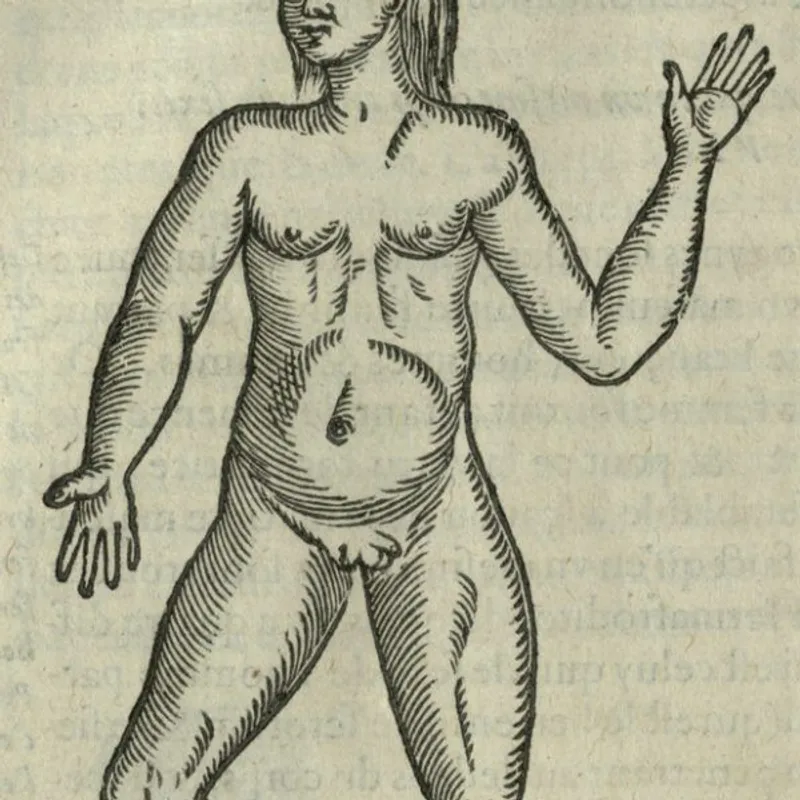
The male-dominant hermaphrodite would have fully developed male genitalia and be able to engender children while still having a shallow vulva-shaped hole in the perineum, from which no fluids would be expelled. Conversely, the predominantly female hermaphrodite had a perfectly formed vulva from which menstruation would be expelled, but also a small penis, which would not be capable of erection, nor expelling urine. There would be no signs of testicles.
Imperfect hermaphrodites would have both sets of genitalia, one above the other or side by side, both malformed. They would be capable of urinating but not reproducing with either male or female genitalia. Perfect hermaphrodites, on the other hand, possessed both sets of genitalia, and both were fully functional. They would be fertile and capable of reproducing with either male or female sets of genitals, posing serious legal problems.
As
Behind this medical debate were fears of imposture and deception in marriage, which could have legal consequences. It might be that a hermaphrodite who married a woman could not consummate the marriage, or that a hermaphrodite who married a man might be accused of sodomy, for instance. Furthermore, depending on whether the person was known as a man or woman, questions dealing with inheritance and property could become problematic. Hermaphrodites were considered a threat to the patriarchal order since they transgressed the prescribed gender and sexual roles. These fears of disruption in the social order are evident in legal texts: hermaphroditism (and impotence) were famously considered impediments to marriage.
From antiquity, two medical frameworks for understanding hermaphroditism had coexisted. The Hippocratic tradition tended to view sex as a continuum, with ‘masculine males’ on one extreme and ‘feminine females’ on the other. In between, there existed not only different kinds of hermaphrodites but also masculine women (virago) and effeminate men. On the other hand, the Aristotelic tradition conceptualised females and males as opposites, with no space for intermediary categories. The coexistence of these two contradictory traditions explains why early modern debates about hermaphroditism could be so entangled.
However, as the understanding of sex and gender along a spectrum rather than as binaries posed legal, religious, and social problems, the discourse about hermaphroditism gradually shifted. By the 18th century, the erasure of the concept of hermaphrodism was well underway, with the Hippocratic understanding of sex becoming progressively less prevalent in medical texts. By embracing the Aristotelian model of sex and gender, hermaphrodites could be considered exceptional cases rather than normal occurrences in human nature. This consolidation of the sex binary removed intermediary categories, which had vital social consequences – especially for those we would today call intersex.
Sexual difference – in the past and present – can help us make sense of other differences, such as race or religion. Who is the ‘other’? What bodies matter? Our current debates surrounding gender are far from unique. However, it is essential to consider how our binary classifications were created. The ways we conceptualise sex and gender are not inevitable, fixed, or ‘natural’ at all, but instead culturally constructed categories. By learning about how earlier people conceptualised sexual differences, I hope that we can engage more deeply with our own humanity.
References:
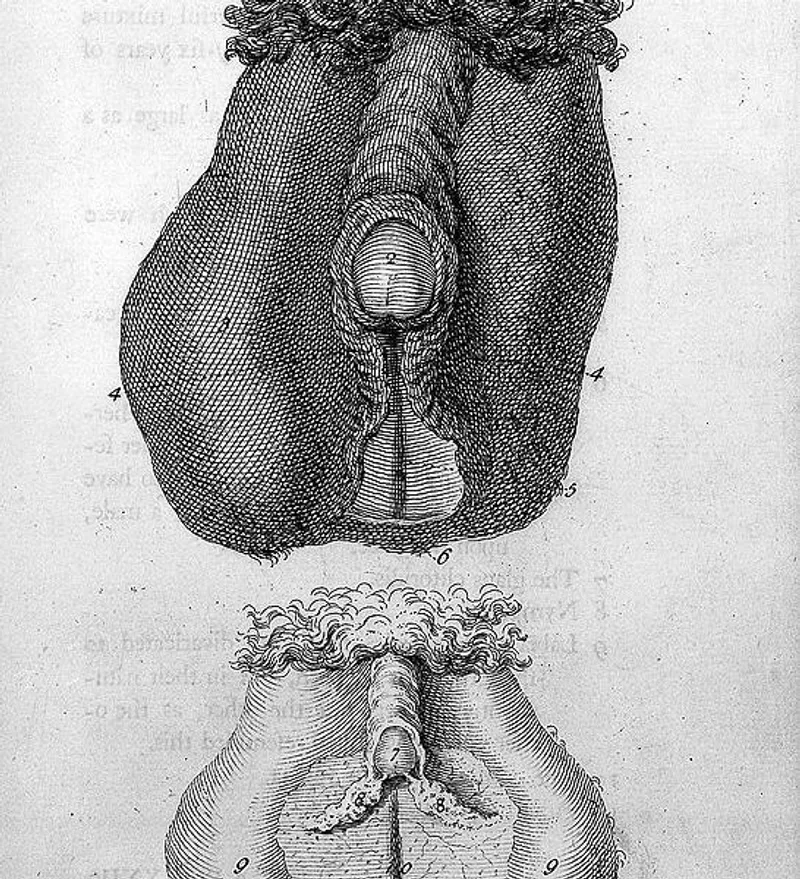
William Cheselden, The Anatomy of the Humane Body (London, 1750).