 Dr Julia Martins
 Throughout history, the womb was often thought to be a mysterious organ, which could make women ill yet create new life. Knowledge about women’s bodies and especially reproduction was thought to be hidden in the womb, ‘secret’ from prying eyes.
In the
Not only was this knowledge ‘secret’ because it emanated from the mysterious feminine body, but also because it could be transmitted in the form of ‘secrets’. In this period, ‘secrets’ were also medical recipes for the production of remedies – such as a concoction women could drink to facilitate conception. People could have access to these formulas cheaply and in the vernacular, and books of secrets, which contained these recipes, were a best-selling genre.
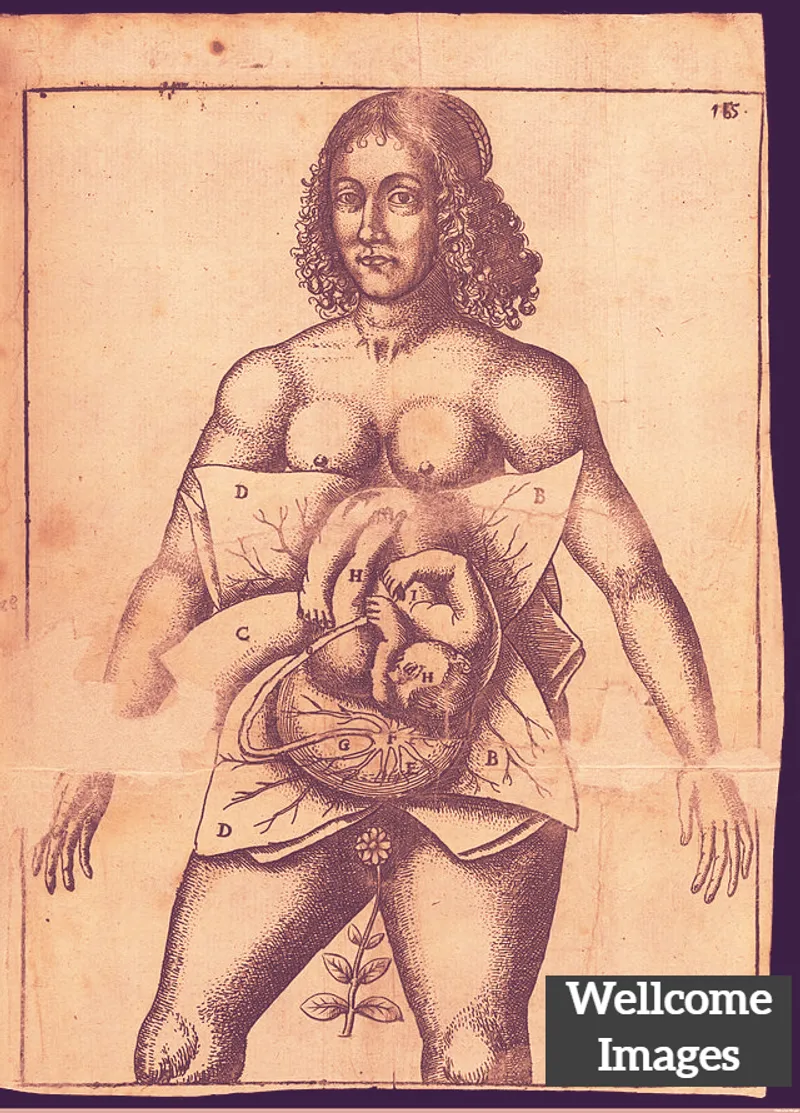
‘Secrets of women’, therefore, were at the crossroads between theory and practice, secrecy and openness, public and private. The concept encompasses many interesting debates in the