
The Tiffany Problem: 10 'Modern' Things That Are Way Older Than You Think
From ancient Roman fast food to medieval almond milk—ten things that feel modern but have been around for centuries.
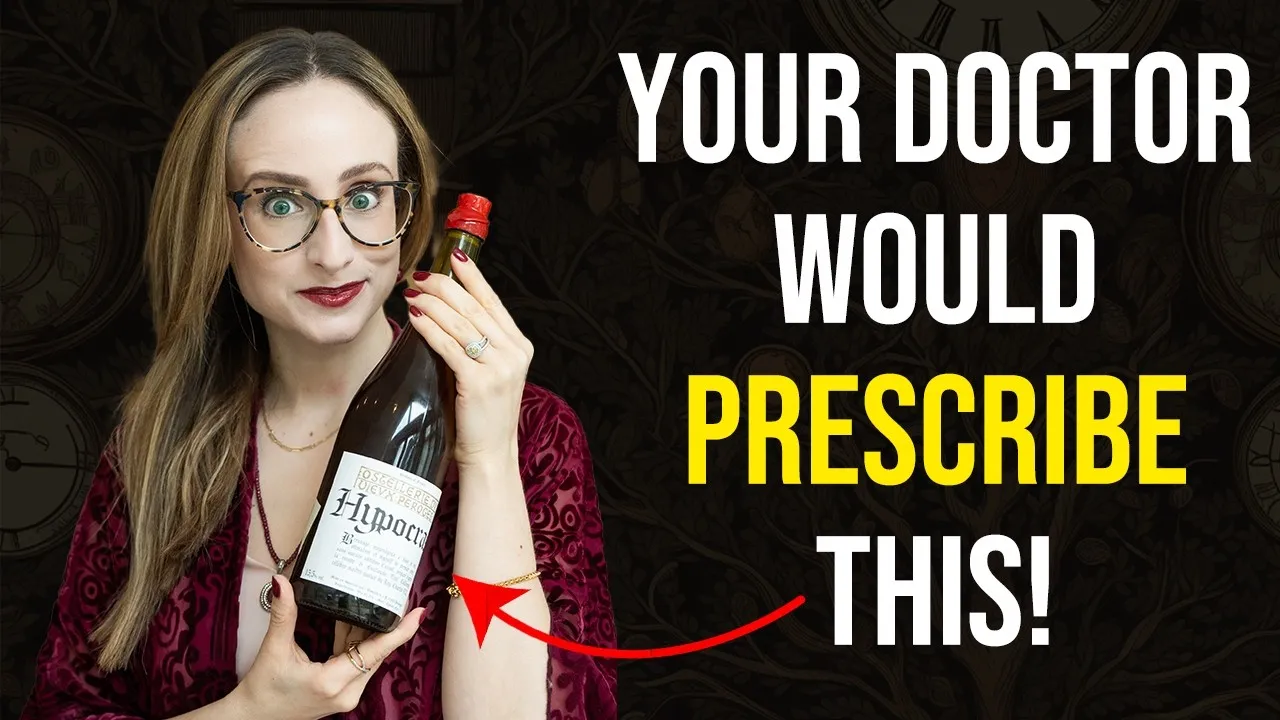
Hypocras: The Spiced Wine Medieval Doctors Prescribed as Medicine
Hypocras was served at royal banquets and prescribed by physicians. The history of the spiced wine that blurred the line between medicine and pleasure.
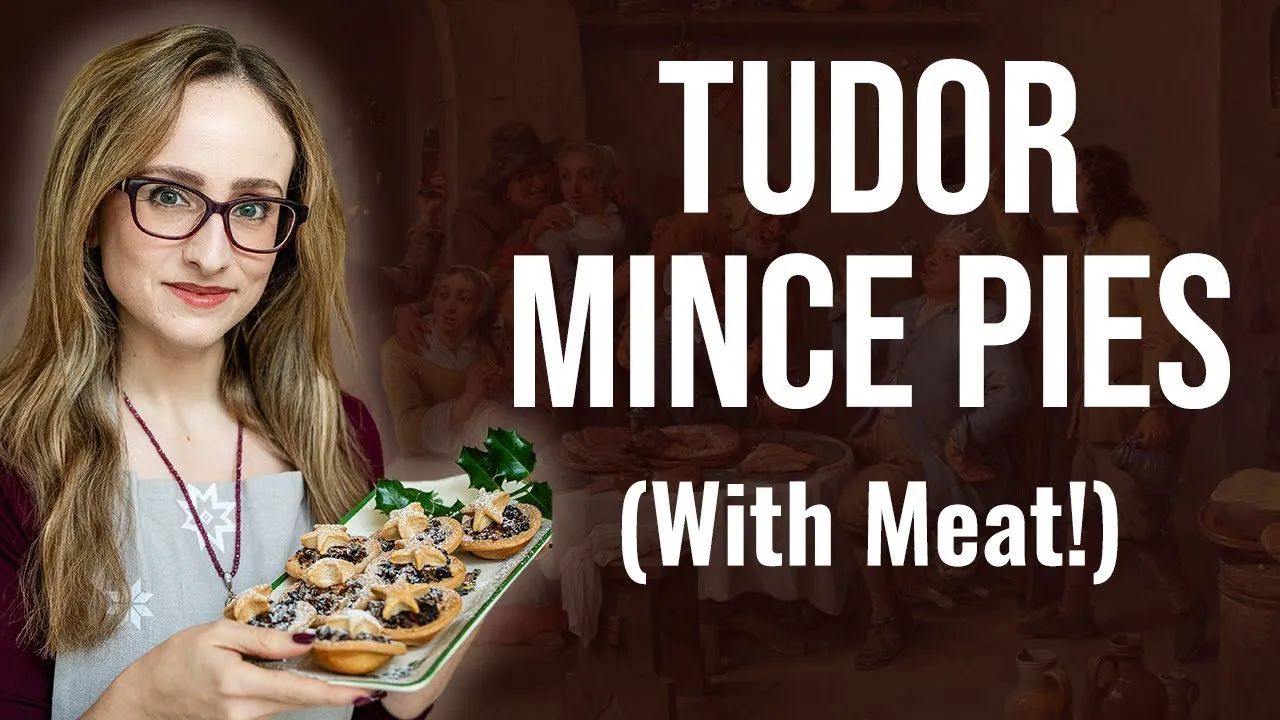
Tudor Mince Pies: A Taste of Christmas Past
Discover Tudor mince pies—filled with meat, spices, and symbolism, shaped like mangers to honor the Nativity. A recipe for Christmas past.
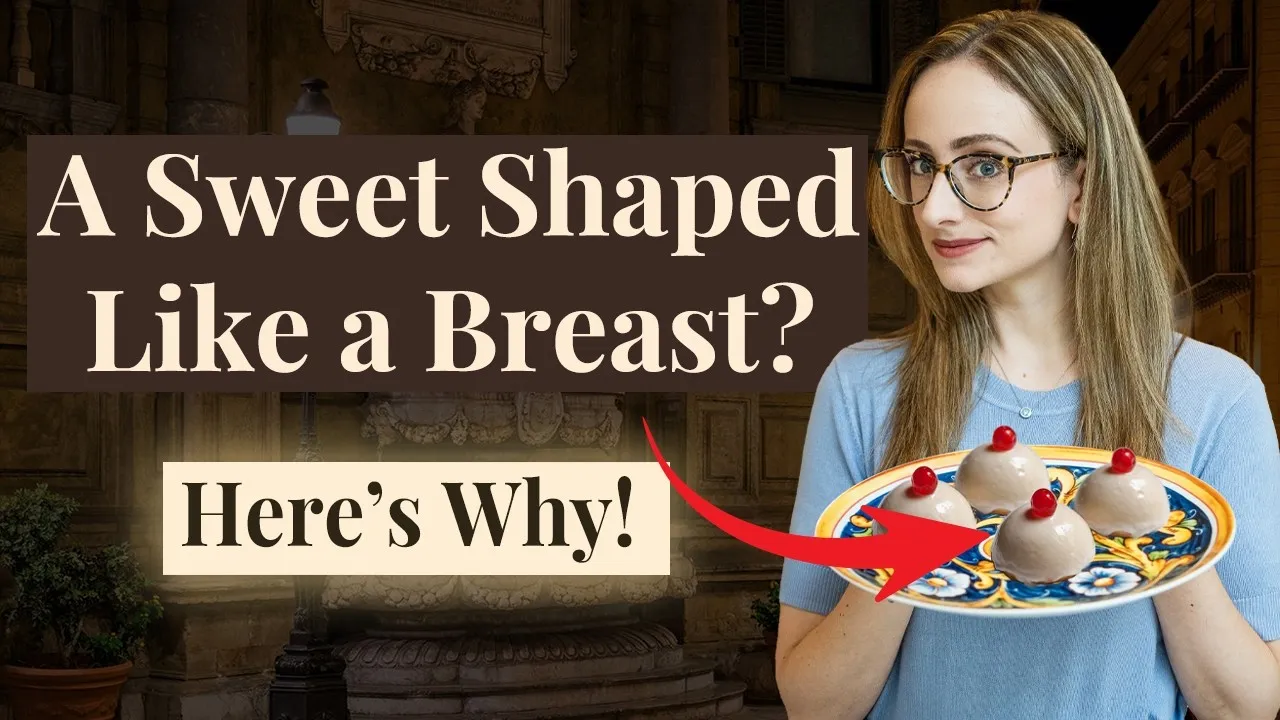
St Agatha: The Sicilian Martyr Honoured with Breast-Shaped Pastries
Tortured under Roman persecution for refusing marriage, Saint Agatha became one of Sicily’s most venerated saints — and inspired one of its most unusual desserts.
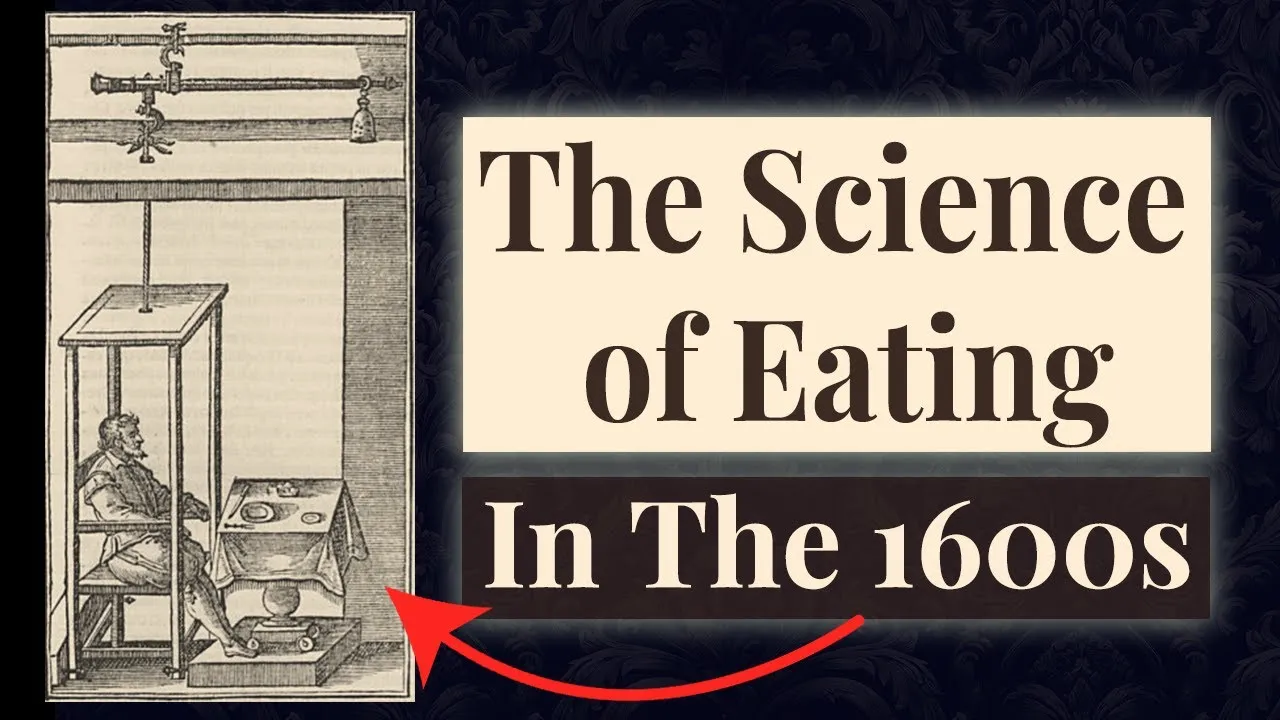
17th Century "Intuitive Eating": Paracelsus and Digestion
Discover how Paracelsian medicine revolutionized 17th-century diet advice, empowering people to trust their bodies over doctors' rules.
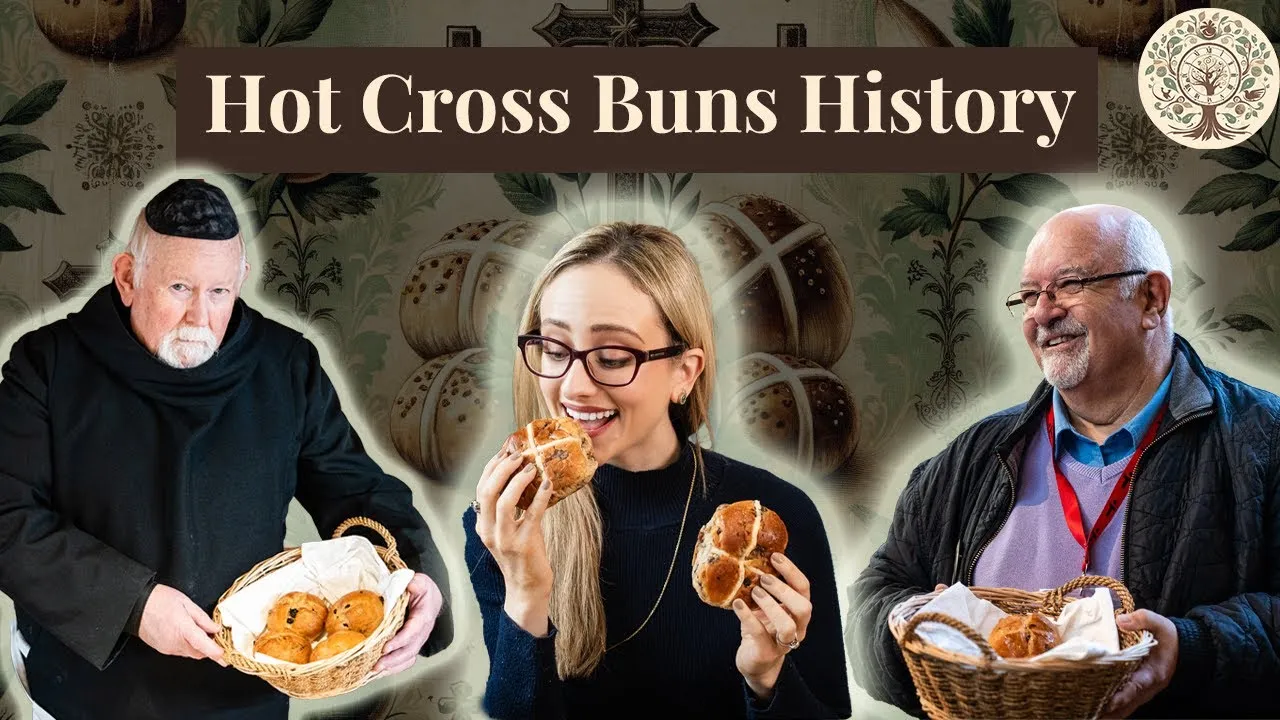
Hot Cross Buns: Discovering the Easter Treat's Rich History
From 14th-century St Albans Abbey to modern bakeries—discover the mystical origins, superstitions, and traditions behind hot cross buns.
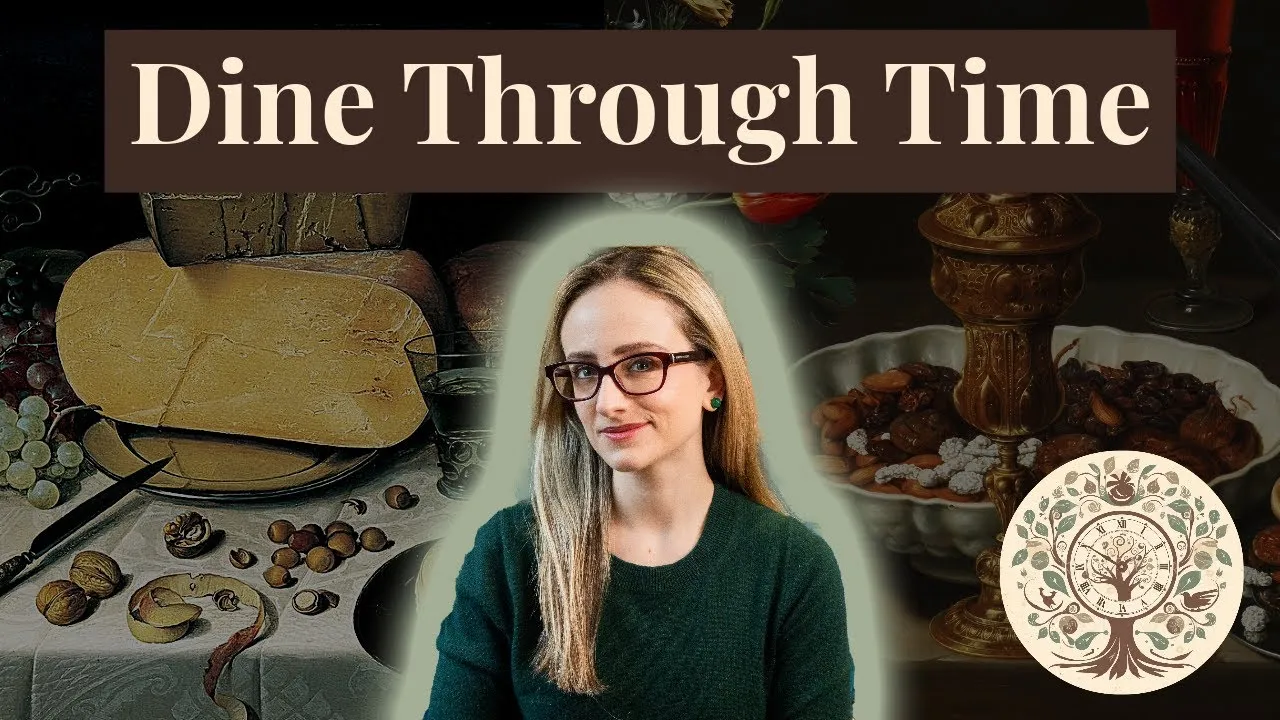
The Medicine behind food – from starters to desserts
Discover why we eat soup first and cheese last—the humoral theory and Renaissance medicine shaped our modern meal structure.
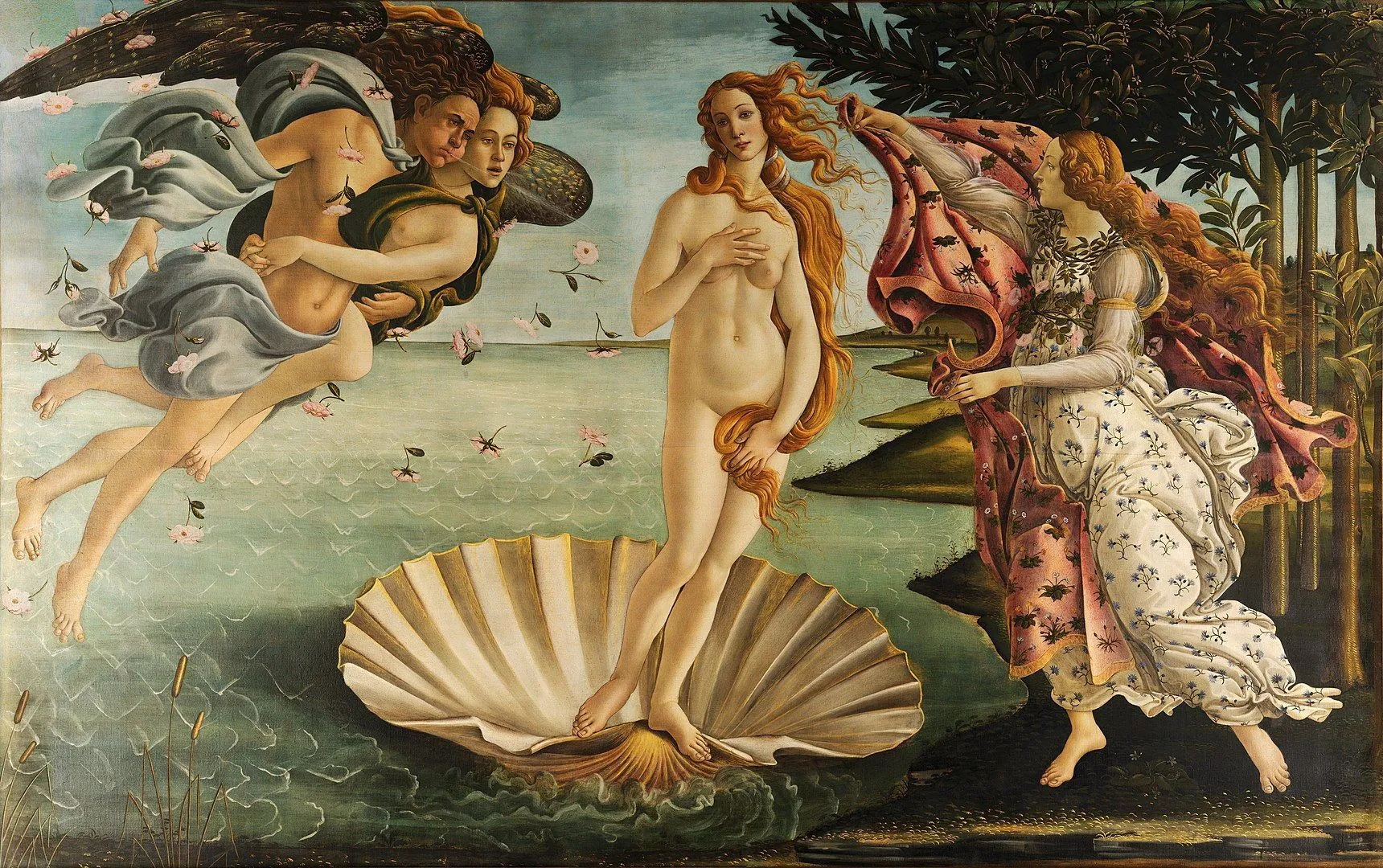
The Fascinating World of Aphrodisiacs
From oysters to artichokes—discover how early modern aphrodisiacs were believed to enhance fertility, not just pleasure, linking lust to reproduction.
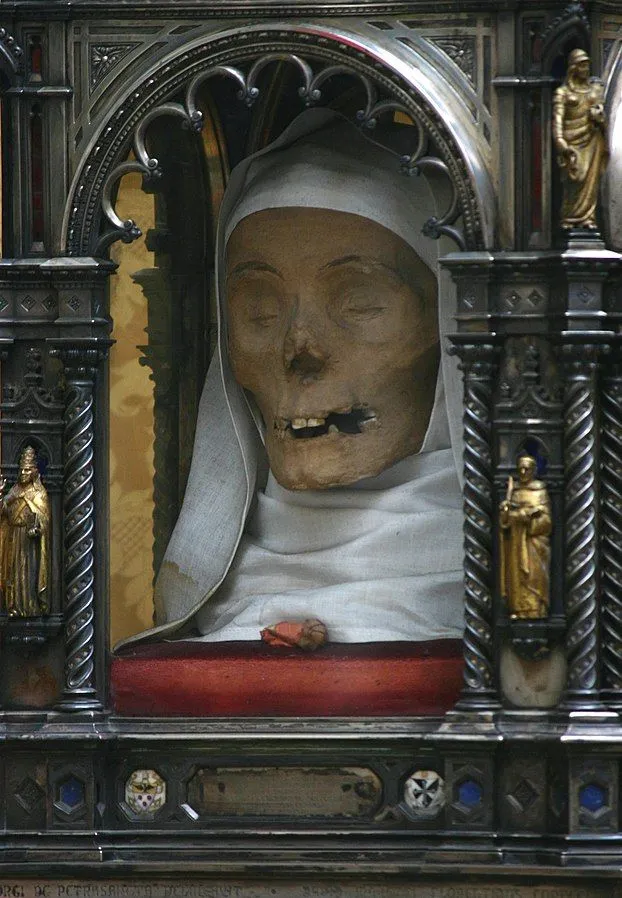
Holy Anorexia: Religious Women and Fasting
Discover 'holy anorexia'—how medieval women like St Catherine of Siena used extreme fasting as spiritual devotion, often to the point of death.
The Tiffany Problem: 10 'Modern' Things That Are Way Older Than You Think
From ancient Roman fast food to medieval almond milk—ten things that feel modern but have been around for centuries.
Hypocras: The Spiced Wine Medieval Doctors Prescribed as Medicine
Hypocras was served at royal banquets and prescribed by physicians. The history of the spiced wine that blurred the line between medicine and pleasure.
Tudor Mince Pies: A Taste of Christmas Past
Discover Tudor mince pies—filled with meat, spices, and symbolism, shaped like mangers to honor the Nativity. A recipe for Christmas past.
St Agatha: The Sicilian Martyr Honoured with Breast-Shaped Pastries
Tortured under Roman persecution for refusing marriage, Saint Agatha became one of Sicily’s most venerated saints — and inspired one of its most unusual desserts.
17th Century "Intuitive Eating": Paracelsus and Digestion
Discover how Paracelsian medicine revolutionized 17th-century diet advice, empowering people to trust their bodies over doctors' rules.
Hot Cross Buns: Discovering the Easter Treat's Rich History
From 14th-century St Albans Abbey to modern bakeries—discover the mystical origins, superstitions, and traditions behind hot cross buns.
The Medicine behind food – from starters to desserts
Discover why we eat soup first and cheese last—the humoral theory and Renaissance medicine shaped our modern meal structure.
The Fascinating World of Aphrodisiacs
From oysters to artichokes—discover how early modern aphrodisiacs were believed to enhance fertility, not just pleasure, linking lust to reproduction.
Holy Anorexia: Religious Women and Fasting
Discover 'holy anorexia'—how medieval women like St Catherine of Siena used extreme fasting as spiritual devotion, often to the point of death.