 Dr Julia Martins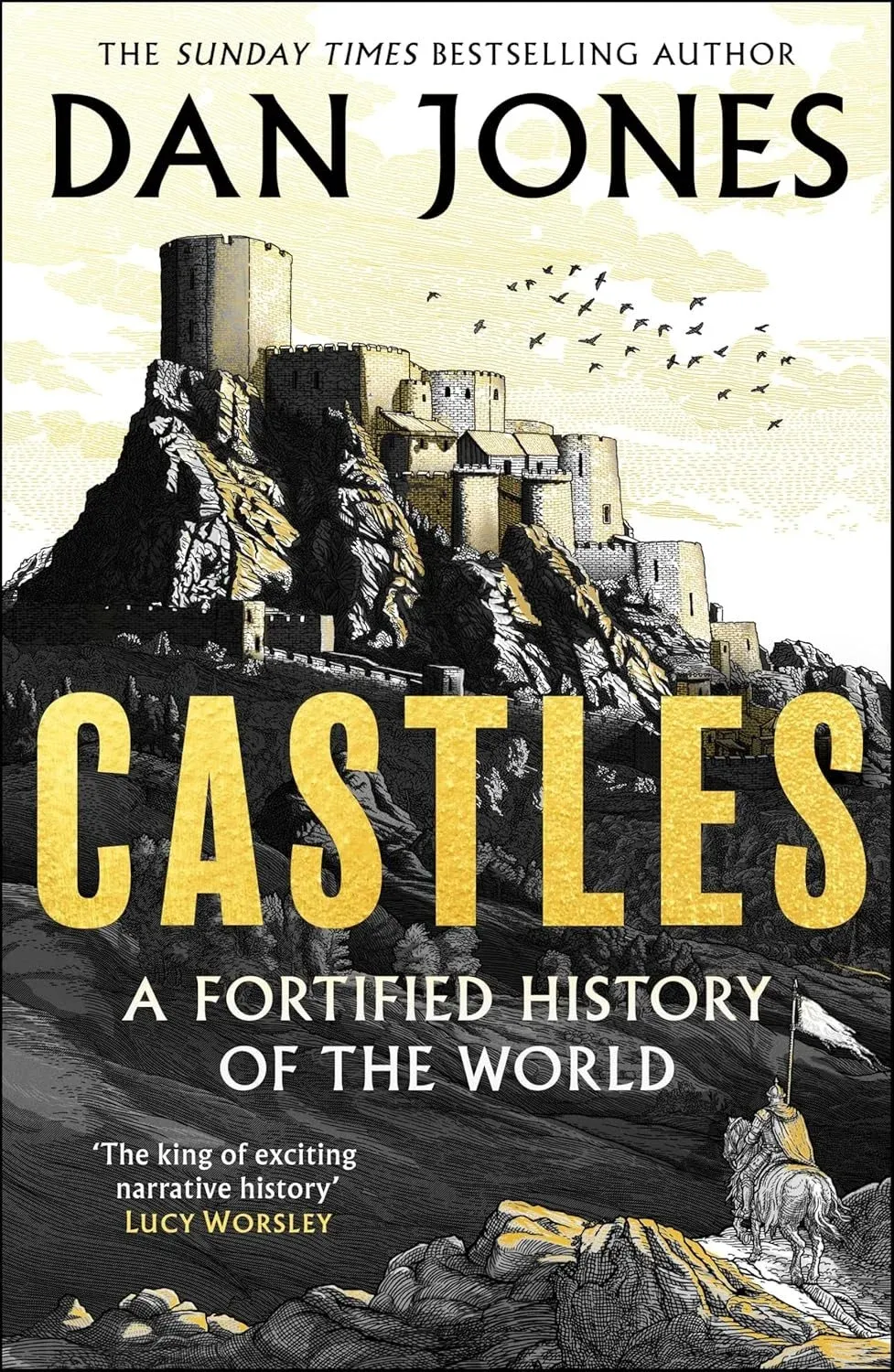
Dan Jones opens his new book, “Castles: A Fortified History of the World”, with a deceptively simple question: what is a castle? Most of us grew up drawing castles with grey crayons, and hearing stories of trapped princesses, fire-breathing dragons, and valiant knights. Picture a castle, and something like Windsor Castle springs to mind. Or Disney’s Sleeping Beauty’s Castle.
#ad #gifted
But what about the Great Wall of China, Troy, Hadrian’s Wall, Viking fortifications, or Horace Walpole’s wonderfully imaginative Strawberry Hill? How about Samurai castles or King Arthur’s Camelot? What about the beautiful Alhambra, and similar Islamic architecture? Perhaps what makes this book such an interesting read is its willingness to define “castle” broadly, to let the word breathe and include palaces, walls, villages, fortifications, and kitschy fairytale-inspired constructions.
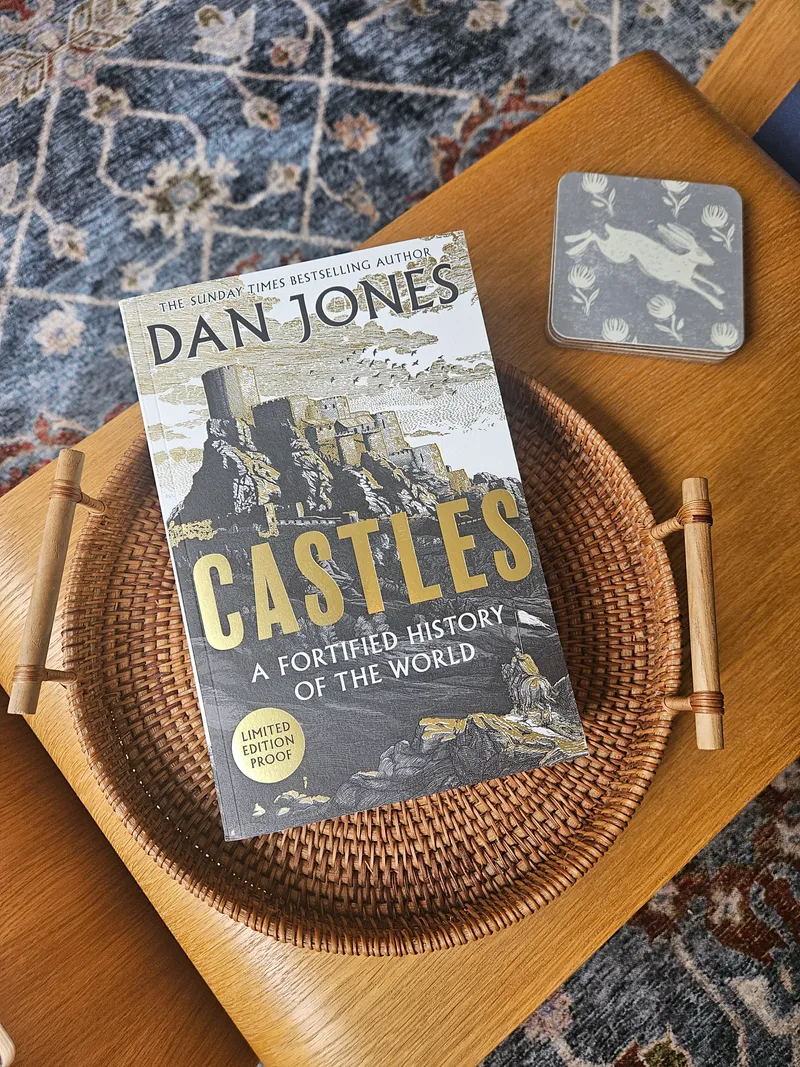
Throughout history, castles have served military, political, and symbolic purposes: defensive bulwarks, marks of conquest, statements of prestige, pleasure-palaces, prisons. They have housed kings and queens and the condemned alike. They could be austere or intricately decorated, built of wood, brick, or stone, and they could celebrate a long-lost age while reimagining it entirely. Castles are still one of the most popular tourist destinations for those interested in history - or just a fun family day out.
By embracing “castles” as containing a multitude of iterations, Jones is able to tell an incredibly rich tale, in which the castles themselves become the main characters. The people who planned and built them, lived or died within them, or destroyed them all play an important role, and many of their stories are fascinating to follow.
I loved learning more about Ludwig II of Bavaria, who, inspired by Wagner’s music and Arthurian legends, dreamt up and commissioned Neuschwanstein - which would, in turn, inspire Walt Disney. The Roman military writer Vegetius and his legacy permeate the book, although I confess I was much more interested in Christine de Pizan’s allegorical uses of castles in her writing. (And literal, too: did you know Pizan wrote a military treatise titled “The Book of Deeds of Arms and of Chivalry”?)
The book spans from Bronze Age cities and Iron Age hill forts to Renaissance star-shaped fortifications to 19th-century neo-Gothic fantasy castles, and traces how American forts in the Civil War came to symbolise the end of the age of castles - at least in a military sense. By including fortifications such as the Great Wall of China and Samurai fortifications in Japan, Jones avoids telling an Eurocentric story and expands on his work as a medievalist. (Having said that, the chapters on Norman and Crusader castles really shine.)
But, as someone who loves cultural history, my favourite parts of the book were those focused on the many symbolic meanings these fantastic buildings have acquired through time, and how people have been fascinated by them. The castle appears as a stand-in for chivalric virtue at times, but it can also convey horror (just think of Dracula’s castle). And, of course, it is difficult to imagine Gothic novels without Horace Walpole’s “The Castle of Otranto”, and his own Strawberry Hill.
Suffice it to say that this is a rich, thoroughly researched, and pleasurable read. The only downside, if you could call it that, is that you will likely be left, like me, with a long list of castles (broadly conceived) to visit.