 Dr Julia Martins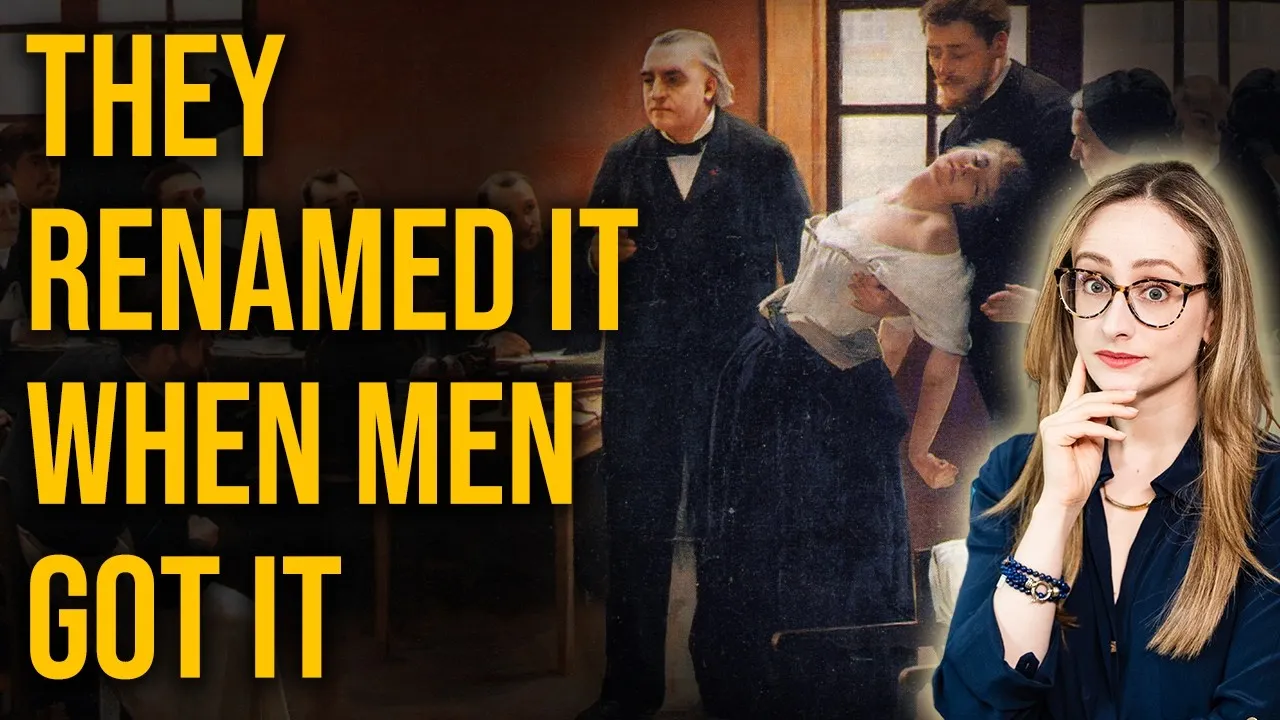
Can male doctors trust female patients? Should they? In 1880, a French doctor described his “hysterical” patients (almost all of them women) as born liars. Their “perverse nature” made them impossible to trust. They would say anything to fool their examiner:
“Nothing pleases them more than leading their examiner down the wrong path, telling absolutely false stories that don’t even qualify as embellishments of the truth […]. These big lies are stated audaciously, bluntly, in a cold-blooded manner that is completely disconcerting. A doctor who examines hysterics must always keep in mind that they want to fool him, to keep the truth from him.”
— Charles Richet, 1880
The history of
The Show
In the late 19th century, every Tuesday, crowds gathered at the Hôpital de la Salpêtrière in Paris, and they weren’t there to visit the sick, but to marvel at hysterical patients. The man running the show was
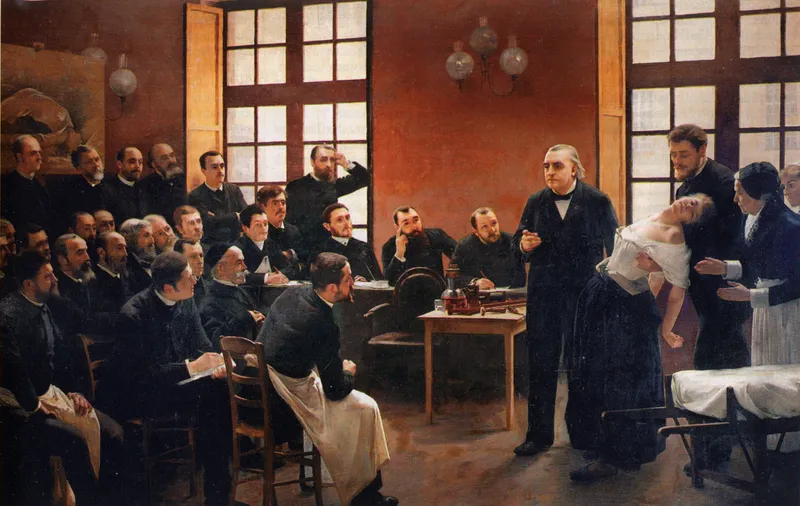
What
“It is always the same thing”,
To document all of this, Charcot’s colleagues published the Iconographie photographique de la Salpêtrière between 1876 and 1880, three volumes of photographs of women mid-attack. These were meant to be objective medical evidence, but they functioned more like a script, and the women knew it.
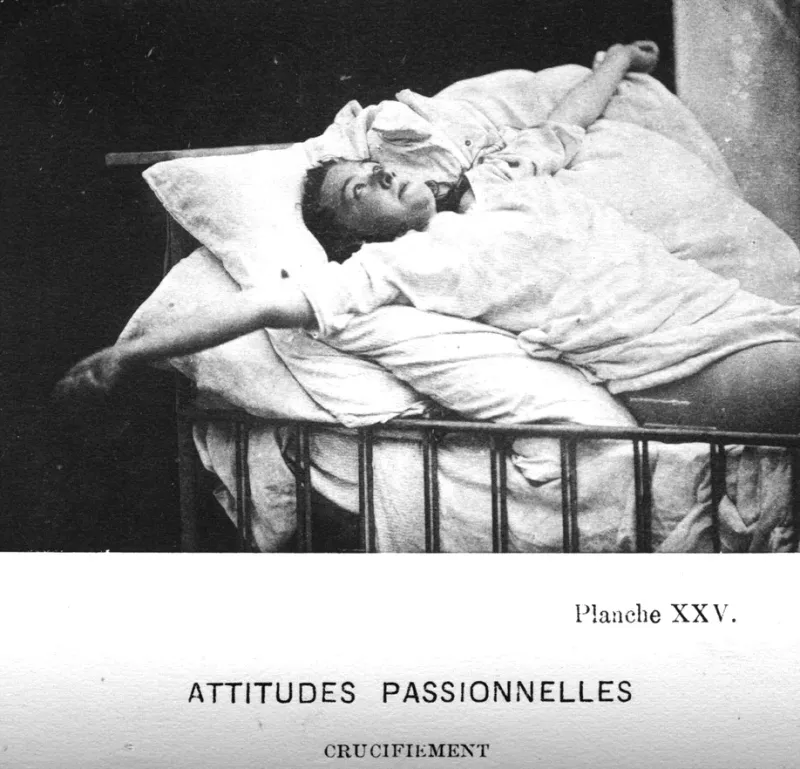
And the star performers became celebrities. Augustine arrived at the hospital in 1875, at the age of fourteen. Photographed mid-attack, her image was reproduced across three volumes of medical literature and circulated to doctors and artists and socialites across Europe. She became the archetypal image of hysterical suffering. Blanche Wittman, known as the “queen of hysterics”, could reliably reproduce the stages of hysteria on command during
The reality behind all of this was very grim. Many of these women came from backgrounds of extreme poverty, childhood abuse, and sexual trauma.
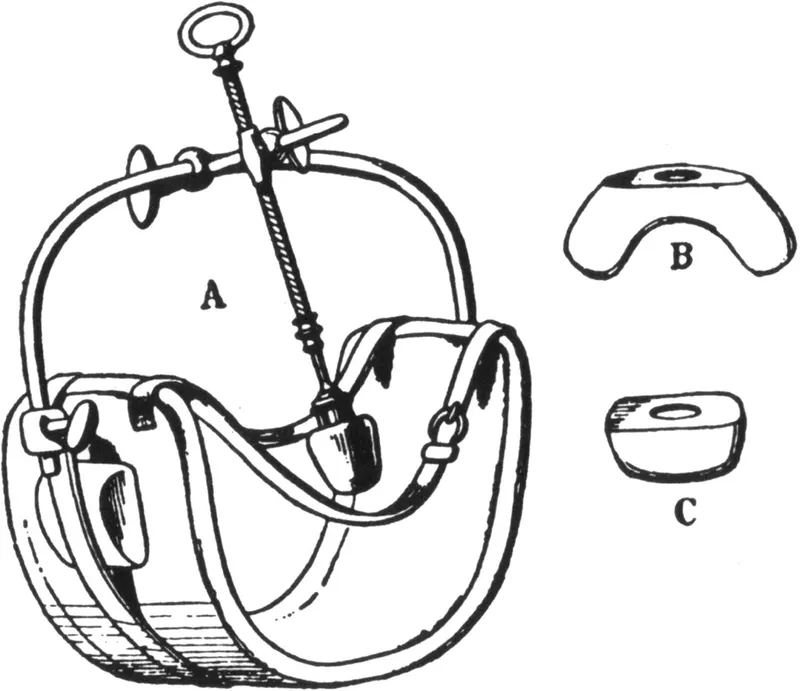
And the treatments weren’t gentle either. Believing the ovaries might be trigger points for hysterical attacks,
But
The Wandering Womb
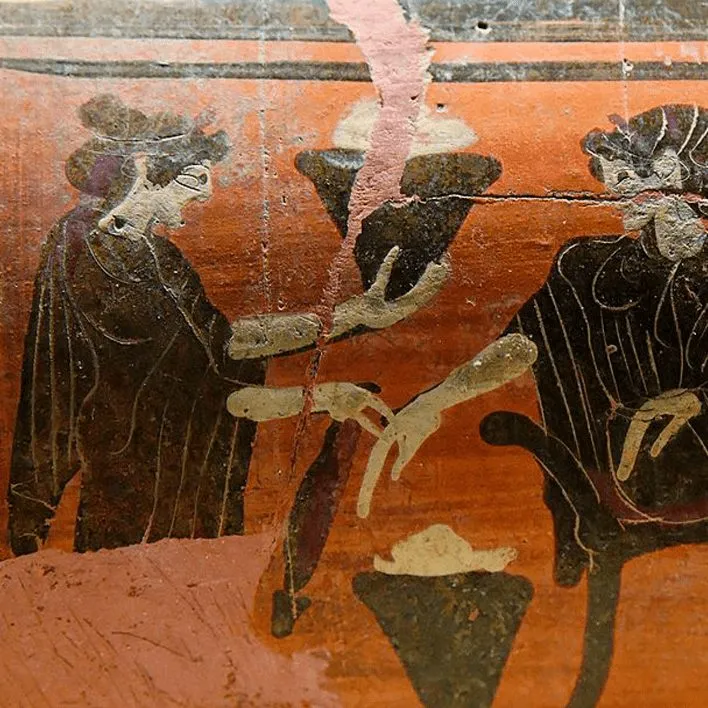
Let’s go back to where this all started. The Kahun Gynaecological Papyrus, dated to around 1825 BCE, is the oldest medical text we have that links behavioural and physical symptoms specifically to the uterus. It’s currently in the Petrie Museum at University College London, and it contains thirty-four sections on women’s health. The logic is straightforward, if a bit strange. The womb is treated as an independent creature living inside the woman’s body, capable of moving around and pressing on other organs.
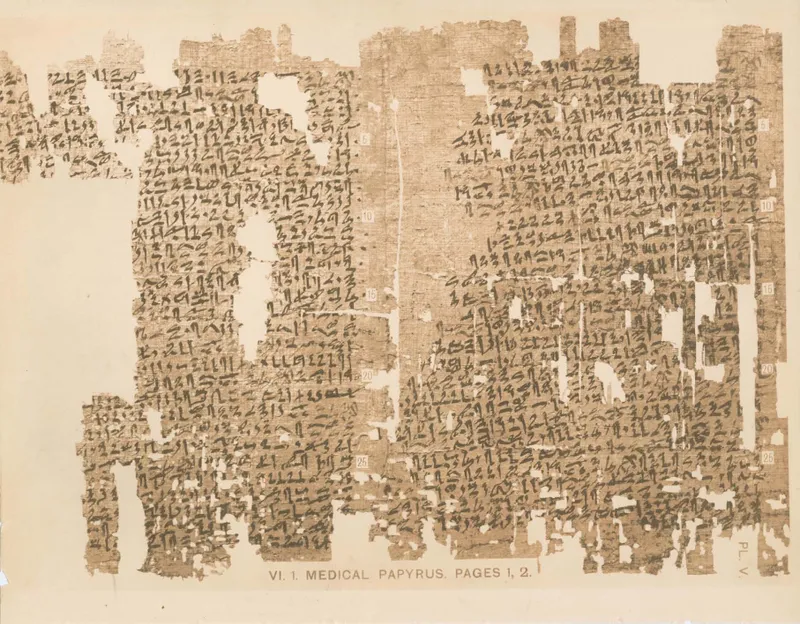
And for centuries, that idea stuck. Ancient Greek and Roman physicians argued endlessly about the details: could the womb actually move? How far? What happened when it did? But they mostly agreed on one thing: the womb was the root of the problem.
On one side, you had people who took the
On the other side, there were sceptics. As early as the third century BCE, the physician
But here’s the thing: even the doctors who rejected the wandering womb idea still blamed it for everything.
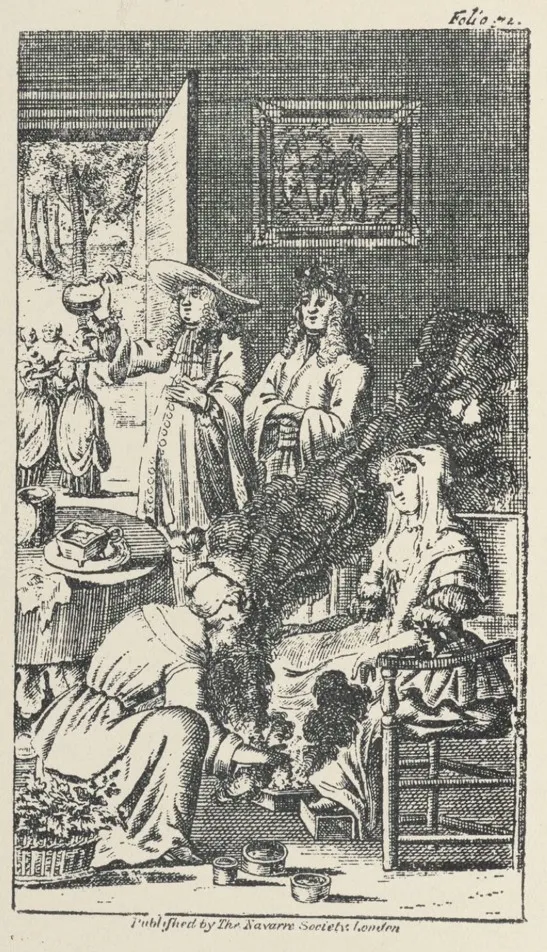
Crucially, it was believed that the womb had a sense of smell. And that was the logic behind some of these treatments. If the womb rises up the abdomen, sweet and pleasant smells near the vagina would draw it downwards, especially if you smell something foul to repulse the womb. Conversely, you could treat a prolapsed womb by smelling something nice, which would attract it upwards. Of course, this all sounds crazy, but people believed there was a deep connection between these areas. Quick Latin aside: labia means lips, and cervix means neck. The ancients saw the body as a landscape of correspondences, and that’s partly why the womb-as-animal idea made sense to them.
So, to treat a wandering womb, the papyrus recommends incense, fresh oil, and goose leg fat. One passage even mentions crocodile dung. The Greeks had similar remedies. And it’s from Greek that we get the name hysteria, from the Greek word hystera (womb). For many Hippocratics, the womb was a restless organ, and lack of sexual intercourse or pregnancy was one of several causes thought to set it moving. The resulting symptoms — anxiety, fainting, convulsions, pain — were explained as the consequences of that displacement.
Not all medical writers agreed with this theory, but the framework survived for an astonishingly long time. Although many physicians didn’t think the womb could move, they agreed that it could cause lots of issues, and many of these ancient remedies survived during the medieval period. The key early modern articulation came from the French surgeon
Now, I mentioned at the start that the story we tell about hysteria is itself a construction. The historian Helen King, who has done brilliant work on this, pointed out something that changes the whole picture. This neat, continuous “four-thousand-year history of hysteria” is largely a modern invention. Ancient Greek doctors didn’t actually use a single unified concept of hysteria. They disagreed about which women were most susceptible to health problems, what the symptoms meant, and how to treat them. What happened is that later doctors, including
But even if the unified concept was partly invented, the real-world impact was not. Medicine reflected culture, it legitimised social norms, especially that the female body should be controlled and managed. In the 19th century, doctors were still diagnosing women with hysteria using frameworks that were basically Hippocratic, two thousand years later. Not to mention the hysterics in Paris being “treated” by
The concept of hysteria was a construction based on wrong ideas, such as the wandering womb, and the myth that women were ruled by their female bodies, naturally inferior to male bodies, according to
When “Hysteria” Became Witchcraft
By the Renaissance, something had shifted. The legacy of the “wandering womb” survived in medical texts, coexisting with contradictory theories and new finds. The possibility of suffering from “diseases of women” was increasingly used as a way to control women’s bodies (again, frequent sexual activity, with your husband obviously, and pregnancies were encouraged as ways of staying healthy). But in the early modern period, the symptoms that had been explained by wandering wombs and blocked fluids increasingly started being explained by something else: the devil. Women who convulsed, who fell into trances, who saw things that weren’t there, who spoke in ways that didn’t make sense — these women weren’t sick. They were possessed. Or worse, they were witches. And the consequences were lethal. Women were exorcised, confined, and, in many cases, prosecuted and executed. The medical framework that had at least attempted to treat these symptoms, however badly, was replaced by a theological one that punished them.
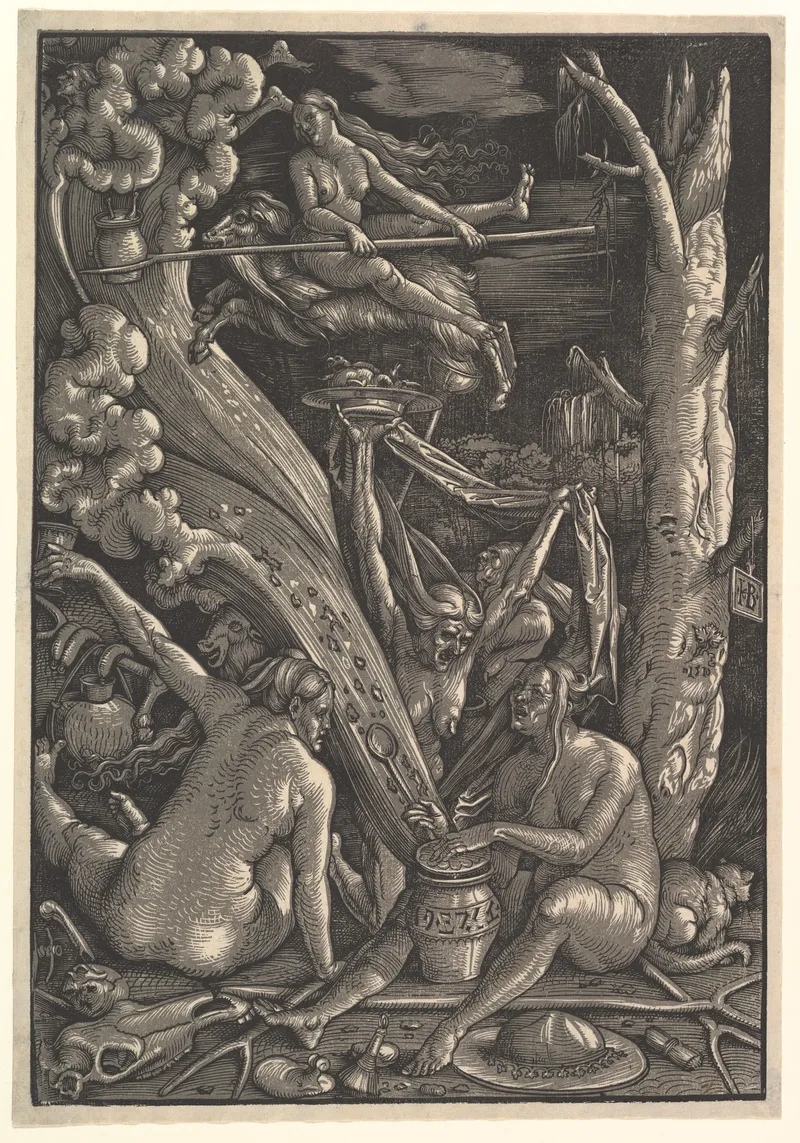
Something important here often gets overlooked. The historian Monica Green has shown that male authority over women’s medicine was not a sudden 16th-century development; it had been gradually established since the medieval period, as university-trained physicians absorbed gynaecological knowledge into academic curricula and female practitioners were progressively sidelined. By the early modern period, that process was well advanced. As male physicians further consolidated their authority over women’s bodies, often with more institutional standing than practical experience, a gap opened up. That gap was filled, in part, by supernatural explanations. If you can’t explain what’s happening to a woman’s body, it might become easier to blame the devil.
Women who convulsed during what we might now recognise as seizures, or who fell into dissociative states, or who exhibited symptoms of trauma, were put on trial. The line between “sick woman” and “witch” was terrifyingly thin, and it depended largely on whether a physician or a clergyman got to her first. And remember — one of the main things “witches” were accused of was sabotaging others’ fertility, especially if the “witch” in question was an older woman, past her childbearing days. Witches were accused of making men impotent, of killing babies, of causing miscarriages. (You can find all of this in the infamous
Perhaps the best example of this overlap is the case of Mary Glover, a 14-year-old girl who had been verbally abused by an elderly neighbour, Elizabeth Jackson, and who, after that, started to suffer from “fits” several times a day. She also suffered from blindness, swellings, and paralysis; she was described as looking “possessed”. Was she possessed by the devil? Had she been bewitched? The old woman was accused of witchcraft. But that wasn’t the end of it. What if instead of bewitched, Mary was suffering from hysteria?
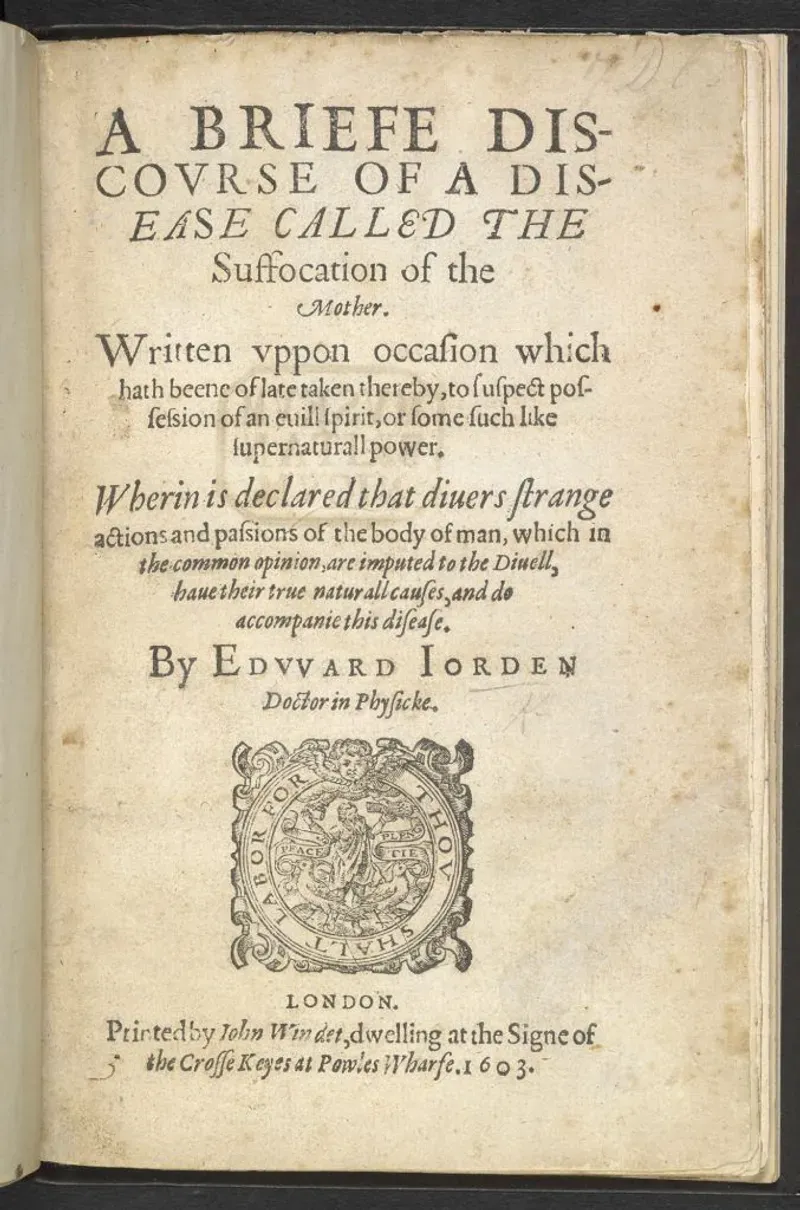
Following the case, an English physician named
“This disease is called by diverse names amongst our Authors, Passio Hysterica, Suffocatio, Praefocatio, and Strangulatus uteri, Caducus Matricis, &c. In English the Mother, or the suffocation of the Mother, because most commonly it takes them with choaking in the throat: and it is an affect of the Mother or wombe wherein the principall parts of the bodie by consent do suffer diversely according to the diversitie of the causes and diseases wherewith the matrix is offended.”
—
, Edward Jorden (1603) A Briefe Discourse of a Disease called the Suffocation of the Mother
This was a brave argument to make in 1603. Jorden was providing a potential medical and legal defence for women accused of witchcraft. But the irony is that by reclaiming these symptoms for medicine, he also kept them firmly attached to the female body. And this was the first text in English that started to formalise what would become known as hysteria, a very broad term covering lots of different symptoms (though Jorden argued, like the ancient Greeks, that the “cure” to most issues was marriage and motherhood). The womb was still the culprit. And any woman could be at risk.
In 1682, the English physician
There’s a lot to say here, especially about how the “nerves” took over in terms of how the body was understood, especially for women, from the 18th century onwards. By the 19th century, hysteria was still an umbrella term covering lots of different things. But for most physicians, the focus was still on the body, even if they debated whether hysteria was connected to the reproductive organs or the nervous system, or indeed both. It took another two centuries from Jorden, and one very unusual patient, for someone to ask: what if it’s in the mind?
The Talking Cure
In 1880, a young Viennese woman named
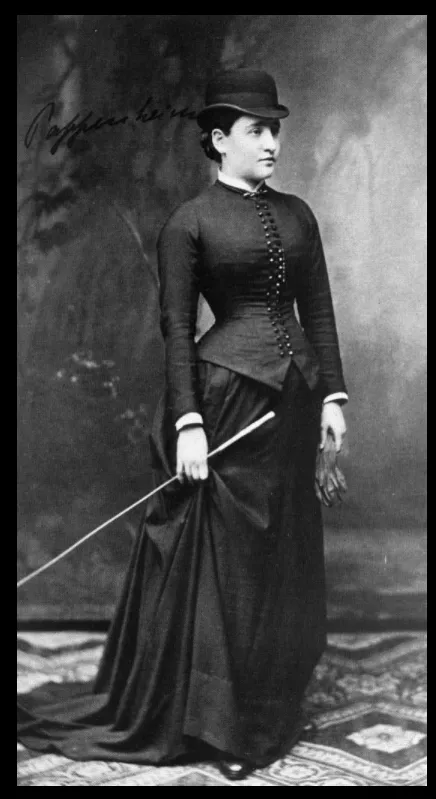
Her physician,

In 1895,
“[A symptom would disappear] when we had succeeded in bringing clearly to light the memory of the event by which it was provoked and in arousing its accompanying affect, and when the patient had described that event in the greatest possible detail and had put the affect into words.”
—
and Freud , Breuer (1895) Studies on Hysteria
But simply remembering wasn’t enough:
“Recollection without affect almost invariably produces no result.”
You had to feel it. The trapped emotional energy had to be released through speech.
The published version of this case reads like a triumph. But the reality was messier. After her treatment with
But what I find most interesting about
His Hysteria, Her Hysteria
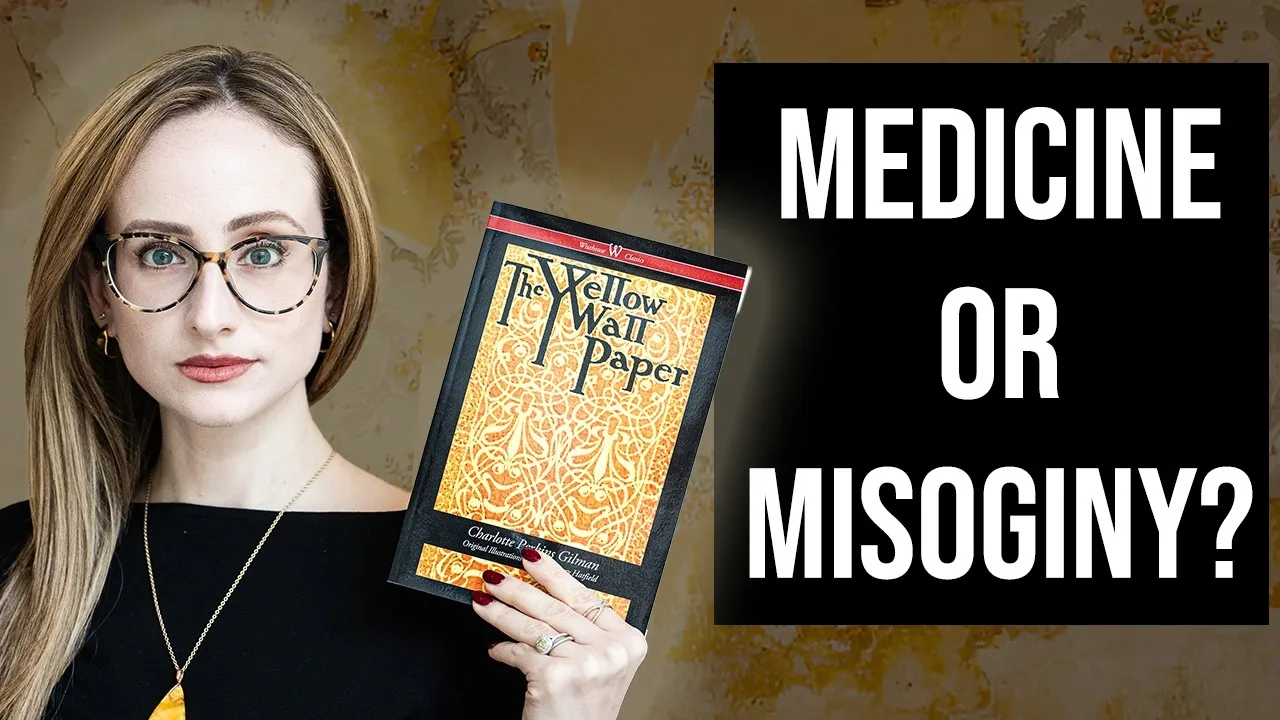
The double standard in this story is so blatant it’s absolutely enraging. Hysteria is a gendered disease — I’ve been talking about women since the beginning of this article. Let’s go back to the novelist
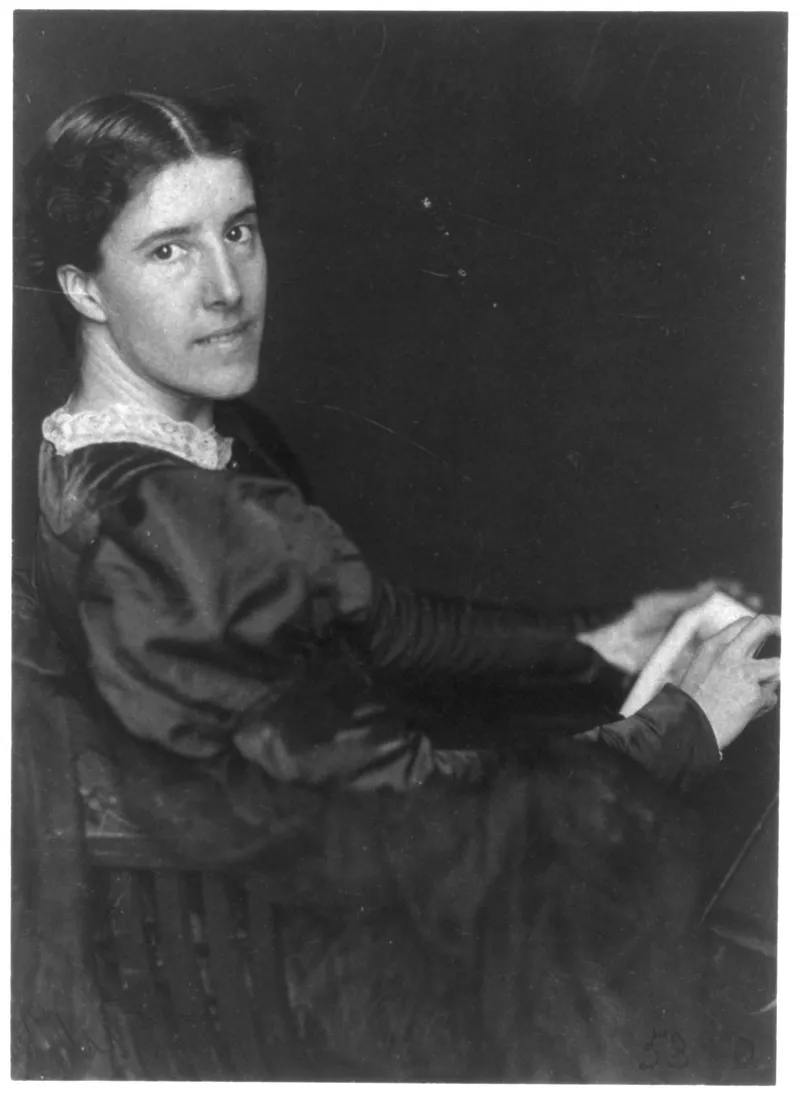
In the late 19th century, this neurologist had developed what he called the
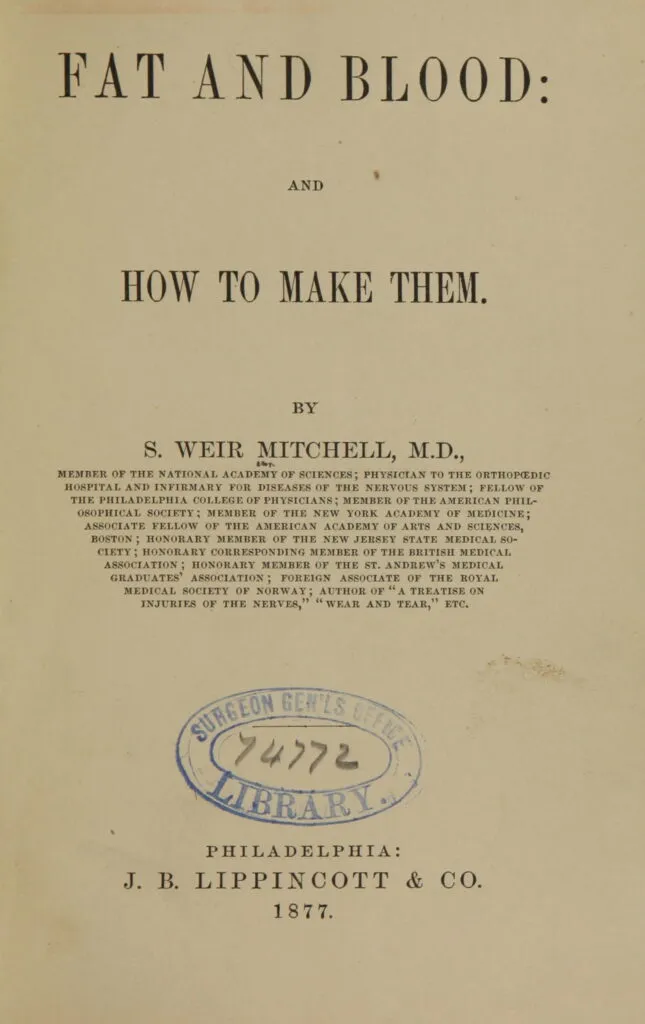
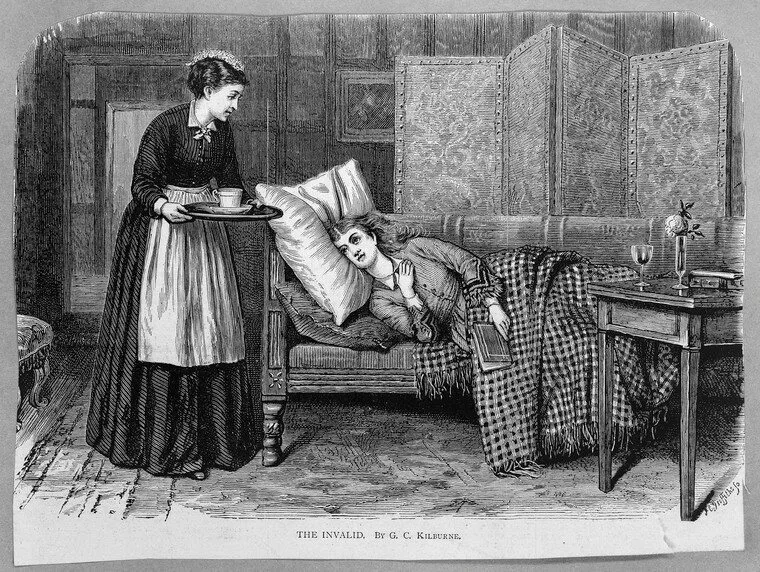
“It is the same woman, I know, for she is always creeping, and most women do not creep by daylight.”
—
, Charlotte Perkins Gilman (1892) The Yellow Wallpaper
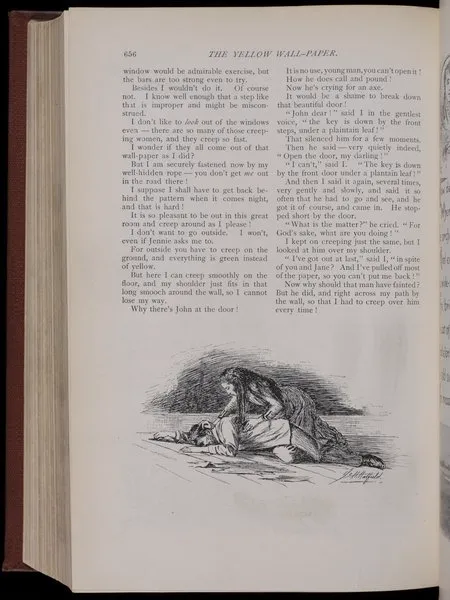
If you want to understand what 19th-century medical misogyny looked like from the inside, read that story.
Meanwhile, men with the exact same symptoms were sent to rope cattle in Wyoming. When men, specifically middle- and upper-class men, exhibited the same symptoms of anxiety, insomnia, and depression, they weren’t prescribed bed rest and isolation. They were prescribed the “West Cure”. The neurologist
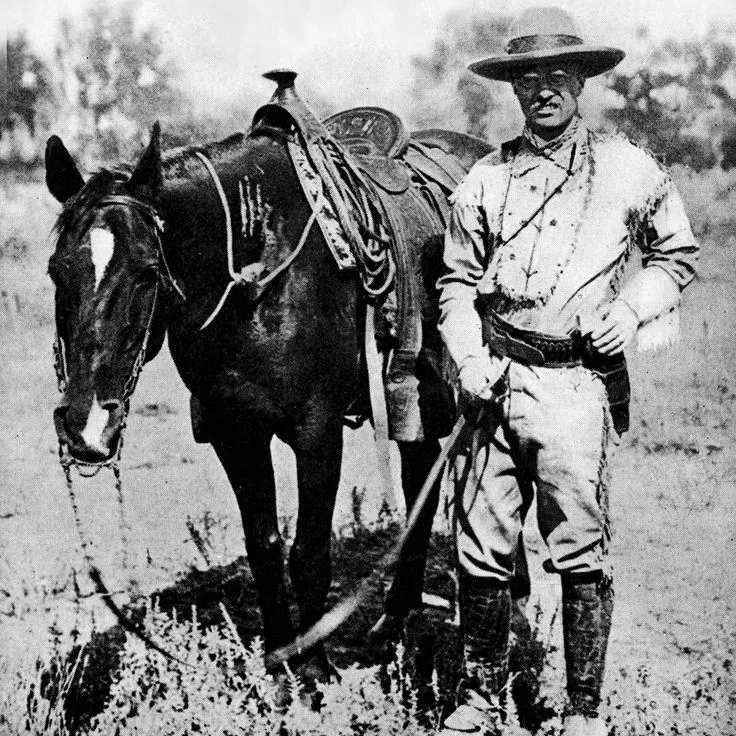
The historian Elaine Showalter, in her 1985 book The Female Malady, put it plainly:
“Even when both men and women had similar symptoms of mental disorder, psychiatry differentiated between an English malady, associated with the intellectual and economic pressures on highly civilized men, and a female malady, associated with the sexuality and essential nature of women.”
— Elaine Showalter, The Female Malady (1985)
Same symptoms, but the treatment depended entirely on your gender.
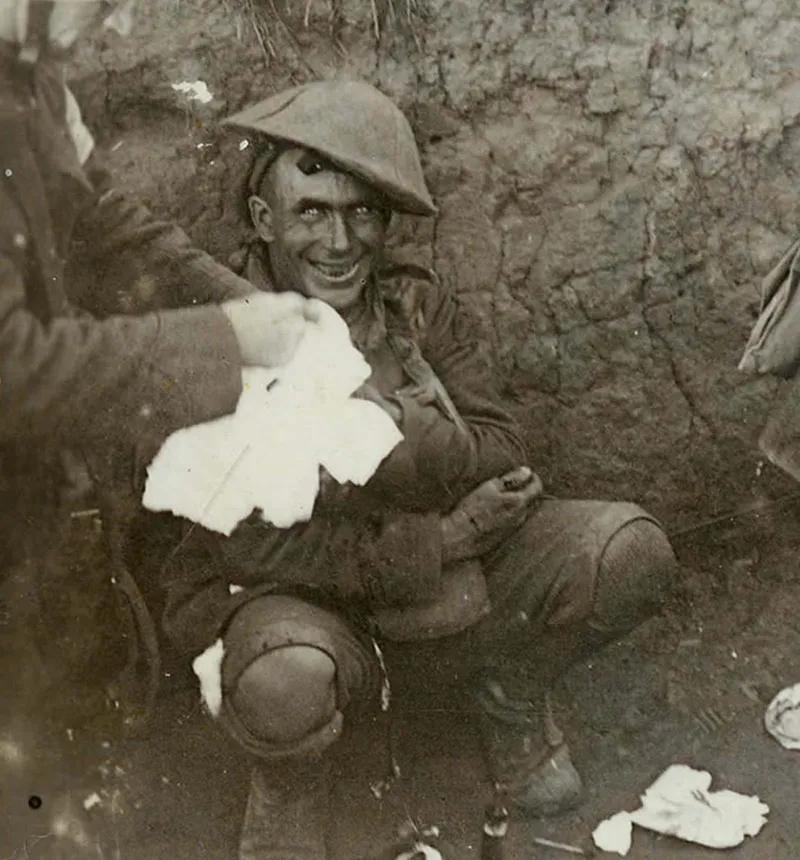
And then came the war. During the First World War, thousands of soldiers returned from the front lines with symptoms that were, by any clinical measure, identical to
But you couldn’t call it hysteria. These were soldiers. Heroes. Men. The belief that men and women were fundamentally, biologically different was so deep that psychiatry and neurology couldn’t bring themselves to apply the “female malady” to men who had fought for their country.
So they renamed it. In February 1915,
The bitter irony is that decades earlier,
The Death of a Diagnosis
As the 20th century progressed, hysteria began to fall apart, fortunately. And it wasn’t one thing that killed it — it was several, happening at once.
First, neurology was getting better. Doctors could now distinguish epilepsy, brain tumours, and neurosyphilis from the vague constellation of symptoms that had been lumped under “hysteria” for centuries. The more precise medicine became, the less room there was for a catch-all diagnosis like hysteria.
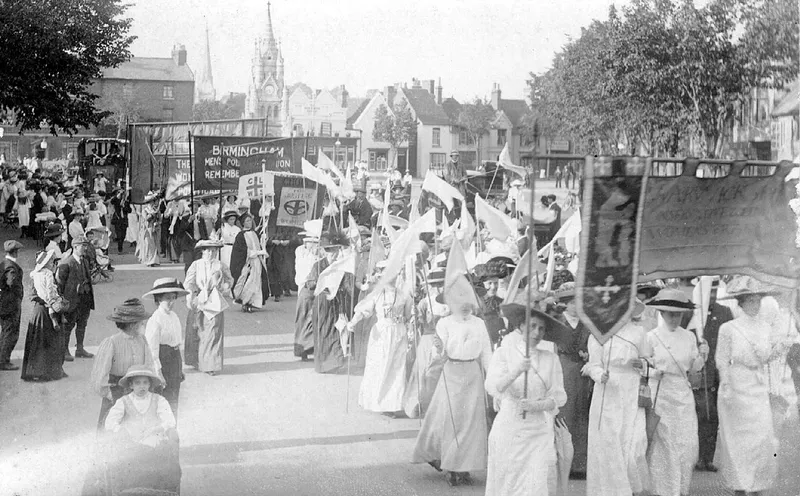
Second, feminism. The first and second feminist waves were challenging the frameworks that had pathologised women’s bodies and life choices for so long. Choosing not to marry or have children was no longer, in itself, a symptom of anything wrong with you. And women were increasingly in a position to push back against doctors who told them otherwise. Also, with women re-entering the world of medicine in the late 19th century, there were now increasingly more educated critics of these labels and advocates for women’s rights and agency where their bodies were concerned.
But before hysteria disappeared as a diagnosis in the 20th century, it had one last act of medical violence to perform: unnecessary surgeries. In the 1870s, the American surgeon
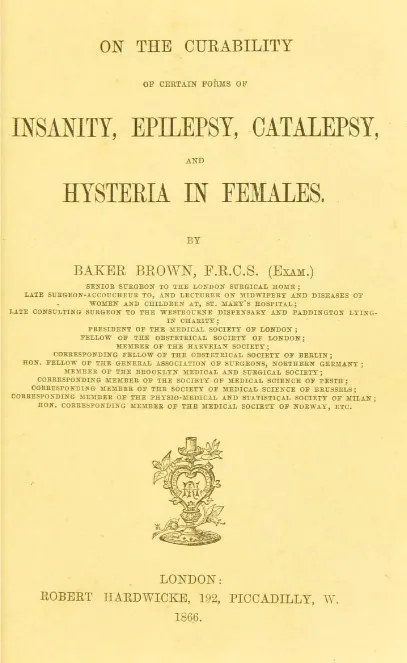
Similarly, clitoridectomy, or the removal of the clitoris, was recommended (and indeed practised for a short period) by the English gynaecologist and surgeon
Those surgeries were horrifyingly real. But there’s another story you might have heard about Victorian doctors and hysteria that isn’t. You might have heard the claim that doctors routinely used vibrators on hysterical women to induce “hysterical paroxysm”, and that the electromechanical vibrator was invented as a clinical labour-saving device. This comes from Rachel Maines’s 1999 book The Technology of Orgasm. It’s a great story. It’s also not true. Other historians went back and checked her sources, and the evidence wasn’t there. Historians now treat this as a modern myth, one that says more about our own assumptions about the Victorians than about Victorian medical practice.
In 1980, the American Psychiatric Association published the third edition of the Diagnostic and Statistical Manual of Mental Disorders, the DSM-III. And hysteria was permanently extinguished. The sprawling catch-all diagnosis was broken up into smaller, more specific categories: conversion disorder, for neurological symptoms without an organic cause; dissociative disorders, for disruptions in memory or identity; histrionic personality disorder, for “excessive emotionality”. The hysteria umbrella was folded up and put away.

But the word itself survived. And that might be the most telling part of this whole story. “Hysterical” is still used, casually and constantly, to dismiss women who are angry, upset, or simply inconvenient. The diagnosis is gone, but the reflex isn’t.
Final Thoughts
If you’ve read my article on green sickness, you’ll recognise a pattern here.
And yes, this is a catalogue of medical errors. But it’s more than that. In every era, what the mirror reflected back was what that society feared most about women. In antiquity, it was the uncontrollable female body. In the medieval period, it was women’s “lustful” nature. In early modern Europe, it was the devil working through women. In the 19th century, it was female sexuality and independence. And in every case, the “cure” was the same: put women back in their place.
The quote I started this article with, of a doctor saying that the urge to lie was typical of patients suffering from hysteria, shows how women in pain were dismissed as liars by the men treating them. And we know this attitude didn’t die with the Victorians. Women are still more likely to be offered antidepressants than pain medication; “women’s pain is much more likely to be seen as having an emotional or psychological cause, rather than a bodily or biological one”, as historian Elinor Cleghorn (and many others) have shown.
We don’t diagnose hysteria anymore. But we still call women hysterical. And medical misogyny is alive and well. A 1990 study by Karen Calderone, published in Sex Roles, found that women were significantly more likely than men to be given sedatives rather than pain medication after surgery, their pain attributed to emotional distress rather than physical need. The word outlasted the diagnosis by decades. It’s still going.
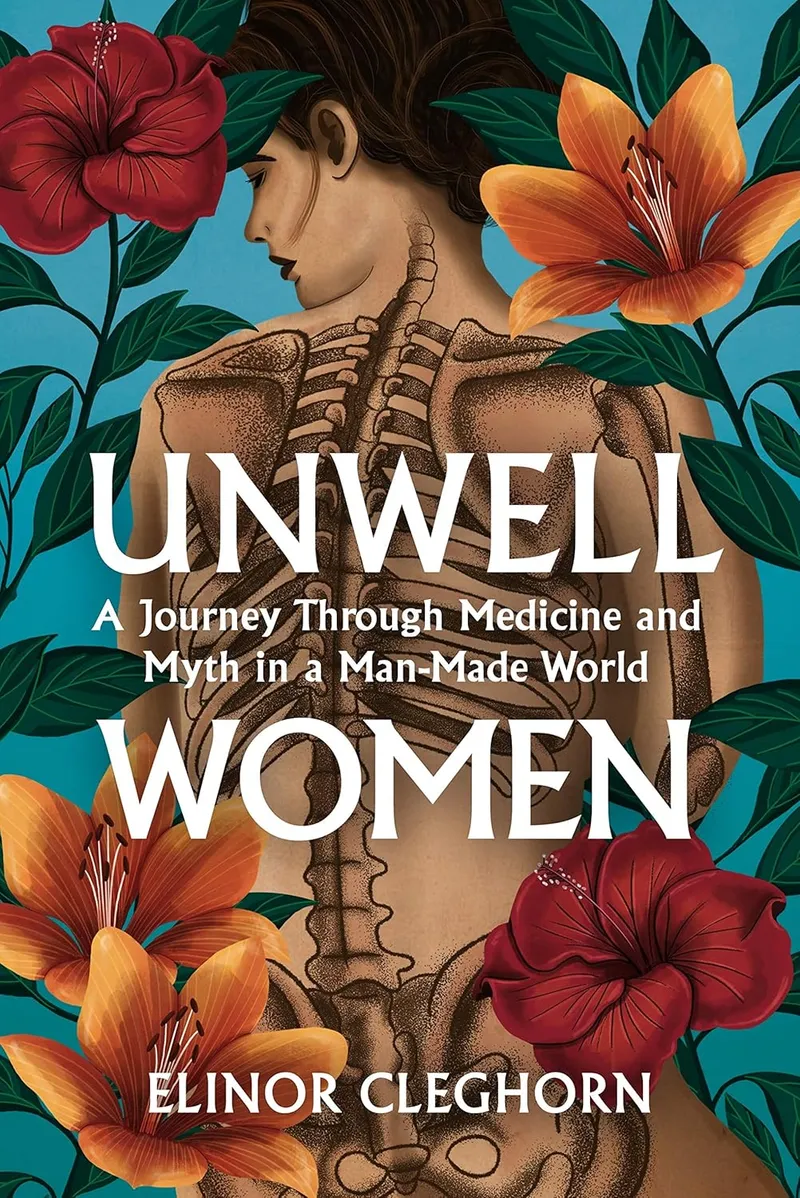
As for the doctors who popularised hysteria, connecting the increasingly popular label of “hysterical” to
As Elinor Cleghorn writes: “When our pain is deemed unworthy of medical attention, and our right to have our pain relieved is withheld from us, our agency and autonomy over our bodies is denied.”
With thanks to Alison Klairmont Lingo for her careful reading and scholarly comments.
References:
Ambroise Paré, On Generation (1573).
Pragya Agarwal, Hysterical: Exploding the Myth of Gendered Emotions (Edinburgh, 2022).
Sabine Arnaud, On Hysteria: The Invention of a Medical Category between 1670 and 1820 (Chicago, 2015).
Isaac Baker Brown, On the Curability of Certain Forms of Insanity, Epilepsy, Catalepsy and Hysteria in Females (London, 1866).
D.-M. Bourneville and P. Regnard, Iconographie photographique de la Salpêtrière, 3 vols (Paris, 1876–1880).
Karen Calderone, “The Influence of Gender on the Frequency of Pain and Sedative Medication Administered to Postoperative Patients,” Sex Roles 23 (1990): 713–25.
Elinor Cleghorn, Unwell Women: A Journey Through Medicine and Myth in a Man-Made World (London, 2021).
Georges Didi-Huberman, Invention of Hysteria: Charcot and the Photographic Iconography of the Salpêtrière (Cambridge, MA, 2003).
Sigmund Freud and Josef Breuer, Studies on Hysteria (1895).
Charlotte Perkins Gilman, The Yellow Wallpaper (1892).
Monica H. Green, Making Women’s Medicine Masculine: The Rise of Male Authority in Pre-Modern Gynaecology (Oxford, 2008).
Charlotte Perkins Gilman, “Why I Wrote The Yellow Wallpaper,” The Forerunner (October 1913).
Hippocrates, Diseases of Women, edited and translated by Paul Potter (Cambridge, MA, 2018).
Asti Hustvedt, Medical Muses: Hysteria in Nineteenth-Century Paris (New York, 2011).
Edward Jorden, A Briefe Discourse of a Disease called the Suffocation of the Mother (London, 1603).
Helen King, Hippocrates’ Woman: Reading the Female Body in Ancient Greece (New York, 1998).
Helen King, “Once upon a text: Hysteria from Hippocrates”, in Sander Gilman et al., Hysteria Beyond Freud (Berkeley, 1993).
Jean Liébault, Trois livres appartenant aux infirmitez et maladies des femmes (Lyon, 1582).
Hallie Lieberman and Eric Schatzberg, “A Failure of Academic Quality Control: The Technology of Orgasm,” Journal of Positive Sexuality 4(2), 2018.
Michael MacDonald, Witchcraft and Hysteria in Elizabethan London (London, 1991).
Mark S. Micale, Hysterical Men: The Hidden History of Male Nervous Illness (Cambridge, MA, 2008).
Charles Myers, “A Contribution to the Study of Shell Shock,” The Lancet 1 (1915): 316–20.
Andrew Scull, Hysteria: The Disturbing History (Oxford, 2009).
Elaine Showalter, The Female Malady: Women, Madness, and English Culture, 1830–1980 (New York, 1985).
Thomas Sydenham, Dissertatio Epistolaris (1682).
Stephen Quirke, Lahun, Kahun and Gurob (London, 1998); Kahun Gynaecological Papyrus (c. 1825 BCE), Petrie Museum, UCL (ref. UC 32057).
Thomas Willis, An Essay of the Pathology of the Brain and Nervous Stock (London, 1681).