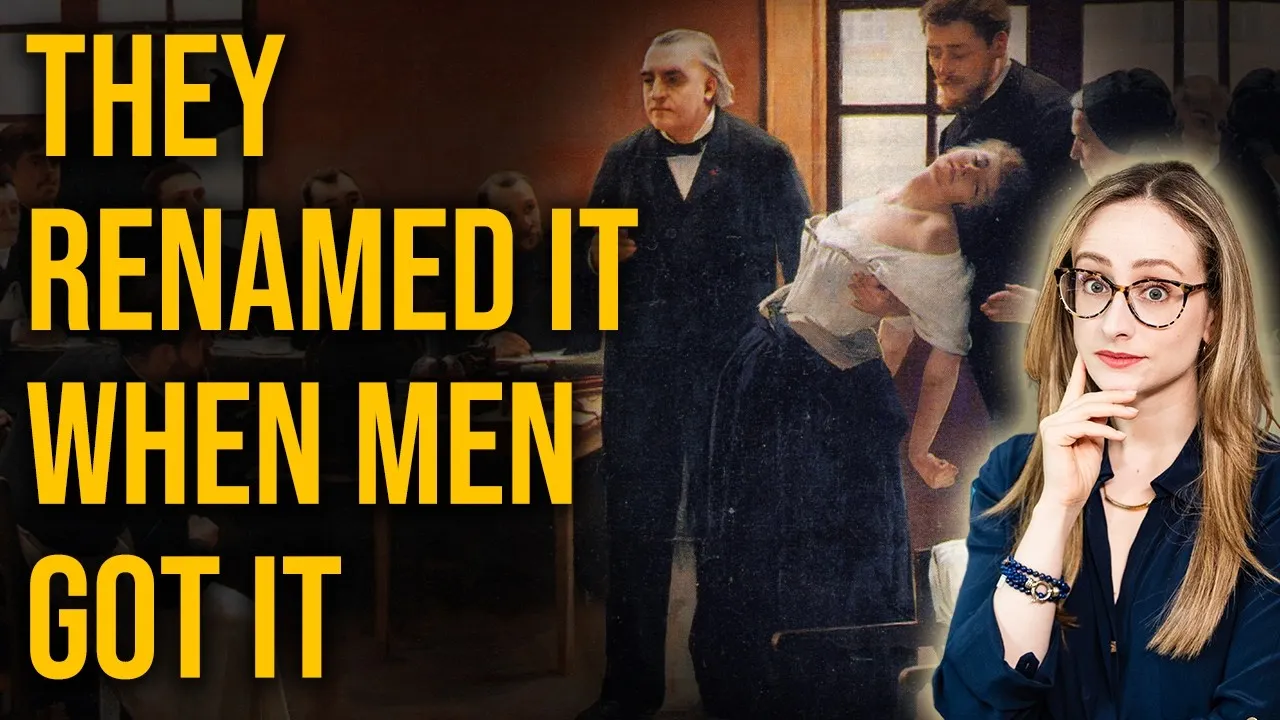
The History of Hysteria: Medical Misogyny in a Nutshell
From wandering wombs to shell shock: how medicine kept finding new words for what it could not explain about women.

Prince Rupert's Dog: The 400-Year-Old Propaganda Hoax That Fooled Everyone
The story of Prince Rupert's poodle 'Boy' being feared as a devil by Parliamentarians is a myth — created by Royalist propagandists as a joke that spectacularly backfired.
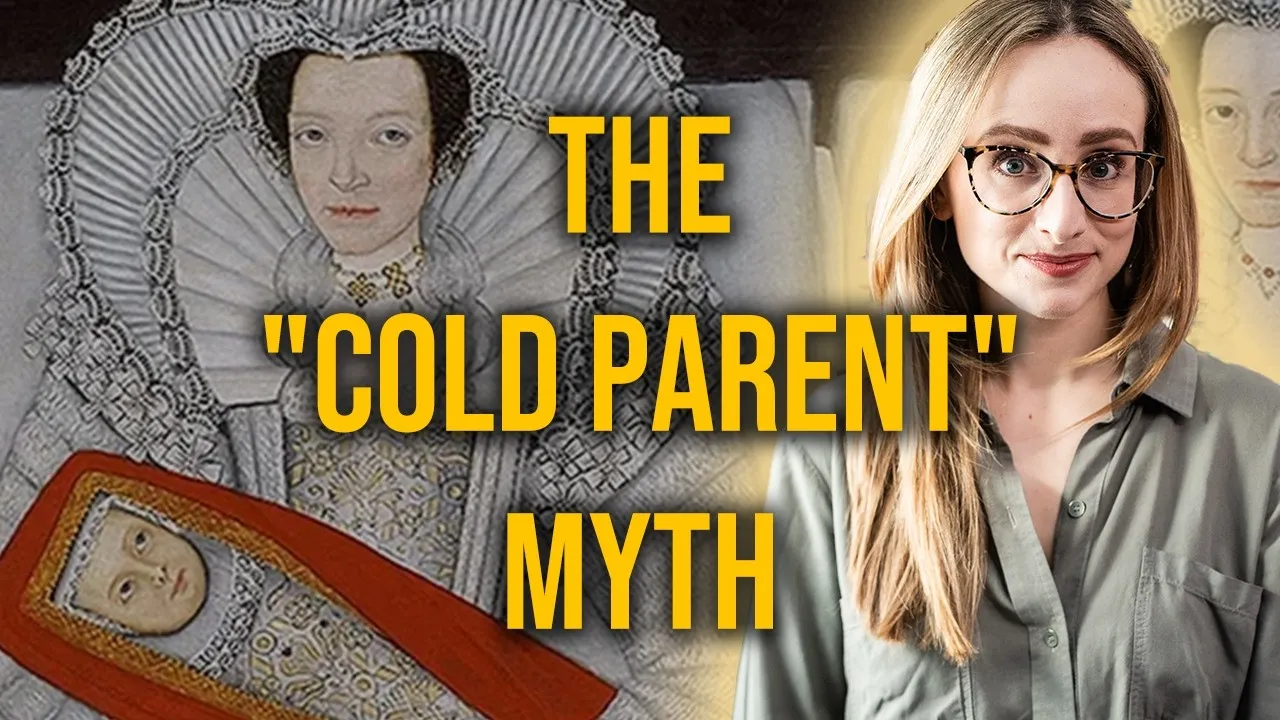
What Hamnet Gets Right (And Historians Got Wrong)
Did parents in the past love their children? Explore the historical debate on parental love and grief that Hamnet brings to life so powerfully.
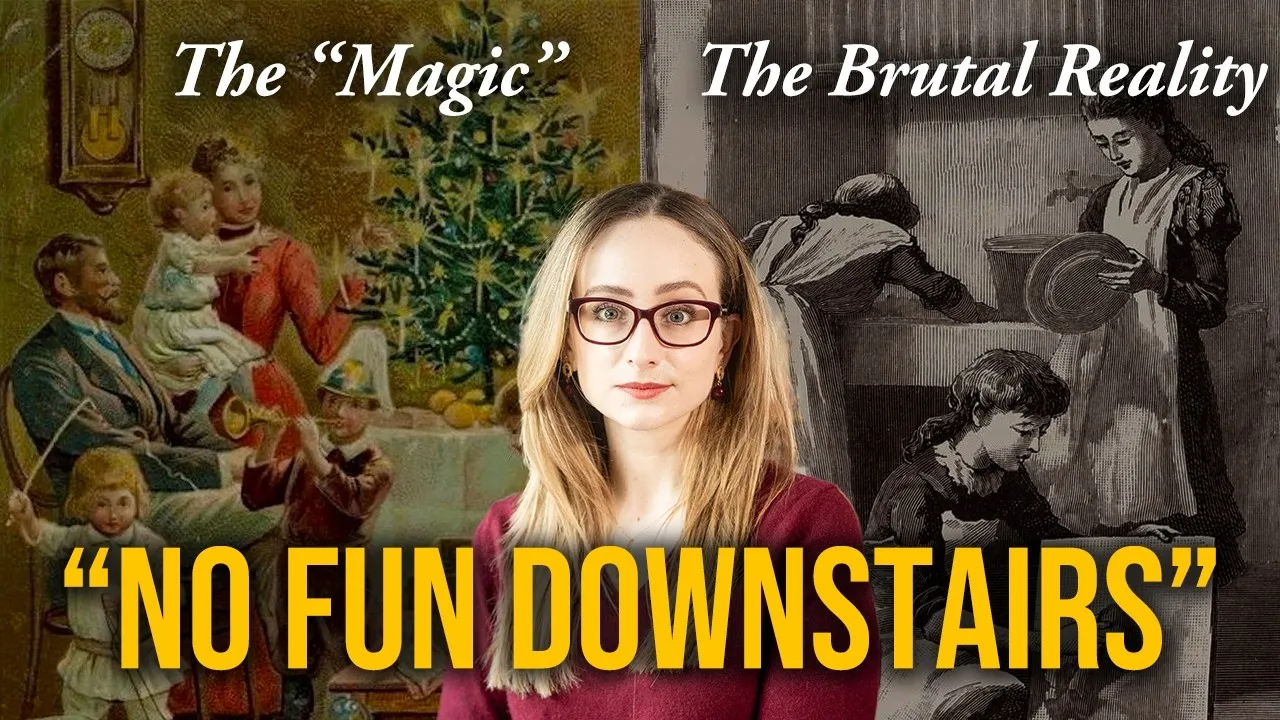
Below Stairs at Christmas: A Victorian Servant Speaks
Read Hannah Cullwick's 1863 diary—a Victorian maid-of-all-work reveals the exhausting reality of Christmas below stairs.
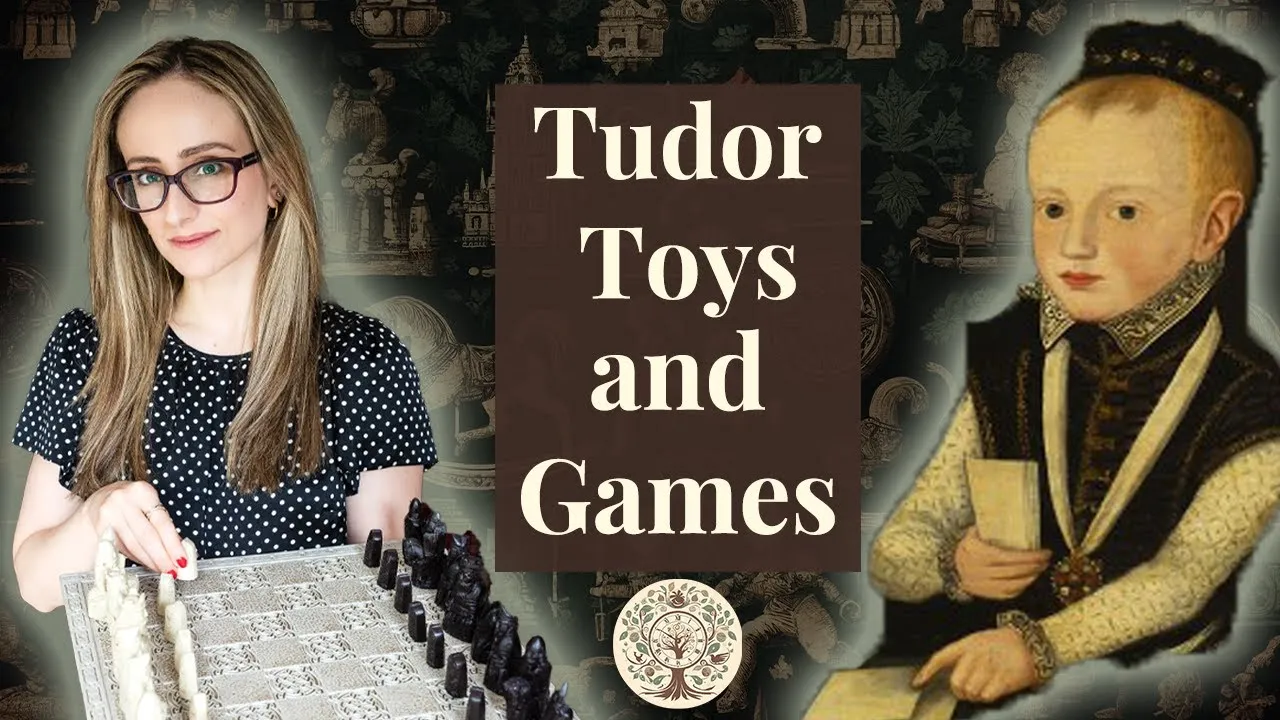
Playtime in Tudor England: Toys, Games, and Childhood
From wooden dolls to hobby horses and brutal games—discover how Tudor children played, learned, and grew up in 16th-century England.
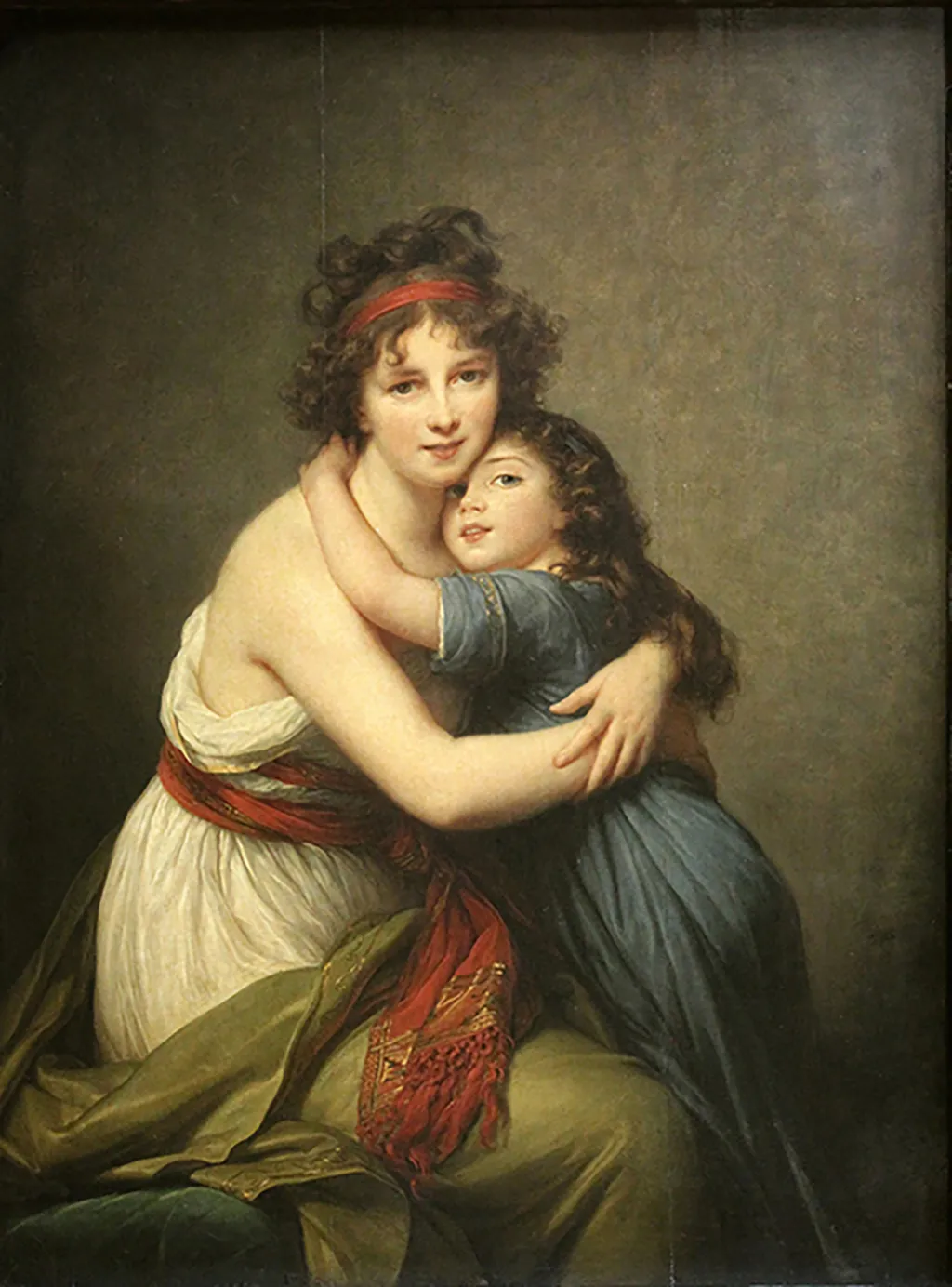
Maternal Mortality and a Mother's Last Letter
Elizabeth Joceline's heartbreaking 1622 letter to her unborn child—a testament to maternal love and the perils of early modern childbirth.
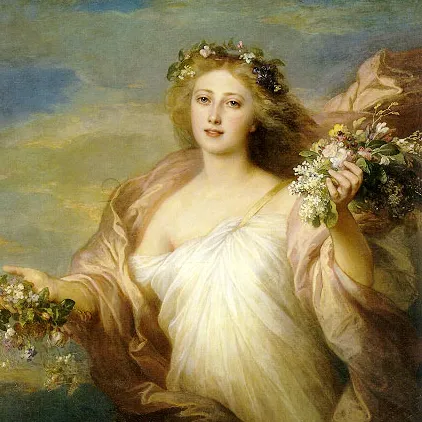
Eostre: The Spring Goddess Who Gave Easter Its Name
Did a Germanic spring goddess really give Easter its name? What the historical sources actually say about Eostre, and how her story was reinvented over centuries.
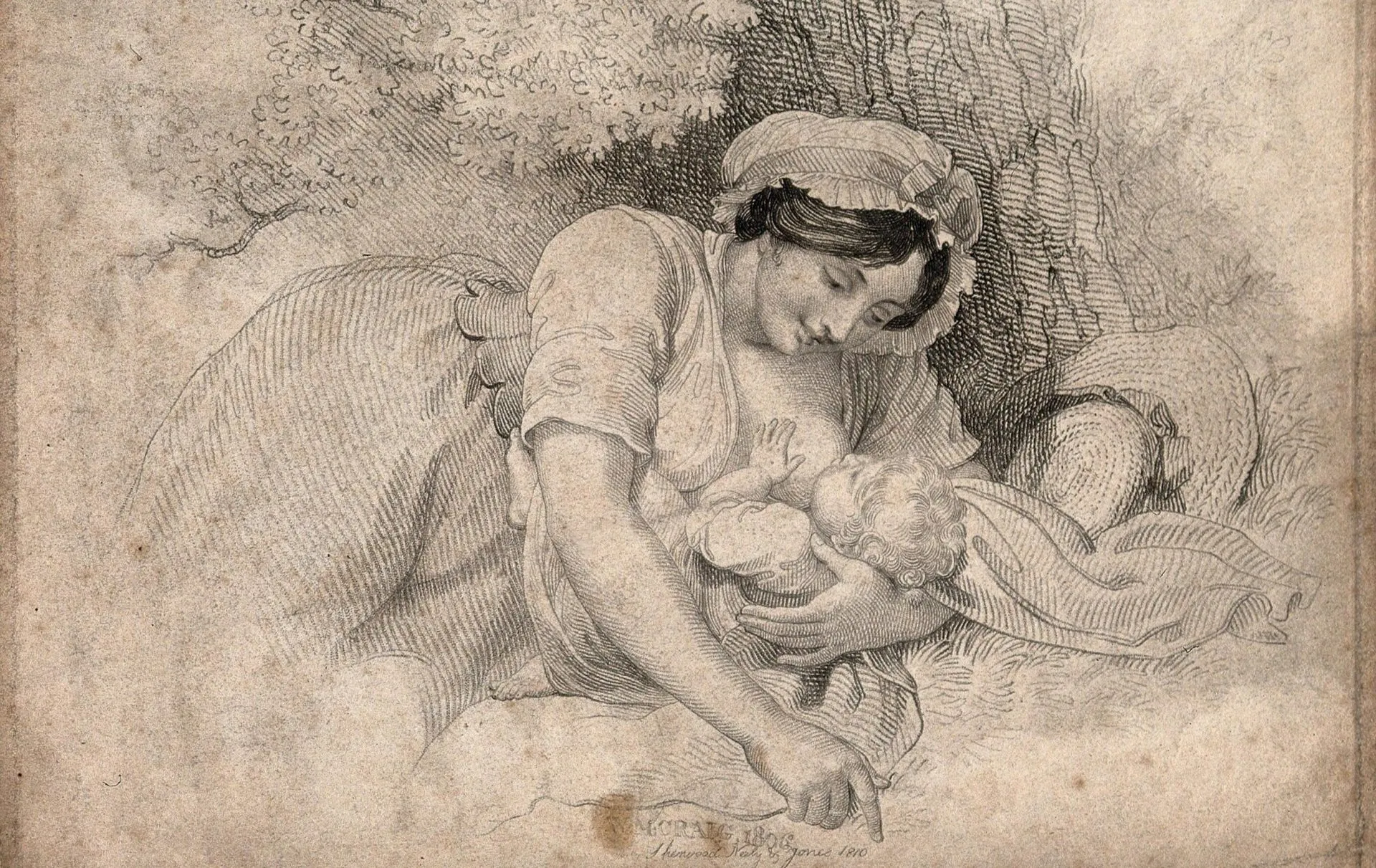
‘Extended’ Breastfeeding in the Elizabethan Period
Discover how Elizabethan children nursed until age three, using wormwood to wean—Shakespeare's Romeo and Juliet reveals extended breastfeeding practices.
The History of Hysteria: Medical Misogyny in a Nutshell
From wandering wombs to shell shock: how medicine kept finding new words for what it could not explain about women.
Prince Rupert's Dog: The 400-Year-Old Propaganda Hoax That Fooled Everyone
The story of Prince Rupert's poodle 'Boy' being feared as a devil by Parliamentarians is a myth — created by Royalist propagandists as a joke that spectacularly backfired.
What Hamnet Gets Right (And Historians Got Wrong)
Did parents in the past love their children? Explore the historical debate on parental love and grief that Hamnet brings to life so powerfully.
Below Stairs at Christmas: A Victorian Servant Speaks
Read Hannah Cullwick's 1863 diary—a Victorian maid-of-all-work reveals the exhausting reality of Christmas below stairs.
Playtime in Tudor England: Toys, Games, and Childhood
From wooden dolls to hobby horses and brutal games—discover how Tudor children played, learned, and grew up in 16th-century England.
Maternal Mortality and a Mother's Last Letter
Elizabeth Joceline's heartbreaking 1622 letter to her unborn child—a testament to maternal love and the perils of early modern childbirth.
Eostre: The Spring Goddess Who Gave Easter Its Name
Did a Germanic spring goddess really give Easter its name? What the historical sources actually say about Eostre, and how her story was reinvented over centuries.
‘Extended’ Breastfeeding in the Elizabethan Period
Discover how Elizabethan children nursed until age three, using wormwood to wean—Shakespeare's Romeo and Juliet reveals extended breastfeeding practices.