 Dr Julia Martins
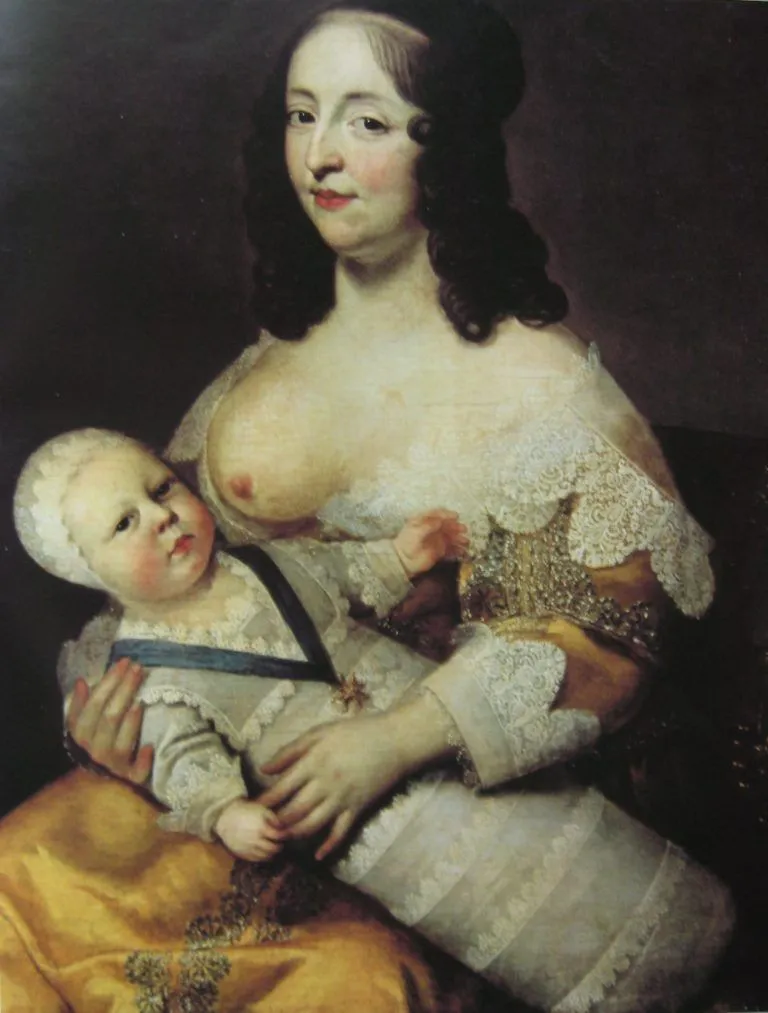
 In the UK today, only 1% of babies are exclusively breastfed by the time they are six months old, as recommended by the World Health Organization. Even fewer infants are breastfed by their first birthday; extended breastfeeding, nursing beyond that age, is rarer still. Yet it was not always so. In
On Lammas-eve at night shall she be fourteen; That shall she, marry: I remember it well. ‘T is since the earthquake now eleven years; And she was wean’d, I never shall forget it, Of all the days of the year, upon that day
— Shakespeare. Romeo and Juliet. Act I, Scene 3
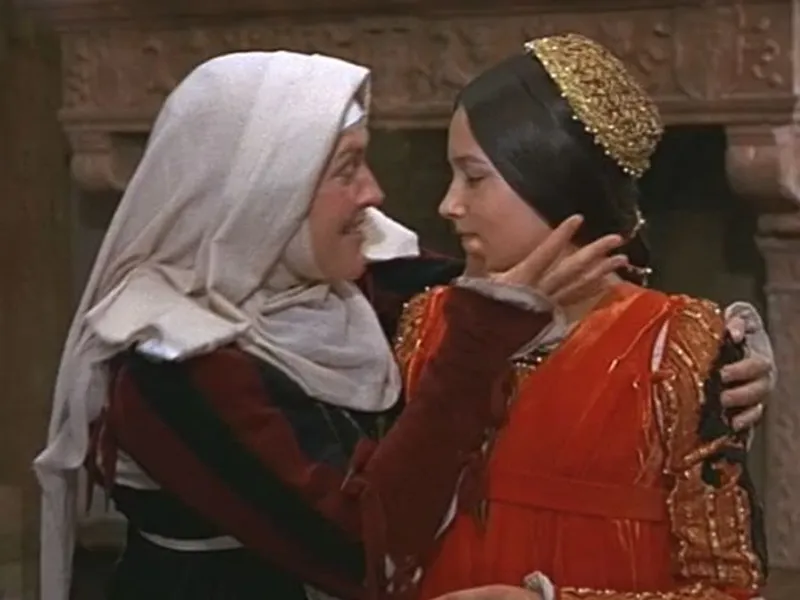
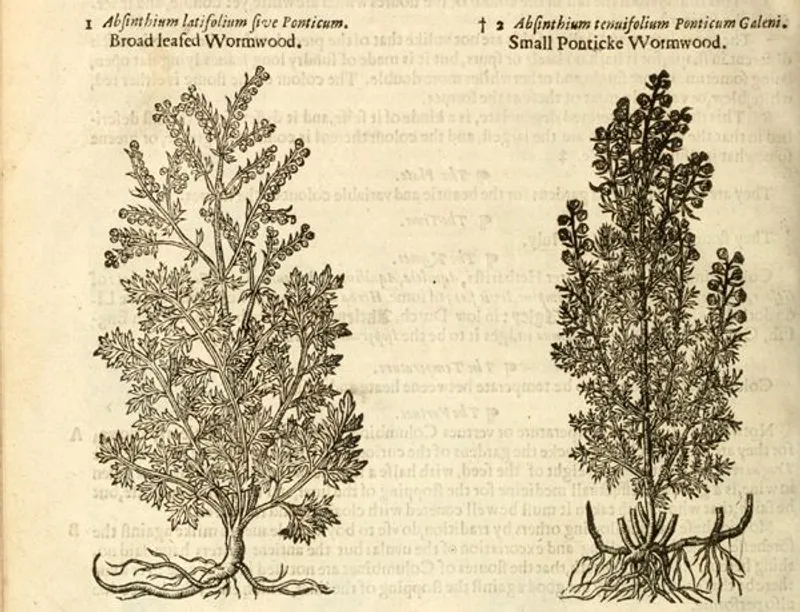
This scene highlights the love Juliet’s nurse felt for the girl. Wet nurses could develop strong bonds with their charges, although their role was often contested. Juliet was three years old when she was weaned by the nurse, who had to use wormwood on her nipples to stop her body from producing milk.
For I had then laid wormwood to my dug,
Sitting in the sun under the dove-house wall;
My lord and you were then at Mantua –
Nay, I do bear a brain – but, as I said,
When it did taste the wormwood on the nipple
Of my dug and felt it bitter, pretty fool,
To see it tetchy and fall out with the dug!— Shakespeare. Romeo and Juliet. Act I, Scene 3
From what medical writers tell us, babies were usually breastfed for longer in continental Europe than in Britain; keep in mind that Romeo and Juliet is set in Verona. Still, an English person watching the play in a London playhouse wouldn’t have found Juliet’s weaning age unusual. Most 16th and 17th century medical writers, such as
Breast milk was believed to have powerful medical properties as a remedy, but it was also considered the best nourishment for young children, as it would make them strong and healthy, and transmit love and security. Not too different from the advice new parents receive today!
In the
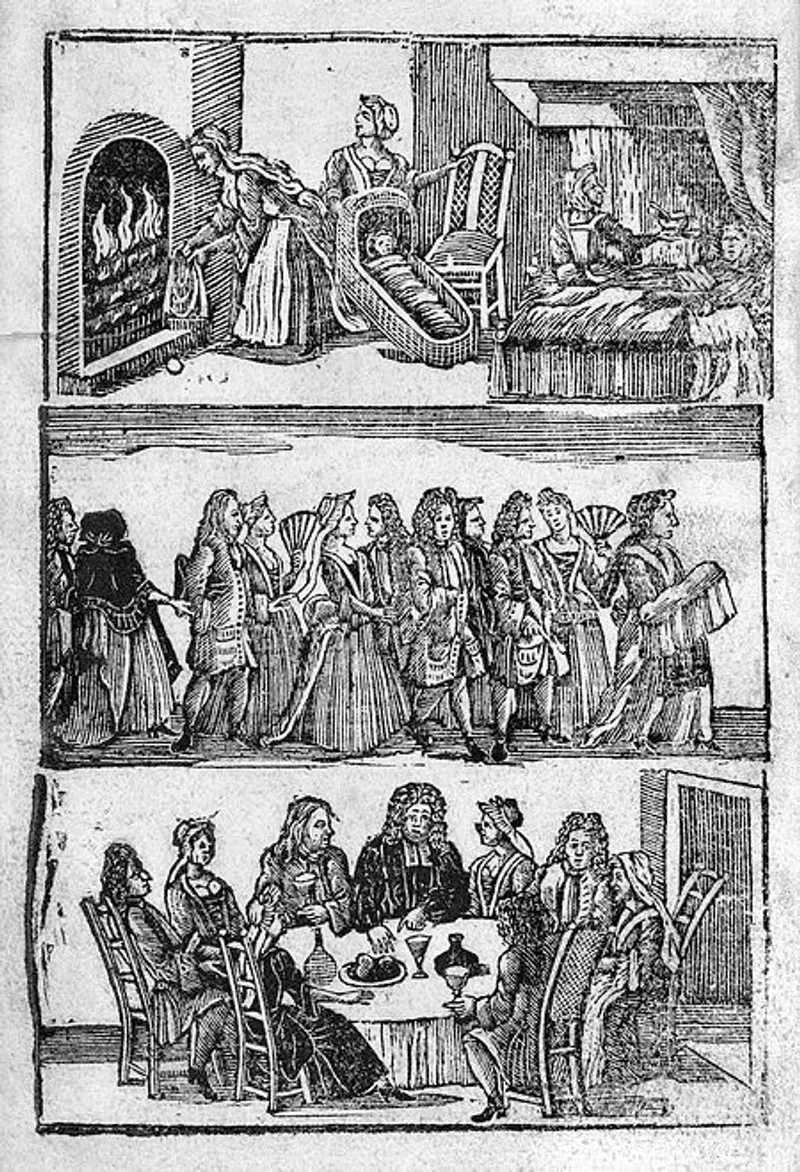
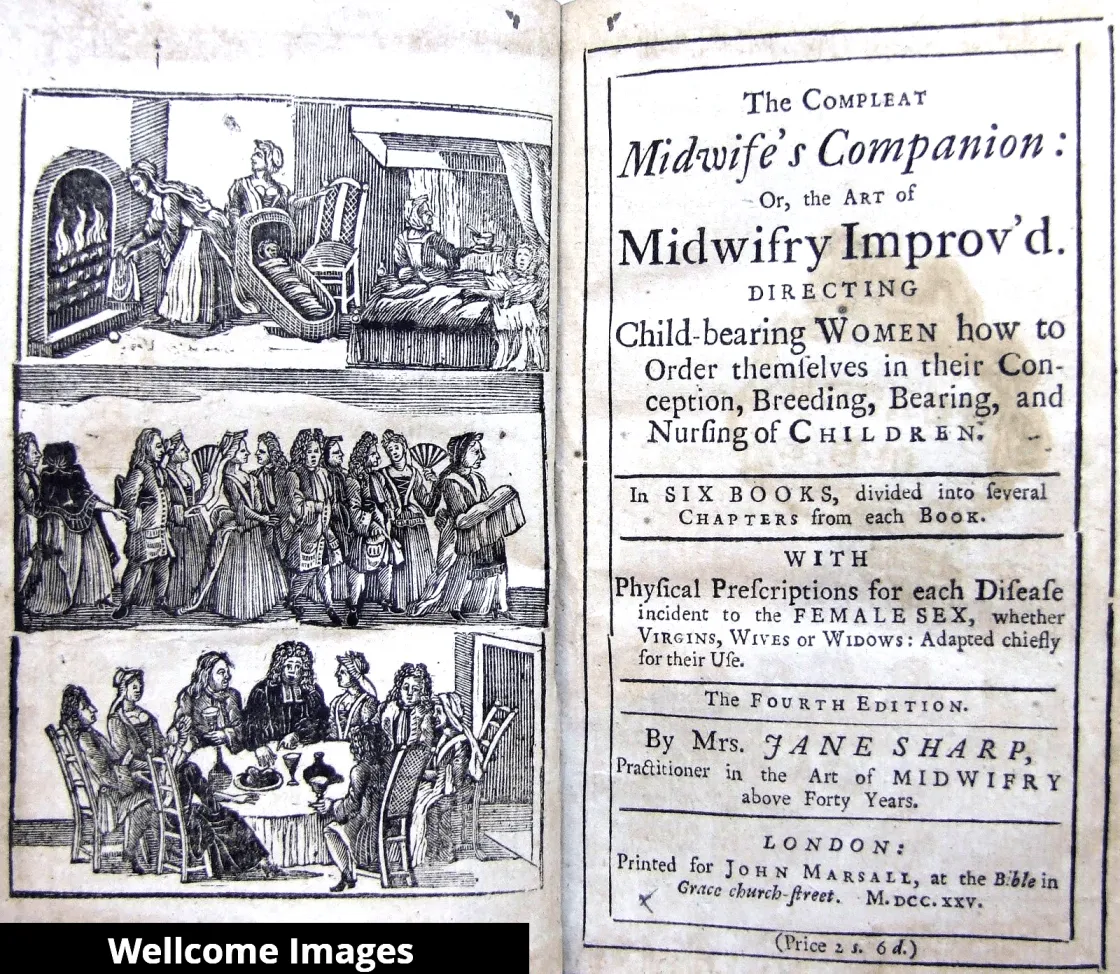
According to the midwife
the stronger the child is, the sooner he is ready to be weaned; some at twelve months old, and some not till fifteen or eighteen months old; you may say two years if you please, but use the child [get the child used] to other Food by degrees, till it be acquainted with it.
— Jane Sharp, The Midwives Book, 1671.
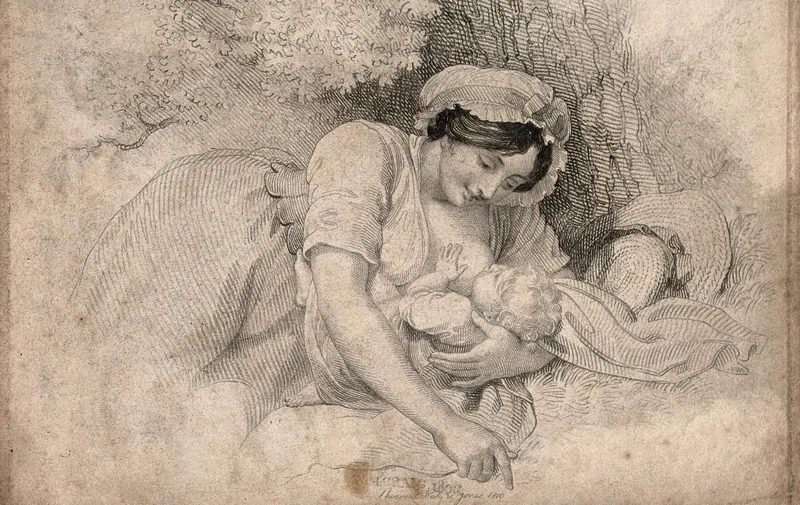
These foods were also used for younger children when breast milk was not available, complementing animal milk. Pap was a mix of warm water and flour, or bread made soft by the addition of milk, water, or eggs. Panadas were also an option and consisted of cereals cooked in broth, similar to porridge. Both were given as supplements to children fed with animal milk as well as on their own. Still, the results could be mixed: the younger the baby, the more likely that they might die without breast milk.
Until the industrial revolution and the widespread use of bottles and, later, the development of artificial feeding through infant formula, breast milk was virtually the only option for babies. Medical writers like
An honour! Were not I thine only nurse, I would say thou hadst suck’d wisdom from thy teat.
— Shakespeare. Romeo and Juliet. Act I, Scene 3
Too bad about how the story ended. Oh well! There wasn’t much the nurse could do, and it wouldn’t be a tragedy otherwise, would it?!
References
Jacques Guillemeau,
William Shakespeare, Romeo and Juliet, The Riverside Shakespeare, edited by G. B. Evans (New York: Houghton Mifflin, 1974). (First published in 1597.)
Jane Sharp,
Further Reading
David Cressy, Birth, Marriage, and Death: Ritual, Religion, and the Life-Cycle in Tudor and Stuart England (Oxford: Oxford University Press, 1997).
Valerie Fildes, Breasts, Bottles and Babies (Edinburgh University Press, 1986).