
Dr Julia Martins is a historian of the body, an activist, and an unapologetic bookworm (she is the host of My Body, My Book Club — an online feminist book club). She is also an Activism Outreach Supporter with The Vavengers.
Read more about Julia →Latest Articles
View all →
What Hamnet Gets Right (And Historians Got Wrong)
Everyone's talking about Hamnet – and whether you've read the book, watched the play or the film – or all three like me, you'll know that it's a beautiful story about loss and grief, and it feels very relatable to a modern audience. But did you know that there was a big debate among historians about this very subject –
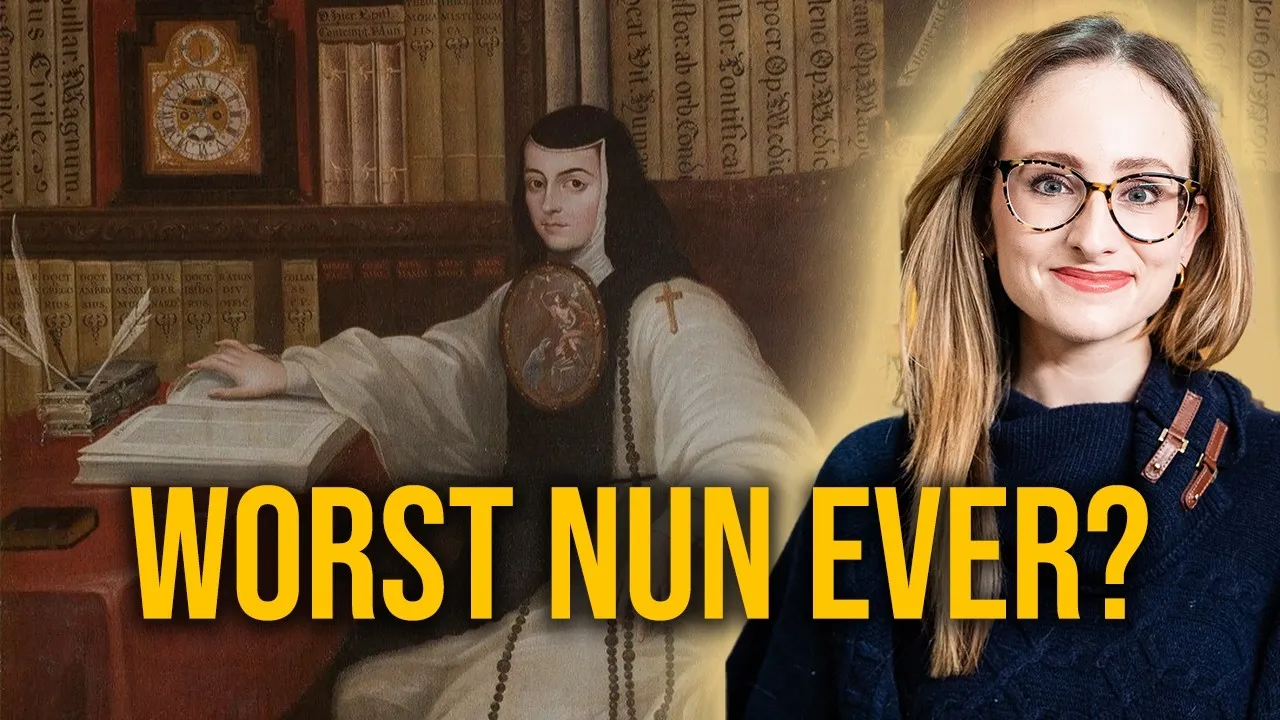
She Became a Nun Just to Avoid Marriage (and Read Books)
Who would choose a convent over marriage? Well, meet Sor Juana Inés de la Cruz, who called herself the "worst nun in history", built a private library in a convent in colonial Mexico, and argued with bishops, claiming that women had every right to study and learn, just as she did. Let's talk about this controversial nun, who unapologetically chose
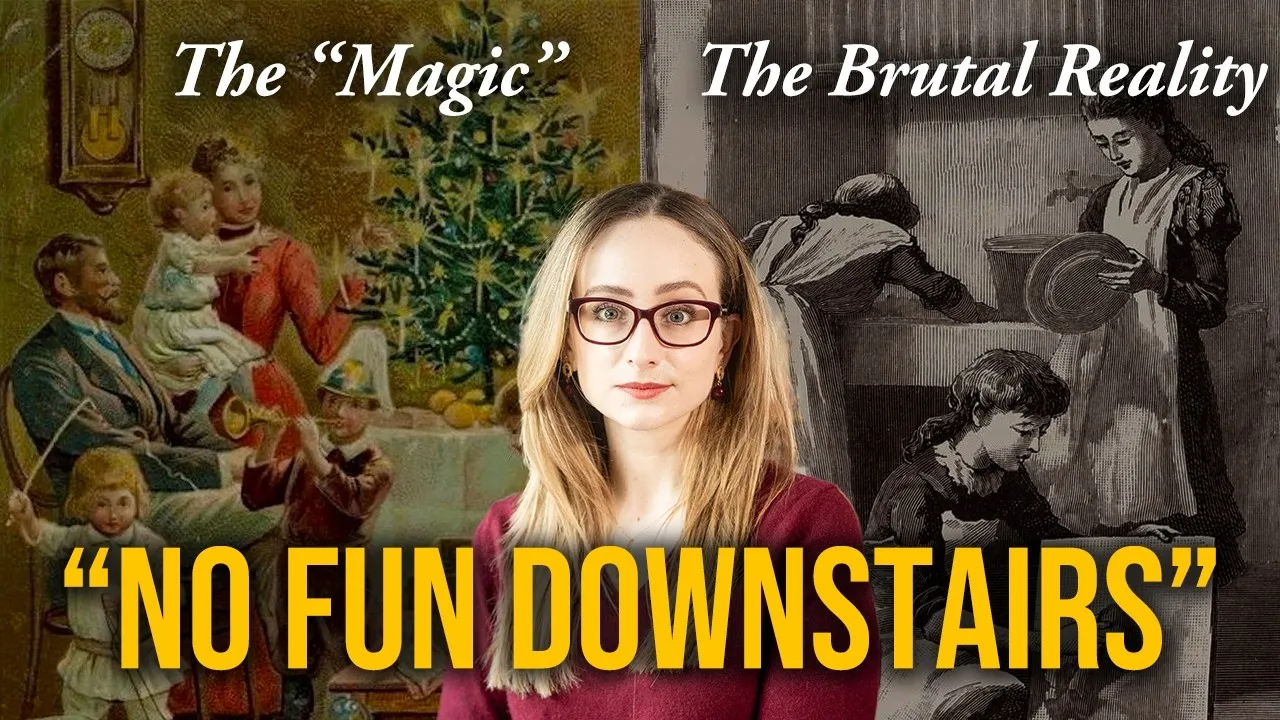
Below Stairs at Christmas: A Victorian Servant Speaks
I was reading Christmas: A History, by Judith Flanders, and I came across a passage I just had to share with you. Victorian Christmas could be an incredibly elaborate affair for the upper classes, but what was it like for those who were not so lucky? How about the house servants? Well, let me read you a short passage from
The Business of Virginity in 18th-Century London
This passage comes from the 1779 book "Nocturnal Revels, or the History of King's-Place and Other Modern Nunneries" – and, in case it wasn't clear, nunnery here doesn't mean a convent full of nuns, but a brothel. Let me tell you how sex workers and madams manufactured and performed virginity over and over again, to
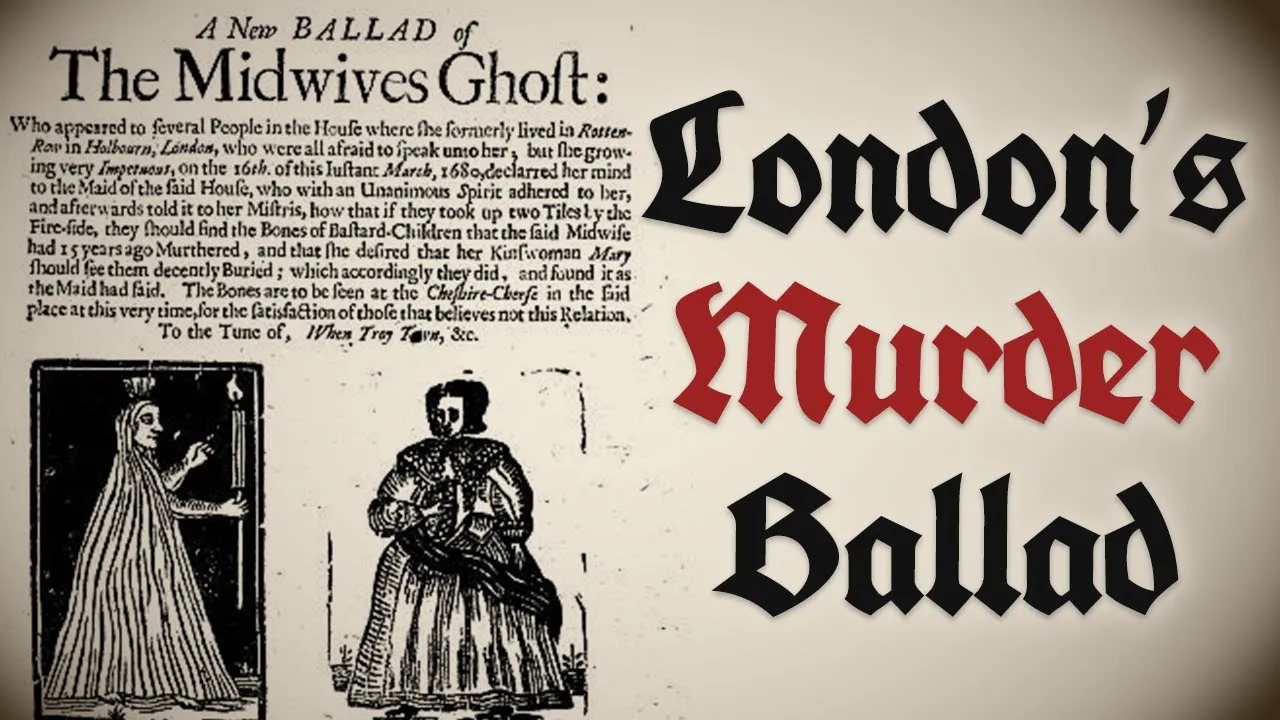
The Midwife’s Ghost: A Murder Ballad from 1680
Let me tell you a ghost story. I was reading the book “The Ghost: A Cultural History”, and I was reminded of one of my favourite early modern ballads featuring a ghost. For context, ballads would usually be about current events, and tended to be very sensationalised versions of the news set to familiar melodies. There were lots of ballads

Medieval True Crime: When a Corpse Solved Its Own Murder
In 1503, in the quiet Swiss village of Ettiswil, a woman’s corpse was laid out in the churchyard. Her name was Margaretha, and she had died suddenly; too suddenly, some whispered. Her husband, Hans Spiess, had fled the town, but he was eventually tracked down and brought back to face justice. Justice, however, didn’t mean what we might expect. Spiess
What Hamnet Gets Right (And Historians Got Wrong)
She Became a Nun Just to Avoid Marriage (and Read Books)
Below Stairs at Christmas: A Victorian Servant Speaks
The Business of Virginity in 18th-Century London
The Midwife’s Ghost: A Murder Ballad from 1680
Medieval True Crime: When a Corpse Solved Its Own Murder
Key Concepts
View all →
What were the "Non-Naturals"?
When I was growing up, my grandmother told me to avoid cold showers if I was having my period. I was also not supposed to leave the house with my hair wet unless it was summer. When we travelled to the mountains, my other grandmother would ‘fill her lungs with forest air’. She claimed to feel instantly healthier. I'm sure
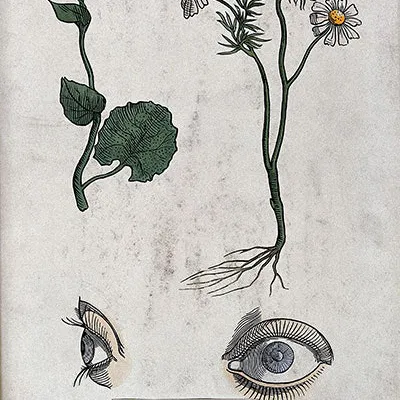
What is the 'Doctrine of Signatures'?
In the early modern period, an impotent man might be prescribed boiled orchid roots. But why? Well, they resembled testicles and were consequentially believed to be useful in improving male potency. If you think this sounds weird, stay with me. Efficacy aside, prescribing this remedy makes sense… if you accept the premise of the doctrine of signatures, one of the
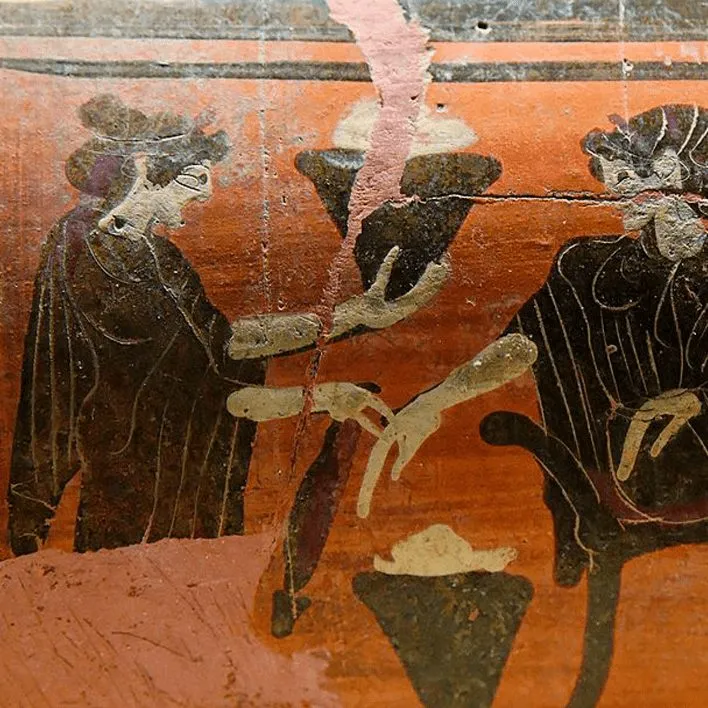
What is the ‘Wandering Womb’?
Imagine ‘an animal inside an animal’, a thirsty creature, dragging itself in search of water, pushing aside everything that was on its way… Do you think that sounds sinister? So do I.
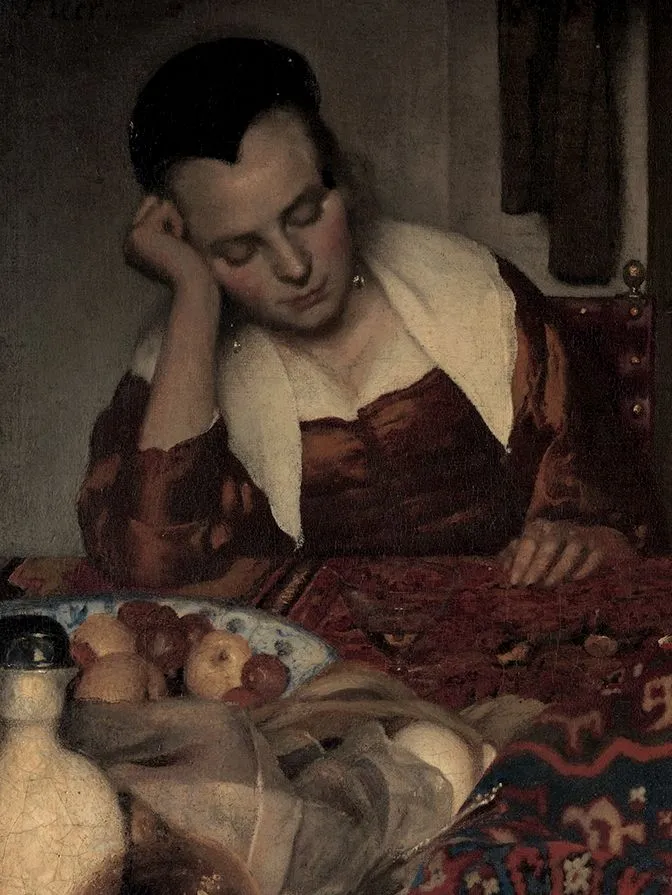
What are the ‘Non-Naturals’?
When I was growing up, I was told to avoid cold showers if I was having my period. I was also not supposed to leave the house with my hair wet unless it was summer. When we travelled to the mountains, my maternal grandmother would ‘fill her lungs with forest air’. She claimed to feel instantly healthier.
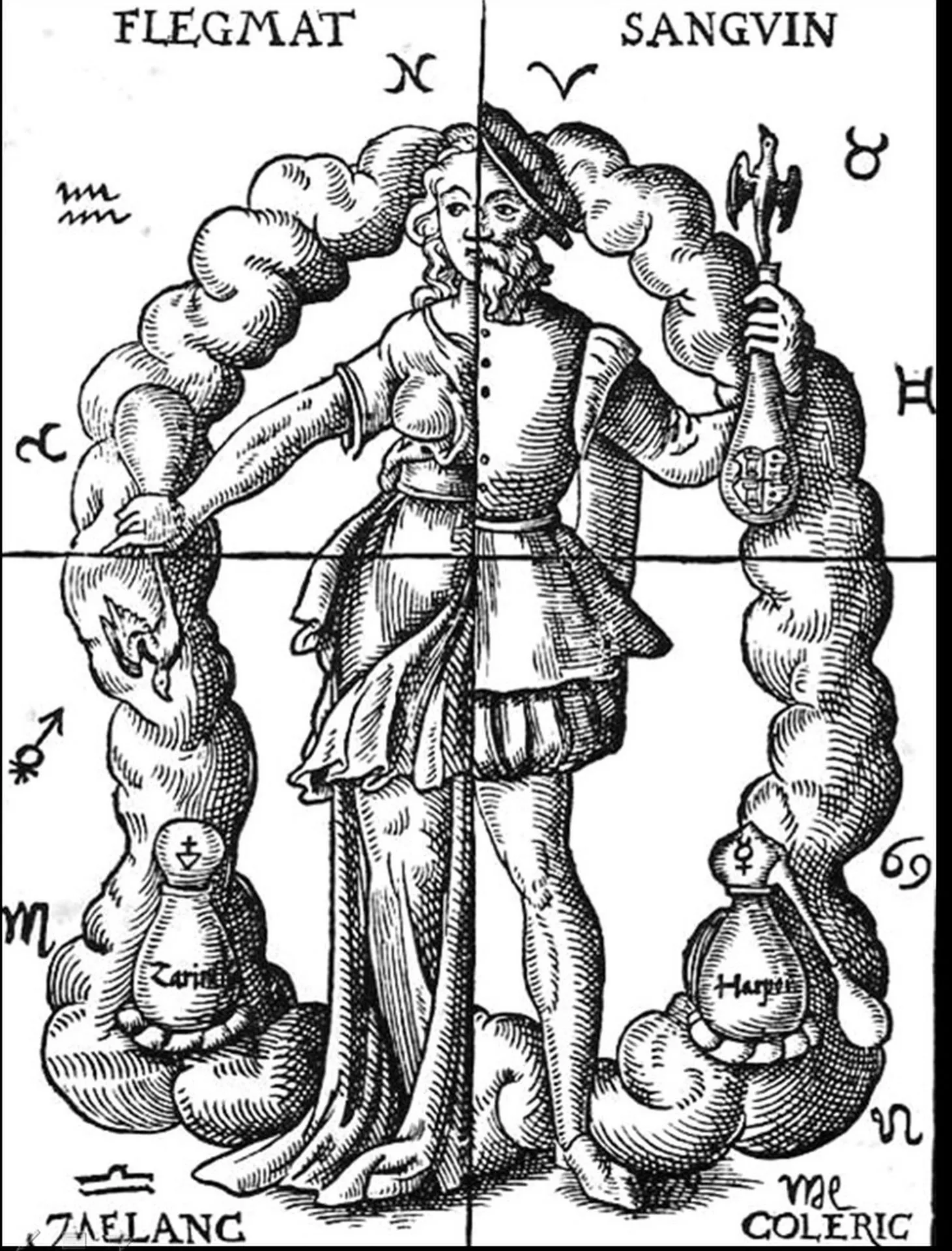
What is the Humoral Theory?
Humours are everywhere. People can react cholerically to an insult, music can make us melancholic, time with friends can lift our spirits, and we can be in good or bad humour. This is not surprising. The humoral theory has a long history, beginning with the Greek Hippocratic writers in the fifth century BC, being reinterpreted by the Roman physician Galen in the second century AD.

What is Gender History?
In the 1920s, Virginia Woolf famously described how the history of women was unknown: ‘It has been common knowledge for ages that women exist, bear children, have no beards, and seldom go bald, but save in these respects […] we know little of them and have little evidence upon which to base our conclusions.’ Woolf was writing shortly after women were granted the vote in the UK (1918), after an arduous campaign by the suffragettes. This first feminist wave, associated with the political women’s suffrage movement, did not prompt historians to investigate women’s history with a few exceptions.

What is Cultural History?
Cultural history is not the history of culture – whether we think of culture in a strict sense (high culture…
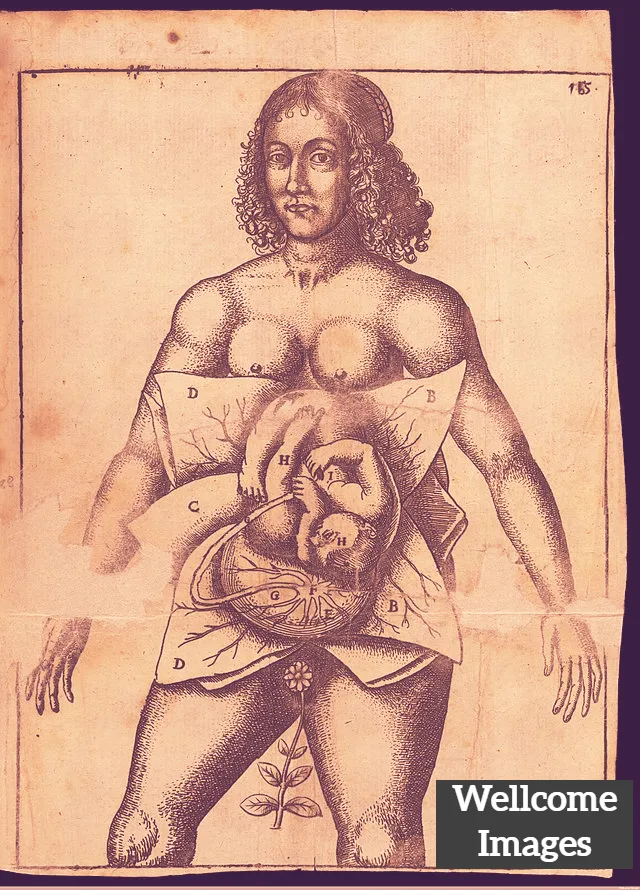
What are Secrets of Women?
Throughout history, the womb was often thought to be a mysterious organ, which could make women ill yet create new life. Knowledge about women's bodies and especially reproduction was thought to be hidden in the womb, 'secret' from prying eyes.
Stay in the Loop
Sign up for the monthly newsletter — get new articles and videos before they appear on the website, plus book recommendations, film picks, and online courses.
Support This Work
Living History is a labour of love. If you value accessible, well-researched history content, consider becoming a patron. Your support makes a real difference.
Support on Patreon