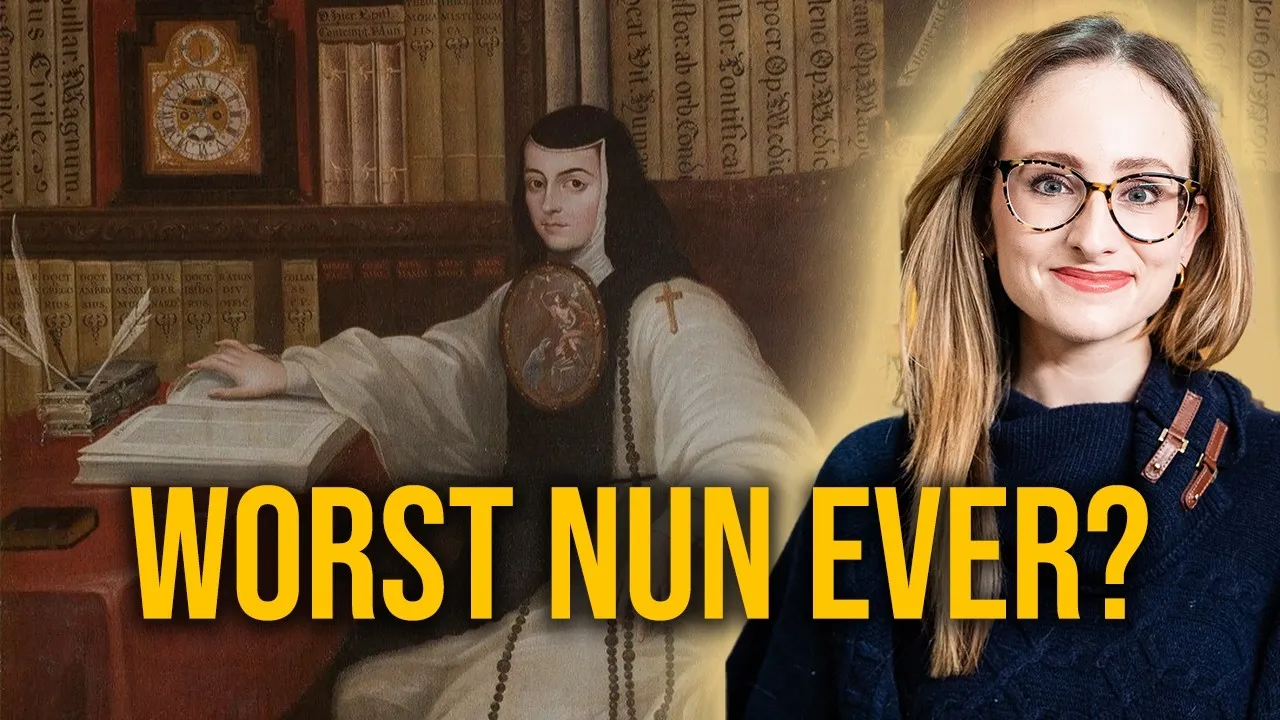
She Became a Nun Just to Avoid Marriage (and Read Books)
Who would choose a convent over marriage? Well, meet Sor Juana Inés de la Cruz, who called herself the "worst nun in history", built a private library in a convent in colonial Mexico, and argued with bishops, claiming that women had every right to study and learn, just as she did. Let's talk about this controversial nun, who unapologetically chose
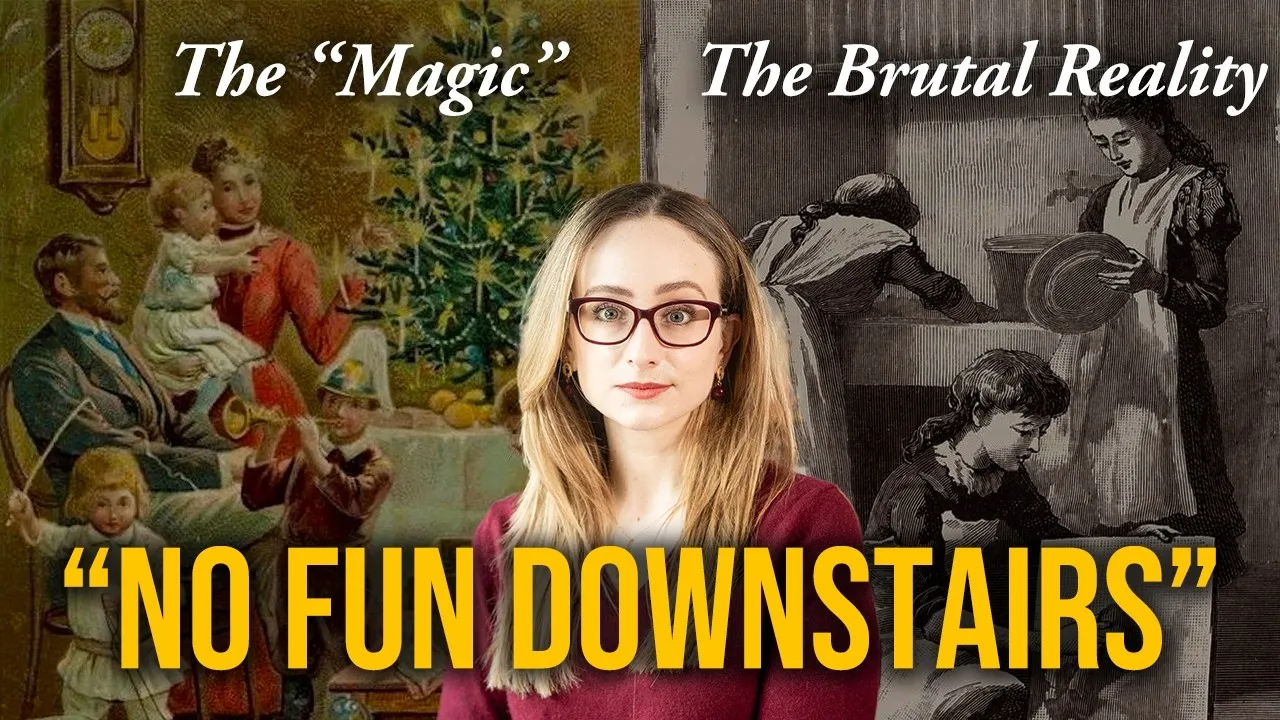
Below Stairs at Christmas: A Victorian Servant Speaks
I was reading Christmas: A History, by Judith Flanders, and I came across a passage I just had to share with you. Victorian Christmas could be an incredibly elaborate affair for the upper classes, but what was it like for those who were not so lucky? How about the house servants? Well, let me read you a short passage from
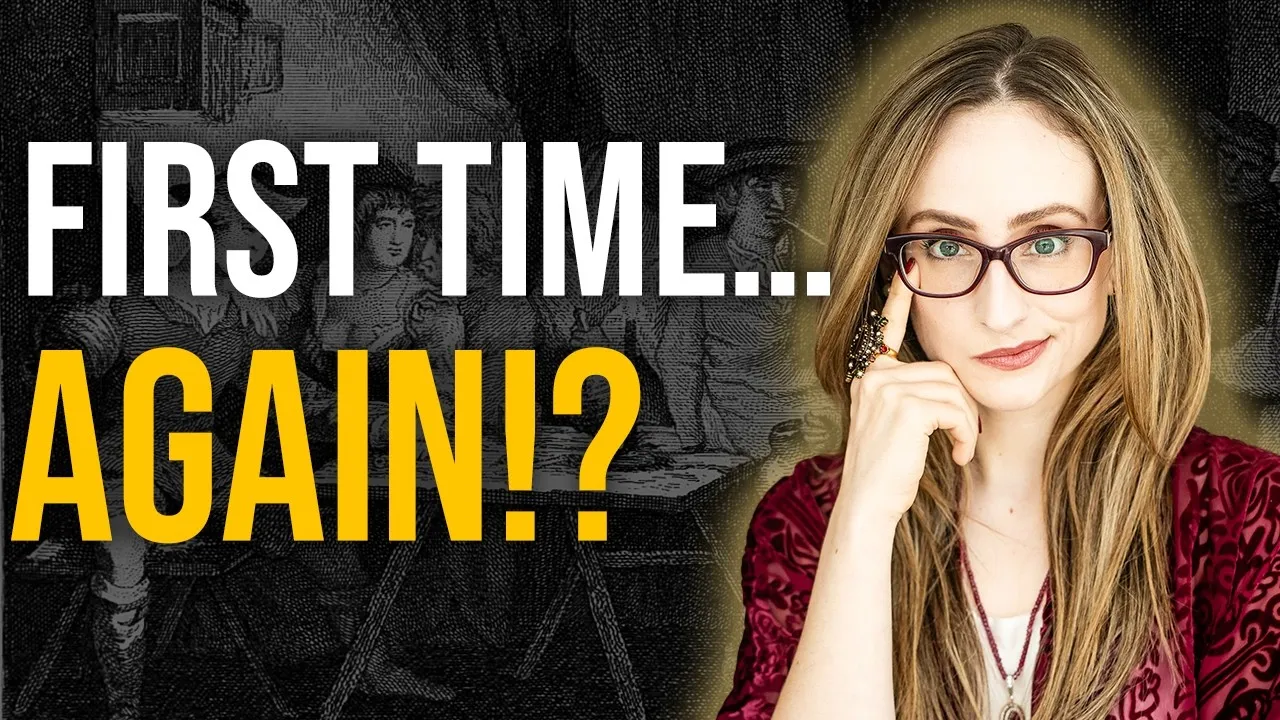
The Business of Virginity in 18th-Century London
This passage comes from the 1779 book "Nocturnal Revels, or the History of King's-Place and Other Modern Nunneries" – and, in case it wasn't clear, nunnery here doesn't mean a convent full of nuns, but a brothel. Let me tell you how sex workers and madams manufactured and performed virginity over and over again, to
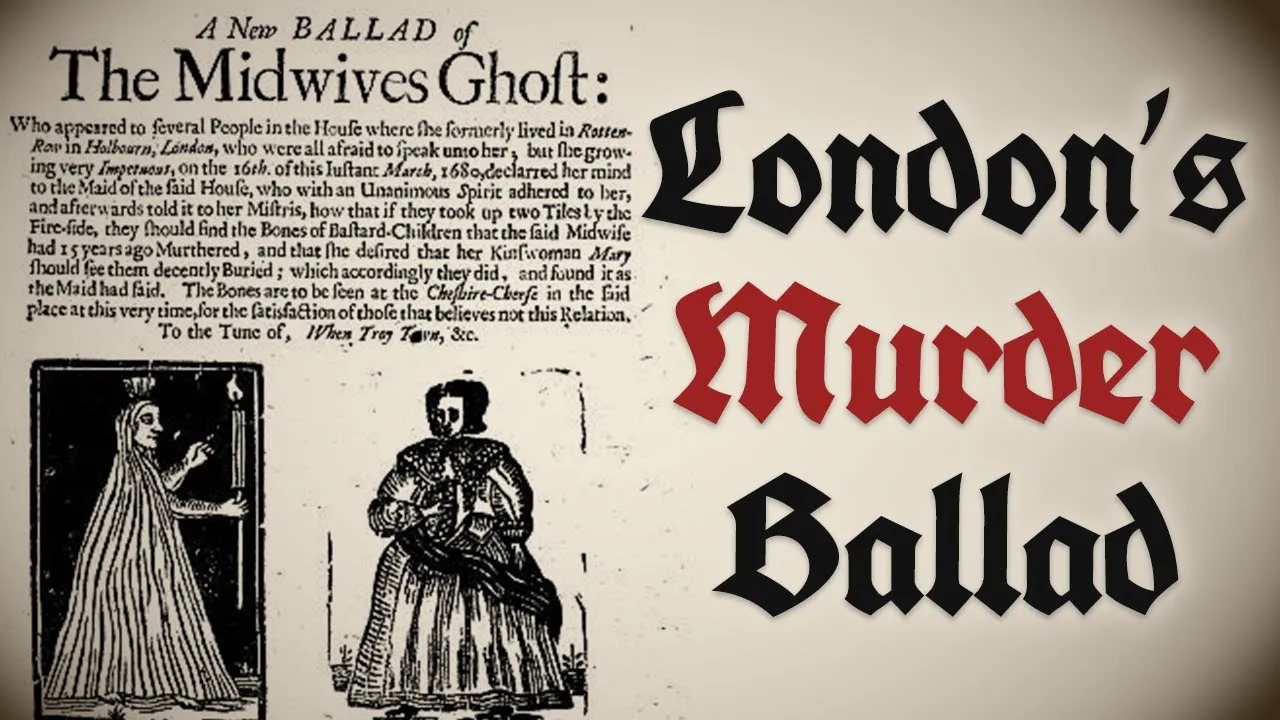
The Midwife’s Ghost: A Murder Ballad from 1680
Let me tell you a ghost story. I was reading the book “The Ghost: A Cultural History”, and I was reminded of one of my favourite early modern ballads featuring a ghost. For context, ballads would usually be about current events, and tended to be very sensationalised versions of the news set to familiar melodies. There were lots of ballads

The Censored Witches' Flying Potion (That Promised a "Lover")
"Rub this on your skin, get a lover." That’s not clickbait. It’s a sixteenth-century recipe, written in all seriousness by the Italian natural philosopher Giambattista Della Porta. He recorded the formula for an ointment, said to be used by witches. The claim was that it could induce an extraordinary phenomenon: it would make the witch believe she was flying and
Fake Virginity: The Painful Renaissance ‘Cures’ They Sold Women
So, of course, someone offered a solution. A 17th-century English translation of an Italian book called Magia Naturalis puts it like this: In case that wasn’t clear: the
Before TikTok: History's ORIGINAL Influencers
Scrolling through TikTok, Instagram, YouTube… it feels like influencers are everywhere, a thoroughly modern invention, right? But what if I told you the original influencers weren't crafting viral videos, but commanding royal courts, dazzling high society, and shaping empires centuries ago? And the recent Met Gala? It gave us a perfect glimpse into one fascinating branch of this long history
The Yellow Wallpaper: Behind the 'Madness' in the Pattern
Alone in her sick room in the late 19th century, a woman writes: What is going on? Still, she thinks: The narrator of this story is being treated by her husband, John, who is a doctor. Victorian medicine had some rather peculiar ideas about women's mental health. Take, for instance, the notion that intellectual stimulation could damage a woman's reproductive
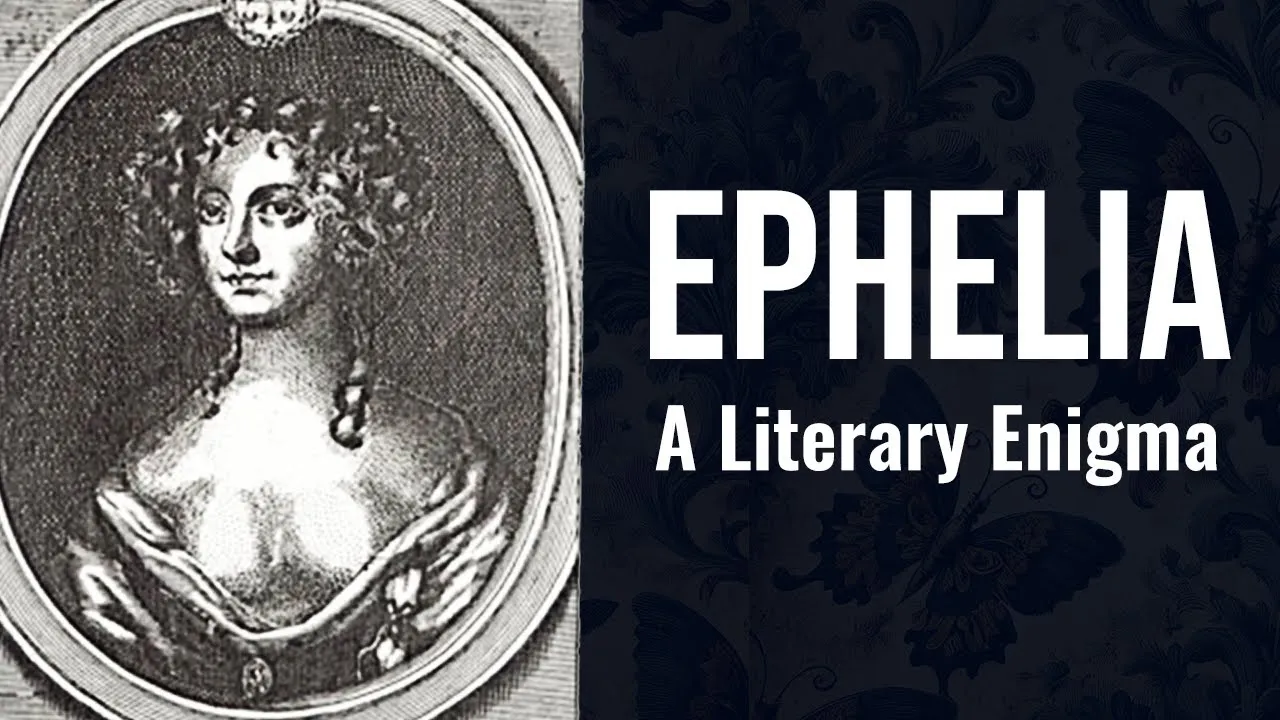
Ephelia: Unmasking a Seventeenth-Century Feminist Voice
Do you love women writers who write with humour and irony? Who criticise their society in a satirical, tongue-in-cheek way? Do you like a good literary mystery? Let me introduce you to the elusive Ephelia – yes, that's Ephelia with an 'E', not Hamlet's Ophelia with an 'O'. Ephelia was a 17th-century poet & playwright whose identity has puzzled historians and
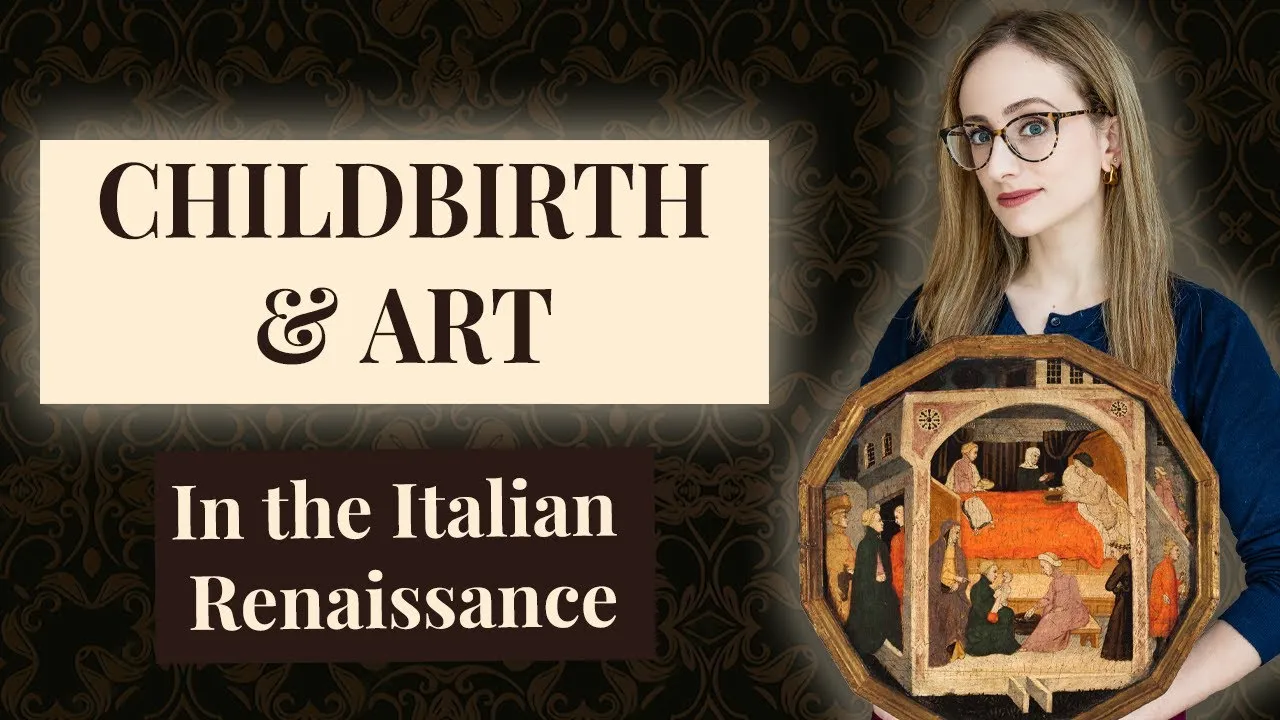
Birth Trays in Renaissance Italy and Motherhood
What if a seemingly ordinary wooden tray could tell the story of a society's rebirth after one of the deadliest epidemics in history? "In the year of our Lord 1348, there happened at Florence, the finest city in all Italy, a most terrible plague…" So starts Boccaccio's Decameron, one of the most celebrated texts in medieval literature. The Decameron tells us much about the
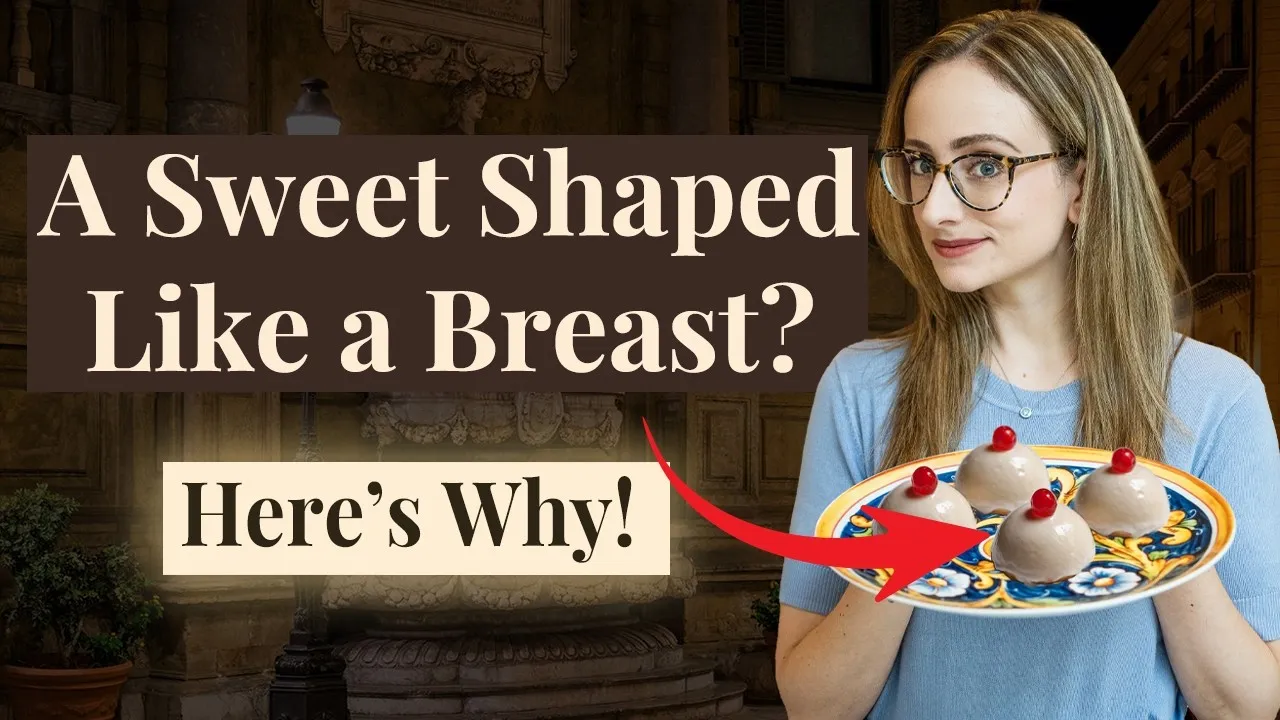
Meet Saint Agatha: Sicily’s Virgin Martyr and Dessert Icon
Take a look at these paintings: What is this woman holding? We can tell she's a saint by the halo around her head, but who is she? You may know this if you're a Catholic – or an art historian – but this is St Agatha. The reason why I know this, is that
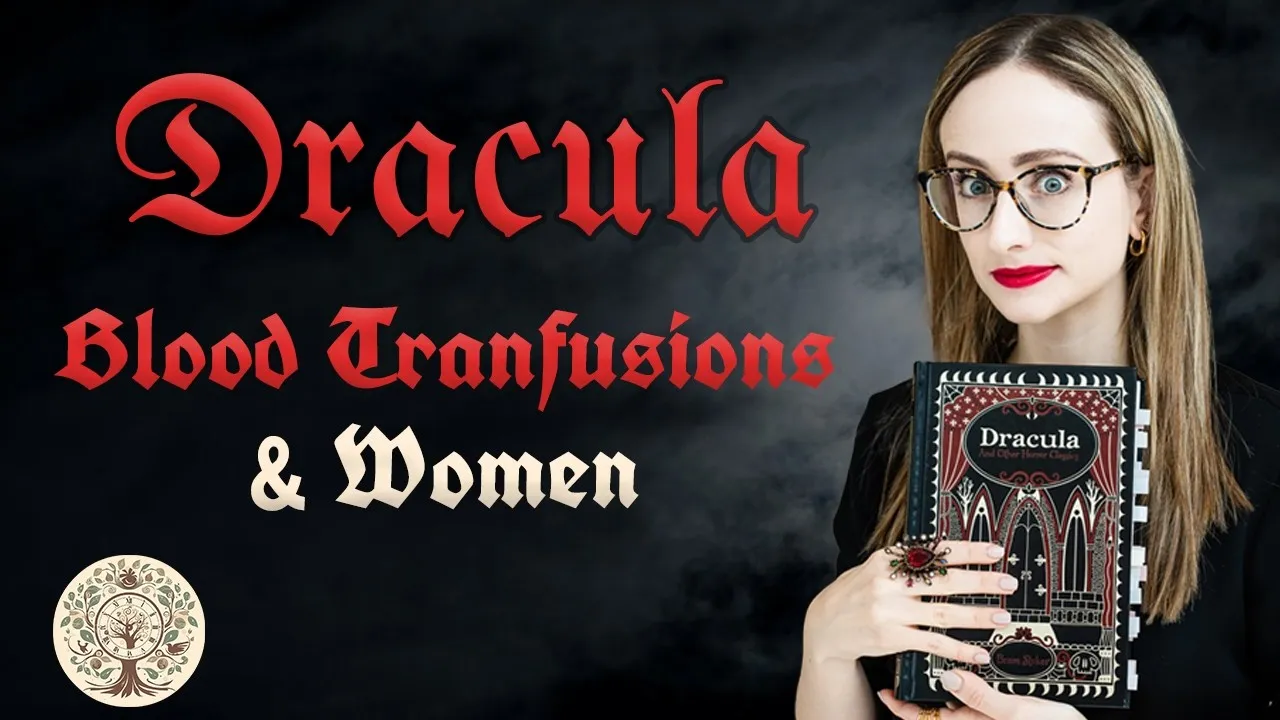
Dracula: Blood Transfusions and Control Over Women
'She wants blood, and blood she must have or die' – this is one of my favourite passages from Bram Stoker's 1897 masterpiece, Dracula. (And there are several!) So, let's set the scene. After a series of sleepwalking episodes, Lucy, one of the main characters in the novel, is left mysteriously exsanguinated: she's
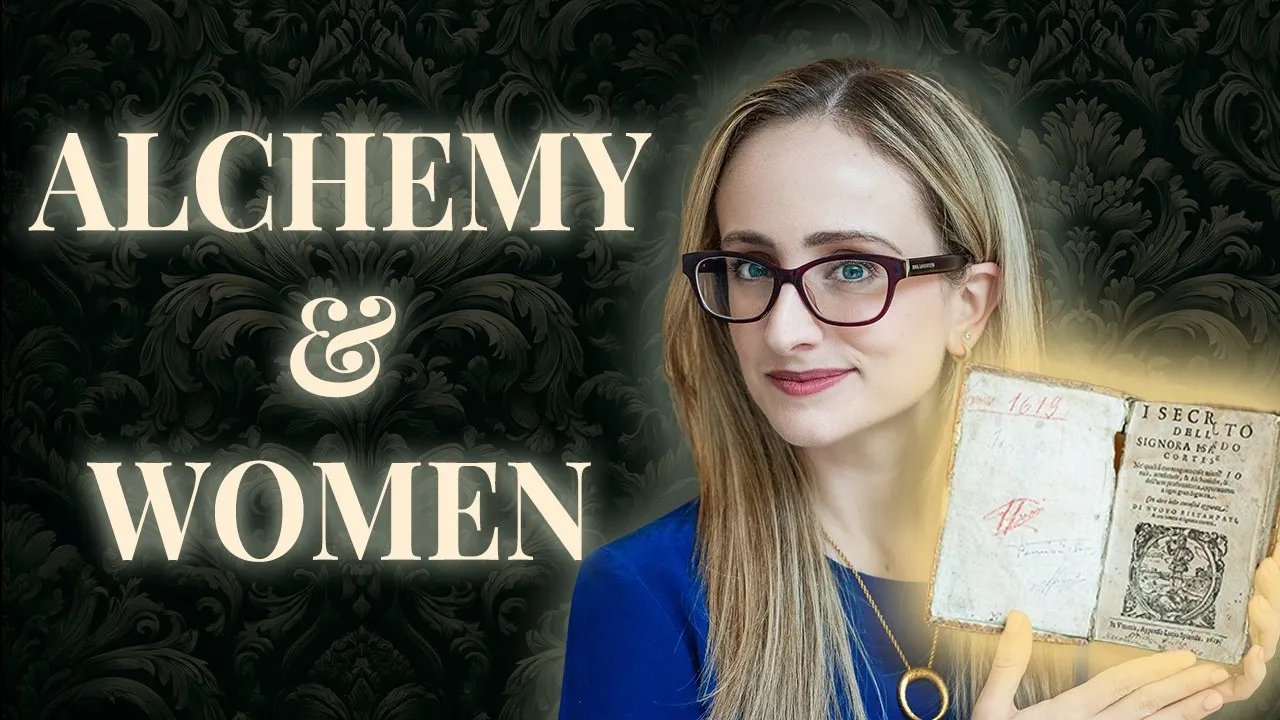
Alchemy in the Renaissance: The Mysterious Isabella Cortese
How do you become an alchemist? This is what a 16th-century book suggests: This advice is said to come from a woman; it's from The Secrets of the Lady Isabella Cortese, published in Venice in 1561. But what does this book, and the mysterious writer to whom it is attributed, tell us about women, science, alchemy, authorship, authority and expertise
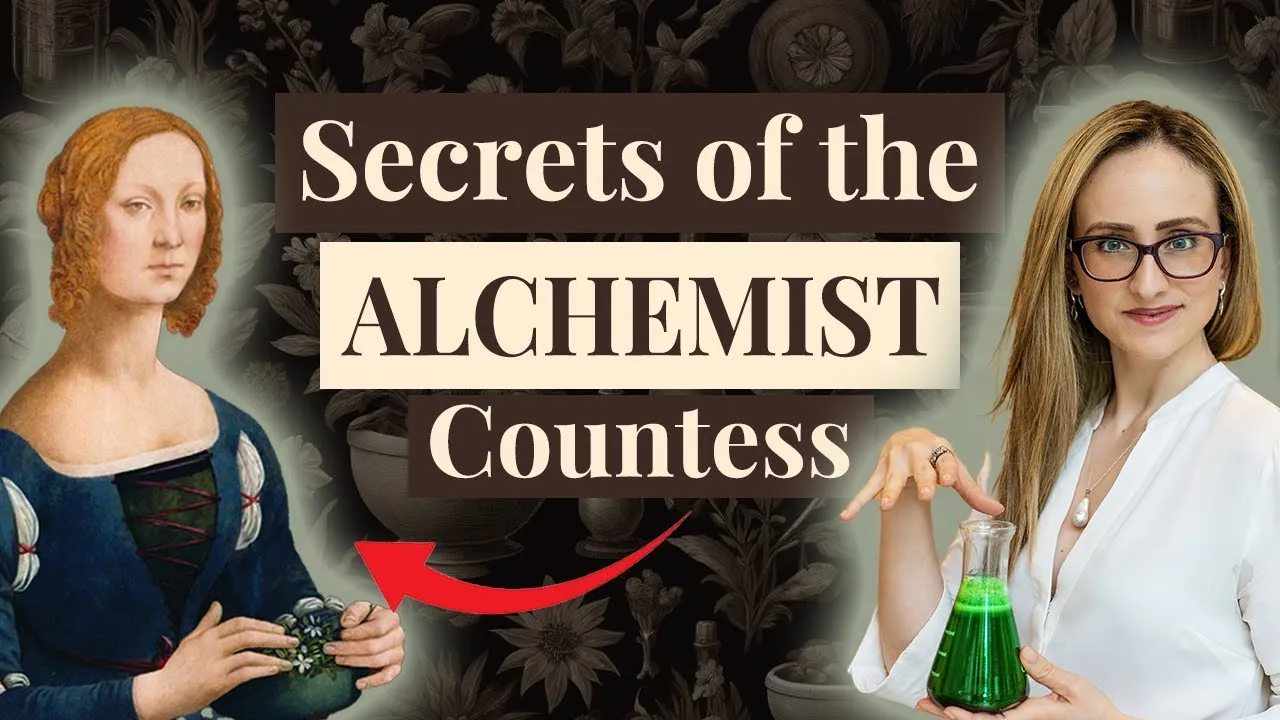
Caterina Sforza: The Alchemy and Power of a Renaissance Icon
Imagine you are the ruler of an Italian city in the Renaissance; your husband has been murdered and your children were taken hostage by your political enemies, who hope to take control of your fortress. Yet the people inside are still loyal to you and are not surrendering. So, leaving your children with your enemies, you go inside the castle,
5 More Brazilian Women Who Changed History
Have you ever heard of Anita Garibaldi, the Brazilian revolutionary fighter called the 'heroine of two worlds'; or Clarice Lispector, the modernist author who was born in Ukraine and raised in Brazil, and who wrote some of the most haunting novels you will ever read…? Well, after the fantastic response to my first text about remarkable Brazilian women, I couldn’t
Green Sickness: A Historical Look at the 'Disease of Virgins'
Imagine that it's 1554, and you're the father of a young girl who is unwell. You write to a friend of yours, who is a physician, describing her symptoms, which include her being 'pale, as if bloodless'. And this is the reply you get: The doctor continues, writing that the ancient Greek physician Hippocrates suggests that So… the solution for
5 Brazilian Women Who Changed History
Have you ever heard of Dandara, the Afro-Brazilian warrior who was a leader in the fight against slavery? Or of Maria Quitéria, the 'Brazilian Joan of Arc'? If you haven't, you're not alone. Like her, so many incredible women in Brazilian history have been erased from the historical narrative for centuries, whether they were soldiers, artists, or writers. Luckily, that
Veiled Truths: Scandal and Mystery in a Renaissance Convent
Can being possessed by the devil ever be a good thing…? Well, for a 17th-century Italian nun who claimed to have seen Jesus Christ, plus literally marrying him, it kind of was. Plus it helped with all the accusations of her having sex… with another nun. Let me tell you a story. The story of Sister Benedetta Carlini, sometimes described
What Made a 17th-Century Midwife Good at Her Job?
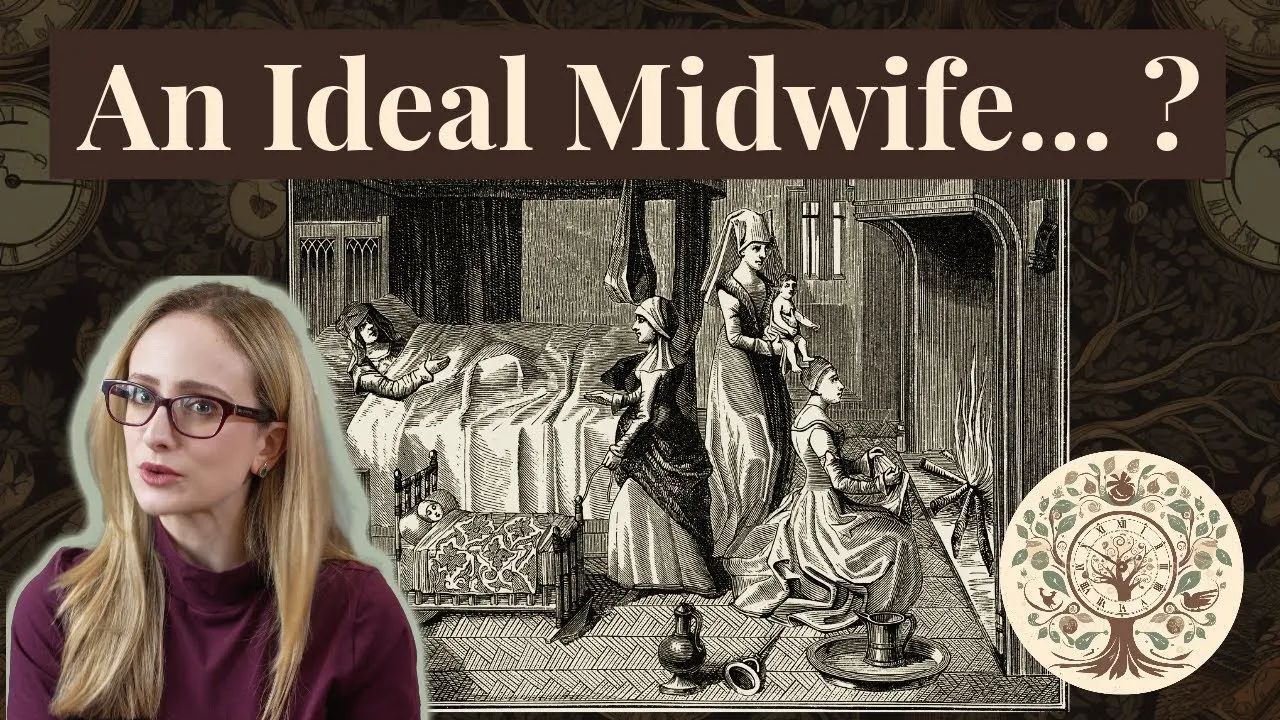
Percivall Willughby (1596–1685) despised the midwives of his time. In his 1670s book, Observations in Midwifery, he intended to 'inform the ignorant common midwives', whose brutal methods were responsible for so many deaths – according to him.
The 'Queen of Hysterics' and 19th-Century Theatrical Hysteria
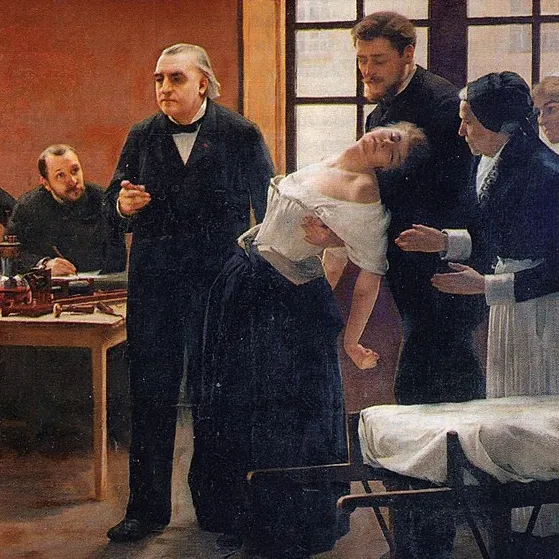
Everybody was talking about hysteria in late 19th-century Paris. Hysterics appeared in novels and plays; they were painted, photographed, sculpted and drawn. People crowded the Salpêtrière Hospital in Paris to attend demonstrations and lectures on hysterics given by the world-renowned neurologist Jean-Martin Charcot (1825-1893), and to gaze at his star patients. Who could resist admiring the ‘queen of hysterics’, the beautiful Blanche Wittmann (1859-1913), her face relaxed and insensible as she was pierced with needles by doctors, to demonstrate how she couldn’t feel any pain?
‘Holy Anorexia’: The Fascinating Connection between Religious Women and Fasting
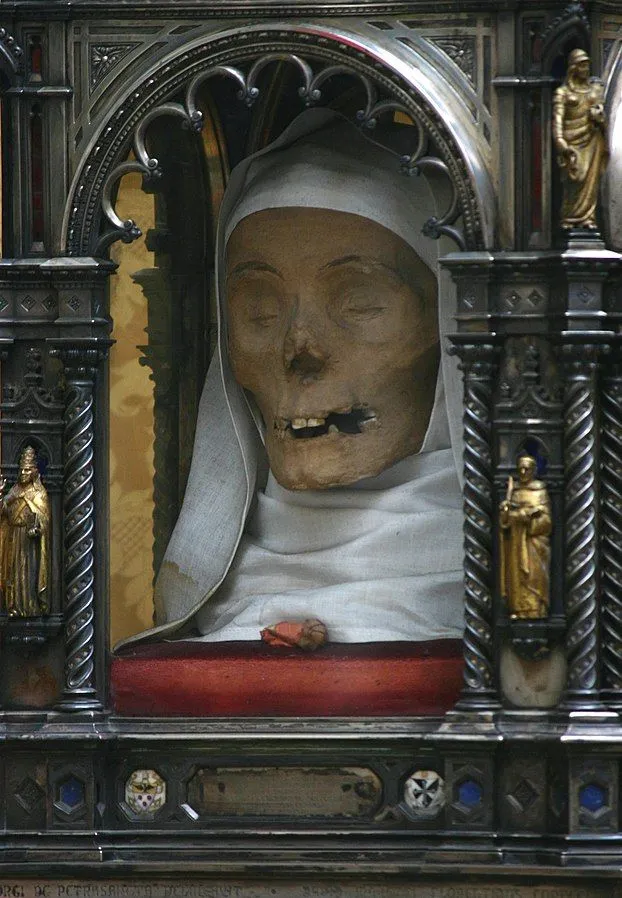
Social media might make it seem like fasting (and especially intermittent fasting) is something new. But fasting – voluntarily or not – has arguably existed for as long as humans have. People have abstained from food throughout history for many different reasons, not least of which scarcity of nourishment (think of hunter-gatherers during a harsh winter).
‘Follow what I say’: Isabella Cortese and Early Modern Female Alchemists
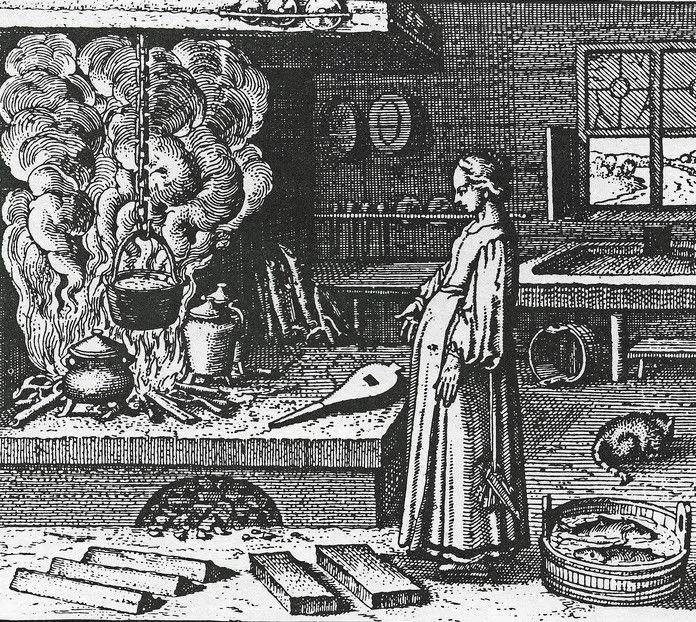
ow would you go about learning alchemy? Well, I would start by making a list of alchemists whose work I should read. Then, I would do a lot of reading. That might seem unimaginative – and it is – but, for centuries, that’s how people learned alchemy. Of course, they would eventually go to their laboratories or kitchens and try things out in practice. But reading was essential.

Elizabeth I and Ageing
A few days before Queen Elizabeth II’s death, she met the UK’s new prime minister, Liz Truss, at Balmoral Castle, in Scotland. Royal watchers were quick to point out what appeared to be a bluish bruise on her hand, as concerns over her health grew. At the time of her death, the Queen (1926-2022) was 96 years old, having reigned for 70 years. As the media coverage of the mourning and funeral rites took over the UK and much of the world, I couldn’t stop thinking about the Queen’s hands and ageing. I inevitably thought of Elizabeth I’s hands, famously beautiful with their long fingers, even into her old age.
She Became a Nun Just to Avoid Marriage (and Read Books)
Below Stairs at Christmas: A Victorian Servant Speaks
The Business of Virginity in 18th-Century London
The Midwife’s Ghost: A Murder Ballad from 1680
The Censored Witches' Flying Potion (That Promised a "Lover")
Fake Virginity: The Painful Renaissance ‘Cures’ They Sold Women
Before TikTok: History's ORIGINAL Influencers
The Yellow Wallpaper: Behind the 'Madness' in the Pattern
Ephelia: Unmasking a Seventeenth-Century Feminist Voice
Birth Trays in Renaissance Italy and Motherhood
Meet Saint Agatha: Sicily’s Virgin Martyr and Dessert Icon
Dracula: Blood Transfusions and Control Over Women
Alchemy in the Renaissance: The Mysterious Isabella Cortese
Caterina Sforza: The Alchemy and Power of a Renaissance Icon
5 More Brazilian Women Who Changed History
Green Sickness: A Historical Look at the 'Disease of Virgins'
5 Brazilian Women Who Changed History
Veiled Truths: Scandal and Mystery in a Renaissance Convent
What Made a 17th-Century Midwife Good at Her Job?
The 'Queen of Hysterics' and 19th-Century Theatrical Hysteria
‘Holy Anorexia’: The Fascinating Connection between Religious Women and Fasting
‘Follow what I say’: Isabella Cortese and Early Modern Female Alchemists